Understanding directions Normal Worksheets for Ages 6-7
8 filtered results
-
From - To
Welcome to our “Understanding Directions” worksheets, designed specifically for children ages 6-7. These engaging resources help young learners develop essential skills in interpreting and following directions. Through fun and interactive activities, kids will enhance their listening, reading, and comprehension abilities while enjoying the process. Each worksheet features colorful illustrations and age-appropriate challenges to keep students motivated and focused. Perfect for classroom use or at-home learning, these worksheets aim to boost confidence and ensure a solid grasp of directional concepts. Download and integrate these priceless tools into your teaching routine today, and watch your students flourish in understanding directions!
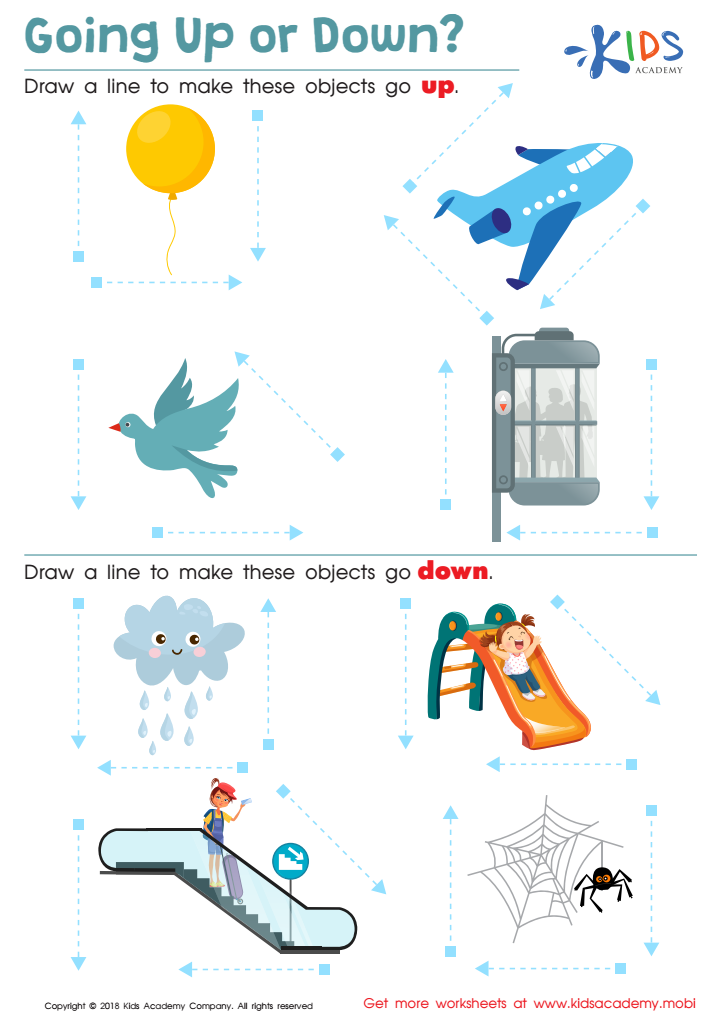
Going up or Down? Worksheet
 Assign to My Students
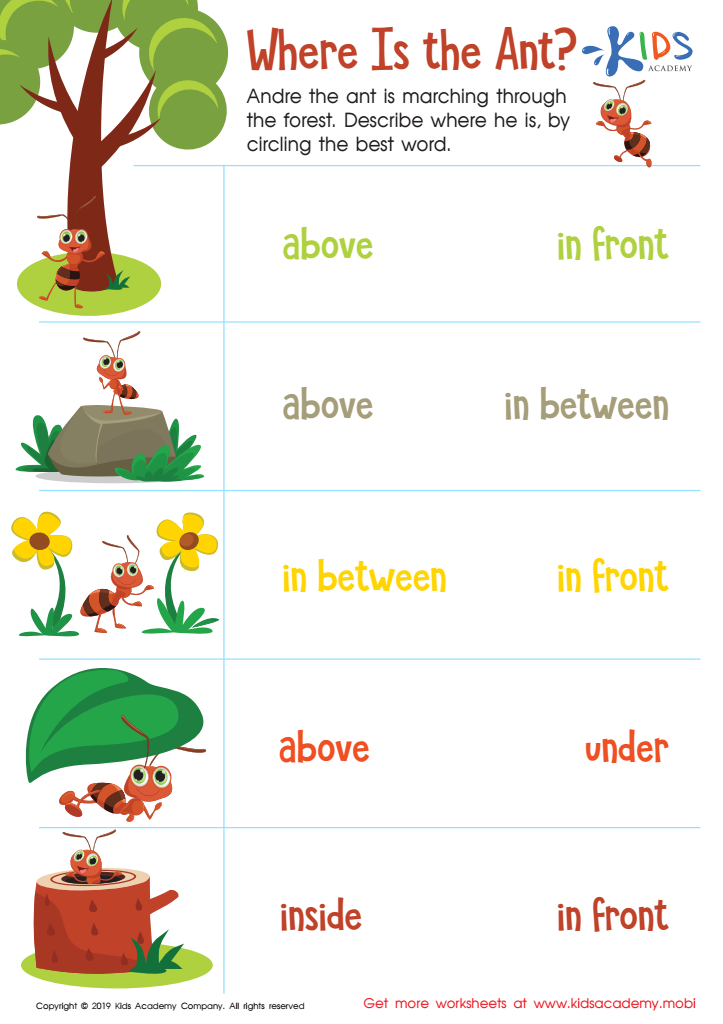
Where Is the Ant? Worksheet
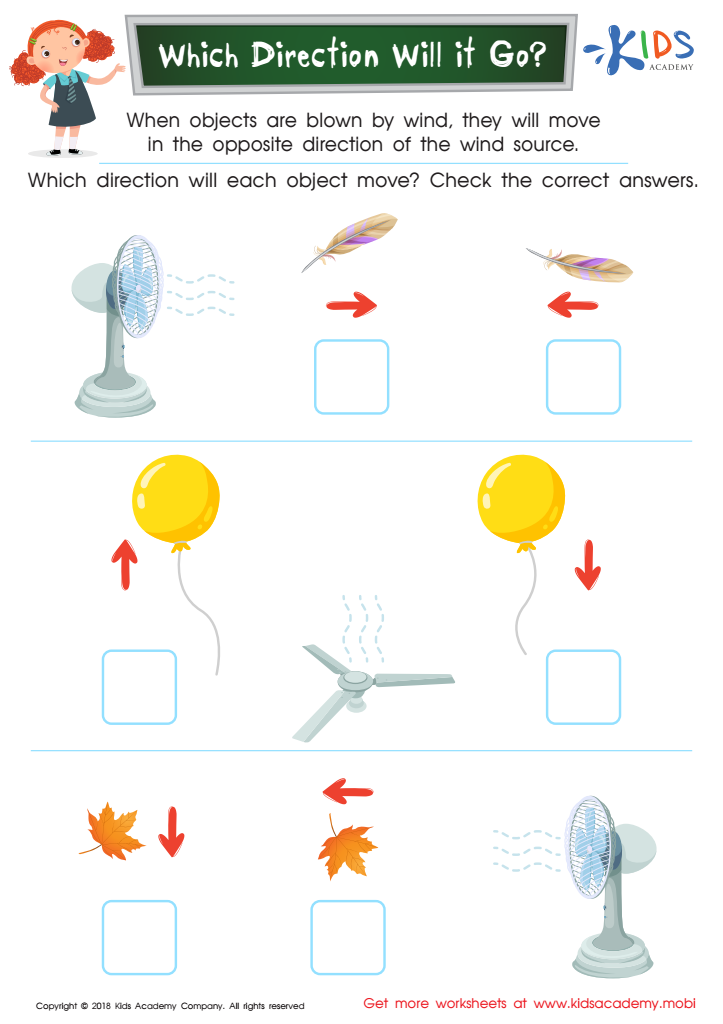
Which Direction Will it Go? Worksheet
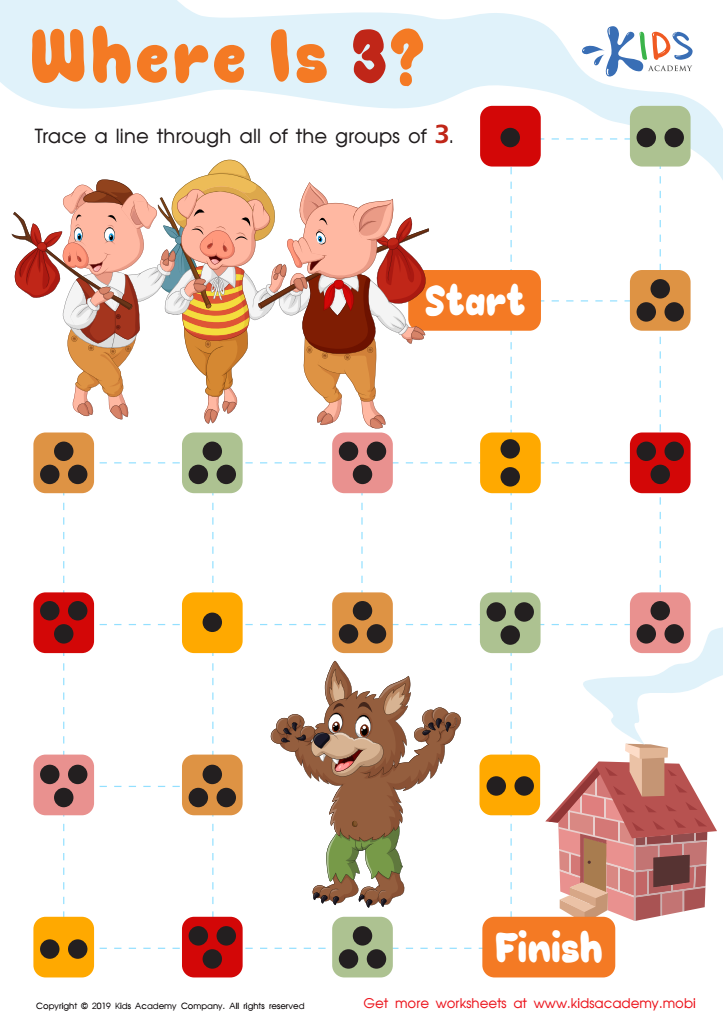
Where Is 3? Worksheet
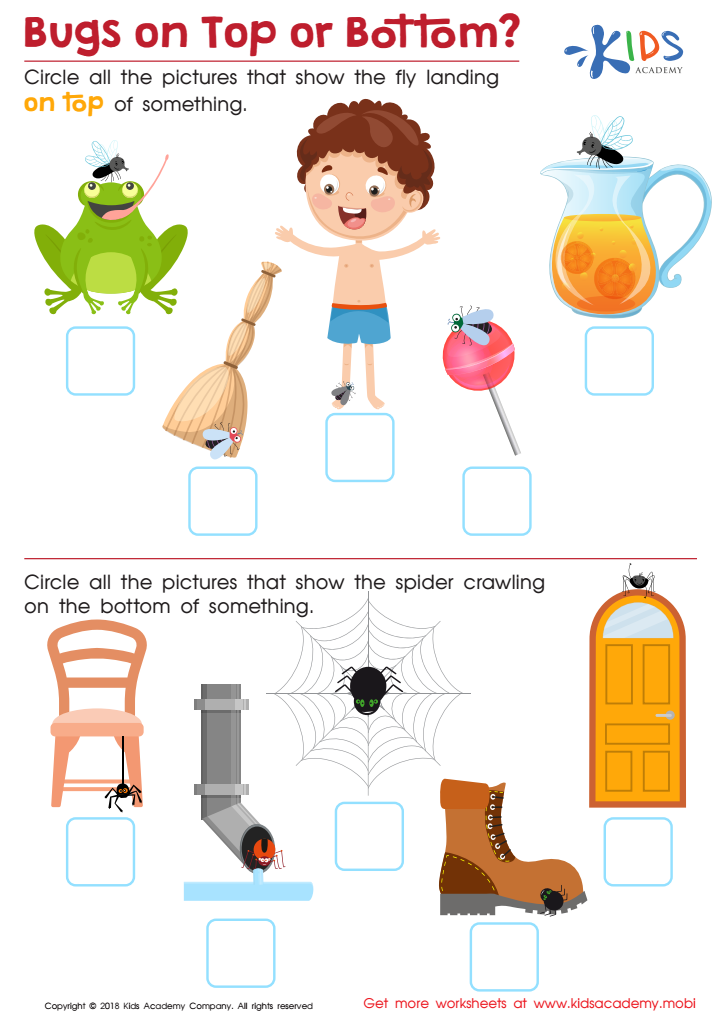
Bugs on Top or Bottom? Worksheet
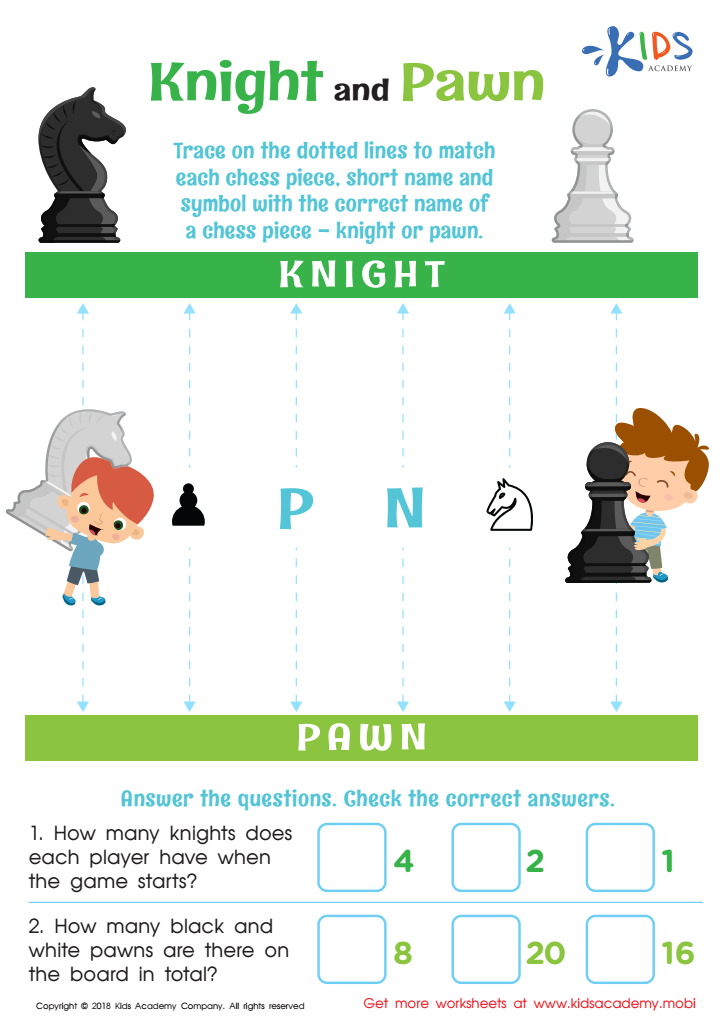
Knight and Pawn Worksheet
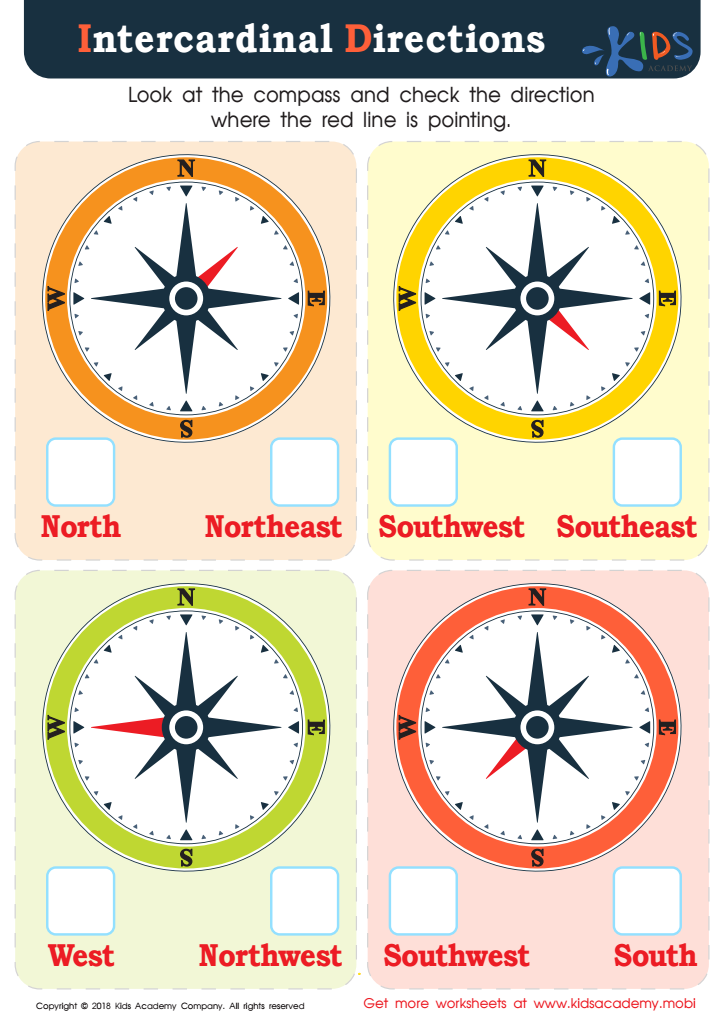
Intercardinal Directions Worksheet
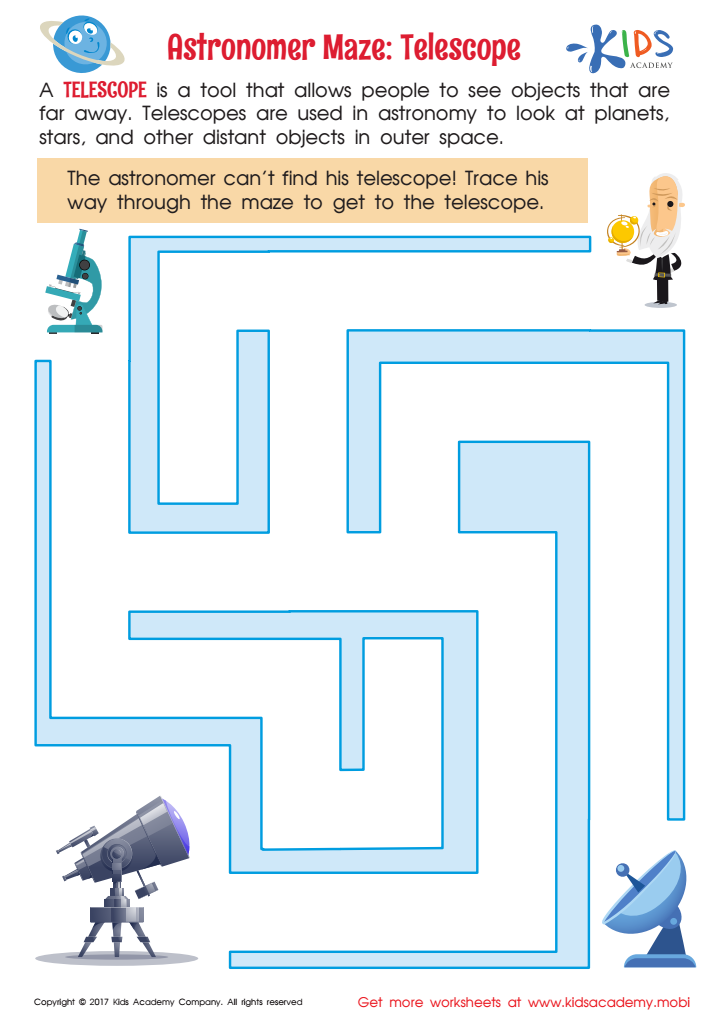
Astronomer Maze: Telescope Worksheet






Understanding directions is a crucial skill for children aged 6-7 as it lays the foundation for their academic success and everyday functioning. At this age, children are developing their cognitive skills and need to learn how to comprehend and follow verbal and written instructions effectively. When parents and teachers prioritize this skill, they create a supportive learning environment that enhances a child's confidence and independence.
Following directions helps children navigate classroom activities, complete homework assignments, and participate in group work. It promotes critical thinking and problem-solving abilities, as children learn to analyze what is being asked of them. Moreover, understanding directions aids in fostering good communication skills, encouraging children to ask questions if they are unclear and engage constructively with peers and adults.
Parents and teachers also play a key role in modeling and practicing direction-following in various contexts. This can be achieved through simple activities like following recipes, doing arts and crafts, or participating in games that require attentiveness to instructions. Overall, investing time in developing understanding and following directions can significantly impact children's academic performance, social interaction, and self-esteem, ultimately setting them on a path toward lifelong learning.








