Understanding Sequences Normal Worksheets for Ages 6-7
5 filtered results
-
From - To
Welcome to our "Understanding Sequences" worksheets designed for ages 6-7! These engaging and educational worksheets help young learners enhance their comprehension of sequences through fun and interactive activities. Ideal for first graders, these printable resources focus on developing critical thinking, pattern recognition, and logical skills. Children will practice arranging events in the correct order, identifying patterns, and completing sequences, setting a strong foundation for future math and reading proficiency. At Kids Academy, we prioritize creating enjoyable and effective learning experiences, supporting your child's educational journey every step of the way. Download now and watch your child's confidence soar!
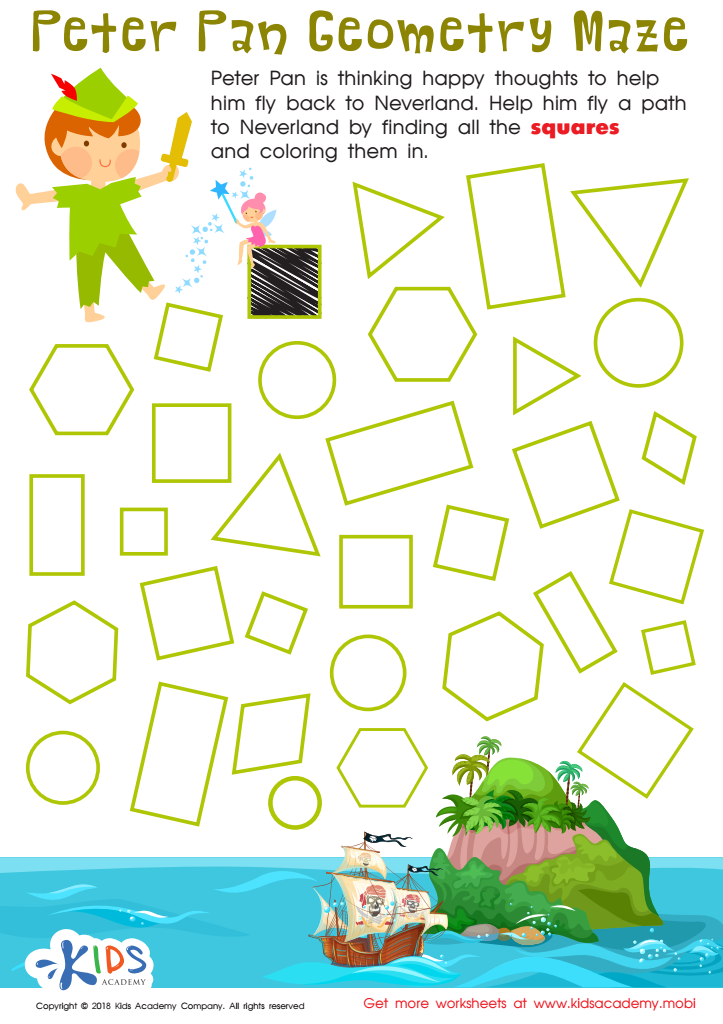
Peter Pan Worksheet
 Assign to My Students
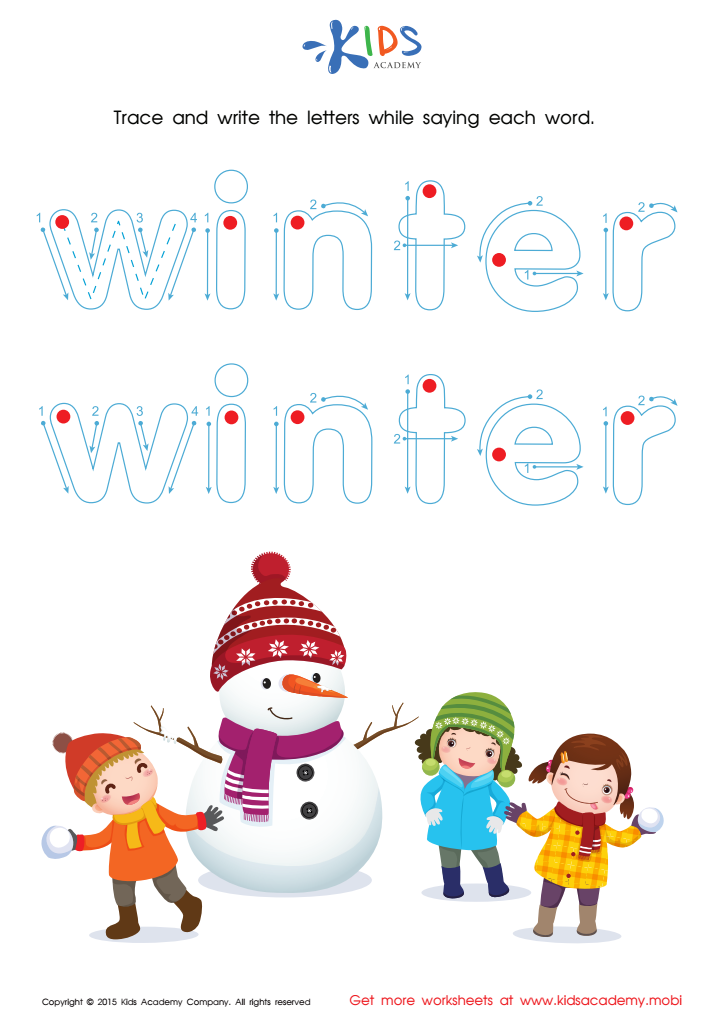
Snowman Tracing Winter Words Worksheet
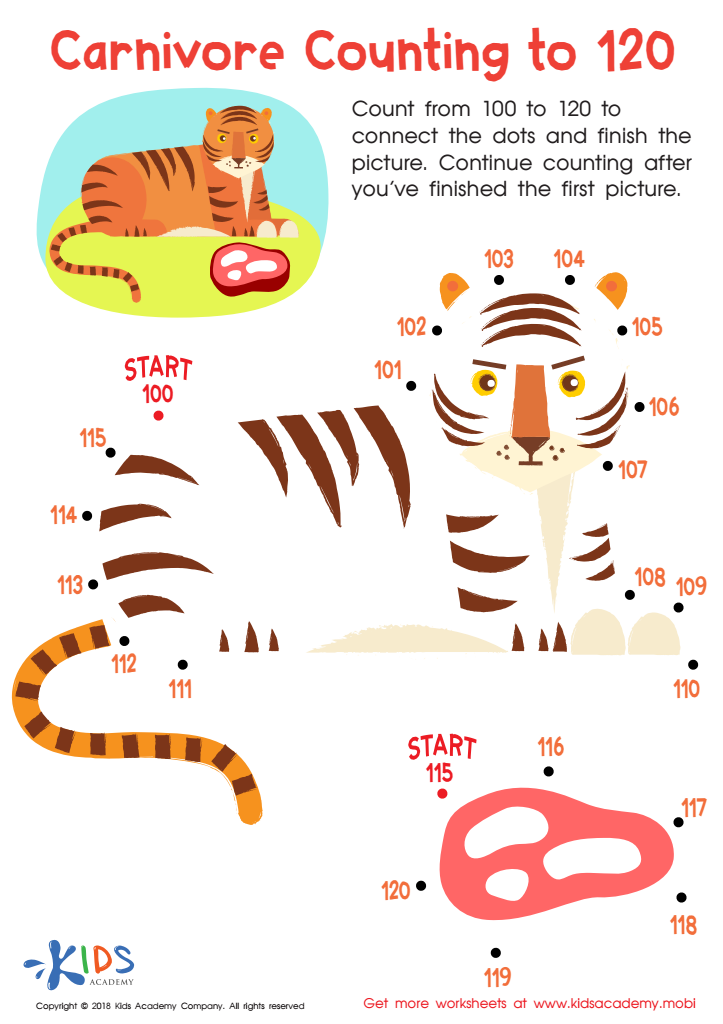
Carnivore Counting to 120 Worksheet
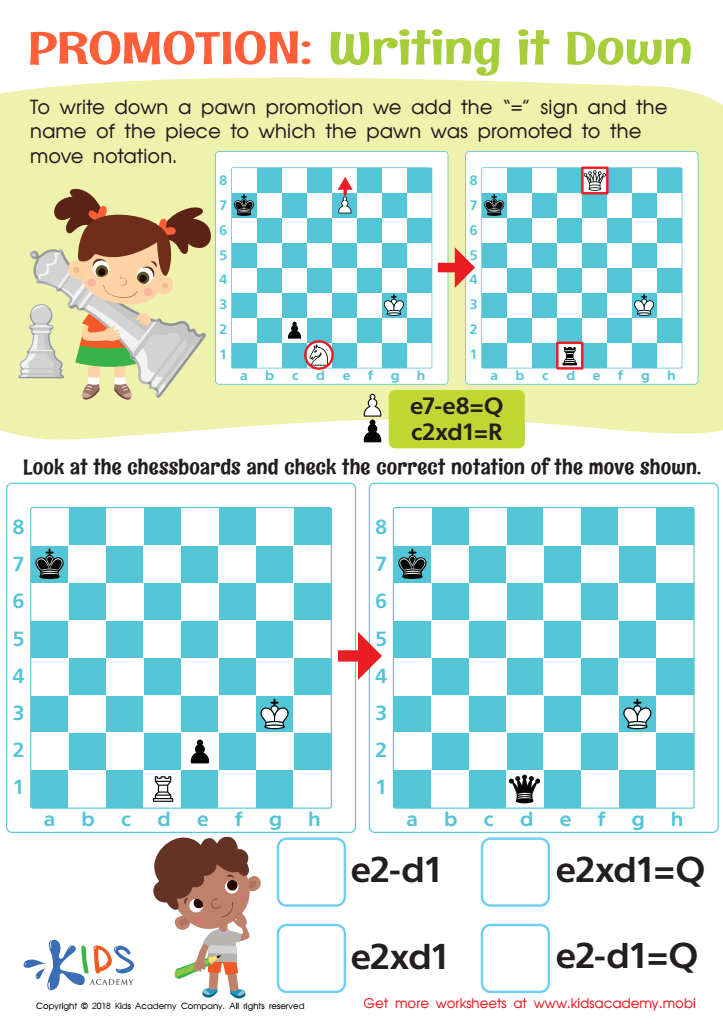
Writing it Down Worksheet
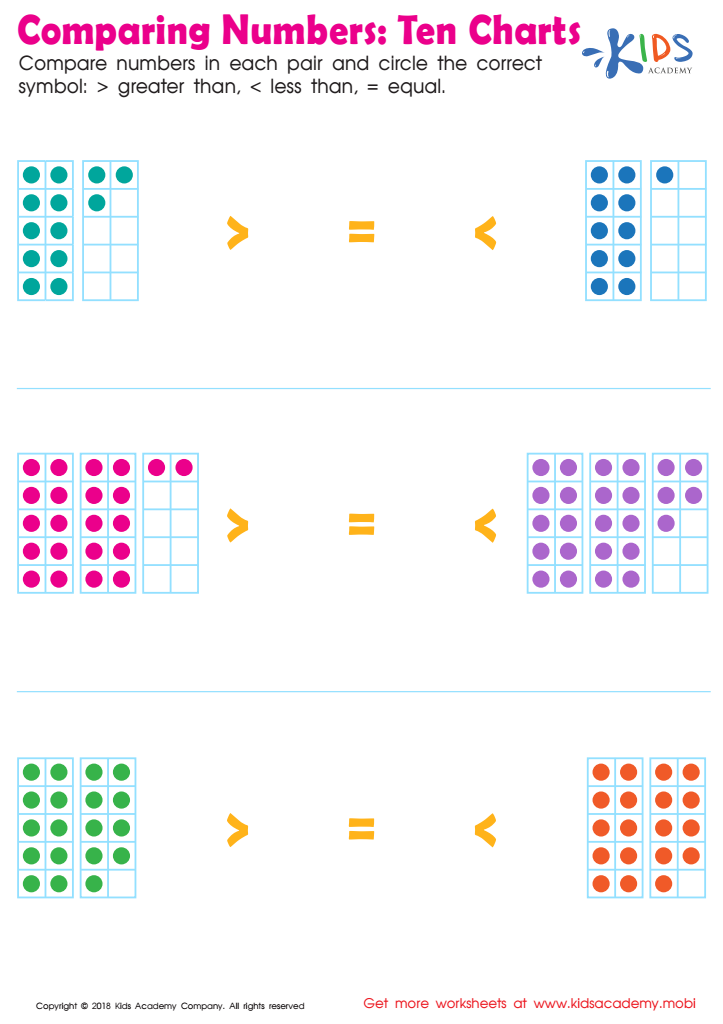
Ten Charts Worksheet







Understanding sequences is a foundational skill that plays a crucial role in a child's cognitive development, particularly for children ages 6-7. At this stage, children are developing critical thinking, problem-solving abilities, and numerical literacy, all of which are essential for their academic success and everyday life.
Firstly, sequences help children grasp the concept of order and predictability, which is fundamental in understanding time, routines, and patterns in their environment. Recognizing patterns is a step toward more complex mathematical concepts, including addition, subtraction, and eventually algebra. It enables children to make predictions and understand outcomes, fostering logical thinking.
Additionally, sequences are integral to language development and reading. When children can recognize the sequence of events in a story, they improve their comprehension and storytelling skills. This skill helps them in organizing thoughts and expressing them coherently, which is valuable not only in academics but in effective communication as well.
Lastly, mastering sequences promotes self-confidence and independence. When children understand and anticipate regular sequences, like daily schedules, it helps them feel secure and more in control. For teachers and parents, reinforcing sequence recognition enhances learning experiences and supports well-rounded development, laying a strong foundation for future academic and personal growth.








