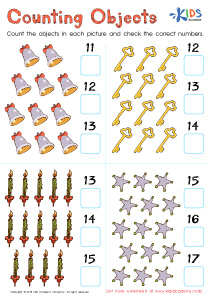
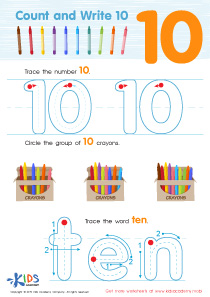
Number Recognition Normal Comparing Numbers Worksheets for Ages 6-7
6 filtered results
-
From - To
Enhance your child's number recognition and comparison skills with our engaging Comparing Numbers Worksheets designed for ages 6-7! These worksheets provide a fun and interactive way for young learners to practice identifying numbers and comparing them effectively. Designed to captivate and challenge, this resource includes various activities that encourage critical thinking and number understanding. Your child will learn to recognize, compare, and differentiate between numbers through colorful illustrations and engaging tasks. Perfect for classrooms or home learning, our worksheets help build confidence in mathematical skills while making learning enjoyable. Equip your child with the essential tools for numeracy success today!
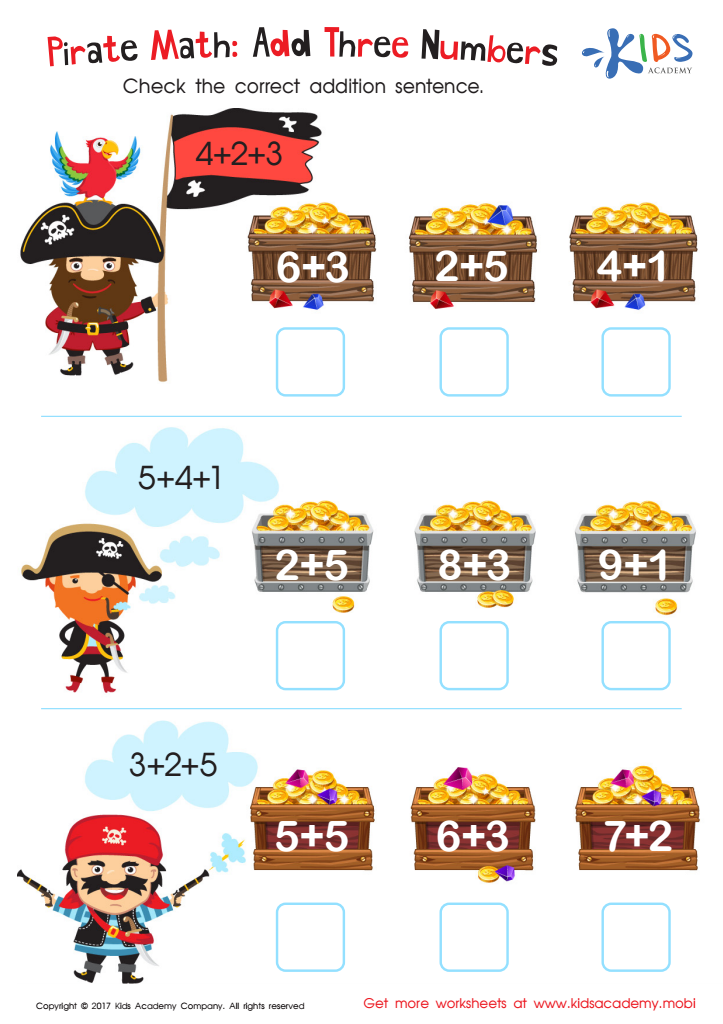
Pirate Math Printable
 Assign to My Students
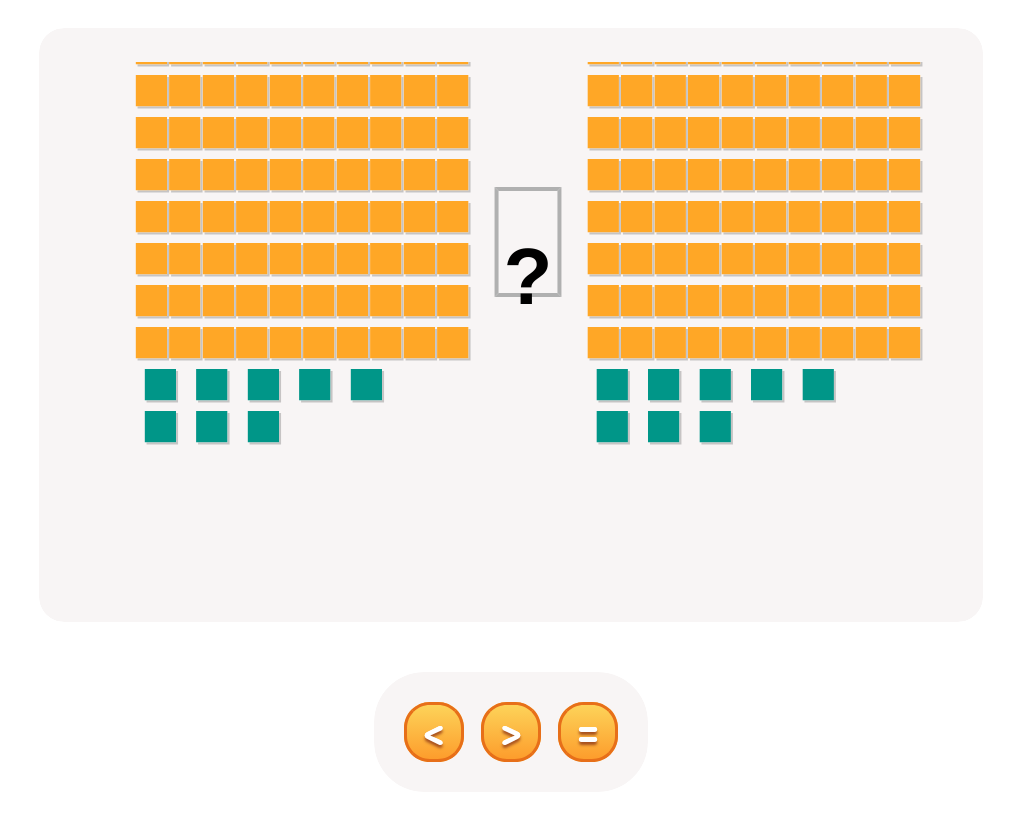

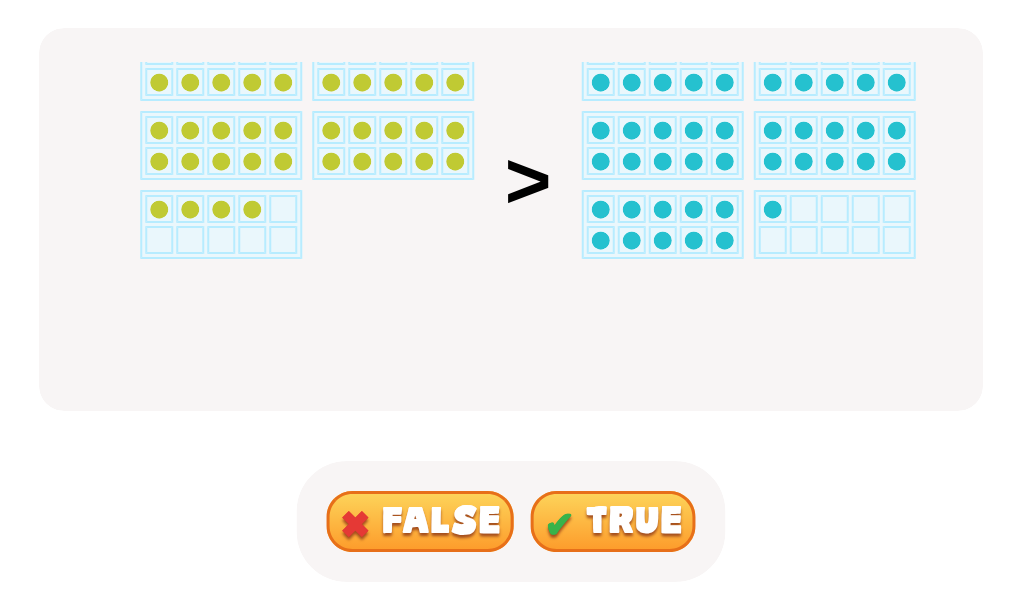
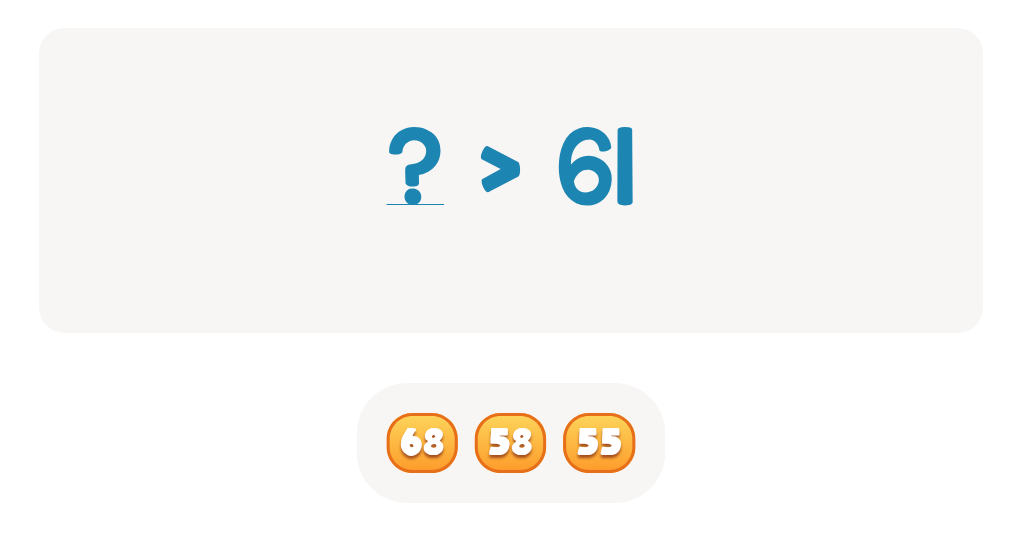
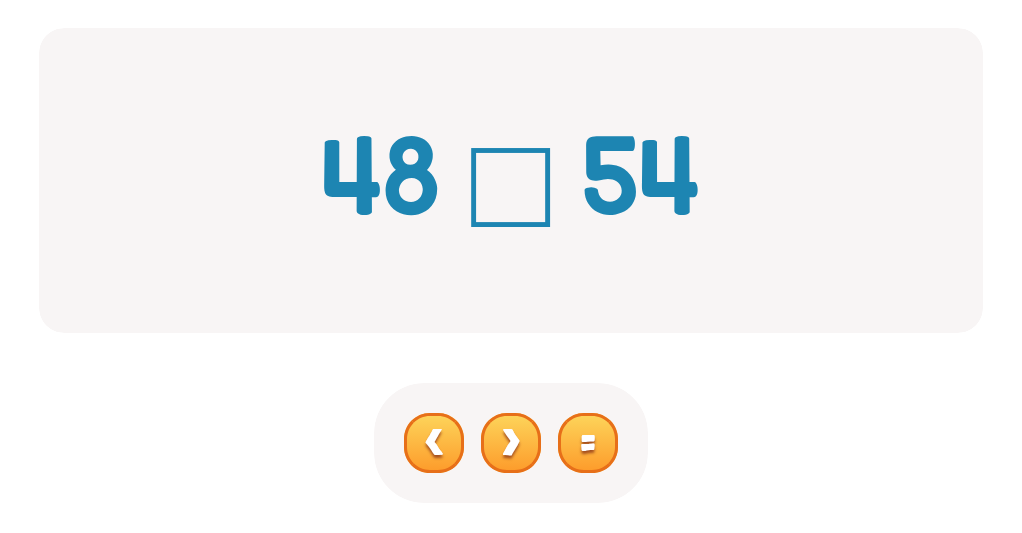
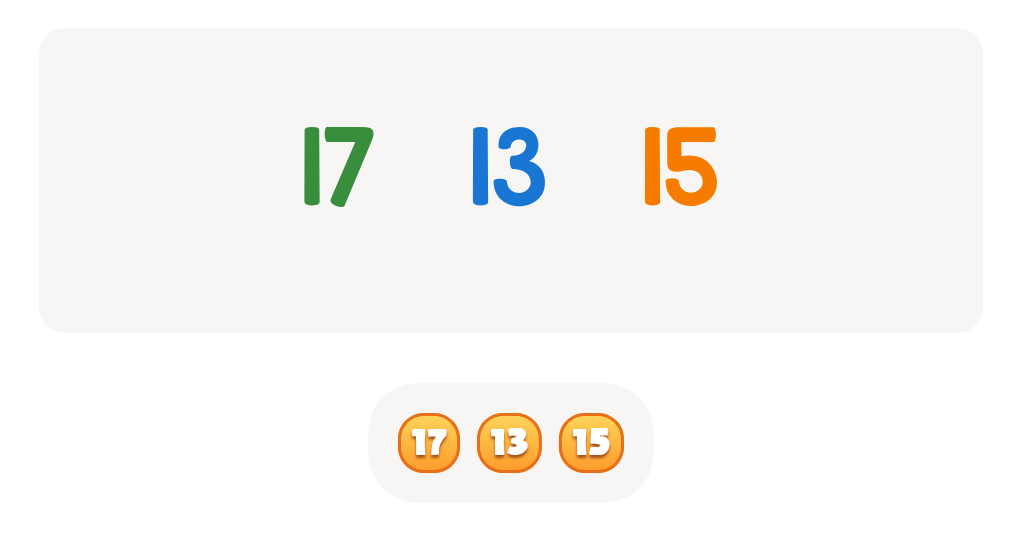
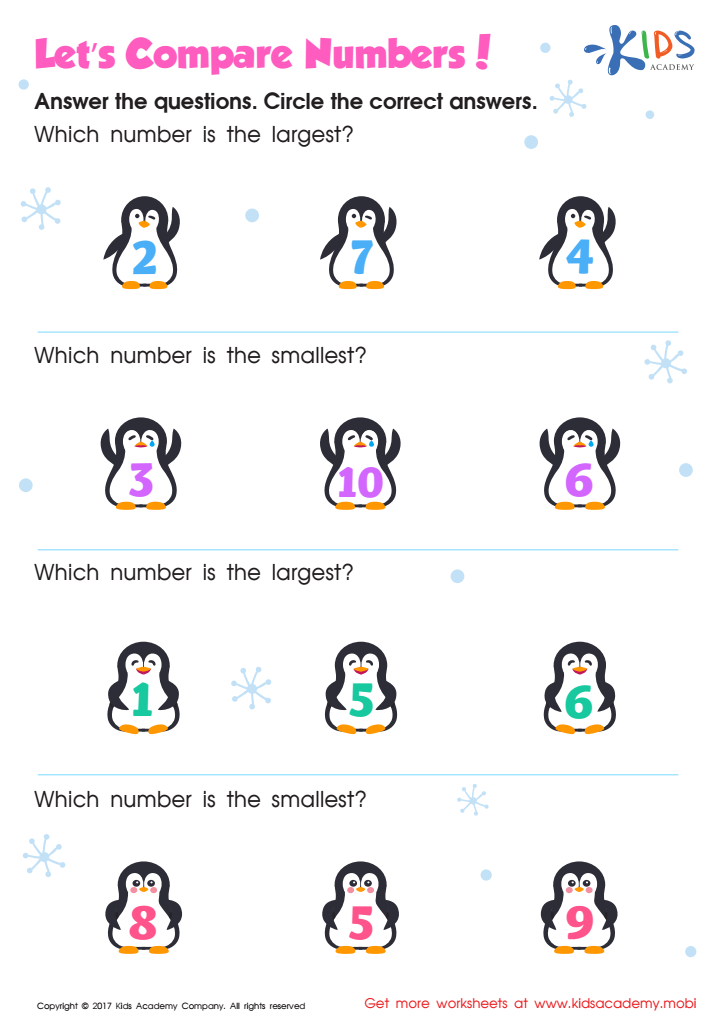
Comparing Numbers 1–10 Worksheet Kindergarten
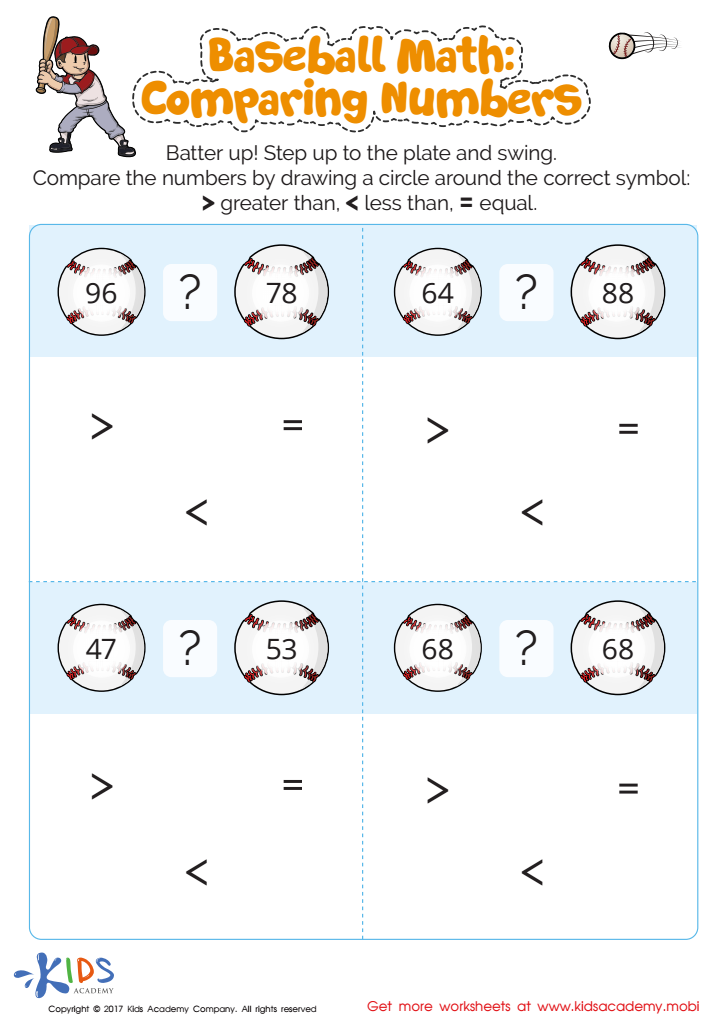
Compare Numbers Printable
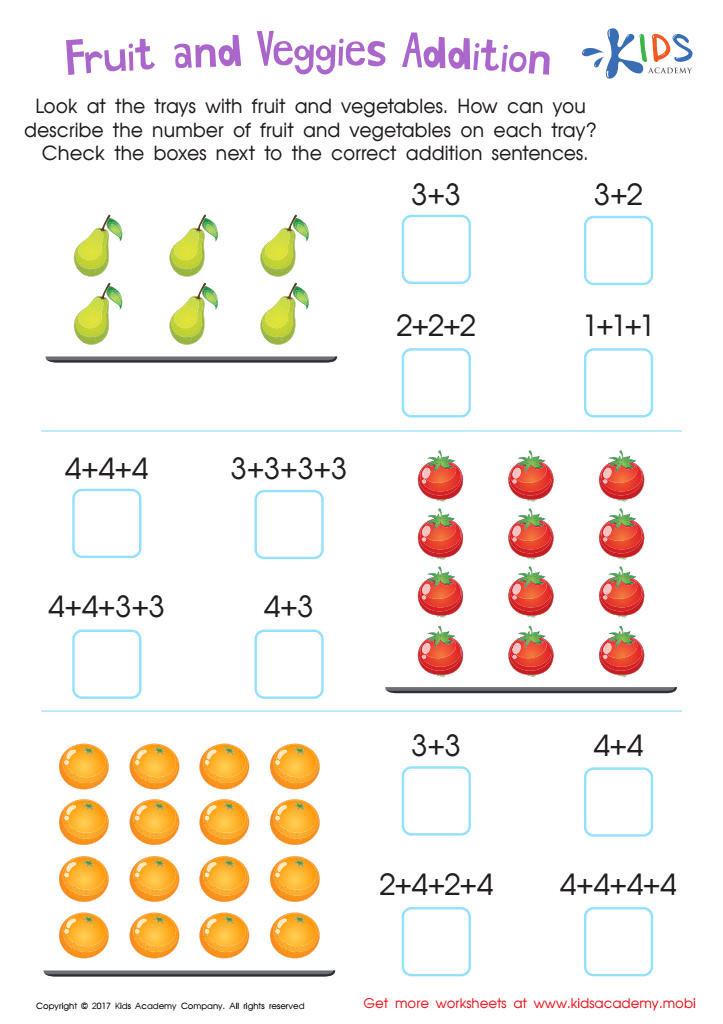
Fruit and Veggies Worksheet
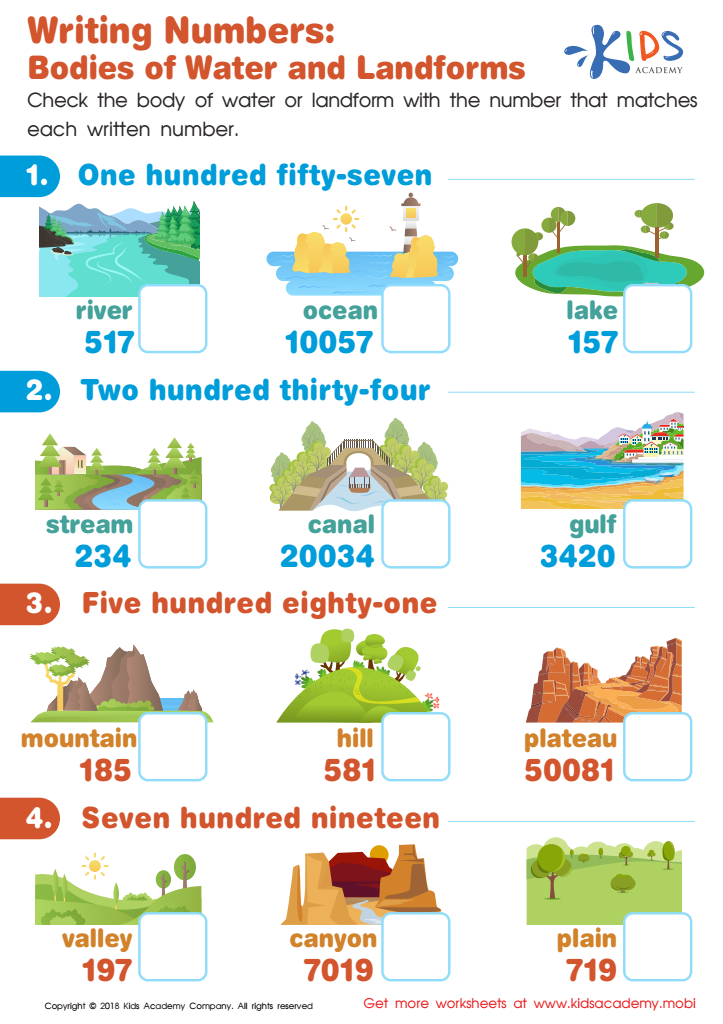
Bodies of Water and Landforms Writing Numbers Worksheet
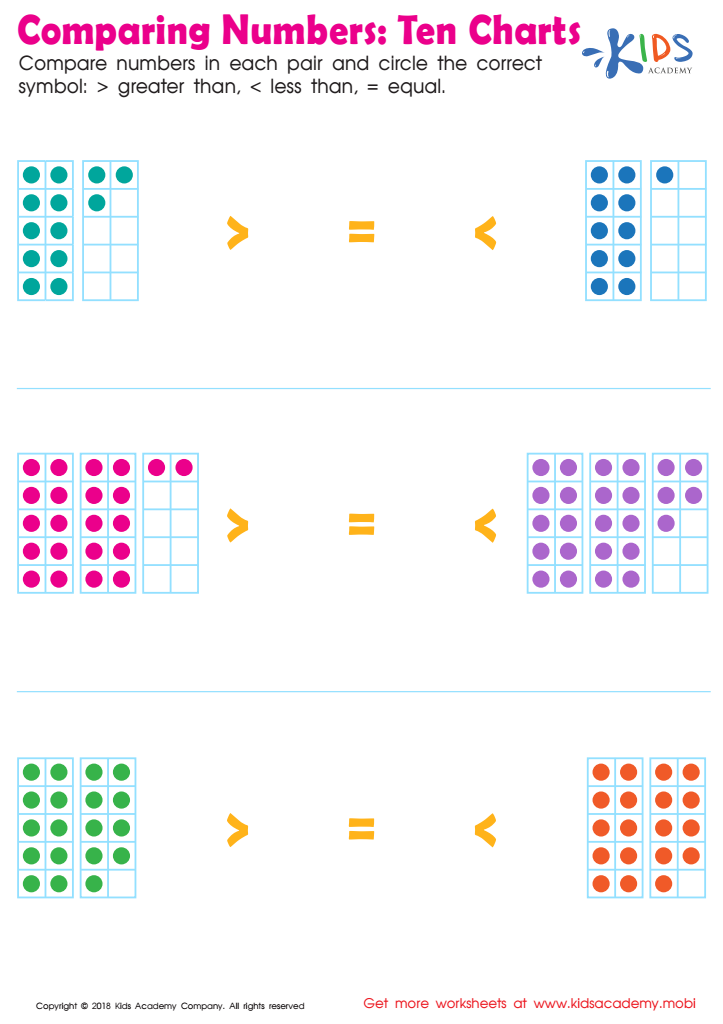
Ten Charts Worksheet








Number recognition and the ability to compare numbers are foundational skills for children aged 6 to 7 years. Parents and teachers should care deeply about these skills because they form the bedrock of mathematical understanding that children will build upon in later years.
Number recognition is crucial as it helps children identify, name, and understand the value of numbers. Mastery of this skill allows children to interact confidently with their environment, whether it's reading street signs, counting objects, or understanding prices—counting and recognizing numbers fosters independence in daily tasks.
Similarly, normal comparing of numbers—understanding which number is larger, smaller, or equal—enhances cognitive skills and critical thinking. It lays the groundwork for arithmetic operations, logical reasoning, and even problem-solving in real-life scenarios. Encouraging this skill also helps children develop a sense of number sense, which is vital for future mathematical concepts such as addition, subtraction, and understanding patterns.
In short, nurturing number recognition and comparison at a young age empowers children to confidently approach math tasks, strengthens their overall numeracy proficiency, and prepares them for academic success, making it essential for both parents and educators to prioritize these skills.