Developing math skills Normal Numbers Worksheets for Ages 6-7
6 filtered results
-
From - To
Enhance your child's math skills with our engaging Normal Numbers Worksheets designed specifically for ages 6-7! These worksheets provide an exciting and interactive way for young learners to grasp essential number concepts. Each activity focuses on developing fundamental skills, such as counting, recognizing numbers, and comparing quantities, all while promoting critical thinking. Our user-friendly format encourages independent exploration and makes learning math enjoyable. Perfect for at-home practice or classroom use, these worksheets are tailored to align with your child’s developmental needs. Start building a strong mathematical foundation today with our thoughtfully designed resources!
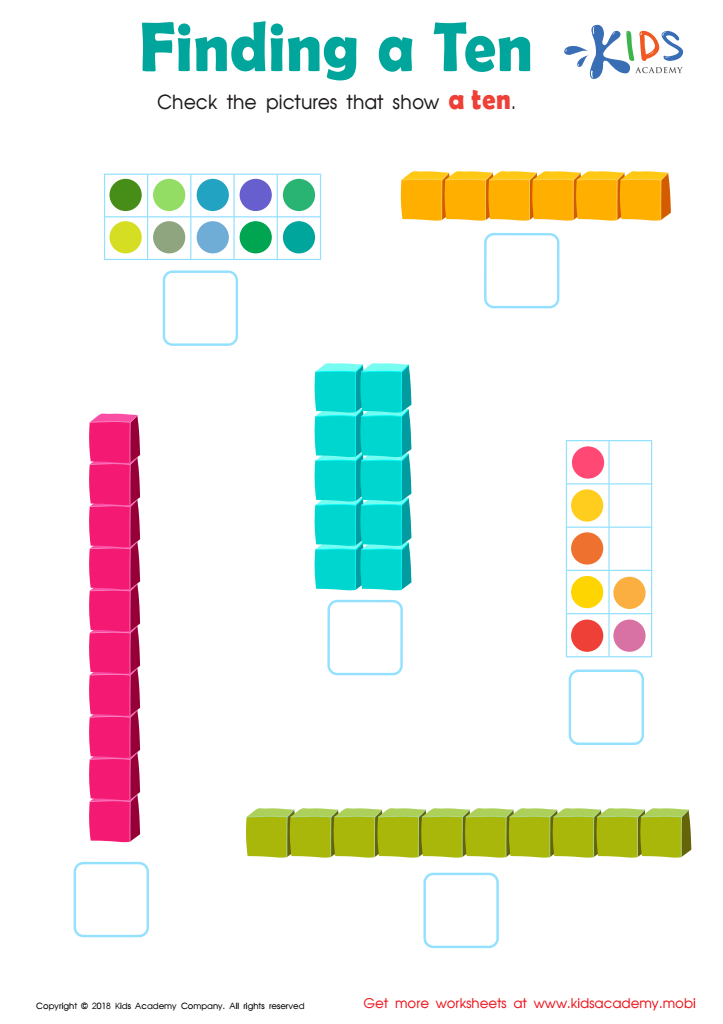
Finding a Ten Worksheet
 Assign to My Students
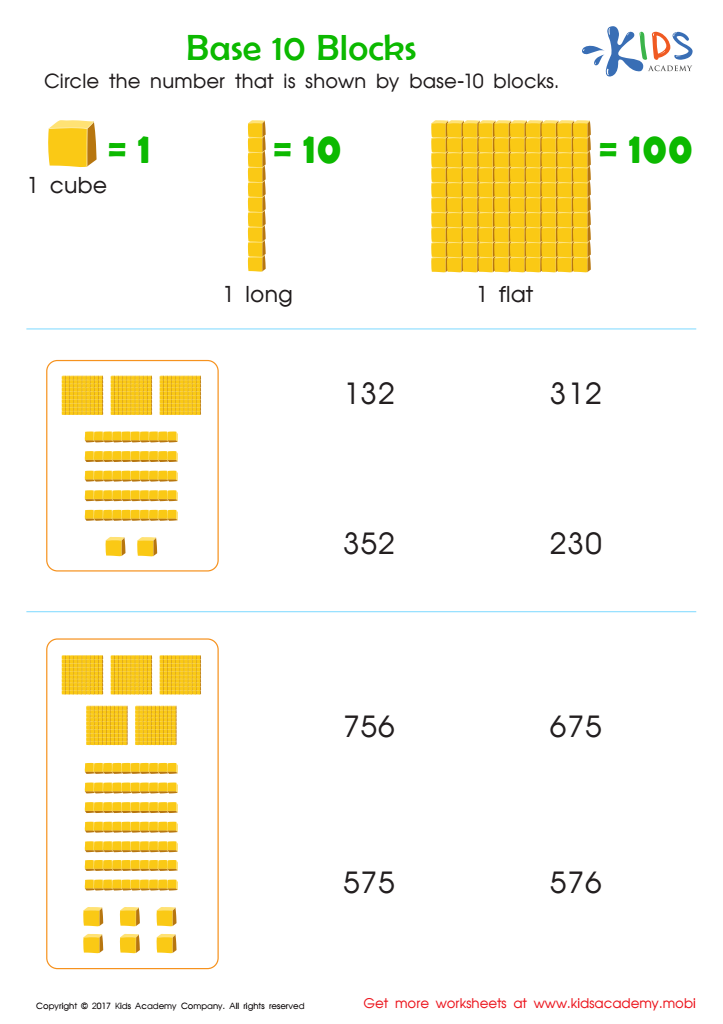
Base Ten Blocks Worksheet
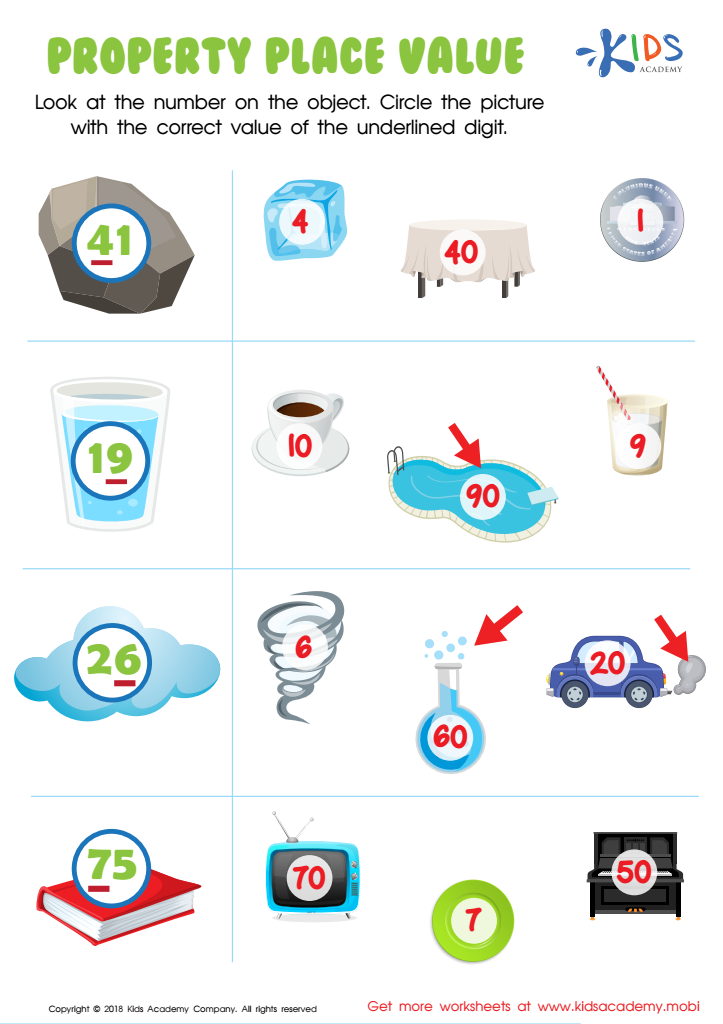
Property Place Value Worksheet
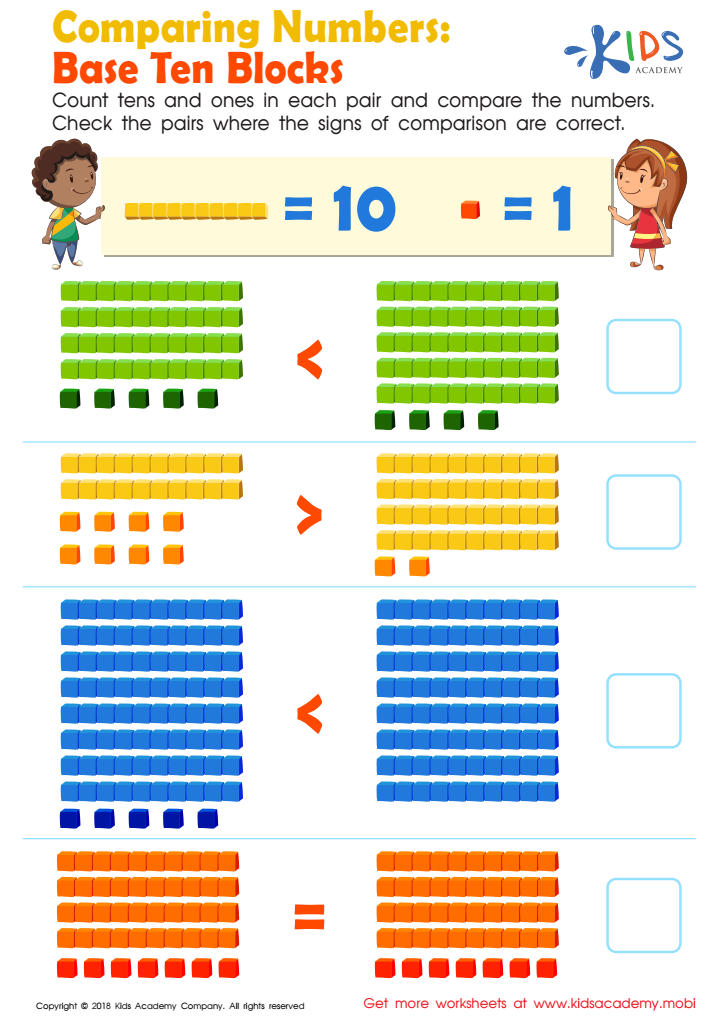
Comparing Numbers: Base Ten Blocks Worksheet
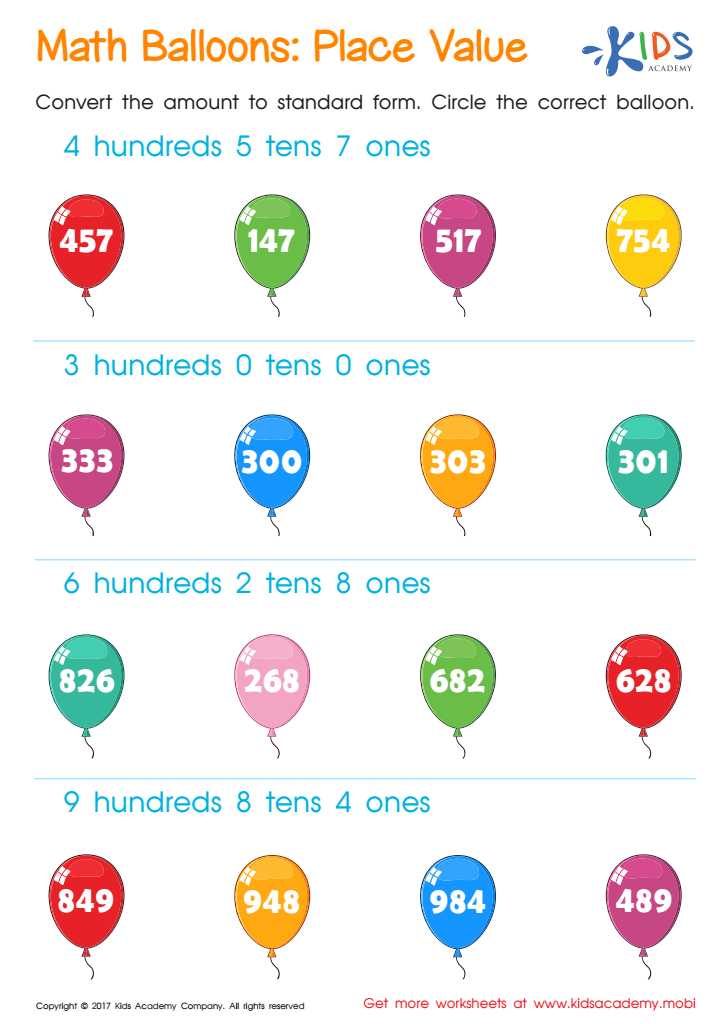
Place Value Printable Worksheet
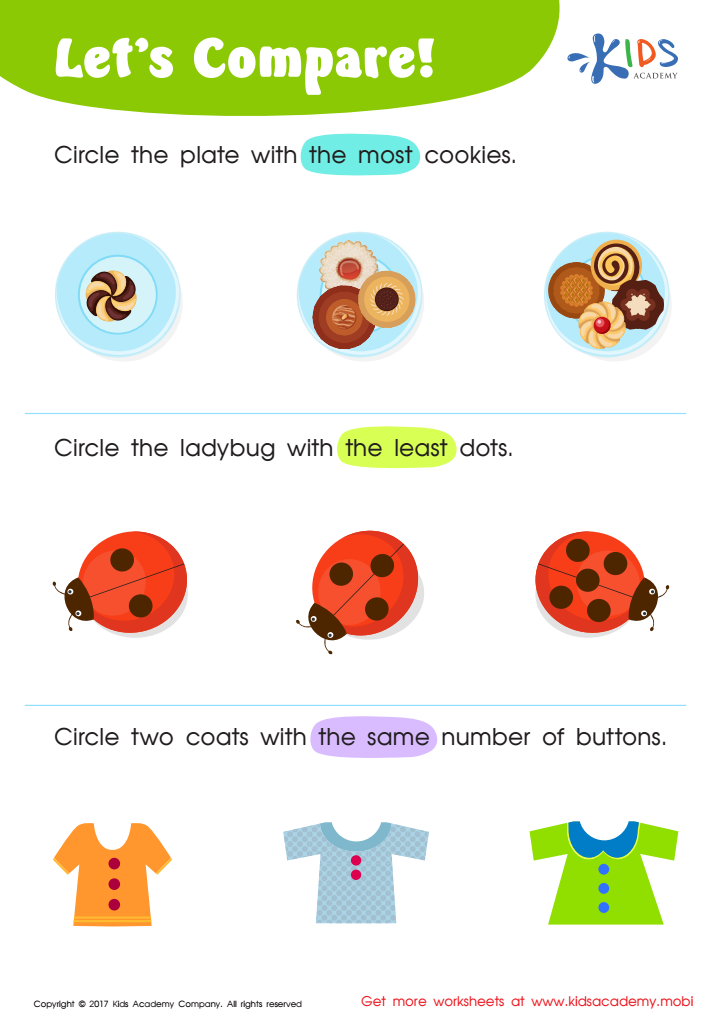
Matching: Classifying Toys by Size Worksheet








Developing math skills involving normal numbers for children aged 6-7 is crucial for several reasons. At this age, children are laying the foundational skills that underpin all future mathematical learning. Mastery of normal numbers—whole numbers, addition, subtraction, and number recognition—fosters confidence and a positive attitude toward math, shaping their overall academic experience.
Firstly, early math skills support cognitive development. Engaging with numbers teaches children to think critically and solve problems, skills that extend beyond the classroom. These abilities promote logical reasoning and analytical thinking, which are essential not just in academics, but in everyday decision-making.
Secondly, fluency with normal numbers enhances children's ability to navigate everyday life situations, such as budgeting allowances or understanding time. This practical application builds a sense of independence and responsibility.
Finally, parents and teachers play a pivotal role in shaping attitudes towards math. By emphasizing the importance of developing strong number skills in young learners, they can combat common math anxiety and help children approach the subject with curiosity and enthusiasm. Ultimately, fostering these skills helps ensure that children are better prepared for the more complex mathematical concepts they will encounter in the future.








