Developing logical thinking Normal Math Worksheets for Ages 6-7
3 filtered results
-
From - To
Foster your child’s budding problem-solving abilities with our "Developing Logical Thinking" Normal Math Worksheets for Ages 6-7. Specially designed to enhance critical thinking, these worksheets integrate fun and educational activities that help young learners grasp essential mathematical concepts. Through patterns, sequencing, and simple logic puzzles, kids engage in tasks that stimulate their minds and boost their confidence. These worksheets are perfect for both classroom use and at-home practice, ensuring a well-rounded mathematical foundation. Empower your child's logical development and watch them thrive academically with our expertly crafted resources. Get started today and nurture a love for math!
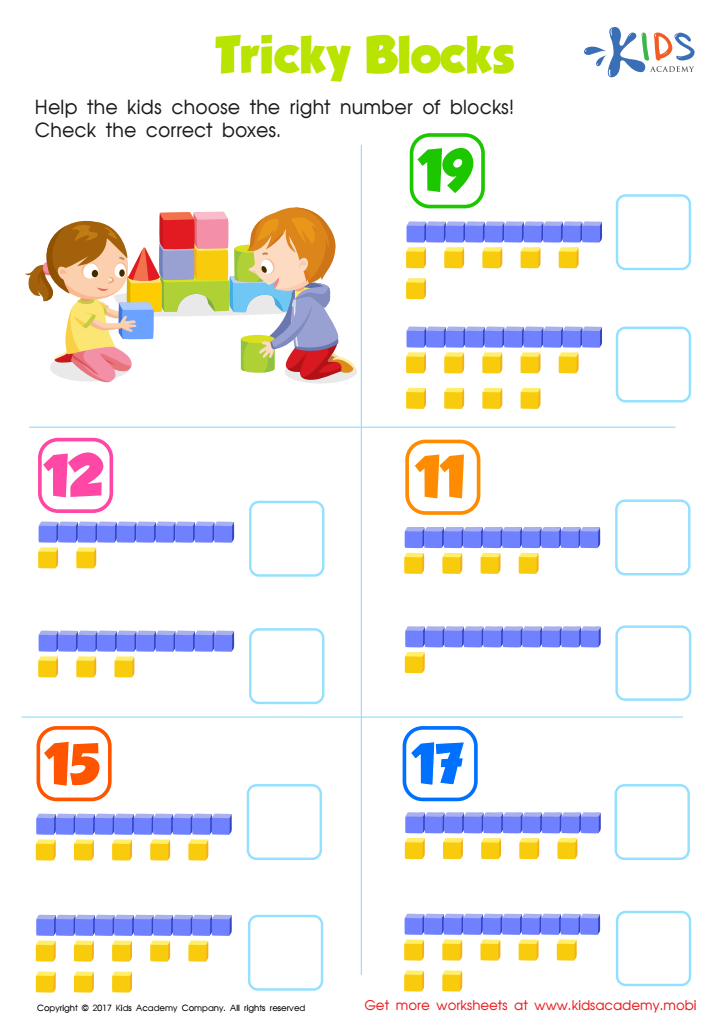
Tricky Blocks Worksheet
 Assign to My Students
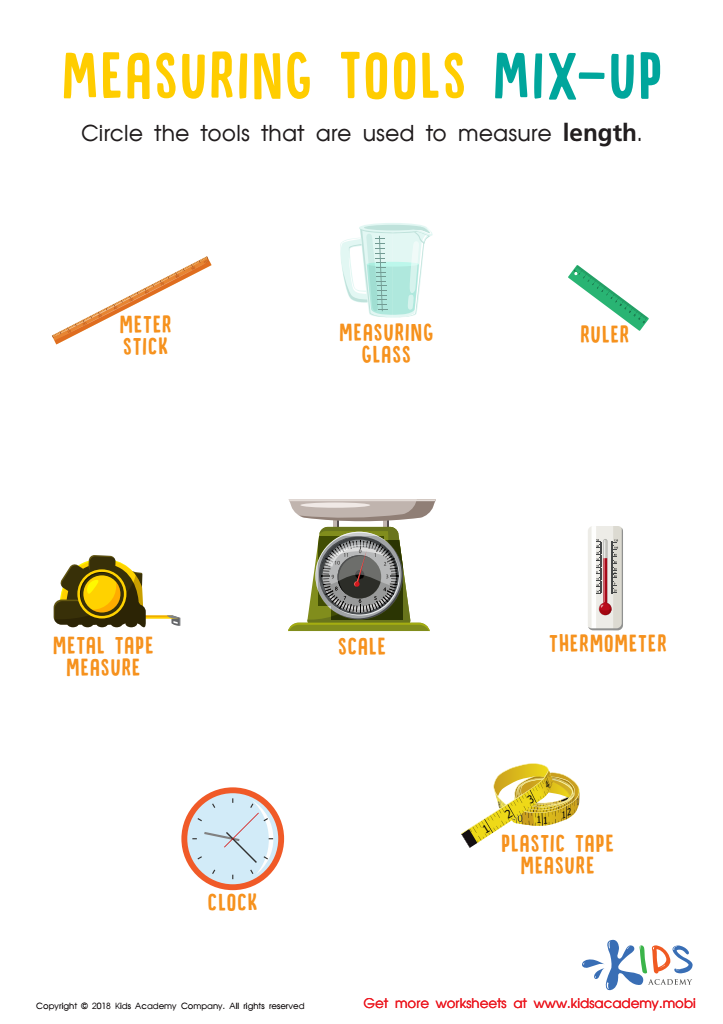
Measuring Tools Mix–up Worksheet
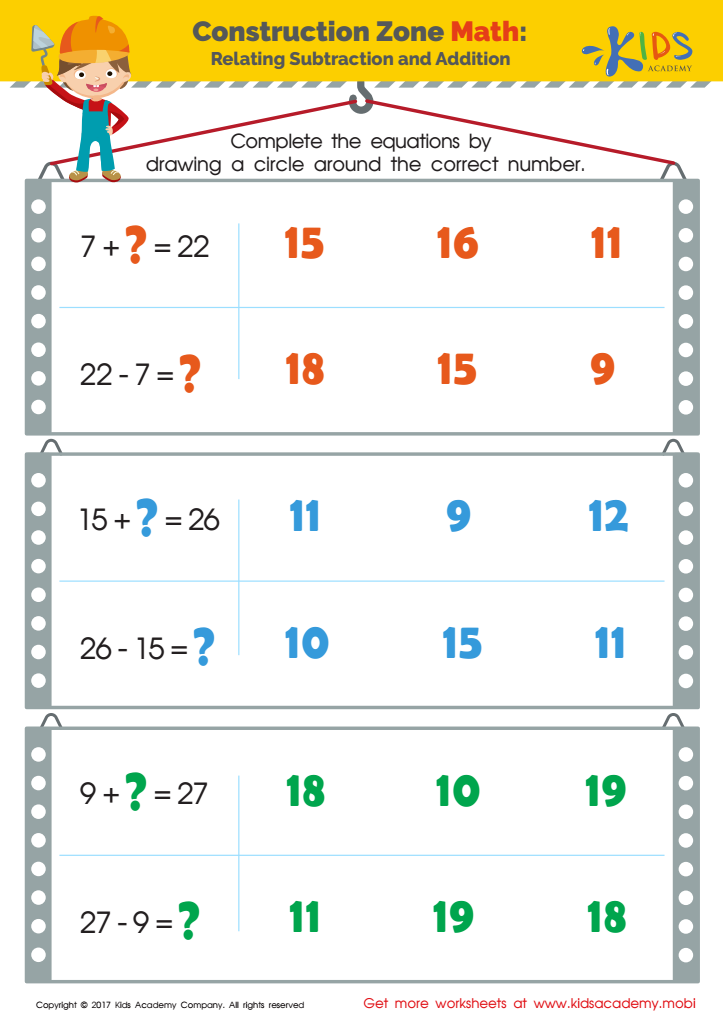
Related Addition and Subtraction Facts Worksheet








Developing logical thinking and math skills in children ages 6-7 is crucial for several reasons. At this young, formative age, children's brains are highly adaptable and primed for learning foundational skills that will impact their future academic and life success. Logical thinking fosters problem-solving abilities, enabling children to approach challenges systematically and think critically, which are vital skills in all areas of life.
Math, in particular, enhances cognitive abilities such as memory, attention, and spatial reasoning. For example, understanding basic addition and subtraction sets the stage for more complex mathematical concepts. Additionally, early math skills are strongly predictive of later academic achievement, often even more so than early literacy skills.
For parents and teachers, investing time in developing these skills can also support children's confidence and enjoyment in learning. Children who grasp math concepts early are likely to feel more competent and be more willing to take on new challenges without frustration.
Moreover, logical thinking and math are intertwined with everyday activities and decision-making processes, from understanding time to managing finances later in life. Establishing these competencies now lays the groundwork for a child’s ability to handle more complex tasks and responsibilities as they grow.
Prioritizing these skills in early education ensures children are equipped with essential tools to navigate their world effectively and intelligently.








