Understanding patterns Normal Math Worksheets for Ages 6-7
5 filtered results
-
From - To
Discover our "Understanding Patterns Normal Math Worksheets" designed specifically for children aged 6-7. These engaging worksheets provide young learners with a fun and interactive way to explore the concept of patterns. Through various activities, students will enhance their critical thinking skills by identifying, creating, and extending patterns using colors, shapes, and numbers. Our thoughtfully crafted worksheets cater to different learning styles, ensuring that every child can grasp the foundational concepts of mathematics effectively. Perfect for both classroom activities and extra practice at home, these resources aim to boost confidence and foster a strong mathematical foundation in early learners. Explore them today!
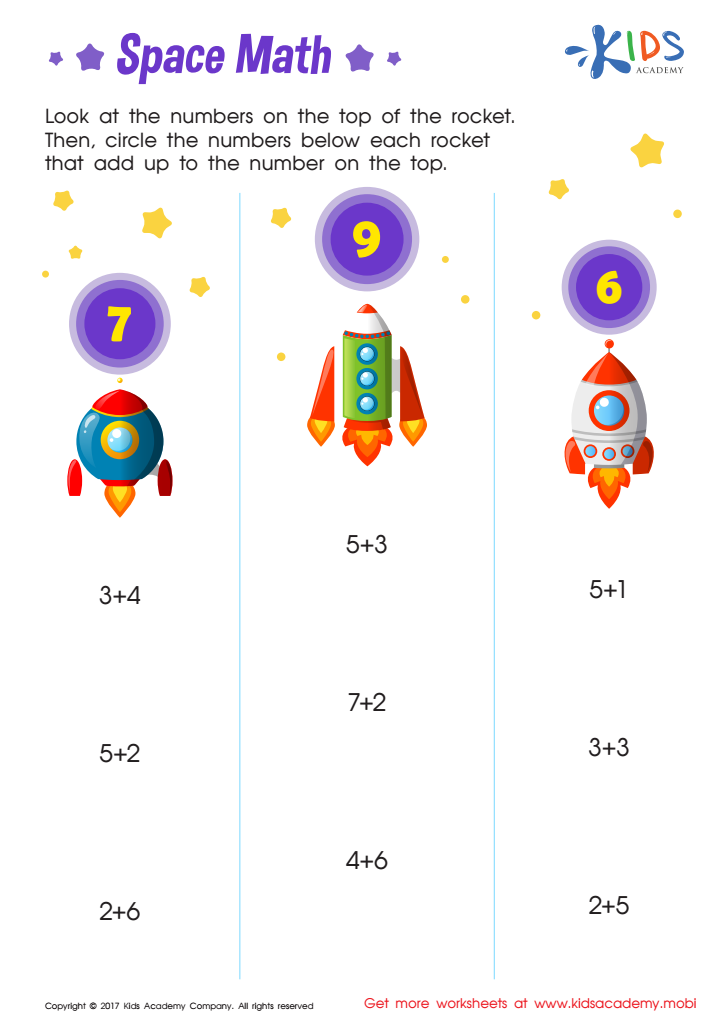
Addition: Space Math Worksheet
 Assign to My Students
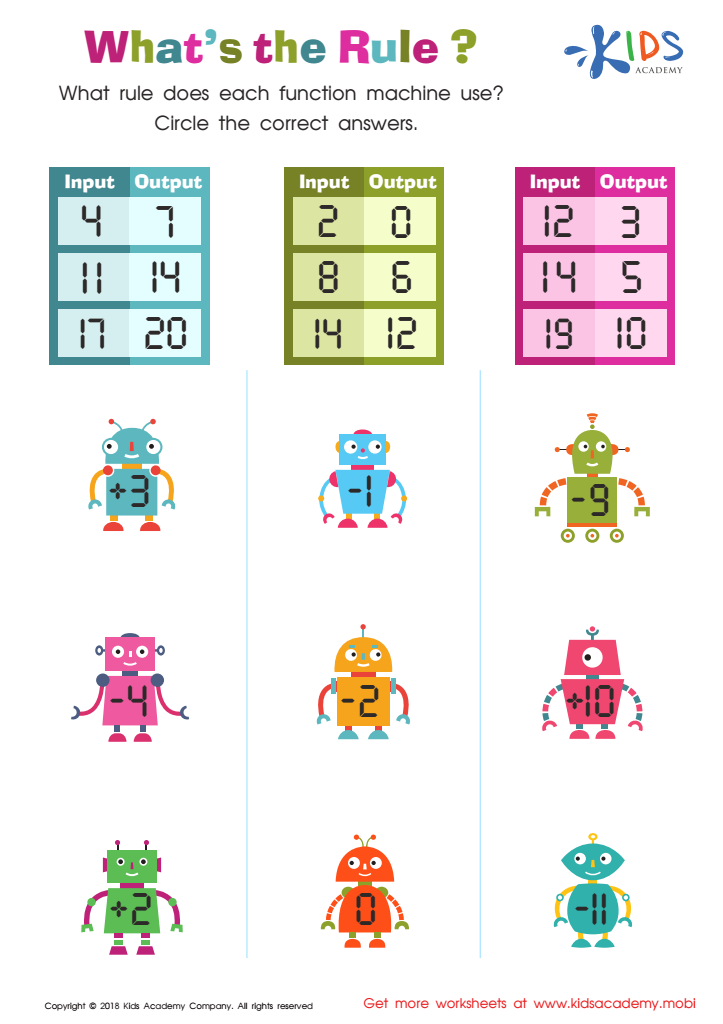
What's the Rule Worksheet
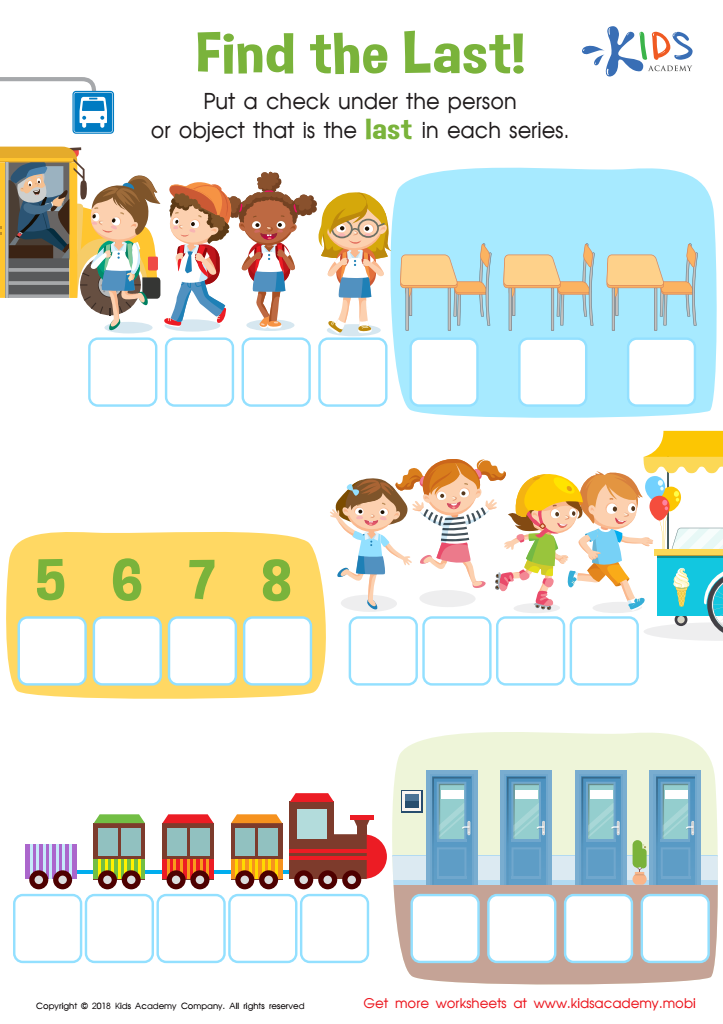
Find the Last! Worksheet
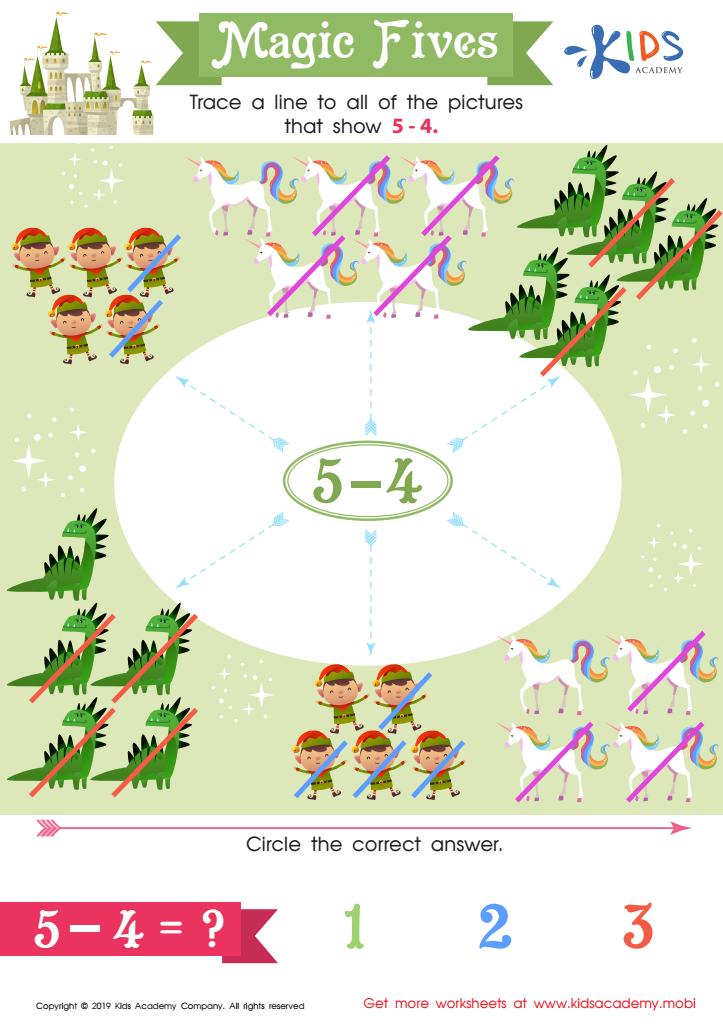
Magic Fives Worksheet
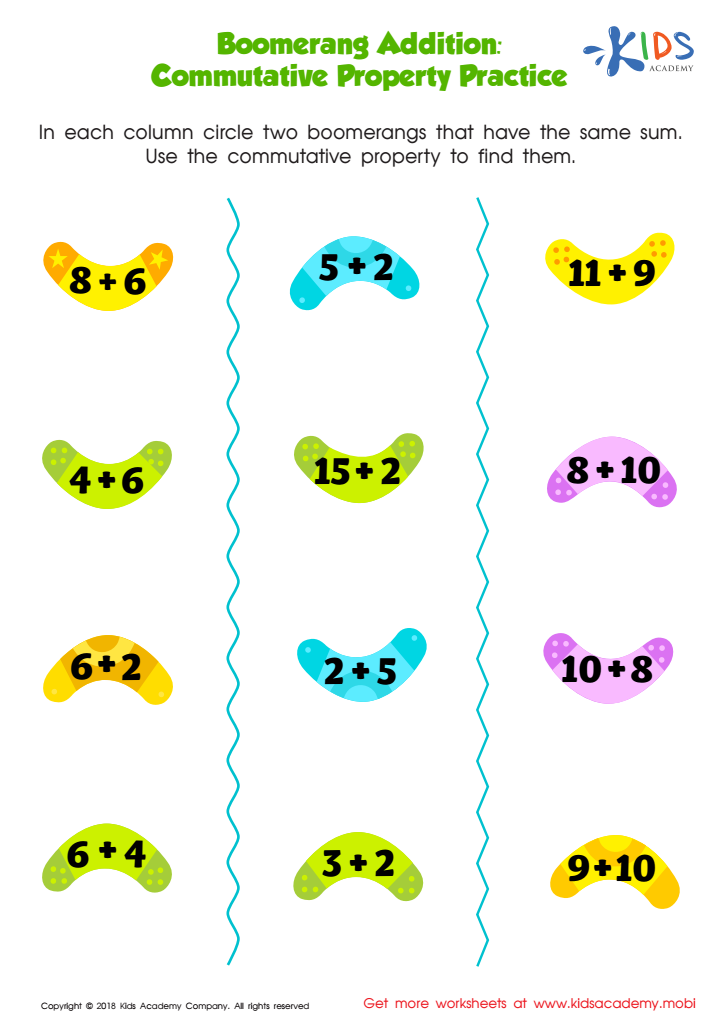
Boomerang Addition Worksheet







Understanding patterns is crucial for children aged 6-7 as it lays the foundation for their mathematical reasoning and problem-solving skills. Recognizing and creating patterns helps young learners to develop critical thinking and analytical skills, which are essential for tackling more complex math concepts in the future, such as algebra and geometry. Patterns are everywhere in daily life, from nature to art and technology; by teaching children to observe and analyze these sequences, we are equipping them to interpret the world around them.
Moreover, pattern recognition fosters organizational skills and can improve memory retention, allowing children to notice relationships between numbers, shapes, and other objects. When parents and teachers emphasize the importance of patterns, they enhance a child's ability to make predictions and draw conclusions based on evidence, essential skills not just in mathematics but in various subjects.
Engaging children in pattern-related activities encourages collaborative learning and social interaction, necessary components for emotional and cognitive development. By incorporating pattern games or activities into early education, we create a conducive learning environment that captures children's curiosity and enthusiasm, ultimately setting them up for long-term academic success. Therefore, investing time in helping children understand patterns is crucial for their overall growth and learning trajectory.








