Counting skills Normal Matching Worksheets for Ages 6-7
6 filtered results
-
From - To
Develop essential counting skills with our specially designed Counting Skills Normal Matching Worksheets for ages 6-7. These engaging and interactive worksheets help young learners strengthen their number recognition, counting, and matching abilities in a fun and educational way. Perfect for both classroom settings and home practice, each worksheet challenges children to match numbers with corresponding sets of objects, enhancing their understanding of numerical relationships. Guided and supported by expert educators, these printables foster a solid foundation in early math skills, preparing children for future success. Explore, download, and watch your child's math confidence grow with Kids Academy.
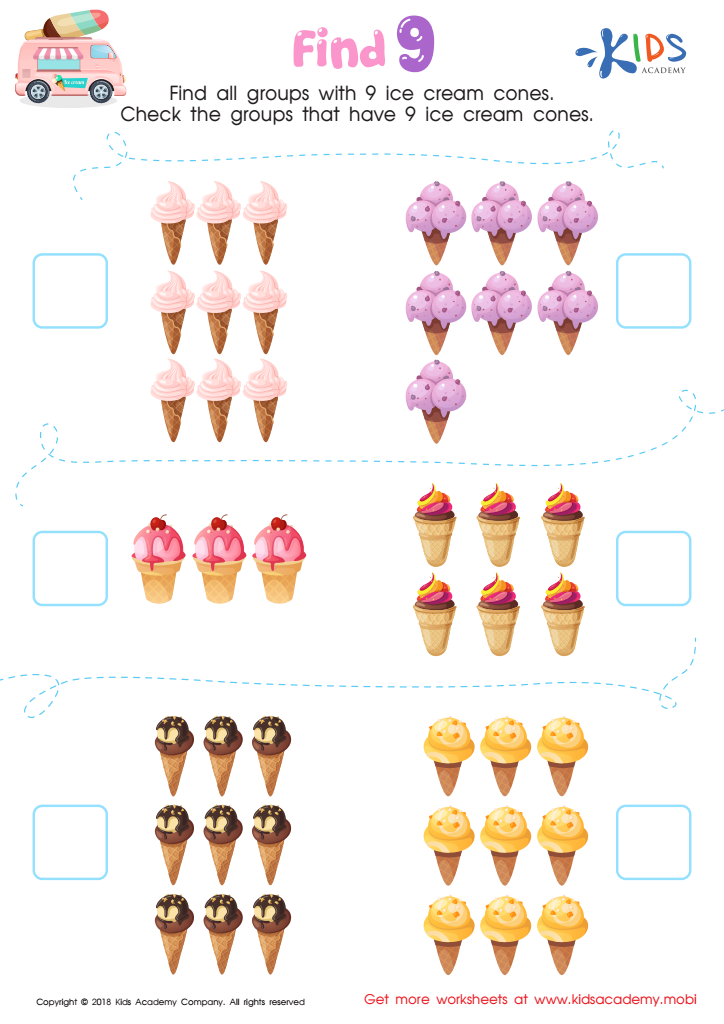
Find 9 Worksheet
 Assign to My Students
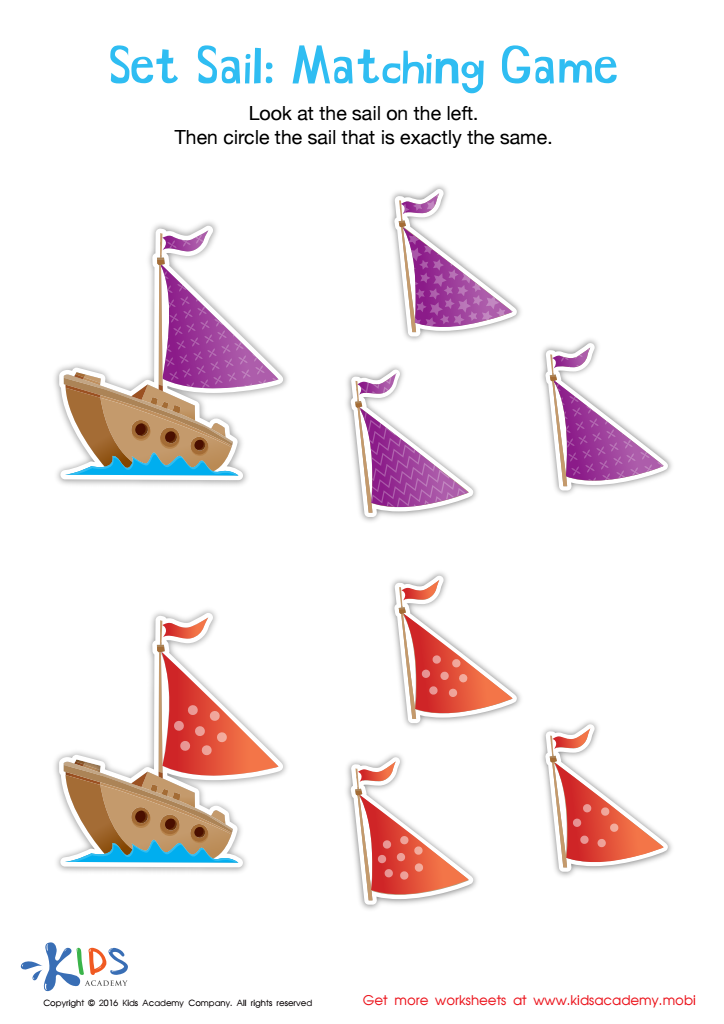
Set Sail Worksheet
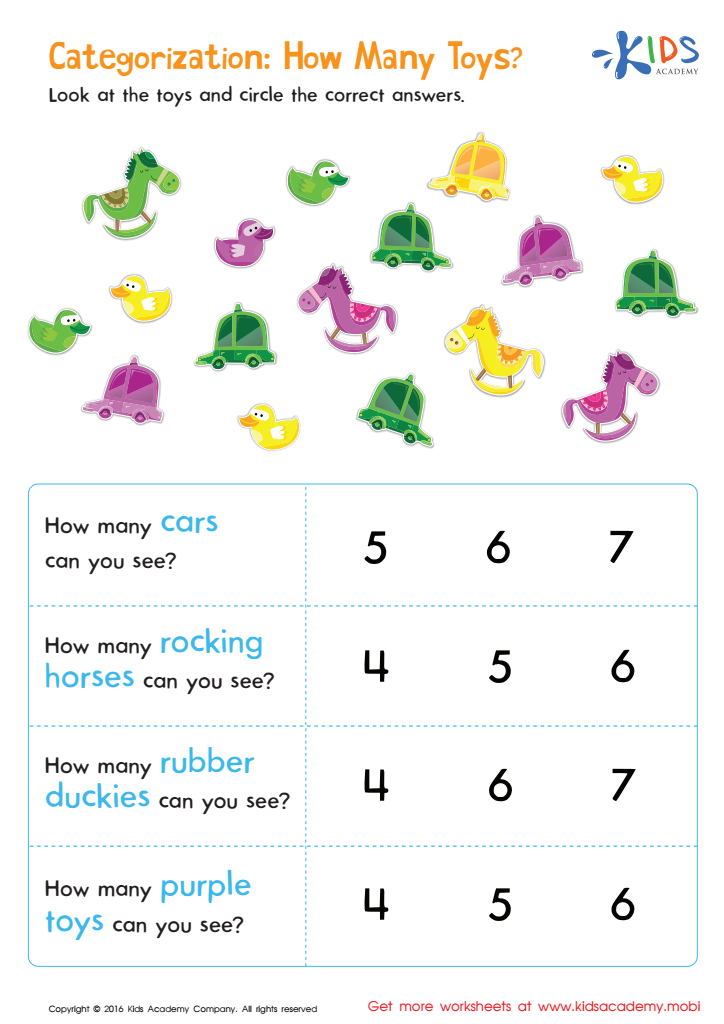
Classifying Toys by Type and Color Sorting Worksheet
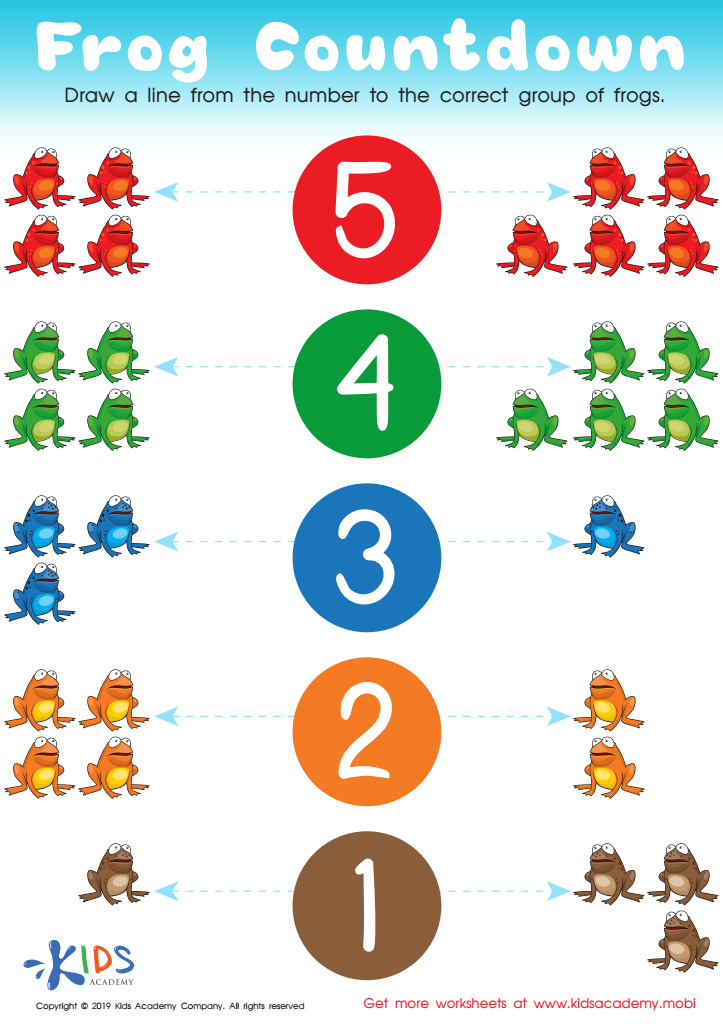
Frog Countdown Worksheet
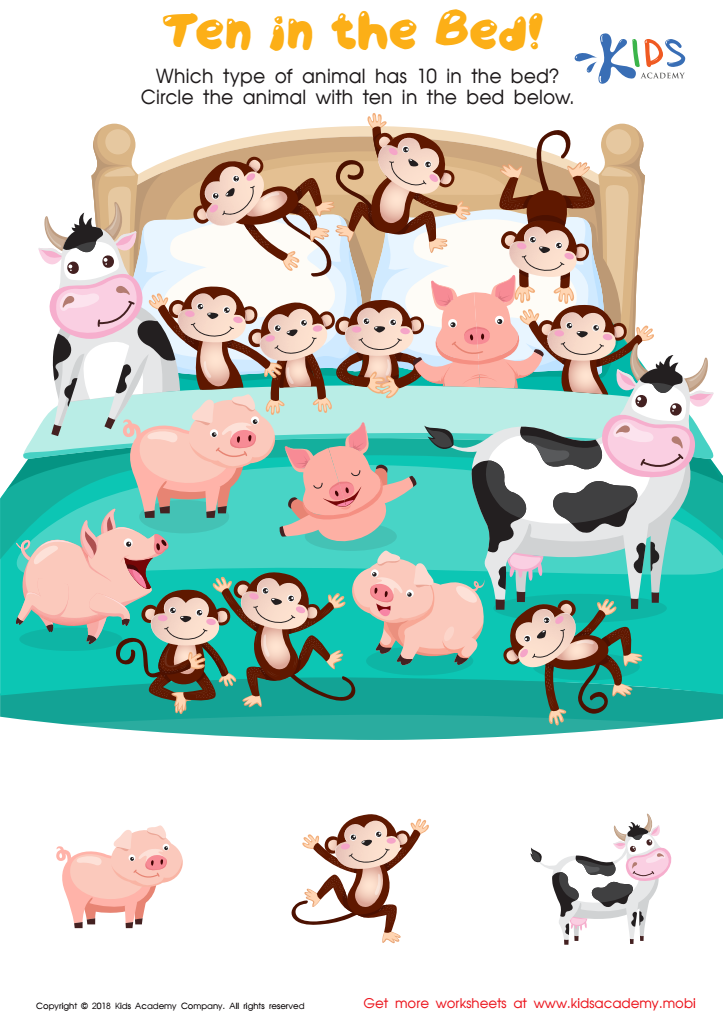
Ten in the Bed Worksheet
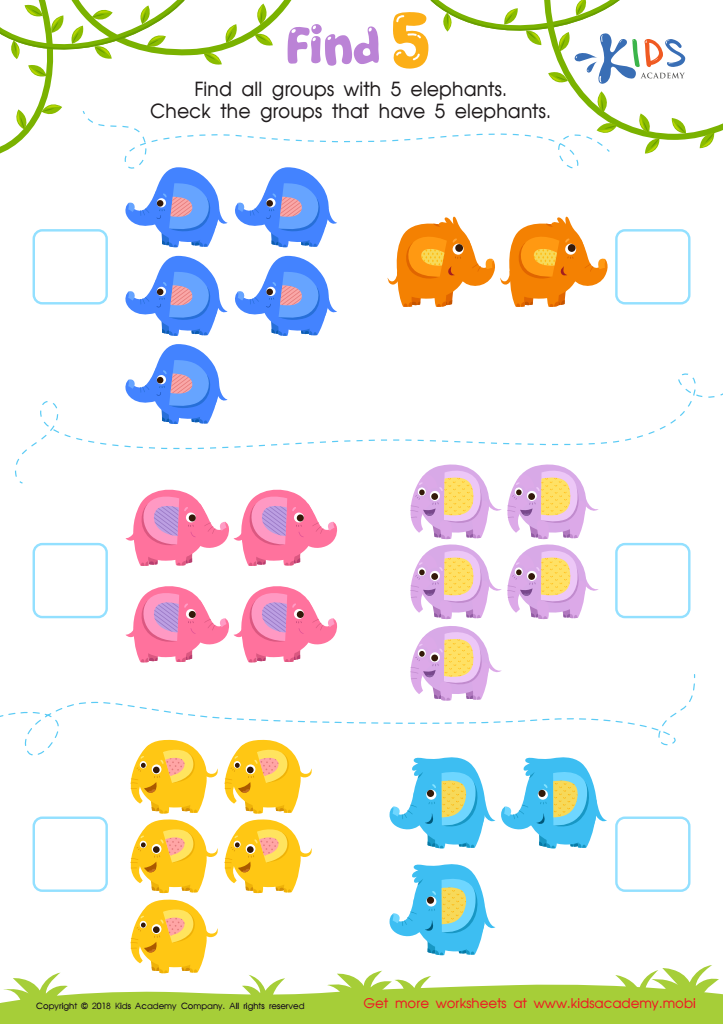
Find 5 Worksheet




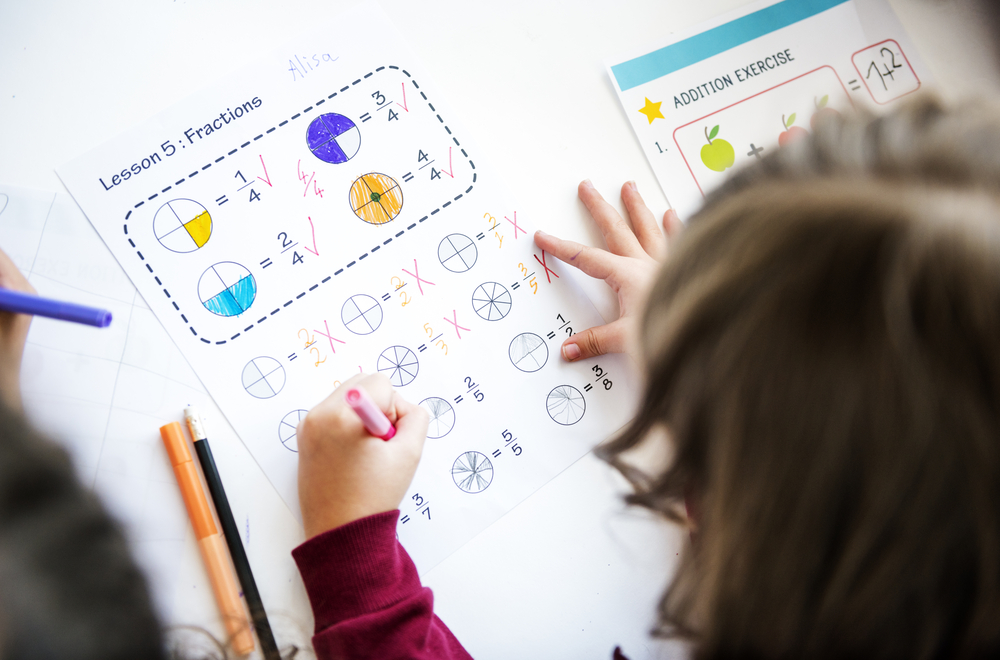



Counting skills and normal matching are foundational elements in early mathematical learning, crucial for children ages 6-7. First and foremost, counting allows children to understand numbers and their order, laying the groundwork for more advanced mathematical concepts. When children can count coherently, they are better prepared to grasp addition, subtraction, and other arithmetic operations.
Matching and counting also foster critical thinking and problem-solving skills. By engaging in matching activities, children learn to identify patterns, make comparisons, and understand relationships between objects or ideas. These cognitive abilities are directly transferable to other areas, including reading comprehension and scientific observation.
Furthermore, counting skills enhance working memory and attention span. Paying attention to detail, following sequences, and recalling numbers strengthen the brain's ability to process and organize information. This cognitive growth supports overall academic achievement and daily functioning.
Socio-emotional development is another important aspect. Successfully mastering counting and matching boosts a child's confidence and encourages a positive attitude towards learning. It provides a sense of accomplishment that can motivate children to tackle new challenges.
In summary, focusing on counting skills and normal matching for young children isn't just about meeting curriculum goals; it enriches their cognitive, social, and emotional development, setting the stage for future academic success and lifelong learning skills.








