Counting practice Normal Place Value Worksheets for Ages 6-7
3 filtered results
-
From - To
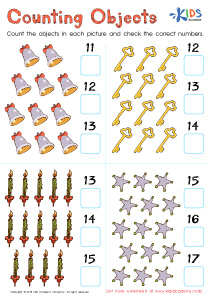
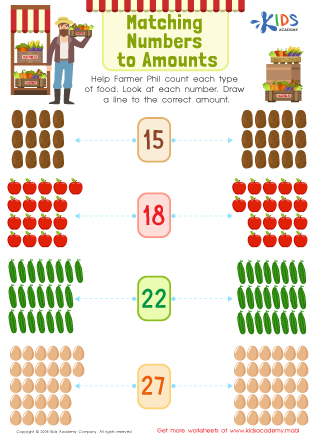
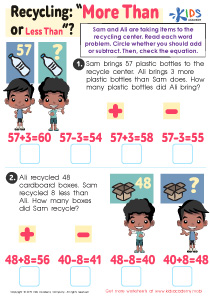
Discover engaging Counting Practice Normal Place Value Worksheets tailored for ages 6-7 on Kids Academy! These expertly designed worksheets help young learners grasp the foundational concept of place value in a fun and interactive way. Perfect for developing mathematical skills, each activity focuses on organizing numbers based on their place values, boosting both confidence and proficiency in counting. Ideal for classroom or at-home practice, these worksheets promote a solid understanding of how numbers work, preparing kids for more advanced math challenges. Enhance your child's numerical abilities with our comprehensive and enjoyable counting practice resources today!
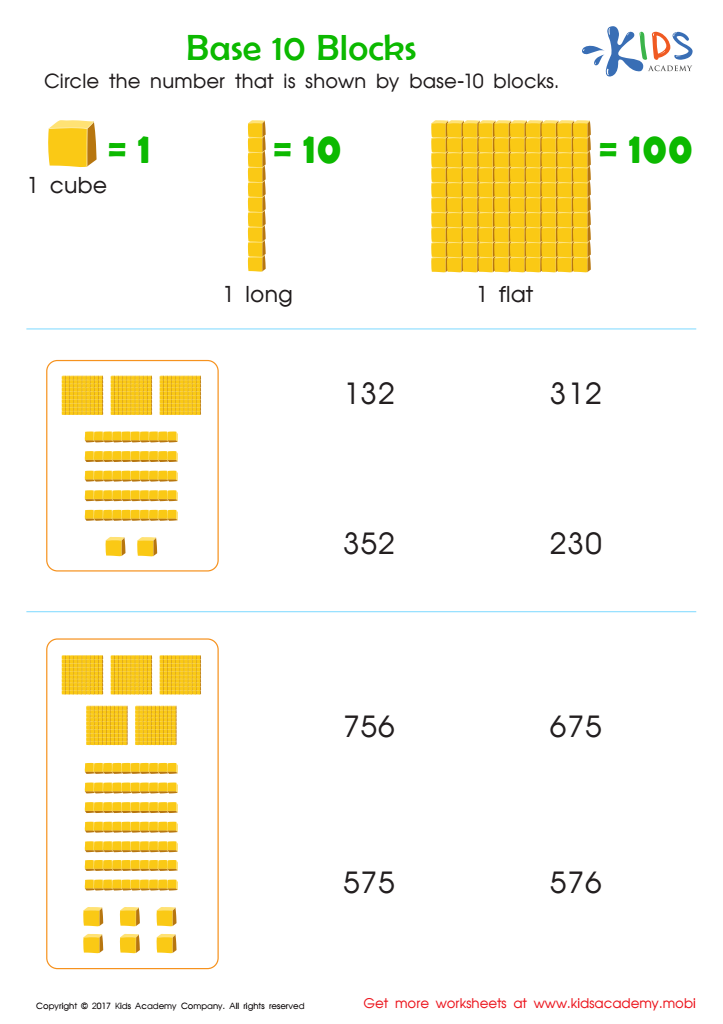
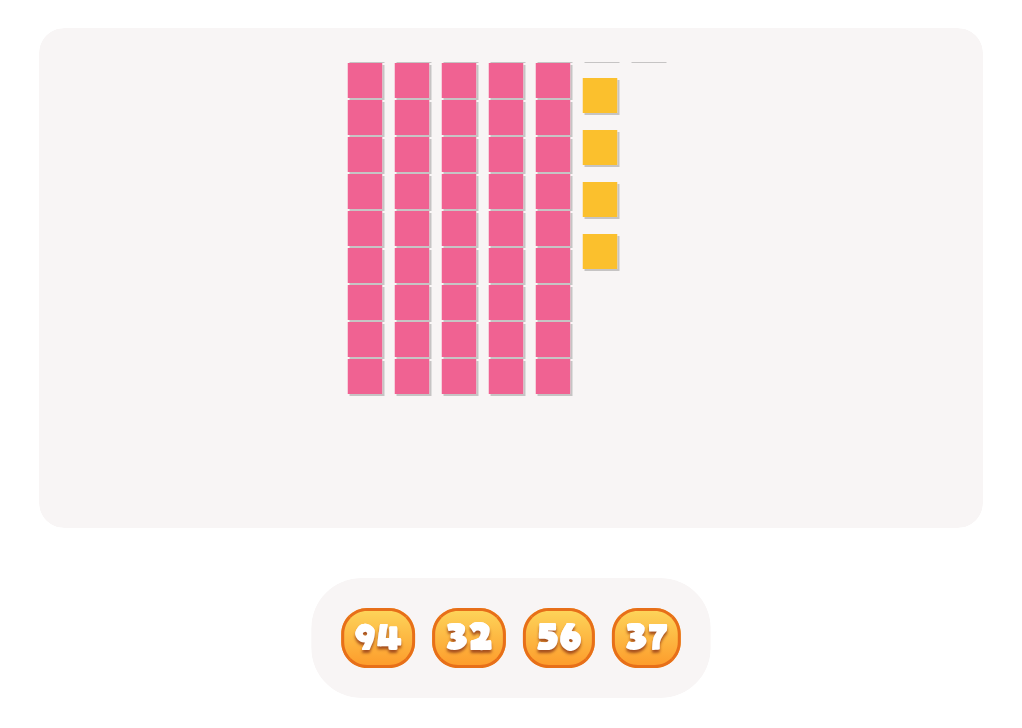
Base Ten Blocks Worksheet
 Assign to My Students
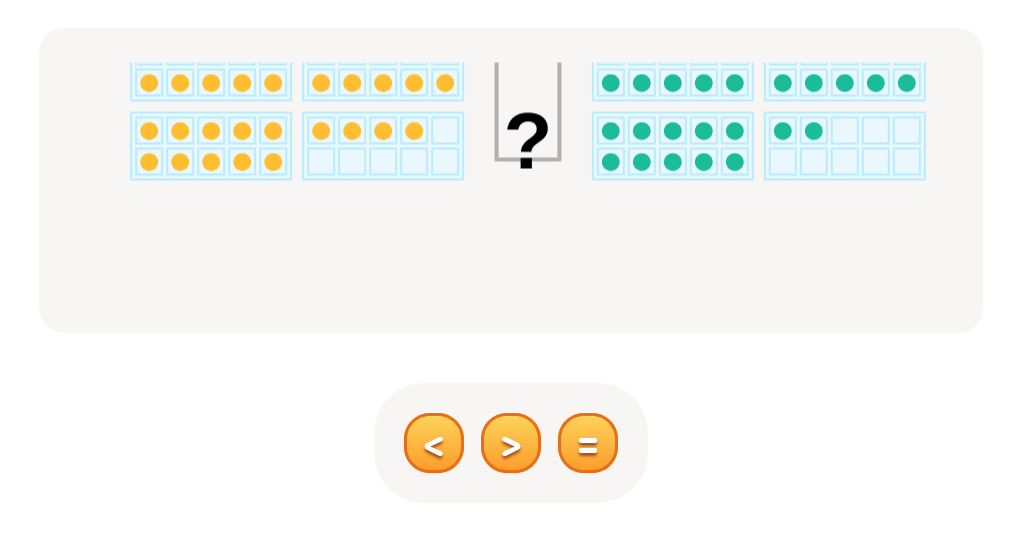

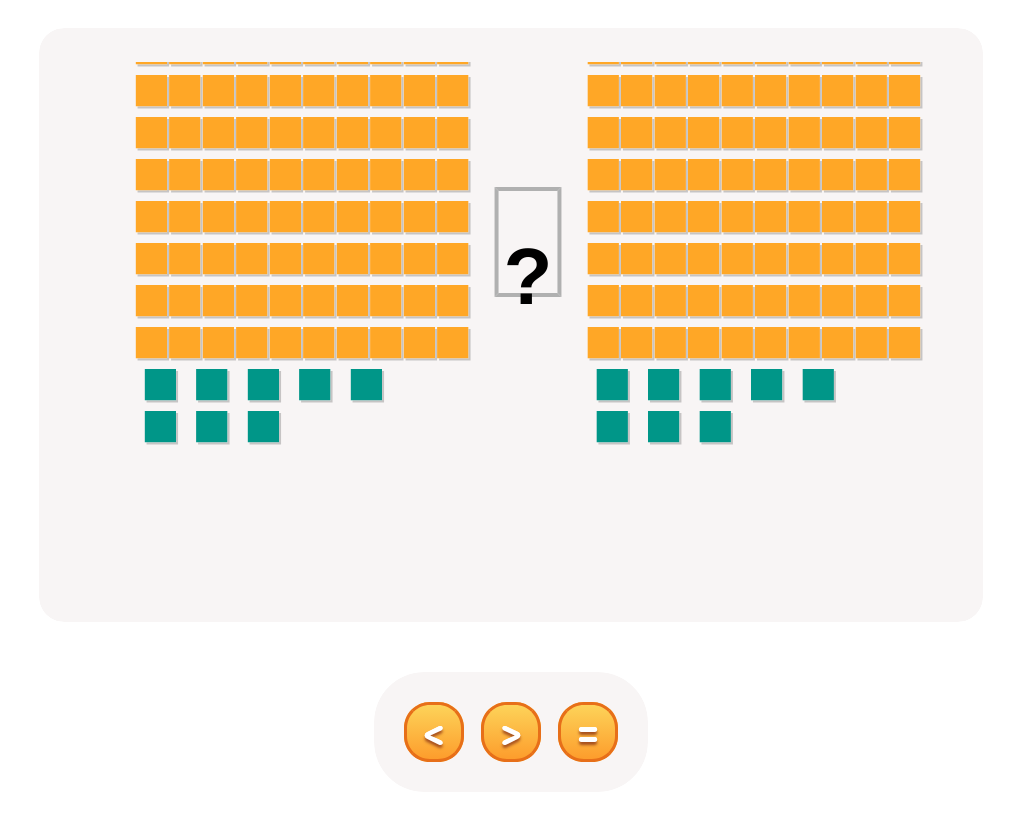
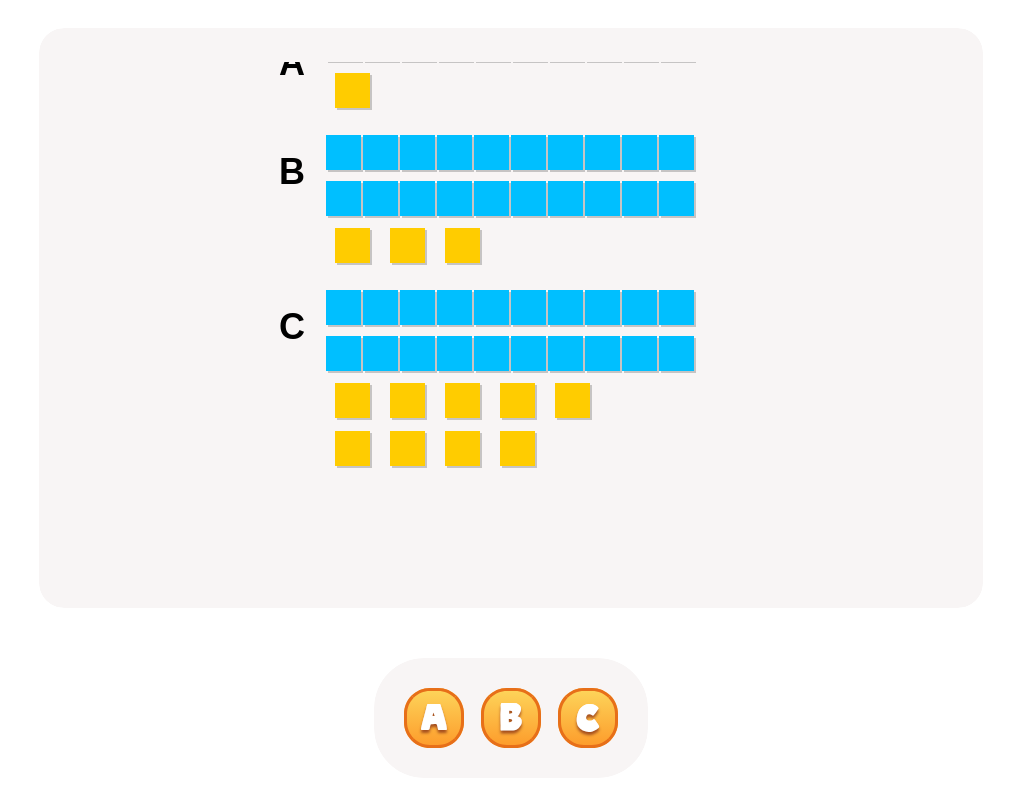
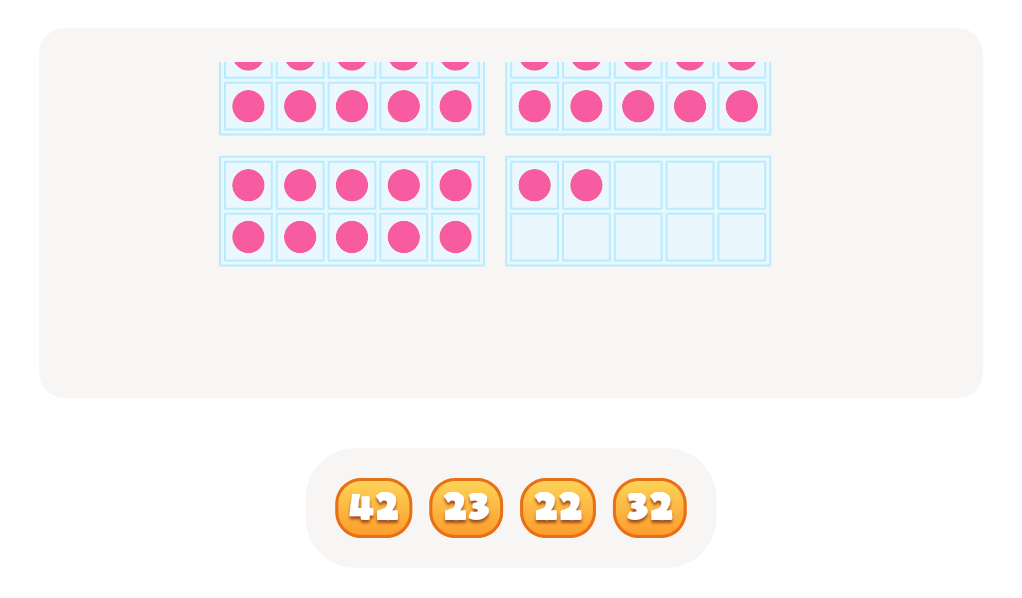
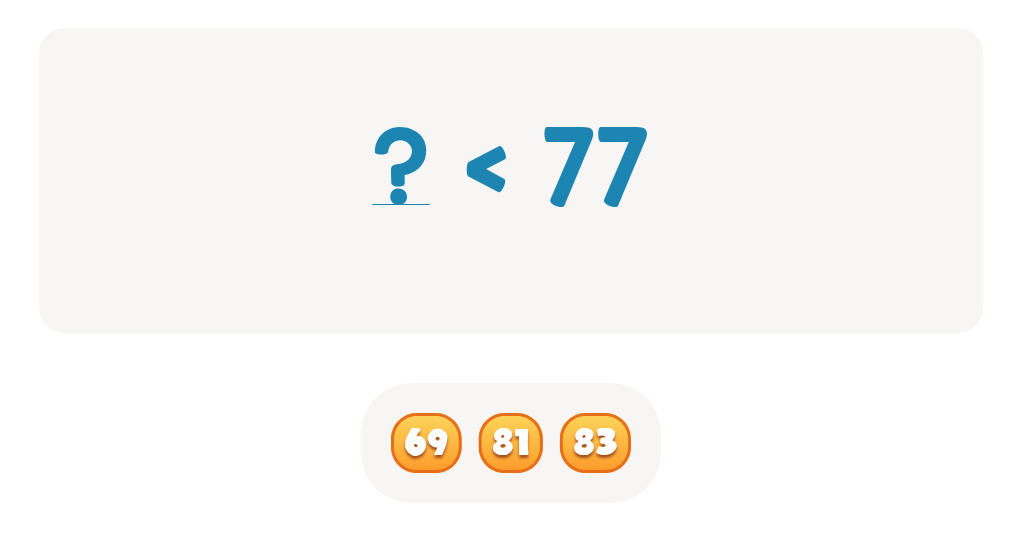
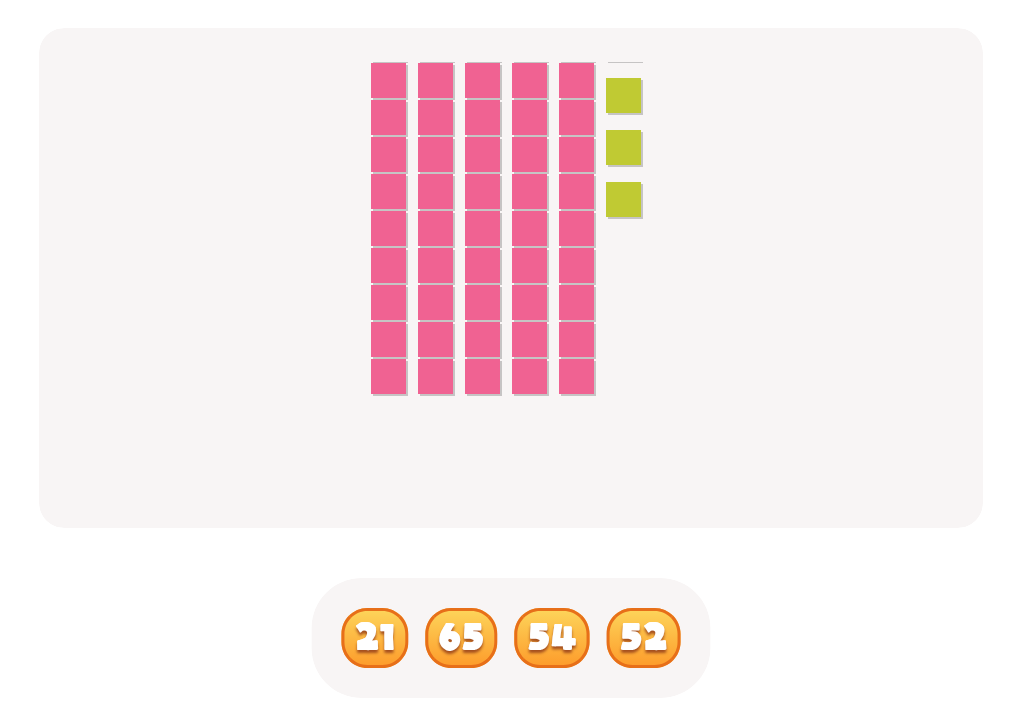
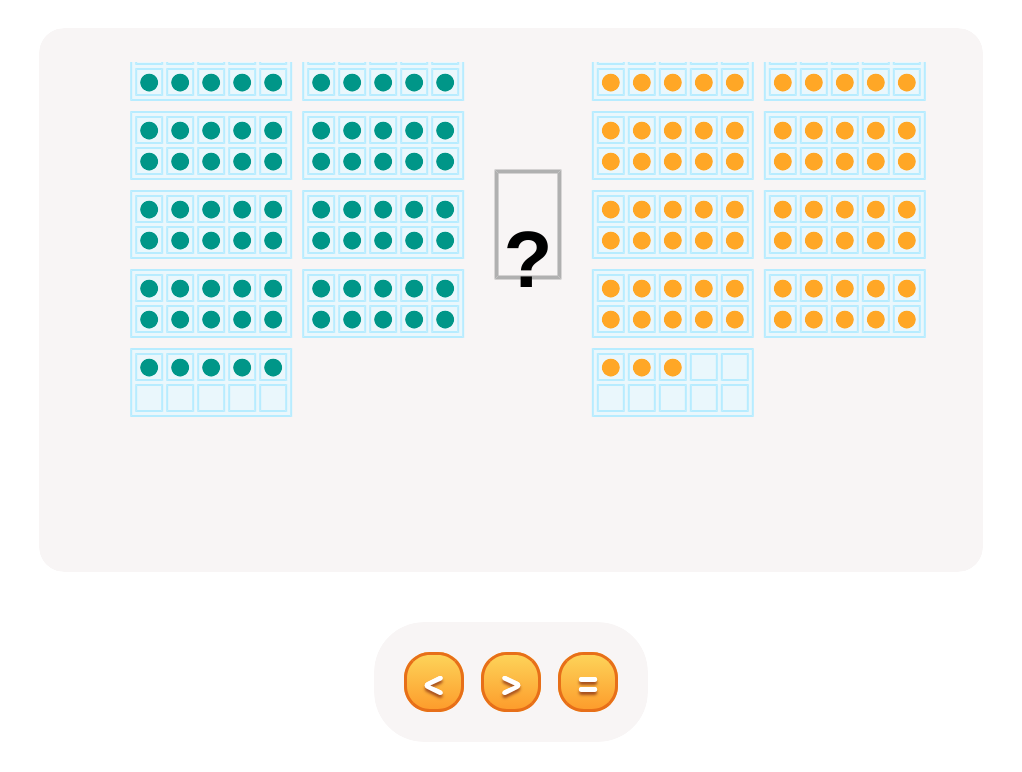
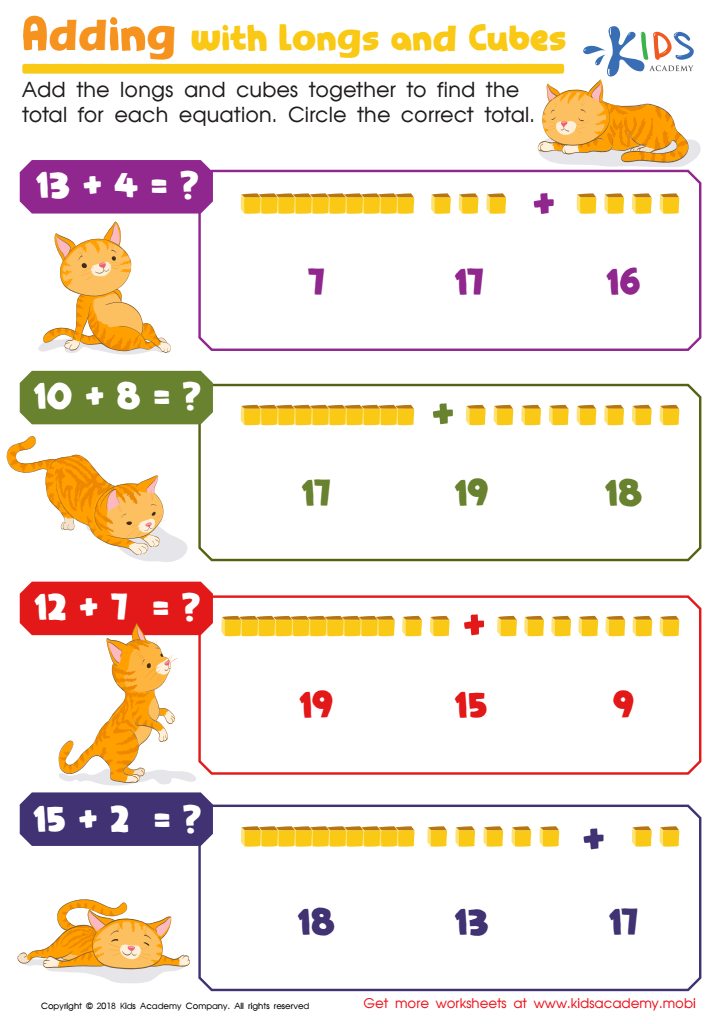
Adding With Longs and Cubes Worksheet
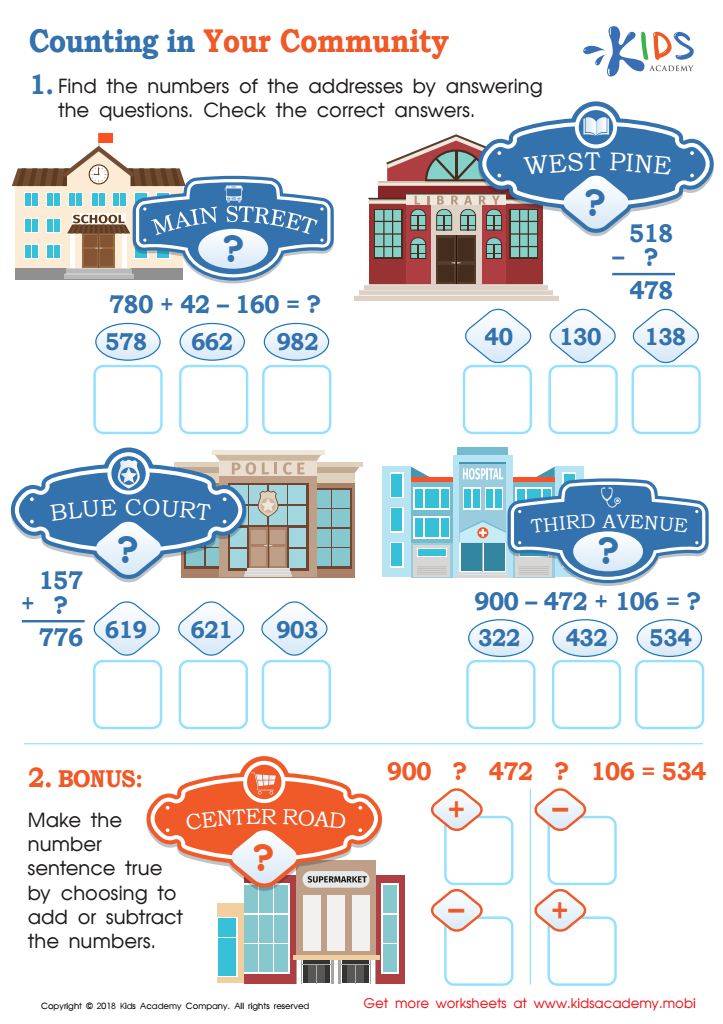
Counting in Your Community Worksheet




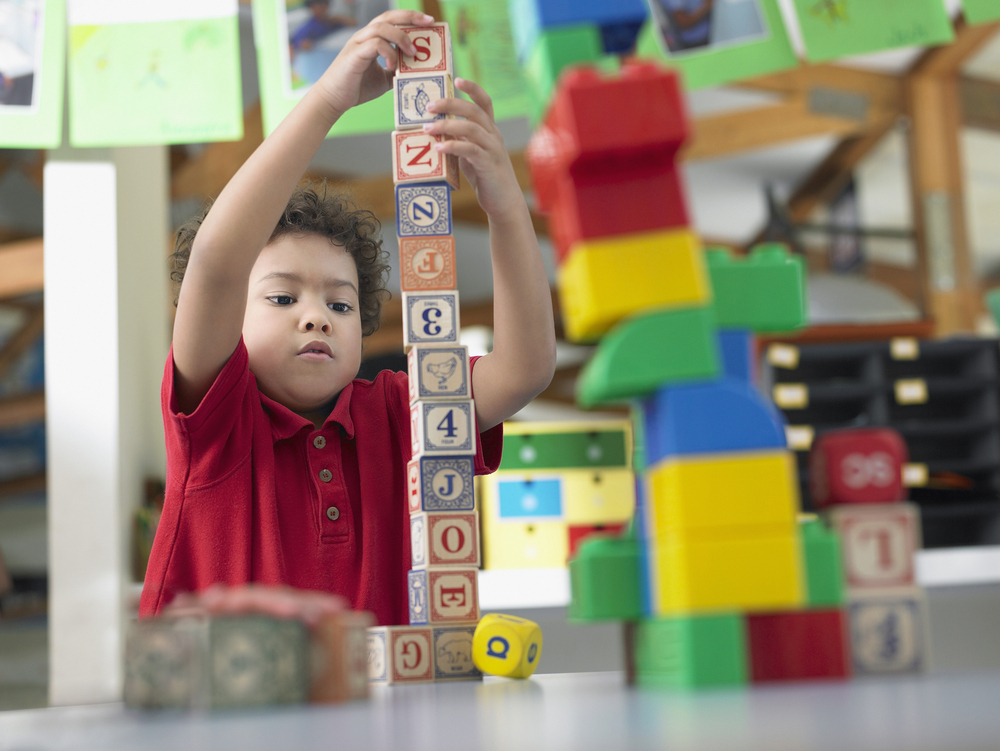


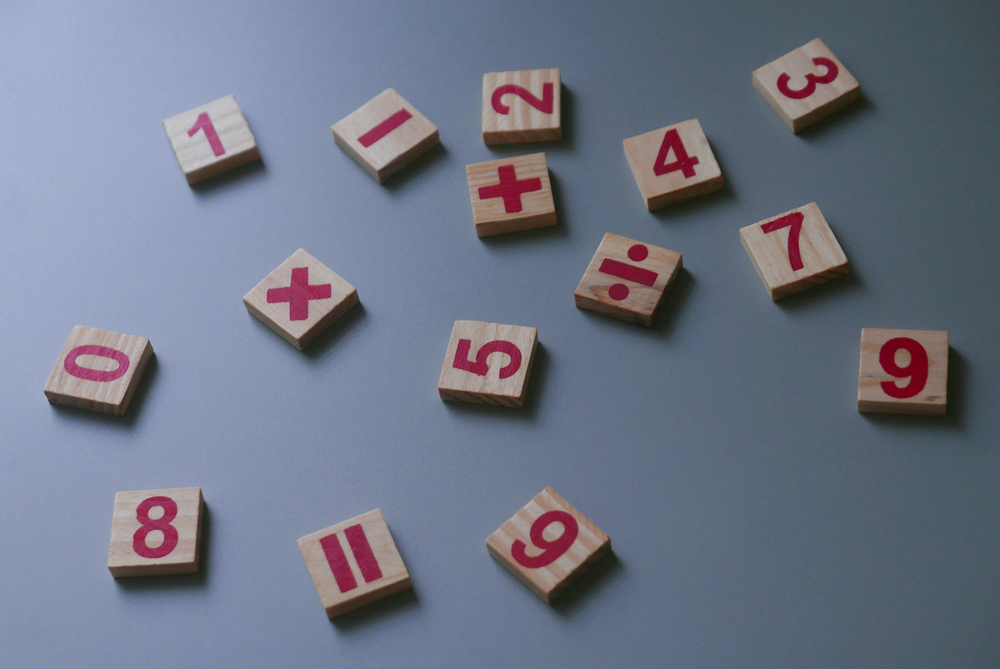
Parents and teachers should pay special attention to counting practice and normal place value for children ages 6-7 because these foundational skills are critical for future mathematical comprehension. At this age, children’s cognitive development is at a stage where they are ready to grasp core concepts that build the basis for more complex operations in math.
Counting practice enhances number sense, which allows children to understand quantity, order, and the relationships between numbers. Mastery in this area helps kids to perform basic arithmetic with ease, such as addition and subtraction, crucial skills for everyday problem-solving and academic success.
Furthermore, understanding place value is essential because it underpins all the decimal system: recognizing that in the number "52," the '5' represents fifty (or 5 tens) and the '2' represents two units (or ones) helps students understand how numbers work and are organized. This knowledge supports efficient calculation methods and paves the way for more advanced topics like multiplication and division.
Ultimately, ensuring strong counting abilities and a solid grasp of place value allows children to approach math with confidence. This positive early interaction with math fosters an enthusiasm for learning and can significantly influence their attitude toward the subject in later years. Engaging in regular practice, through fun and interactive activities, solidifies these concepts and aids in the overall cognitive development of young learners.