Vocabulary expansion Normal Building Vocabulary Worksheets for Ages 6-7 - Page 2
28 filtered results
-
From - To
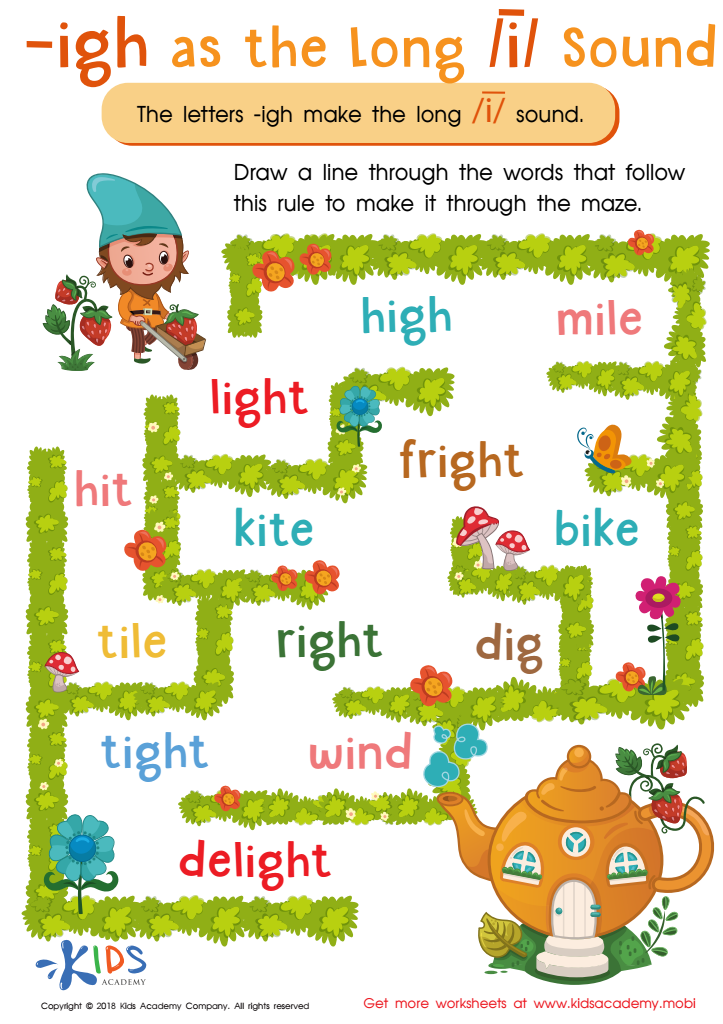
Reading: IGH as Long I Worksheet
 Assign to My Students











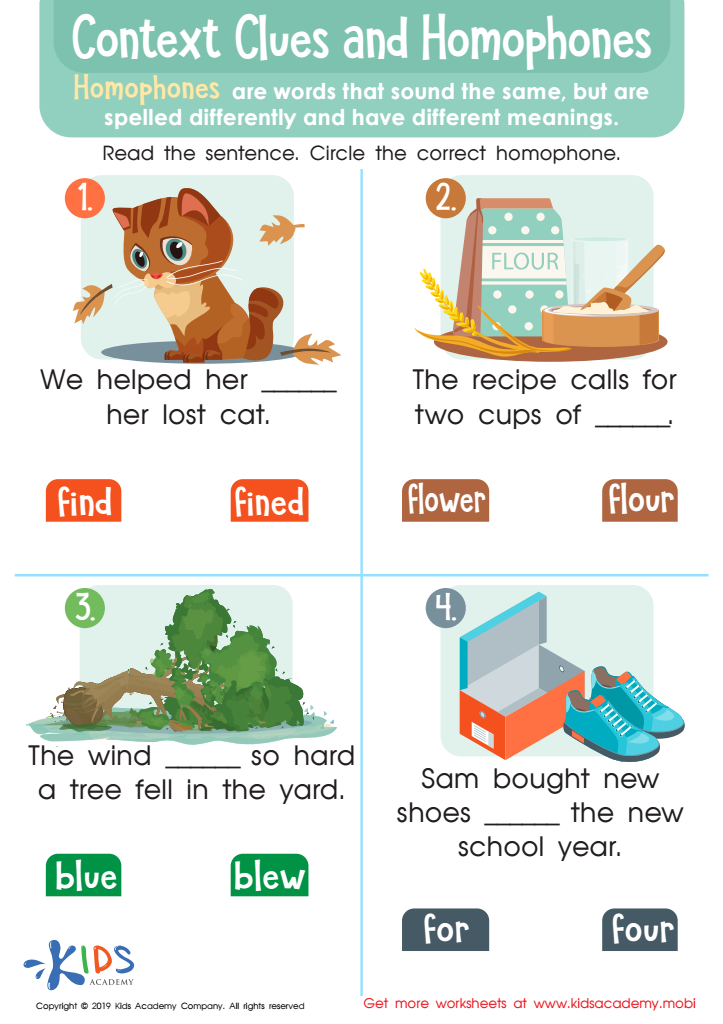
Context Clues and Homophones Worksheet
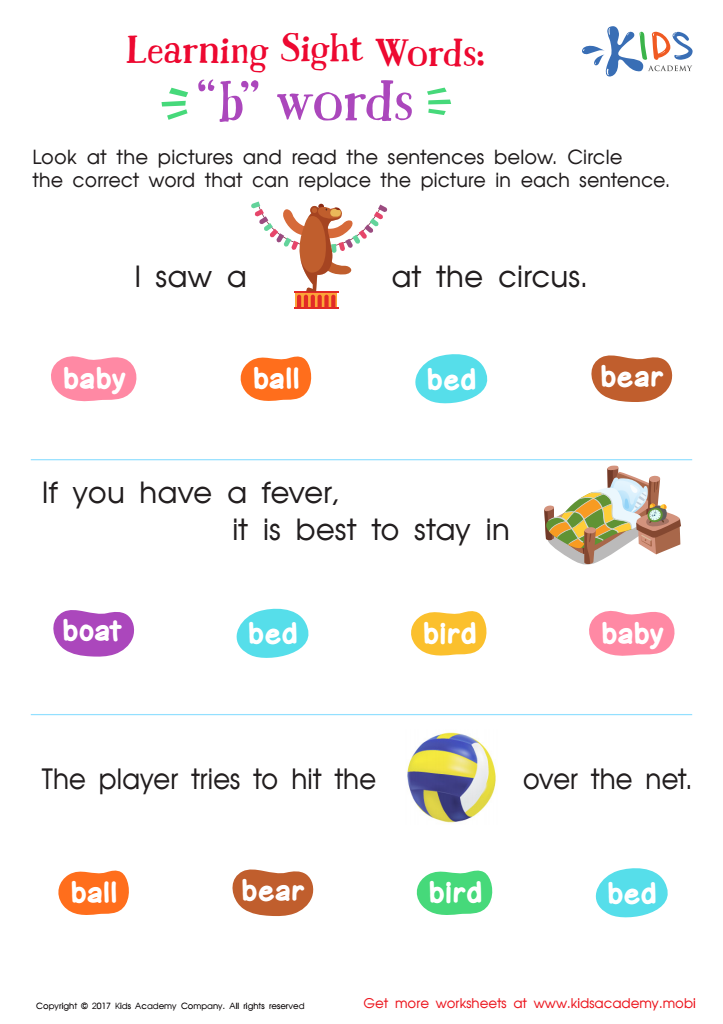
"B" Words Printable Sight Words Worksheet
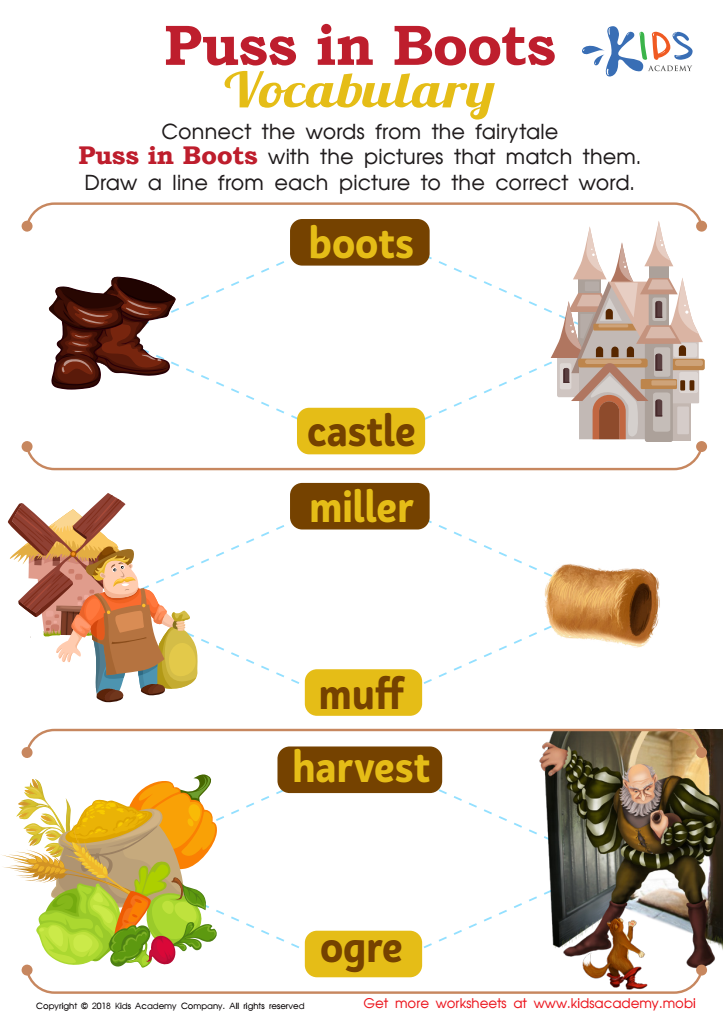
Puss in Boots Vocabulary Worksheet








Vocabulary expansion during the ages of 6-7 is crucial for a child’s overall development, and parents or teachers should prioritize it for several compelling reasons. At this stage, children are in a critical period of language acquisition; their brains are highly receptive to new words and concepts. A rich vocabulary is foundational for academic success, as it directly impacts reading comprehension and writing skills. Children who have better vocabulary knowledge are more likely to understand what they read, express themselves clearly, and perform well in school assessments.
Moreover, vocabulary development enhances social skills and emotional intelligence. The ability to articulate thoughts and feelings helps children to connect with peers, navigate social interactions, and resolve conflicts effectively, contributing to their emotional well-being. Additionally, vocabulary plays a significant role in fostering a child's cognitive abilities; the more words they know, the better they can think critically and interpret their world.
By adopting engaging activities like reading stories, playing word games, and encouraging expressive language use, parents and teachers can effectively support vocabulary growth. Investing time and effort into vocabulary building enables children to thrive academically and socially, paving the way for a successful future.








