Enhance your child's critical thinking skills with our Logical Reasoning Normal Reading Worksheets designed specifically for ages 6-7. These engaging activities help young learners develop essential cognitive abilities through fun and interactive reading exercises. Each worksheet fosters logical thinking, problem-solving, and comprehension skills, making learning enjoyable and effective. Perfect for classroom use or at-home practice, our resources support early literacy development while encouraging creativity and analytical skills. Tailored to suit various learning styles, these worksheets stimulate curiosity and keep children motivated. Explore our collection today and empower your child’s learning journey with worksheets that make reasoning and reading a delightful experience!

Check out this FREE Trial Lesson on Reading for age 6-7!

Summarizing a Text

Favorites
With answer key
Interactive
  • 6-7
  • Logical Reasoning
  • Reading
  • Normal
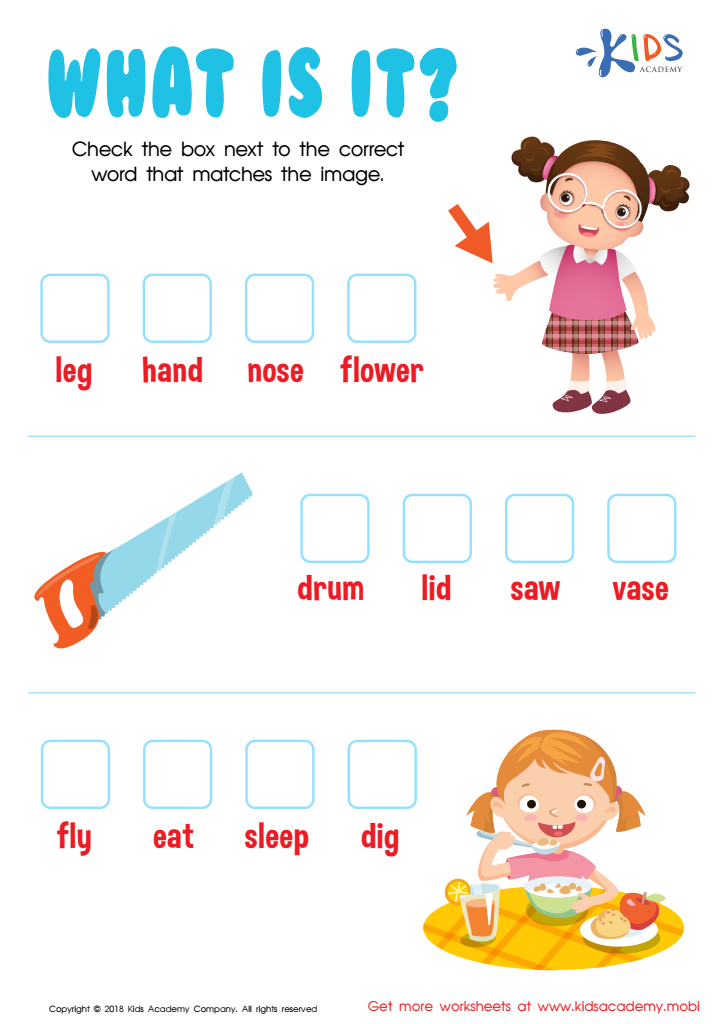
What Is It? Worksheet

What Is It? Worksheet

Test your kids' object recognition skills with this worksheet. Have them identify each picture, then check the box next to the correct word. Point to the image and ask your child what it is; then help them select the correct answer. It's a great way to see how well they can recognize objects from pictures.
What Is It? Worksheet
Worksheet
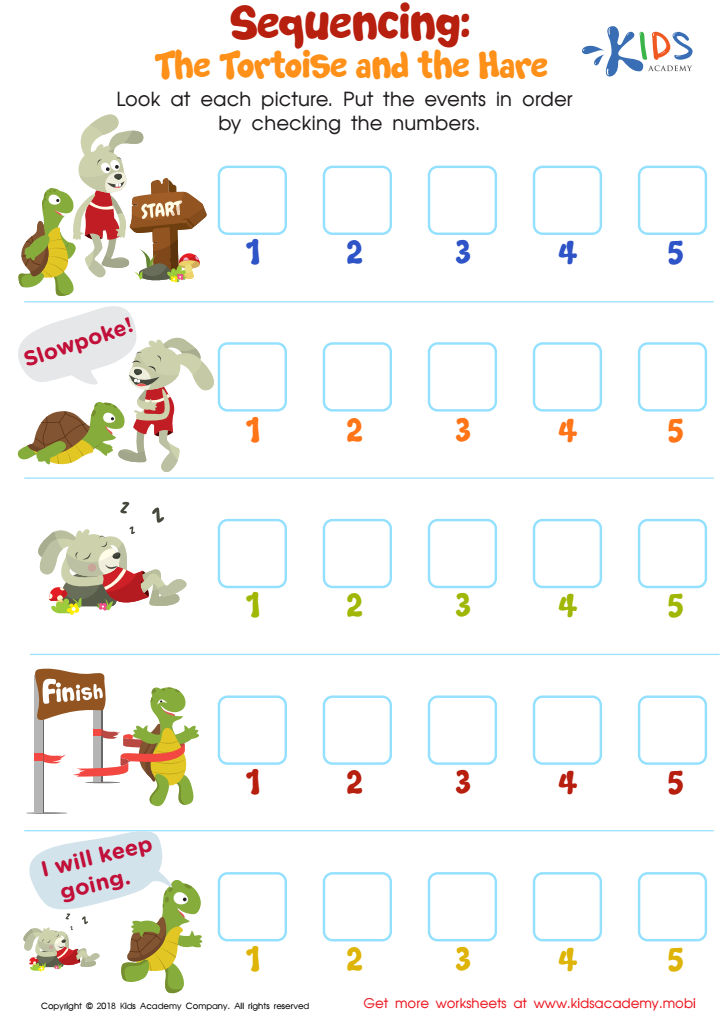
Sequencing: The Tortoise and the Hare Worksheet

Sequencing: The Tortoise and the Hare Worksheet

Help your child become an independent reader and critical thinker with a sequencing worksheet from Kids Academy! Have them read the classic tale of the tortoise and the hare and use the accompanying worksheet to check their understanding of the story's sequence of events. Have kids identify the correct order of events by selecting the box next to the correct number for each image!
Sequencing: The Tortoise and the Hare Worksheet
Worksheet
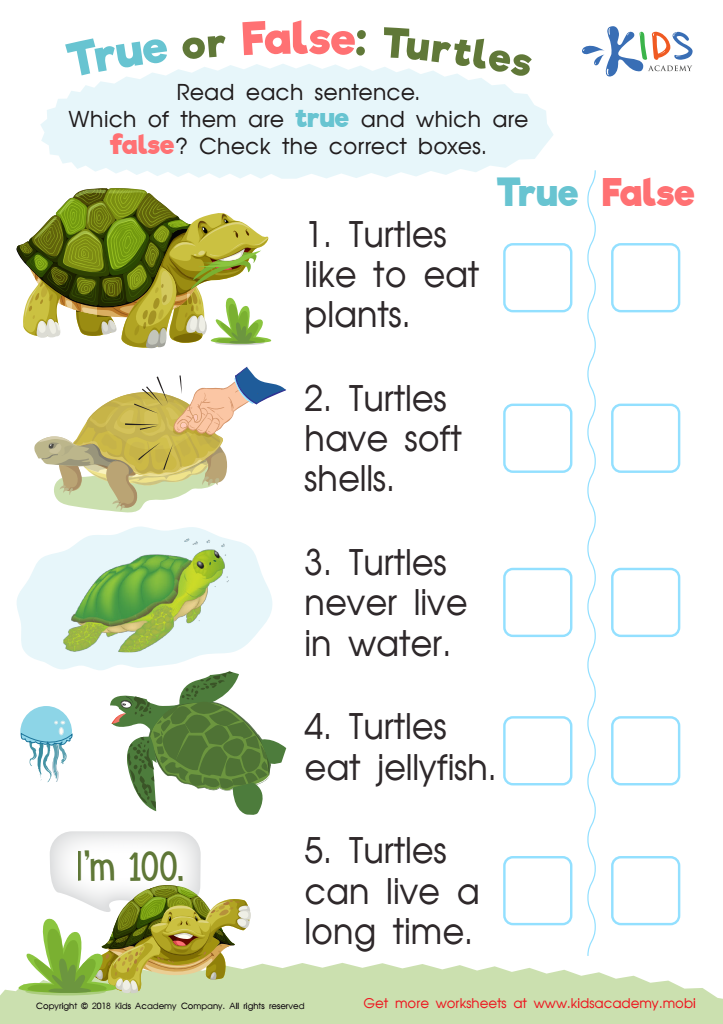
True or False: Turtles Worksheet

True or False: Turtles Worksheet

Print this free downloadable worksheet to strengthen your child's reading comprehension. Assist them to read each sentence and recall facts about turtles. Check true or false for each statement to verify their knowledge. Perfect for early learners!
True or False: Turtles Worksheet
Worksheet
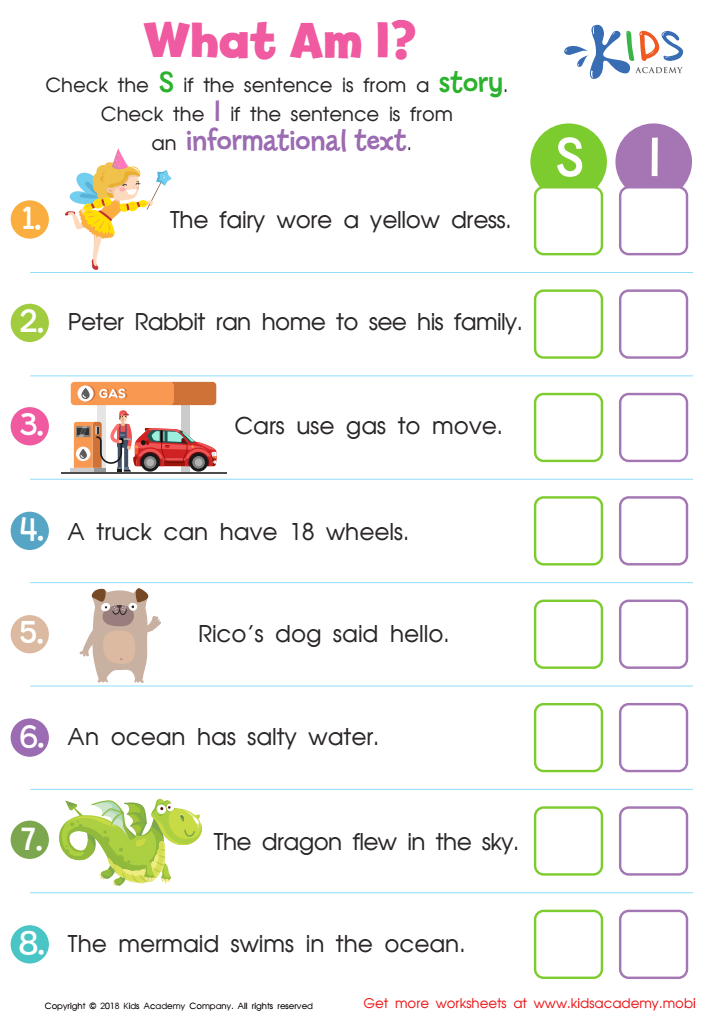
What Am I? Worksheet

What Am I? Worksheet

This worksheet assesses students' ability to differentiate between stories and texts they read for facts. Students learn to distinguish between reading for pleasure and reading for information. It includes statements from both a story and an informational text, and students must decide what type of text it is.
What Am I? Worksheet
Worksheet
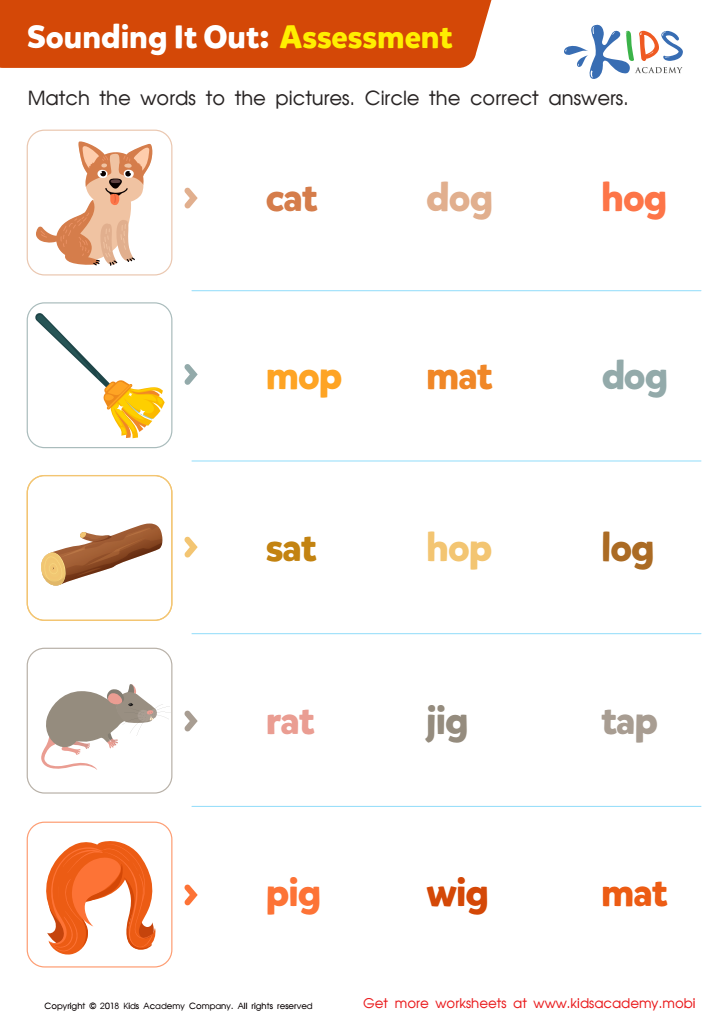
Sounding it Out: Assessment Worksheet

Sounding it Out: Assessment Worksheet

Give your little learner a fun challenge with this downloadable worksheet! With pictures to guide them, have them name the images and then sound out the words in the same row. Be careful though, as they all contain the same amount of similarly sounding letters. Once the correct word has been found, have them circle it!
Sounding it Out: Assessment Worksheet
Worksheet
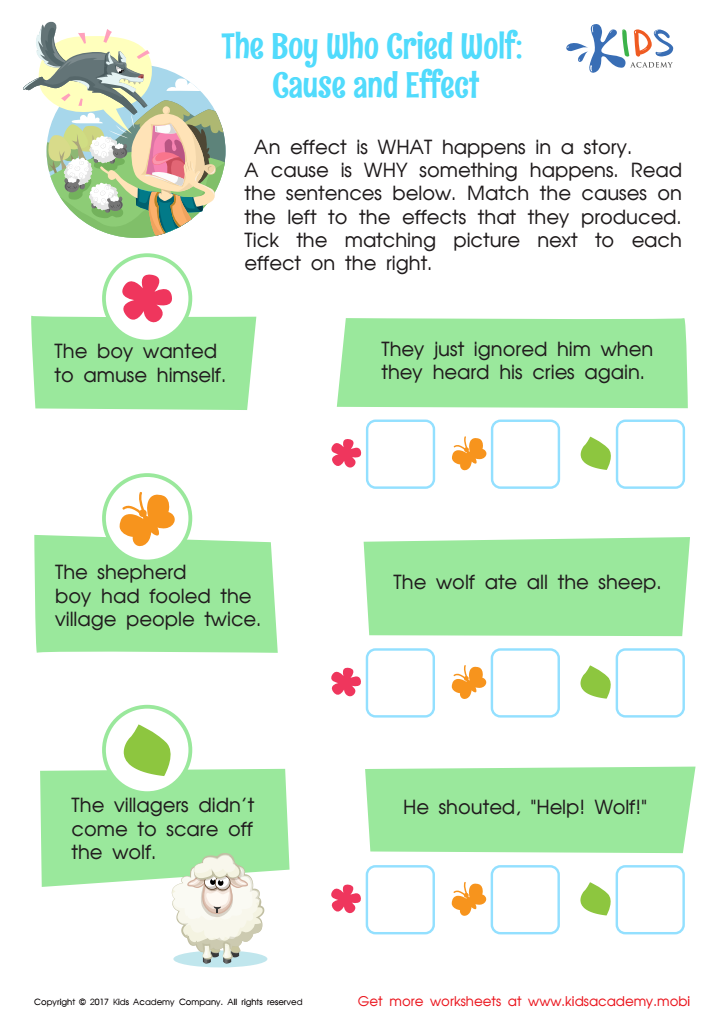
The Boy Who Cried Wolf: Cause and Effect

The Boy Who Cried Wolf: Cause and Effect Worksheet
With classic stories and fables, learning reading comprehension is easy - and fun!
The Boy Who Cried Wolf: Cause and Effect Worksheet
Worksheet
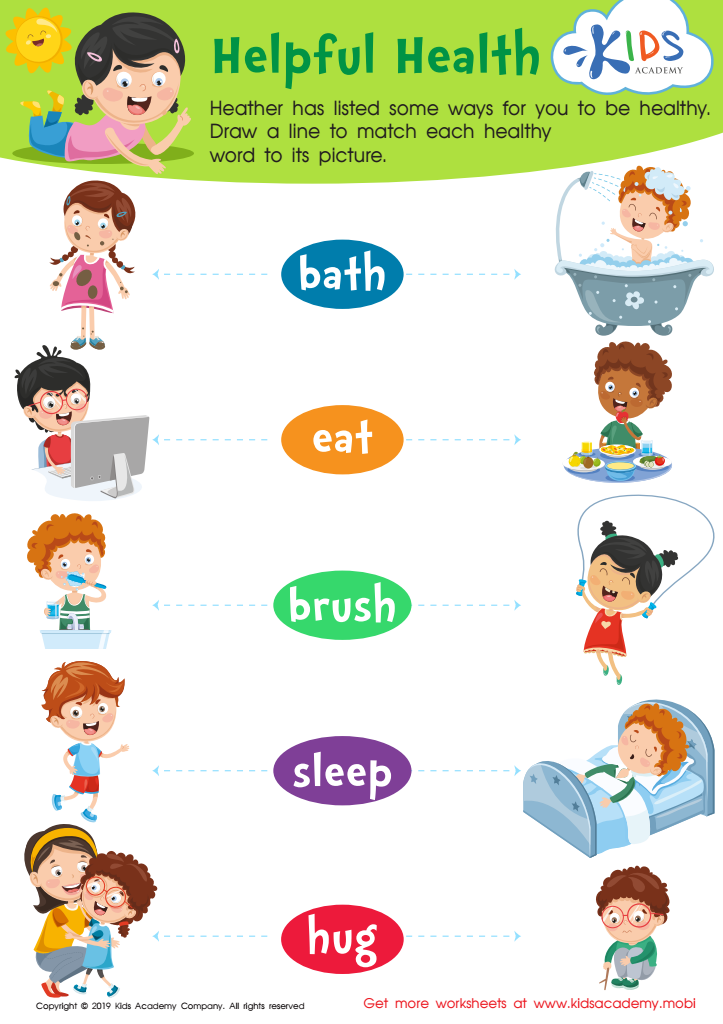
Helpful Health Worksheet

Helpful Health Worksheet

Kids can learn healthy habits with this free worksheet! With their pal Heather, they'll trace lines to connect health words with pictures like brushing teeth, hugging, and getting enough sleep. It's a great way to help young ones understand healthy activities.
Helpful Health Worksheet
Worksheet


Parents and teachers should prioritize Logical Reasoning Normal Reading for ages 6-7 because it plays a crucial role in cognitive and language development. At this age, children are highly receptive to learning, and engaging with logical reasoning crafts their ability to think critically and solve problems effectively. Through structured reading activities that emphasize logical relationships, children learn to understand sequences, cause and effect, and make inferences—skills that are essential as they advance in academics.

Furthermore, fostering logical reasoning enhances a child's comprehension when they encounter texts, enabling them to interpret messages and themes better. This foundational skill also contributes to effective communication, as children learn to construct their thoughts and express them clearly.

Besides academic benefits, developing logical reasoning at this age supports social-emotional learning. Children who can reason and justify their opinions are often better equipped to navigate peer interactions and conflicts, fostering resilience and empathy.

In essence, investing attention in Logical Reasoning Normal Reading helps children build essential skills that lay the foundation for lifelong learning and character development. Parents and teachers play a collaborative role in nurturing these abilities, ensuring that children are set for success inside and outside the classroom.