Enhancing Reading Comprehension Normal Reading Comprehension Worksheets for Ages 6-7
4 filtered results
-
From - To
Unlock your child's reading potential with our "Enhancing Reading Comprehension Normal Reading Comprehension Worksheets for Ages 6-7". These expertly designed worksheets focus on helping young readers sharpen their comprehension skills using a variety of engaging texts and thoughtful questions. By tackling age-appropriate passages, children can improve their ability to understand and recall story elements, grasp key details, and make predictions. Our worksheets provide a structured yet fun way to cultivate critical thinking and sustain a lifelong love for reading. Ideal for both classroom and home use, these resources are a perfect addition to any early literacy curriculum.
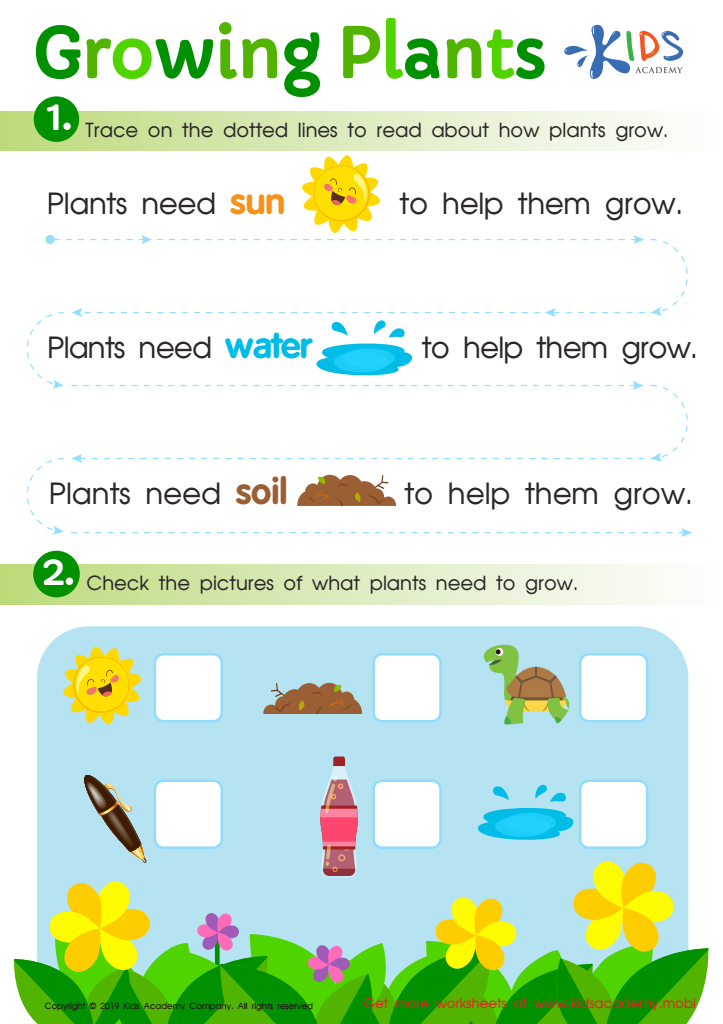
Growing Plants Worksheet
 Assign to My Students
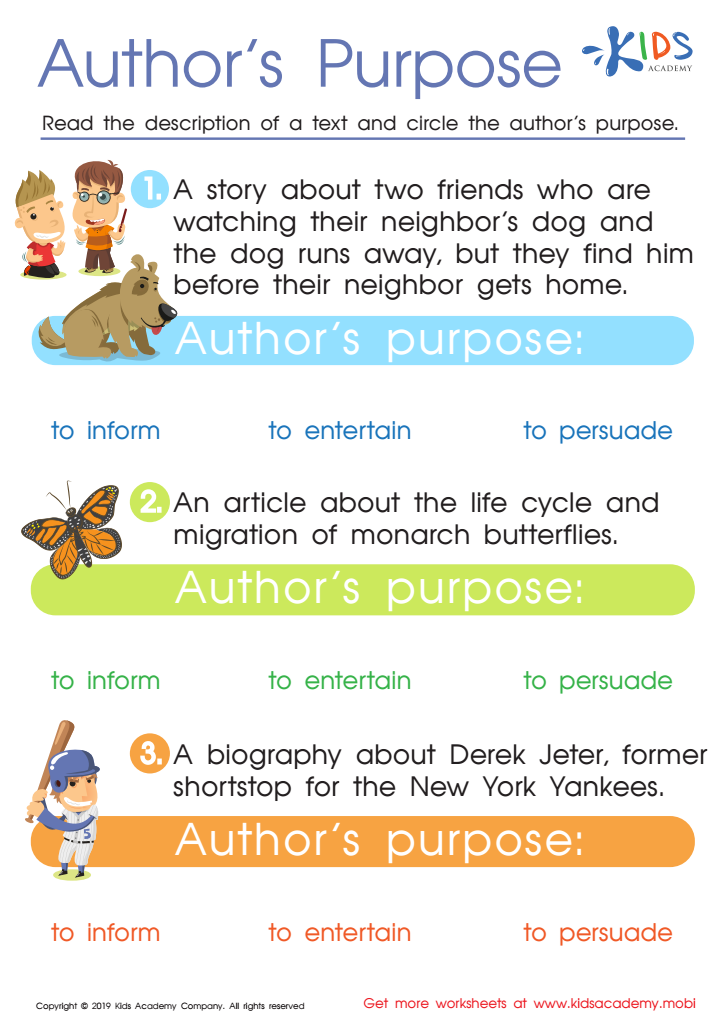
Author's Purpose Worksheet
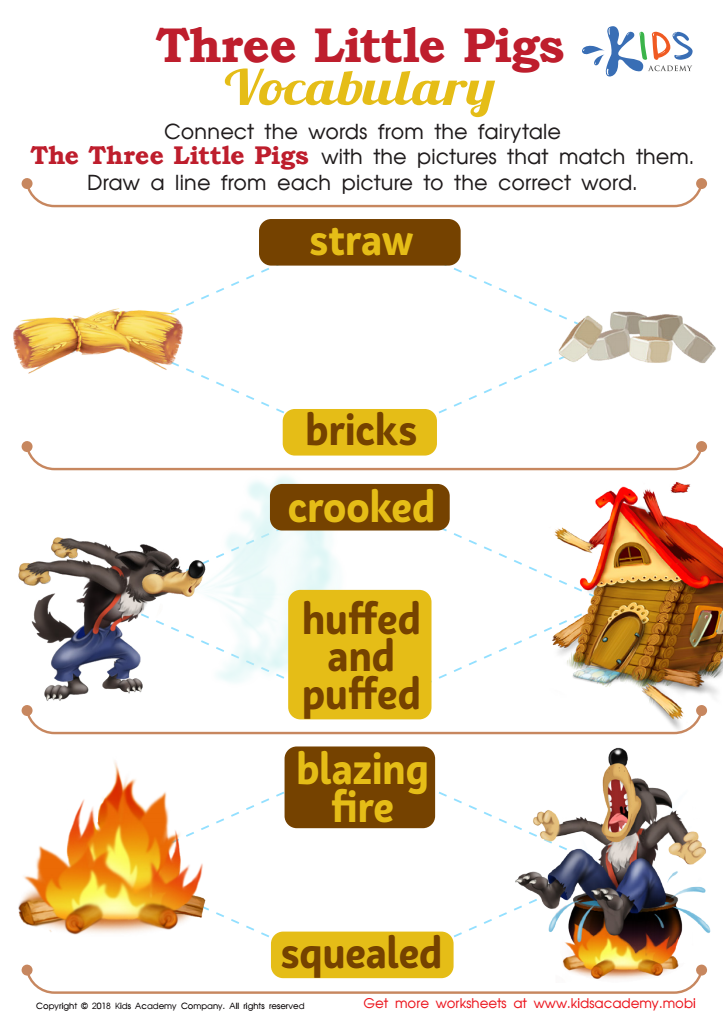
Three Little Pigs Vocabulary Worksheet
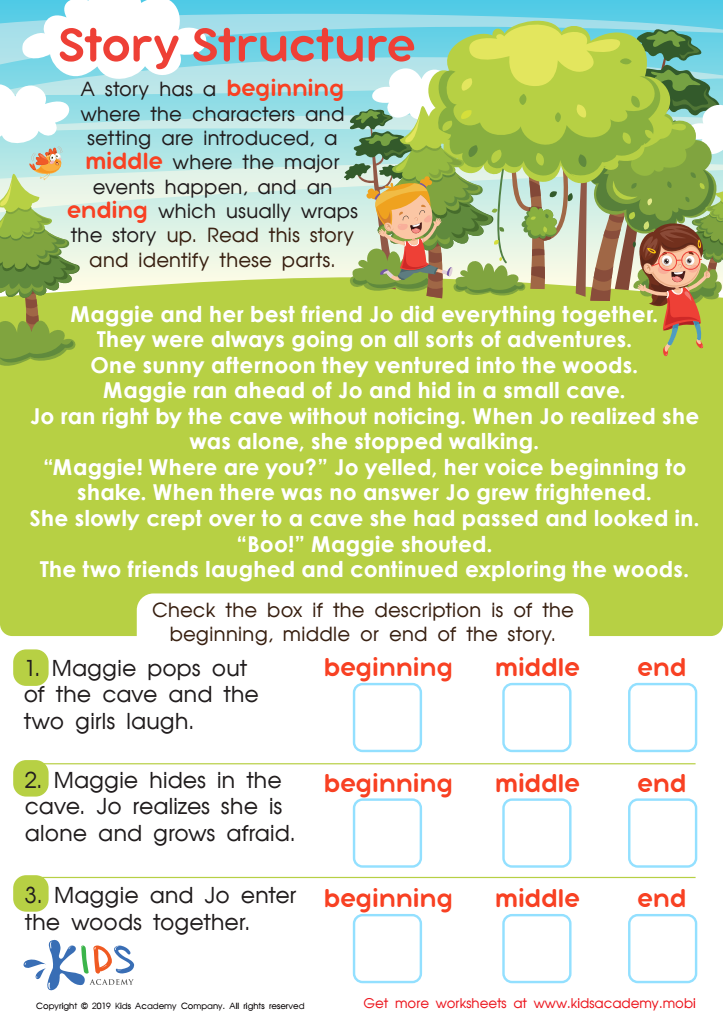
Story Structure Worksheet








Enhancing reading comprehension in children ages 6-7 is crucial as it lays the groundwork for their overall learning and academic success. At this age, children transition from "learning to read" to "reading to learn." Strong reading comprehension skills help them grasp the information they read, make connections, and develop critical thinking.
For parents, focusing on reading comprehension means creating an enriching home environment that fosters a love for reading early on. Activities like reading stories together, discussing the plot, and asking questions about the characters and settings can significantly improve their child's ability to understand and engage with texts, improving cognitive skills and building a solid literacy foundation.
For teachers, prioritizing reading comprehension is vital in the classroom. Comprehension skills enable students to progress across all subjects, including math, science, and social studies, as it is necessary to understand and interpret text instructions, problem statements, and informational content. Implementing interactive reading activities, such as group discussions, storytelling, and question-posing, can turn reading into an engaging and enlightening process for children.
Ultimately, enhancing reading comprehension at an early age equips children with the tools they need to succeed academically and think critically about the world around them. It encourages lifelong learning, curiosity, and self-efficacy – empowering them to reach their full intellectual potential.








