Vocabulary enhancement Normal Reading Comprehension Worksheets for Ages 6-7 - Page 2
27 filtered results
-
From - To
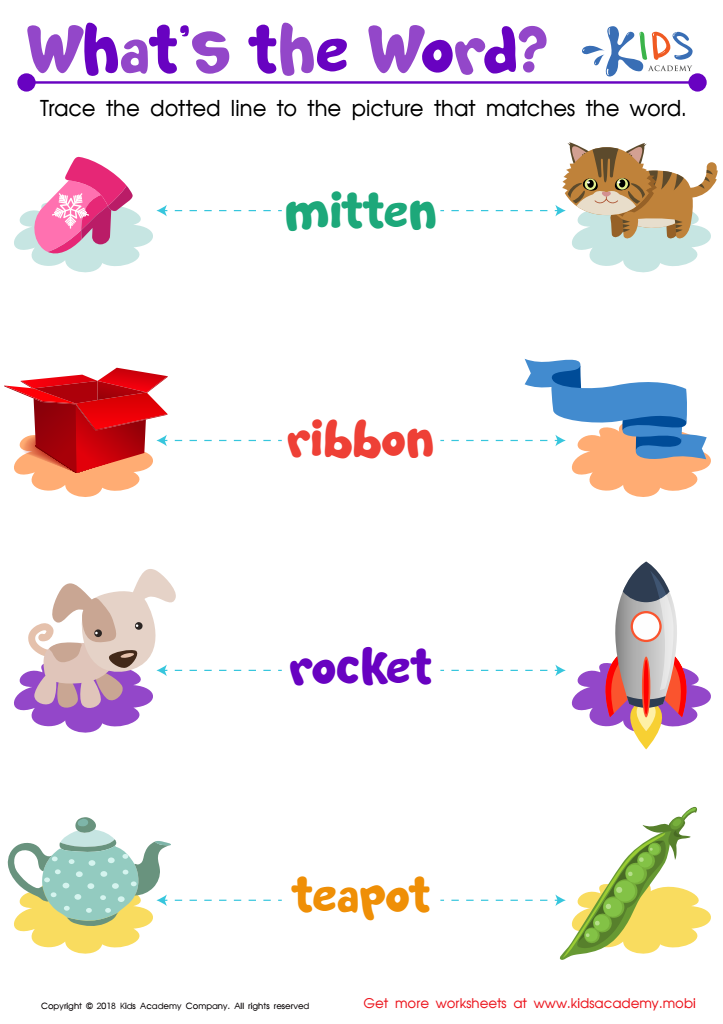
Reading: What's Word Worksheet
 Assign to My Students
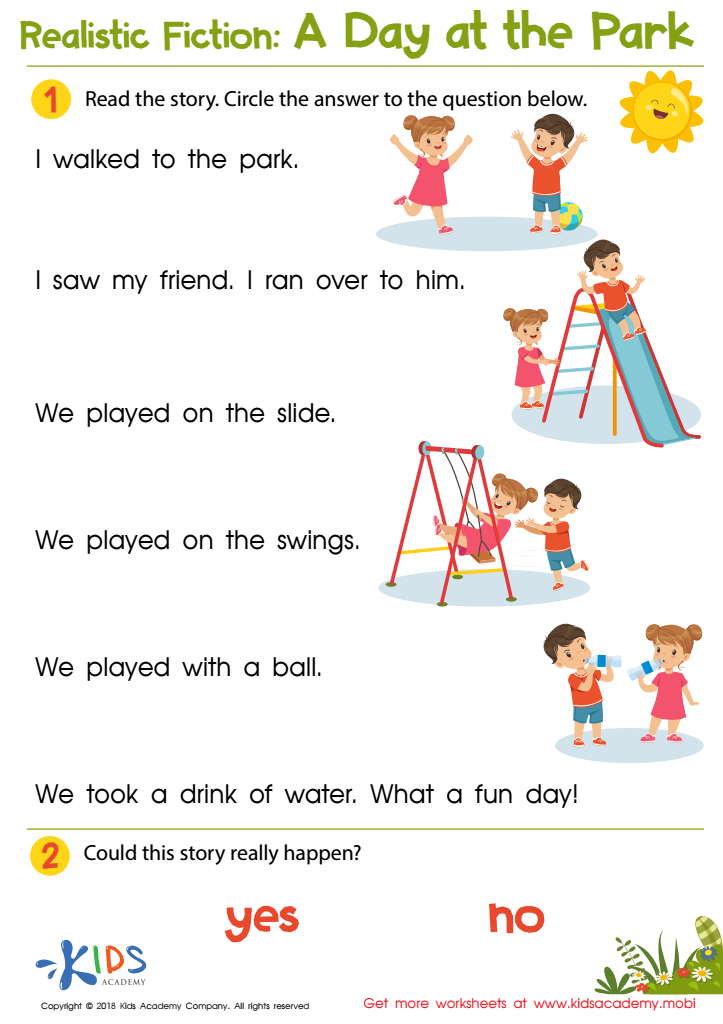
A Day at the Park Worksheet
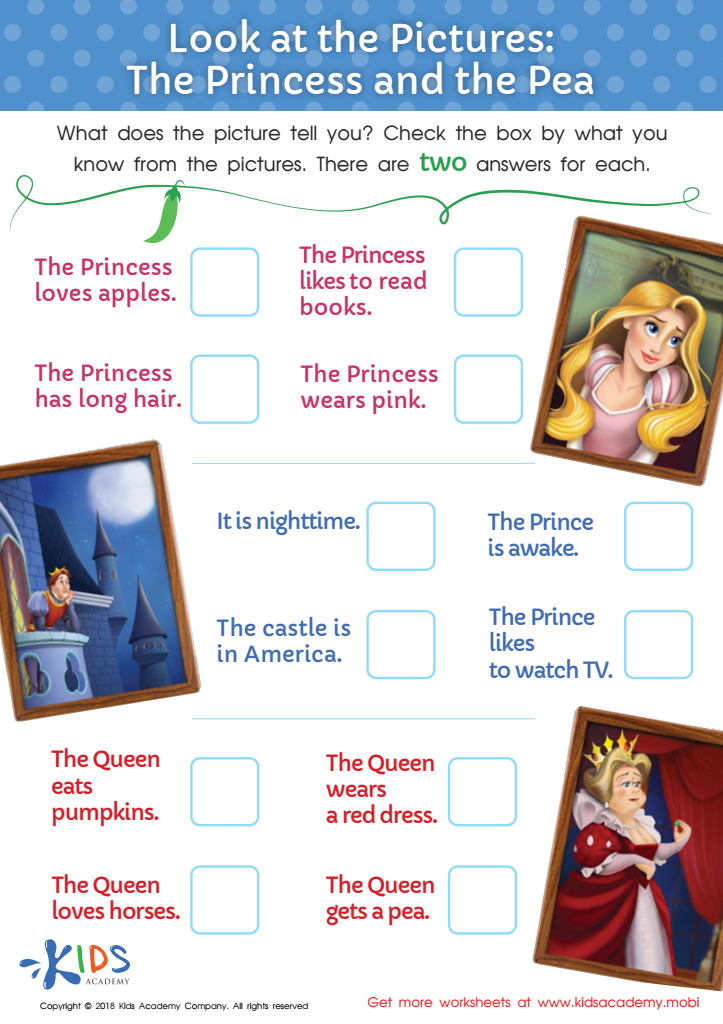
Look at the Pictures: The Princess and the Pea Worksheet




.jpg)



Vocabulary enhancement and normal reading comprehension are crucial for children ages 6-7 as they form the foundation for future learning and academic success. At this stage, children transition from basic decoding skills to more complex reading, making it imperative to foster these abilities early on. A rich vocabulary empowers children to understand what they read, express their thoughts more clearly, and engage in meaningful conversations. This early development not only aids in reading comprehension but also boosts general cognitive abilities.
Furthermore, children with strong vocabulary and reading skills are more likely to succeed in other subjects. Science, math, and social studies often come with their own sets of specialized terms, which are easier to grasp with a strong vocab base. Enhanced vocabulary also improves writing skills, enabling students to better articulate their ideas and produce higher-quality work.
Curriculum-focused, age-appropriate reading strategies can make learning enjoyable and less overwhelming for young readers, thereby instilling a love of learning and reading. Parents and teachers who actively promote vocabulary and comprehension development contribute to a child's overall confidence and enthusiasm for learning. Missing out on this critical developmental period can set a precedent for future academic challenges, so it is wise to make this a priority in early education.








