Vocabulary development Normal Science Worksheets for Ages 6-7
10 filtered results
-
From - To
Enhance your child's vocabulary with our engaging Normal Science Worksheets designed specifically for ages 6-7. These worksheets provide a fun and interactive way for young learners to explore scientific concepts while expanding their word bank. Each activity fosters critical thinking and comprehension through age-appropriate exercises that seamlessly blend science with language development. Ideal for classroom use or home study, these resources help children familiarize themselves with essential science vocabulary, making learning both enjoyable and effective. Download our Vocabulary Development Science Worksheets today to empower your child’s academic growth and ignite their curiosity about the world around them!
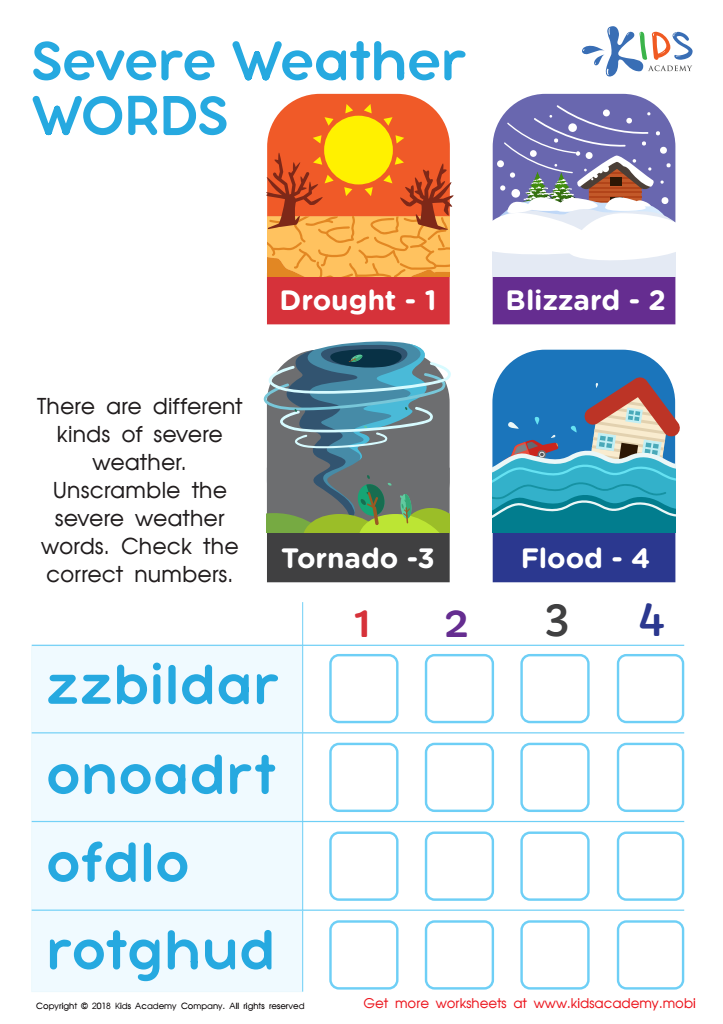
Severe Weather Words Worksheet
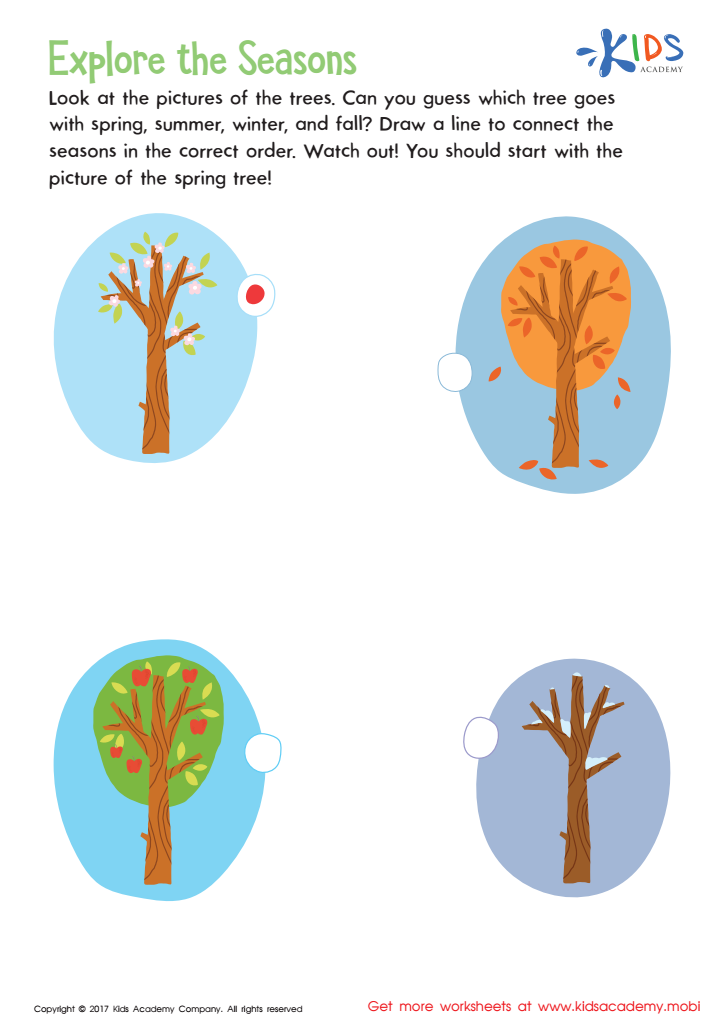
Explore the Seasons Worksheet
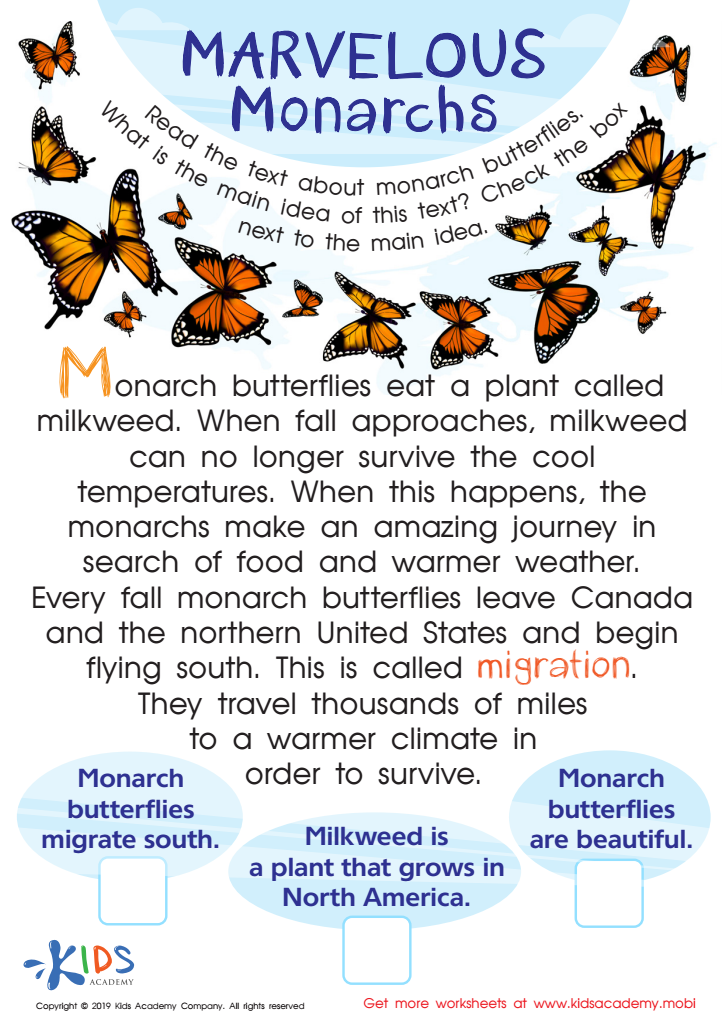
Marvelous Monarchs Worksheet
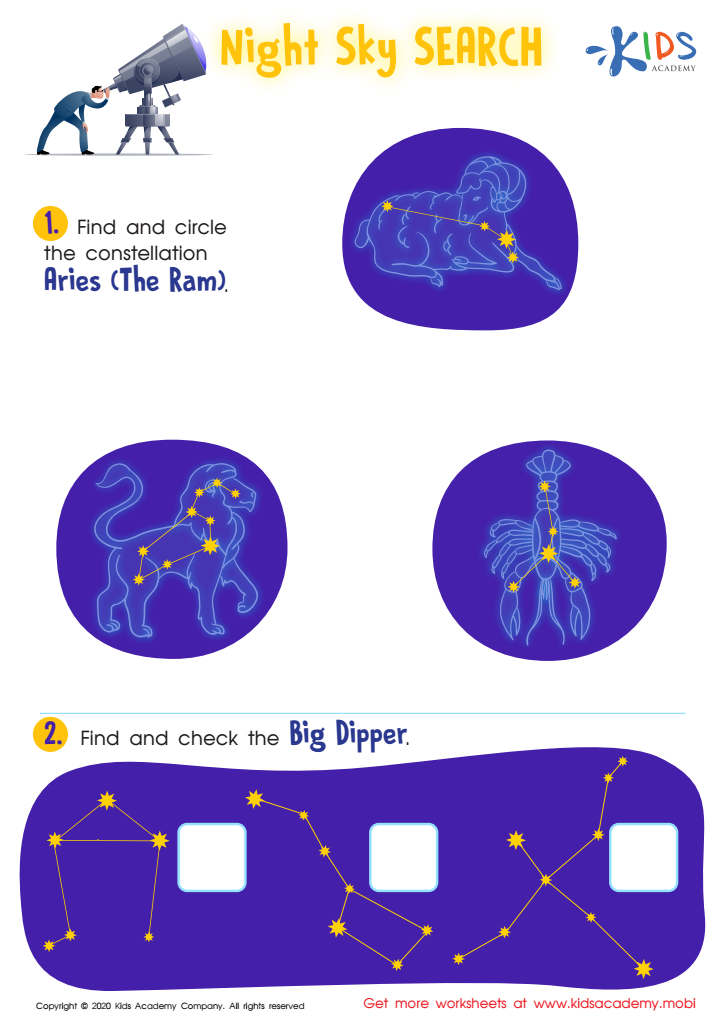
Night Sky Search Worksheet
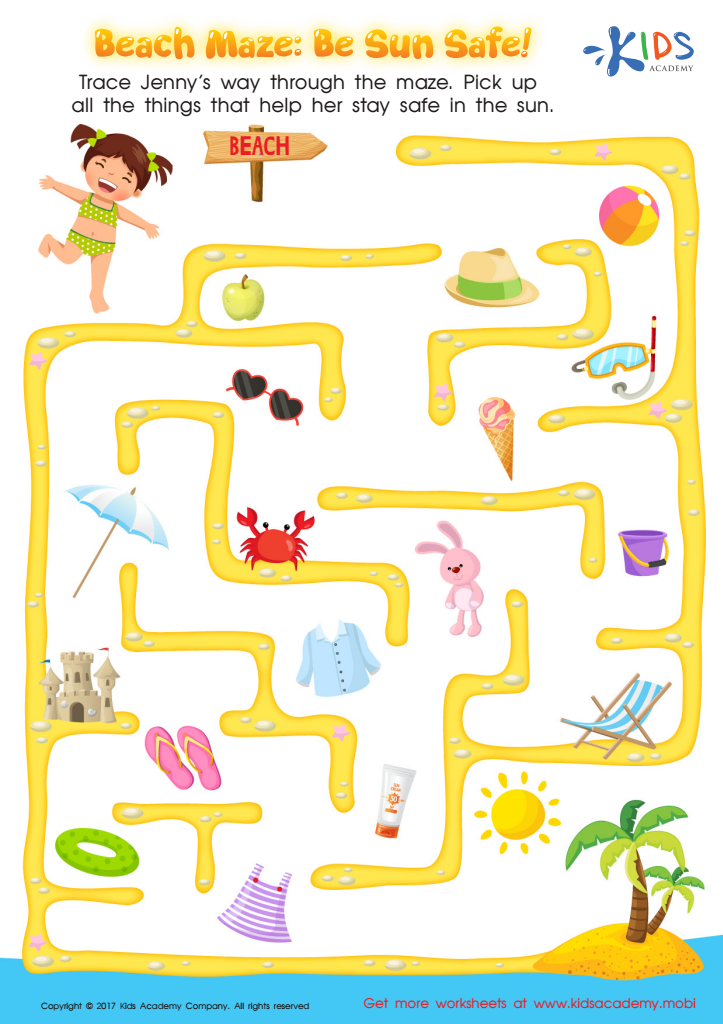
Beach Maze: Sun Safe Worksheet
Musical Band Worksheet
 Assign to My Students
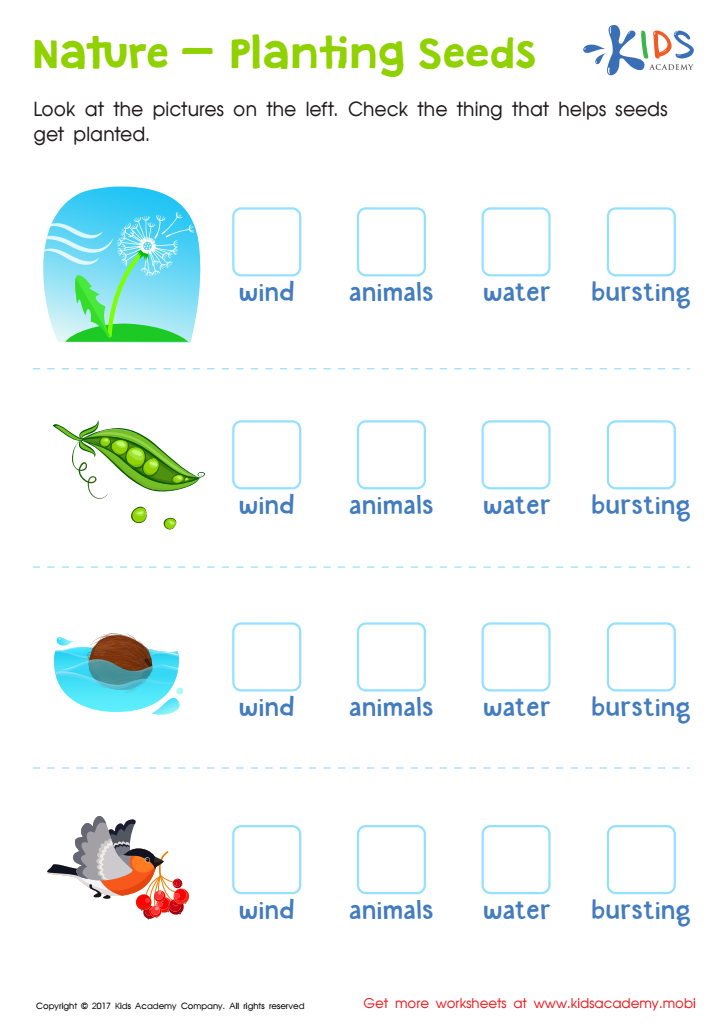
Nature Planting Seeds Worksheet
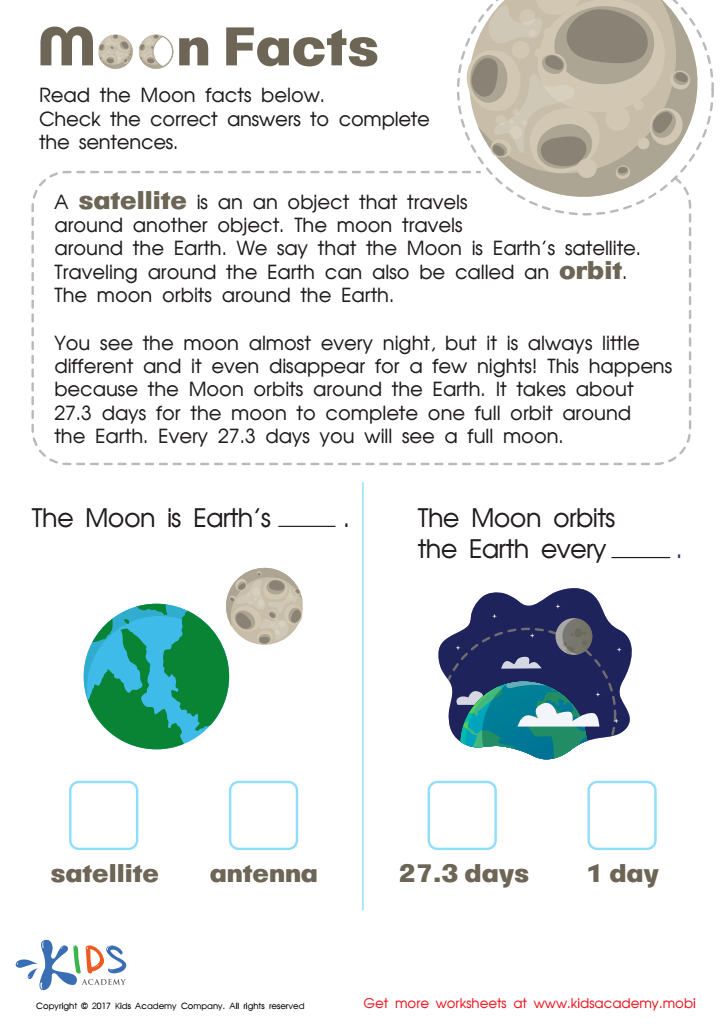
Moon Facts Worksheet
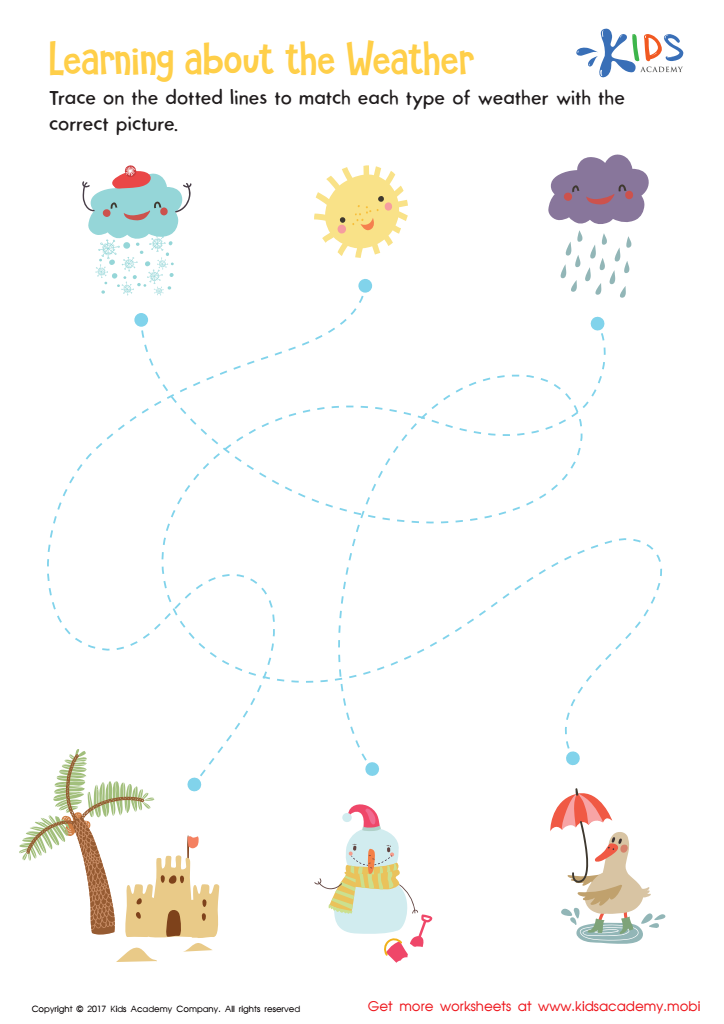
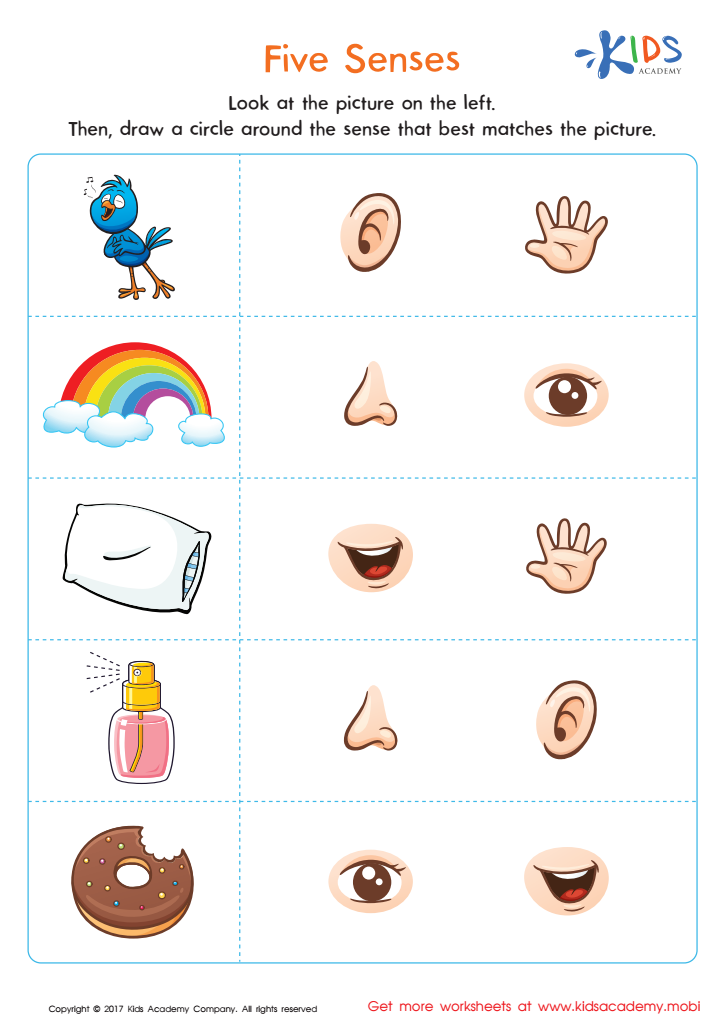
Five Senses Printable








Vocabulary development in young children, particularly in the context of science for ages 6-7, is crucial for several reasons. At this age, children are naturally curious and are beginning to understand the world around them. A strong vocabulary related to science not only enhances their comprehension of scientific concepts but also fosters critical thinking and encourages inquiry.
Understanding scientific terms—such as "habitat," "energy," and "prediction"—enables children to articulate their observations and questions more effectively. When parents and teachers emphasize vocabulary in science, they equip children with tools for effective communication, encouraging discussions and boosting their confidence in sharing ideas.
Moreover, vocabulary development contributes to reading comprehension. A robust vocabulary allows children to better grasp the texts they encounter, whether in books or digital resources. Engaging with scientific language also links to higher academic performance across subjects, as it promotes literacy skills essential in all areas of learning.
Finally, nurturing a child’s vocabulary in science fosters a love for learning. By actively exploring words associated with scientific ideas, children are encouraged to embrace curiosity and exploration, laying a foundation for lifelong learning and critical engagement with the world around them. This empowers them as future thinkers, innovators, and informed citizens.







