Reading comprehension Normal Plants Worksheets for Ages 6-7
4 filtered results
Difficulty Level
Grade
Age
-
From - To
Subject
Activity
Standards
Explore engaging Reading Comprehension worksheets focused on normal plants for children aged 6-7! Our specially designed activities help young learners enhance their reading and comprehension skills through interactive exercises related to the fascinating world of plants. Each worksheet encourages critical thinking and ignites curiosity about nature, making learning both fun and educational. With vibrant illustrations and age-appropriate content, these resources are perfect for home or classroom use. As children read and respond to questions about plants, they develop essential skills that lay the foundation for future literacy. Start your little ones on their reading adventure today!
Favorites
With answer key
Interactive
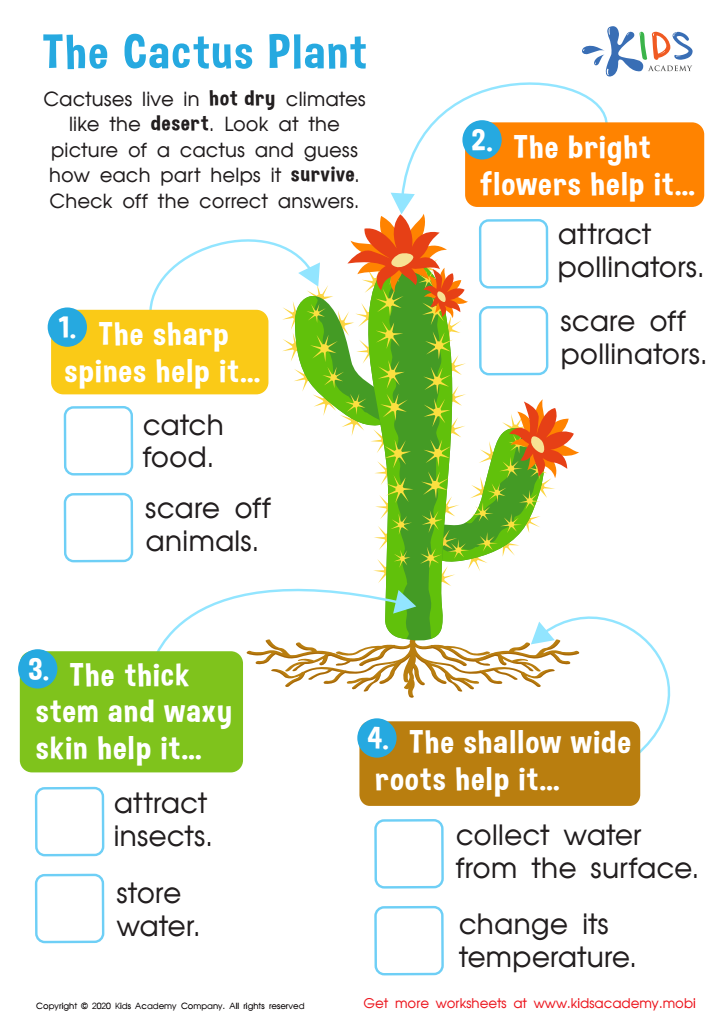
The Cactus Plant Worksheet
Encourage your little scientist to review cacti with this free biology worksheet. Check off the correct answer to show how the cactus survives its harsh desert environment! With sharp spikes and the ability to store water like a camel, the cactus is a remarkable plant that has adapted to its climate.
 Assign to My Students
The Cactus Plant Worksheet
Worksheet

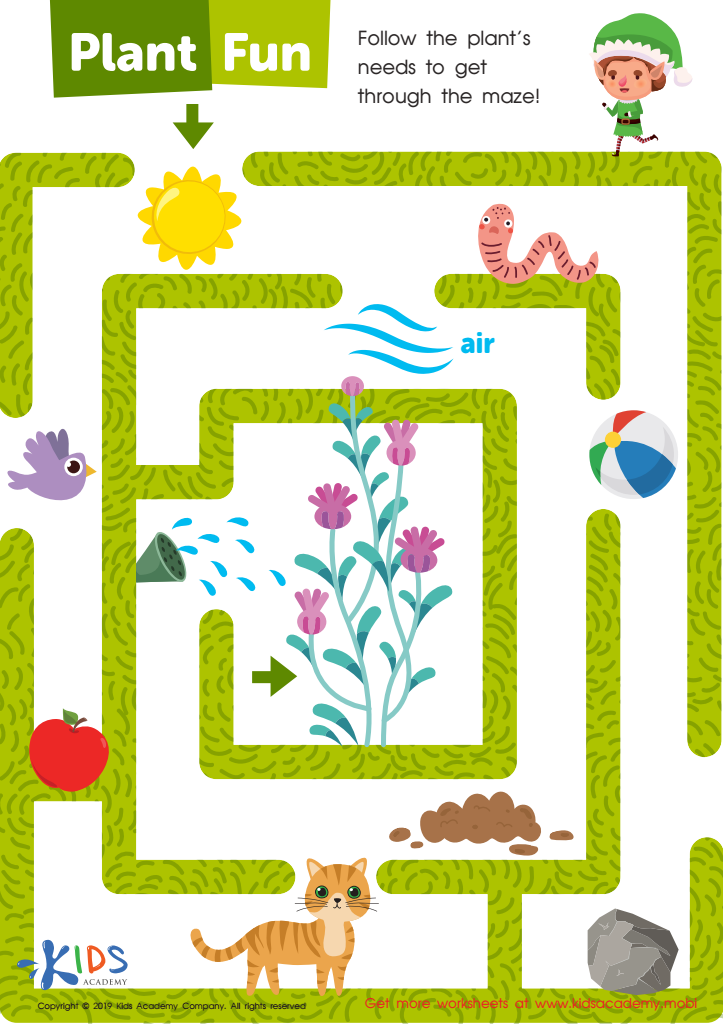
Plant Fun Worksheet
Engage your kid's mind by playing a learning maze! Ask them what plants do for us and what we need to do for the plants to help them grow. Then, help them find their way out of the maze while following the things that plants need.
Plant Fun Worksheet
Worksheet
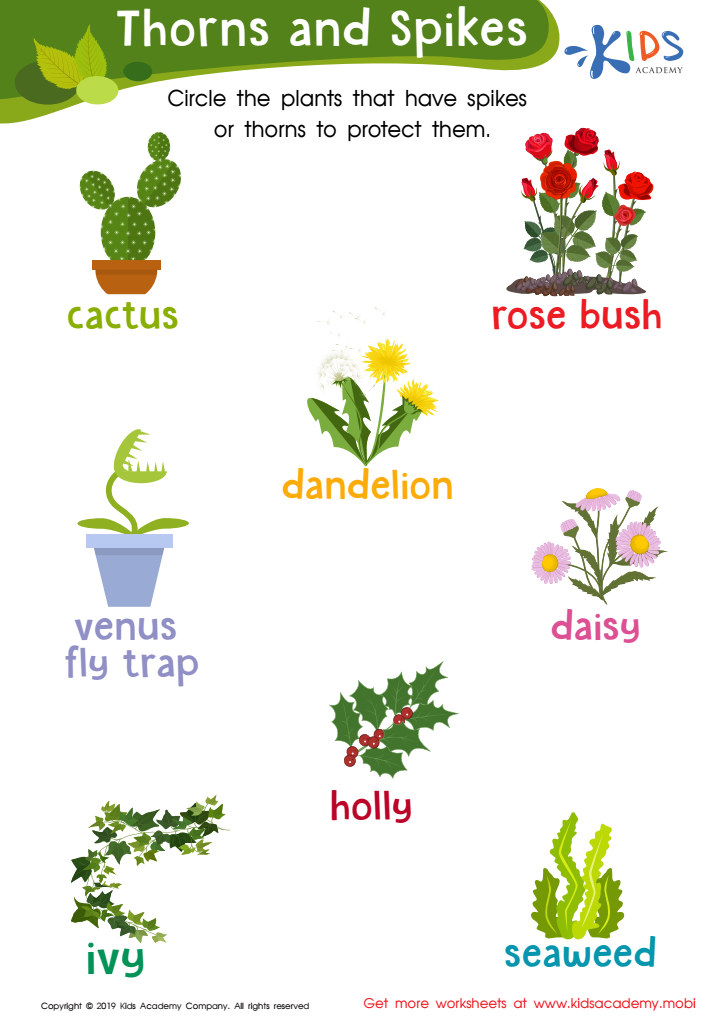
Thorns and Spikes Worksheet
Can your students name and identify the plants and flowers in this worksheet? Ask them to read out the names and circle the ones with spikes or thorns. Help them appreciate nature's beauty and understand how plants protect themselves.
Thorns and Spikes Worksheet
Worksheet
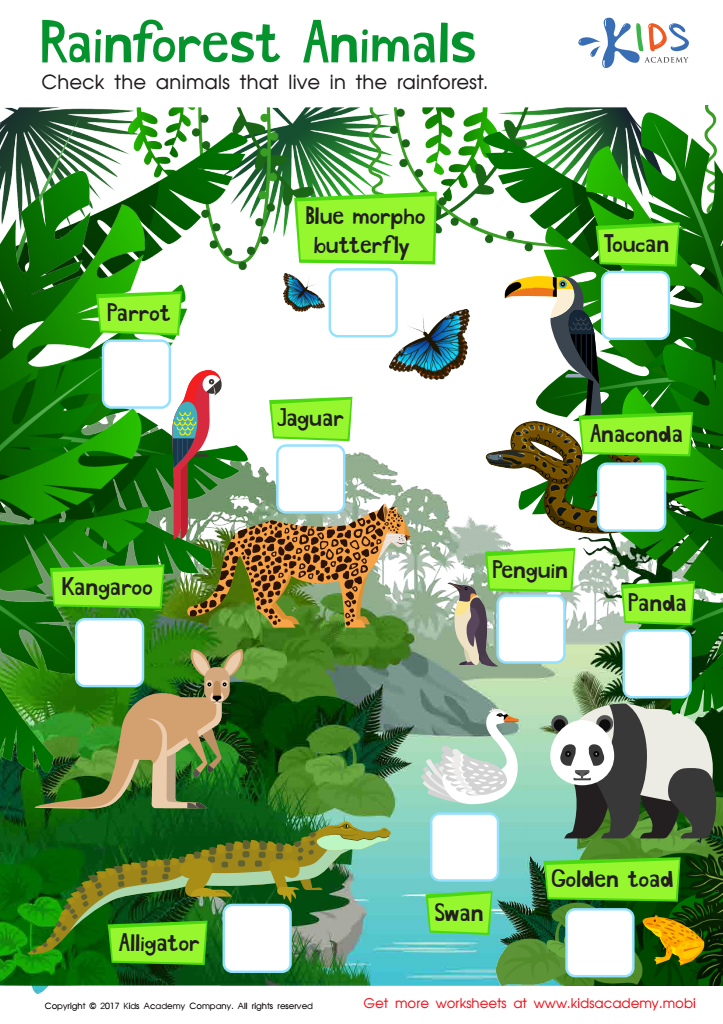
Rainforest Animals Worksheet
Kids love the bright, vivid pics of rainforest animals in this worksheet. It fuels their interest in life science and brings joy to their learning. It encourages them to study these animals in detail.
Rainforest Animals Worksheet
Worksheet
Join Kids Academy for Free
Who is primarily going to use this learning content?








Reading comprehension is a foundational skill critical for a child's academic success, particularly for students ages 6-7. At this age, children transition from learning to read to reading to learn. Understanding texts not only aids in language development but also enhances their ability to engage with various subjects like science and social studies. By honing reading comprehension, children learn to extract meaning from texts, fostering critical thinking and analytical skills.
Furthermore, normal plants serve as an engaging and relatable topic for young learners. Introducing children to reading materials about plants stimulates curiosity about the natural world and promotes environmental awareness. It enriches their vocabulary and nurtures comprehension as they identify key concepts such as plant life cycles, ecosystems, and growth needs.
When parents and teachers prioritize reading comprehension in topics like normal plants, they lay a foundation for lifelong learning. This commitment also encourages a love for reading, transforming it from a mere academic requirement into an enjoyable activity. Engaged readers are more likely to excel in school, leading to improved self-esteem and greater opportunities in the future. Thus, investing in developing reading comprehension at this stage is vital for holistic student development.