
Critical Thinking Normal Plants and Animals Worksheets for Ages 6-7
5 filtered results
Difficulty Level
Grade
Age
-
From - To
Subject
Activity
Standards
Elevate your child’s learning with our "Critical Thinking Normal Plants and Animals Worksheets" designed specifically for ages 6-7. These engaging worksheets foster critical thinking by encouraging young learners to explore and understand the fascinating world of plants and animals. Each activity is crafted to challenge kids' reasoning skills, promote scientific inquiry, and enhance problem-solving abilities by identifying patterns, making predictions, and drawing conclusions. Perfect for both classroom use and at-home learning, these worksheets support educators and parents in providing meaningful educational experiences that build a strong foundation in science and critical thinking. Download now to ignite curiosity and a lifelong love of learning!
Favorites
With answer key
Interactive
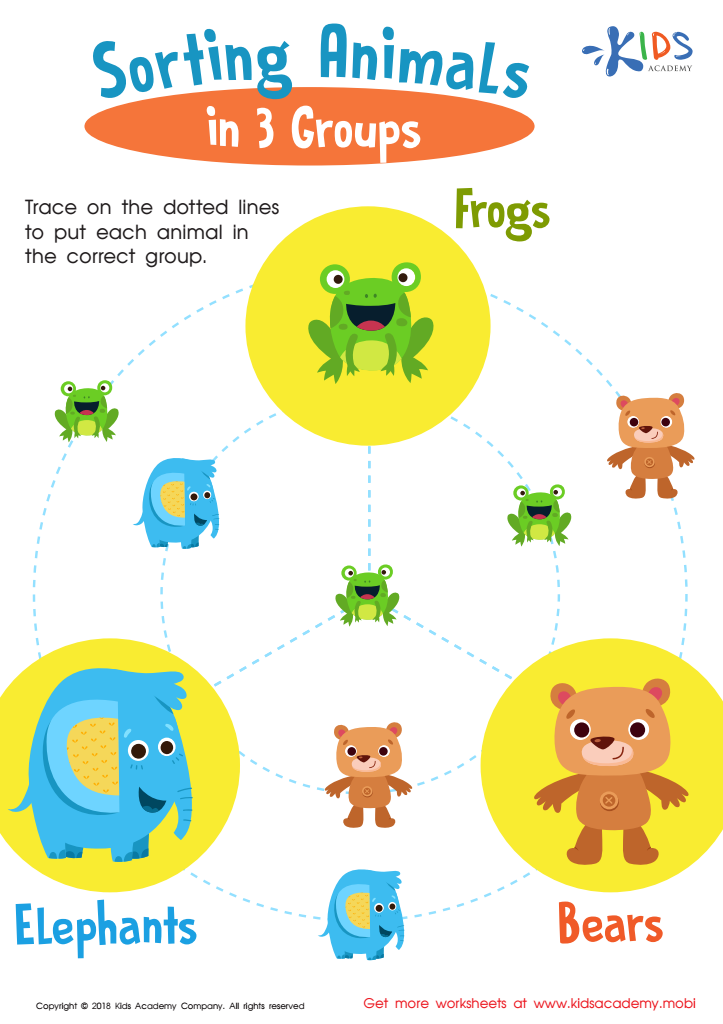
Sorting Animals in 3 Groups Worksheet
Let your kids practice and build skills for future Venn Diagrams with this PDF worksheet. They'll trace lines to match and group animals, and learn the differences and similarities of animals by categorizing with pictures and words. Plus, it's a great way to develop fine motor skills.
 Assign to My Students
Sorting Animals in 3 Groups Worksheet
Worksheet











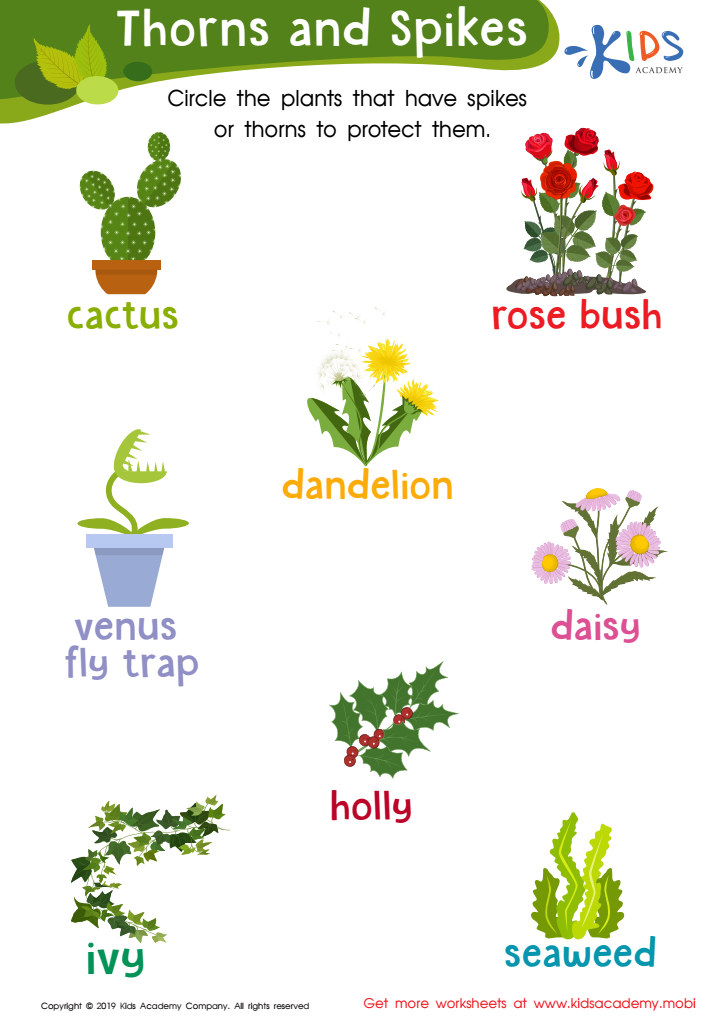
Thorns and Spikes Worksheet
Can your students name and identify the plants and flowers in this worksheet? Ask them to read out the names and circle the ones with spikes or thorns. Help them appreciate nature's beauty and understand how plants protect themselves.
Thorns and Spikes Worksheet
Worksheet
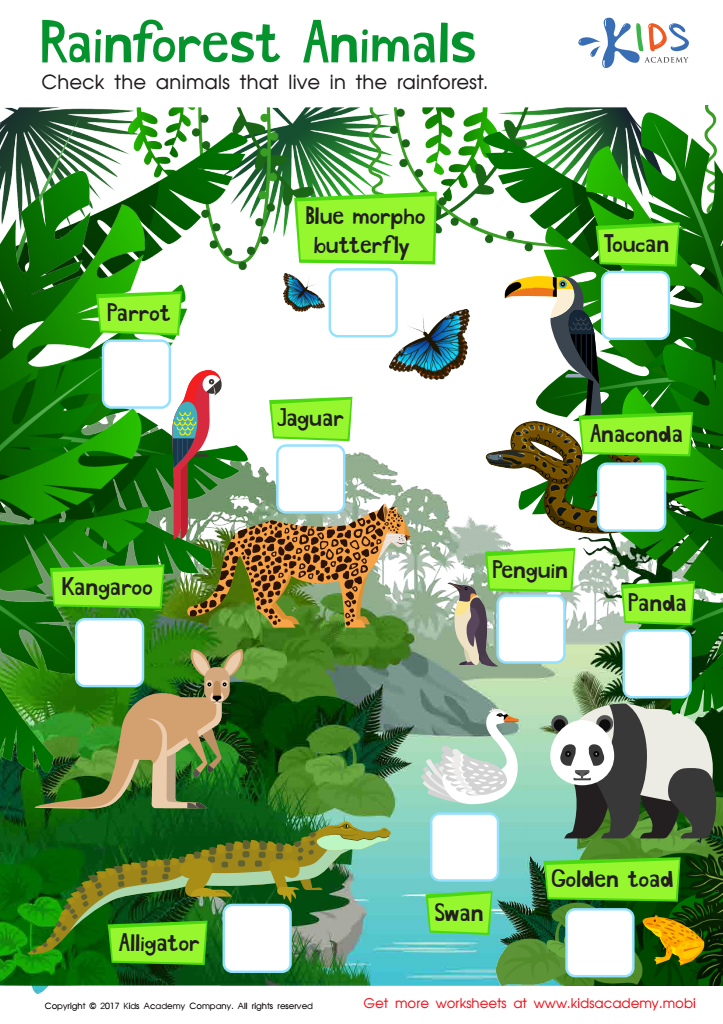
Rainforest Animals Worksheet
Kids love the bright, vivid pics of rainforest animals in this worksheet. It fuels their interest in life science and brings joy to their learning. It encourages them to study these animals in detail.
Rainforest Animals Worksheet
Worksheet
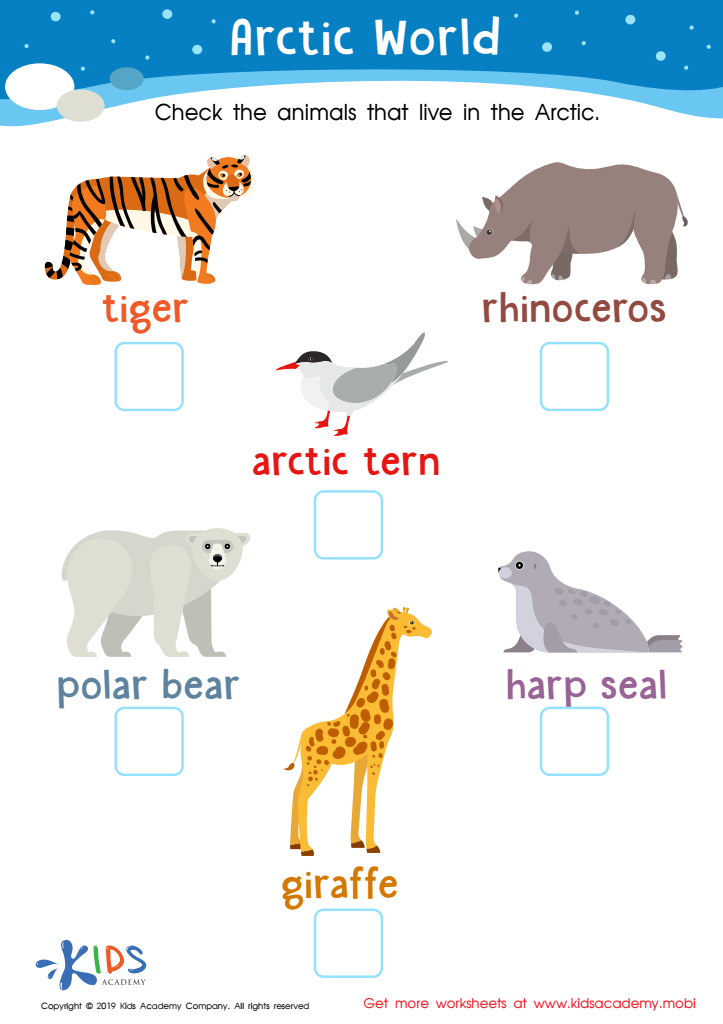
Arctic World Worksheet
Ask your students if they know where the Arctic is located and what lives there. If not, use a world atlas to show them. The Arctic is very cold and snow-covered; native animals have adapted to survive the harsh conditions. Look at the animals in the worksheet and help your students decide which ones live in the Arctic.
Arctic World Worksheet
Worksheet
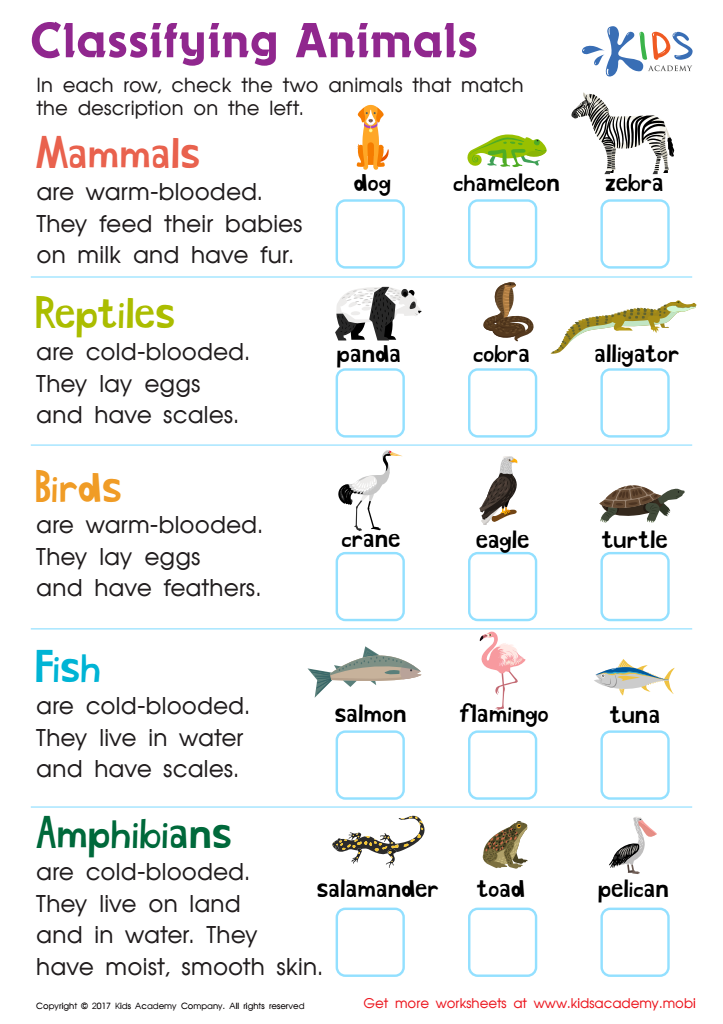
Classifying Animals Worksheet
Print the 2nd grade animal classification worksheet and help kids study the differences between mammals, reptiles, birds, fish and amphibians. Let them pick two examples from the options given.
Classifying Animals Worksheet
Worksheet
Join Kids Academy for Free
Who is primarily going to use this learning content?








Parents and teachers should pay attention to critical thinking about plants and animals for 6-7-year-olds because it lays the groundwork for essential cognitive skills and fosters a deep appreciation for the natural world. At this age, children are naturally curious and absorb information like sponges. Teaching them to think critically about plants and animals enhances their observational skills and helps them understand the interdependencies in ecosystems. Critical thinking exercises encourage kids to ask questions, analyze information, and solve problems, skills that are valuable across all subjects and in everyday life.
Moreover, learning about the diversity and characteristics of plants and animals instills a sense of wonder and respect for nature. This early exposure can lead to a lifelong interest in science and environmental stewardship, fostering responsible citizens who are aware of the importance of biodiversity and conservation.
Additionally, critical thinking activities related to the natural world can be fun and engaging through hands-on experiences like gardening, nature walks, and simple experiments. Such activities provide practical applications for abstract concepts, making learning tangible and relatable. Overall, integrating critical thinking about plants and animals into early education nurtures inquisitive minds, encourages environmental consciousness, and builds a strong foundation for future learning.







