Logical Reasoning Normal Plants and Animals Worksheets for Ages 6-7
4 filtered results
-
From - To
Discover our engaging Logical Reasoning Worksheets focused on plants and animals for young learners aged 6-7! These worksheets are designed to enhance critical thinking skills through fun and interactive activities that involve making connections, identifying patterns, and solving puzzles related to the natural world. Perfect for early grade teachers and parents, these printables help students develop essential reasoning abilities while learning about different species, habitats, and the importance of plants and animals. Support your child's educational journey and curiosity about nature with our carefully crafted worksheets. Explore the exciting world of lush greenery and diverse wildlife today!
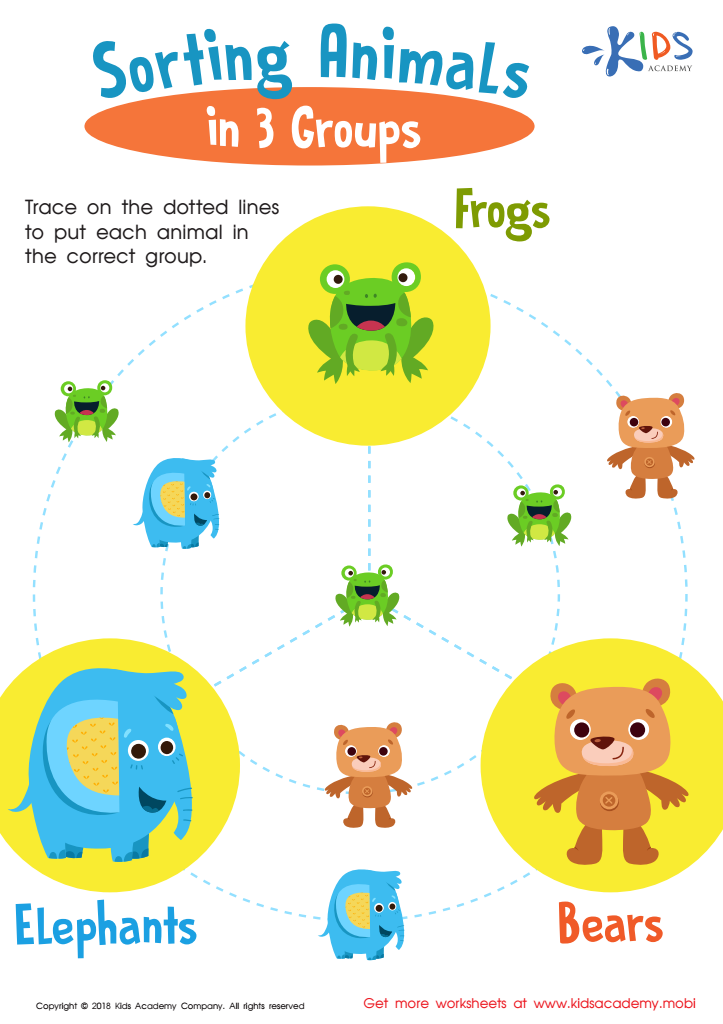
Sorting Animals in 3 Groups Worksheet
 Assign to My Students











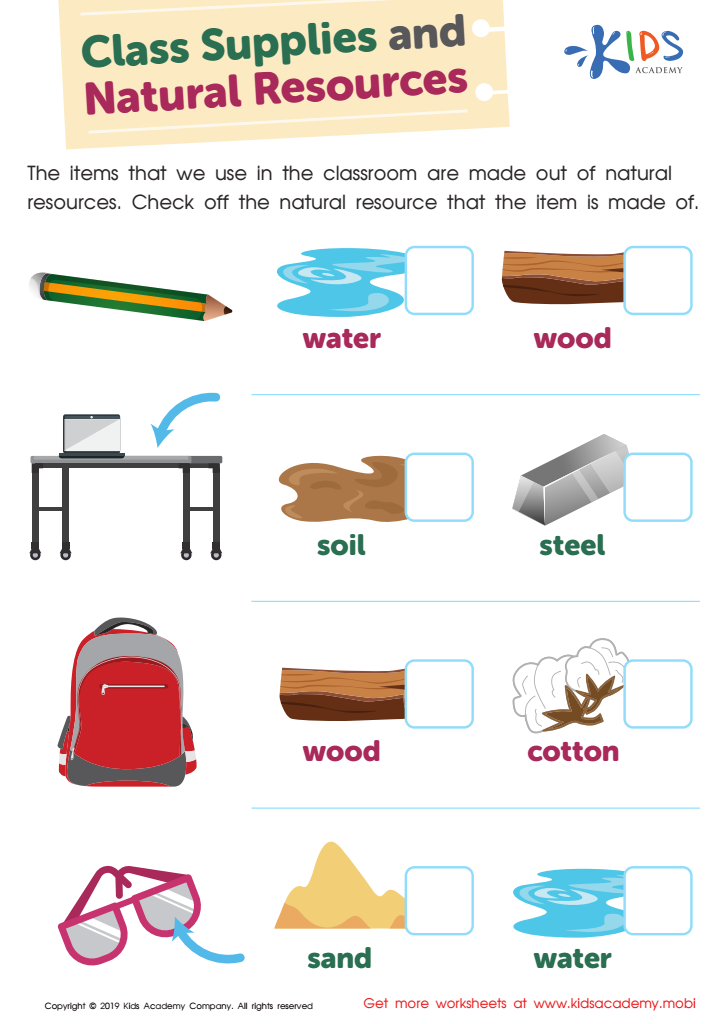
Class Supplies and Natural Resources Worksheet
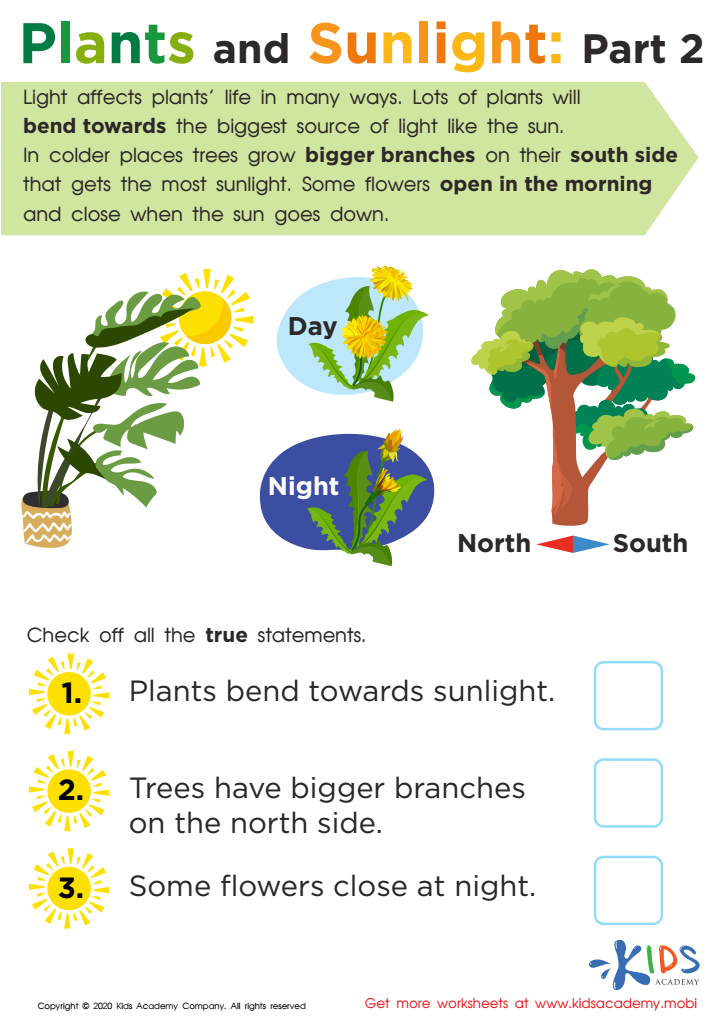
Plants and Sunlight: Part 2 Worksheet
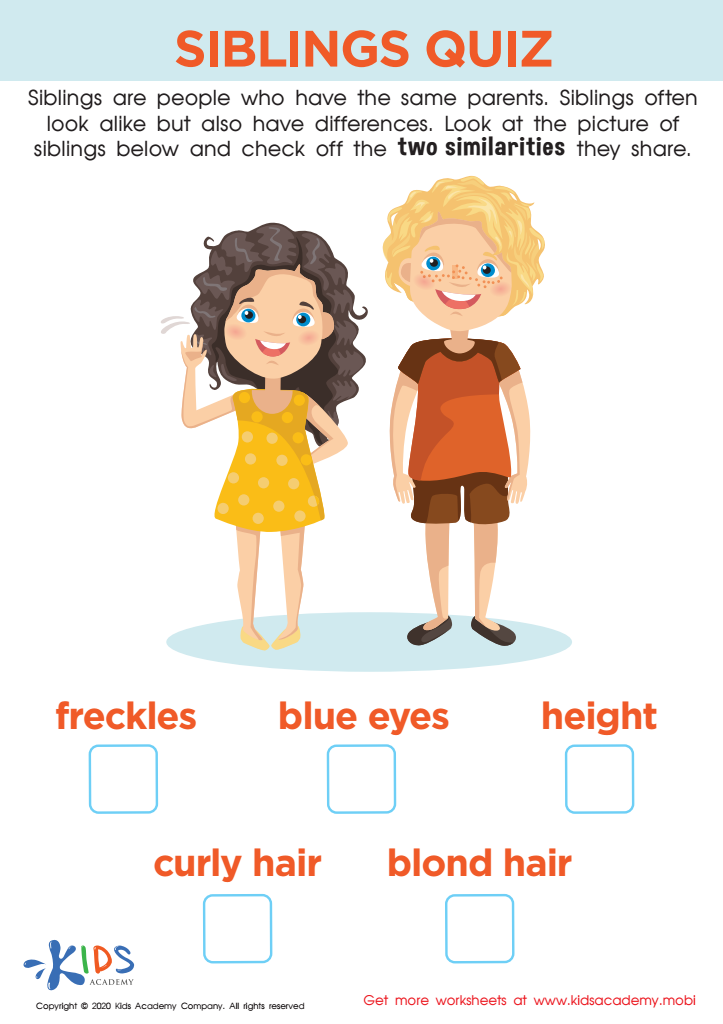
Siblings Quiz Worksheet








Parents and teachers should prioritize Logical Reasoning in relation to Normal Plants and Animals for children ages 6-7 because it fosters critical thinking skills essential for their development. At this age, children are naturally curious about the world around them, and introducing logical reasoning helps them make sense of complex concepts they encounter in nature.
Engaging kids with logical reasoning related to plants and animals encourages them to ask questions, make connections, and develop observational skills. This not only enhances their scientific literacy but also promotes an understanding of ecosystems, biodiversity, and the interdependence of all living things. Teaching children how to reason logically around natural processes instills a sense of environmental stewardship and awareness of their impact on the world.
Additionally, logical reasoning aligns with the cognitive milestones typical for this age group, such as improved problem-solving capabilities and enhanced language skills. It engages their minds in a way that is both fun and educational, laying the groundwork for future STEM-related pursuits. Consequently, focusing on this area is beneficial not only for academic growth but also for personal development, as it cultivates inquisitive, informed individuals with a lasting appreciation for the environment.







