
Plant identification Normal Plants and Animals Worksheets for Ages 6-7
4 filtered results
Difficulty Level
Grade
Age
-
From - To
Subject
Activity
Standards
Discover engaging "Plant Identification Normal Plants and Animals Worksheets" designed specifically for children aged 6-7. Our worksheets provide a fun and educational way to learn about common plants and animals, helping young learners to recognize different species and their characteristics. Each worksheet is crafted to enhance your child's observational skills and knowledge about nature. With activities like matching, labeling, and drawing, these printables make learning science enjoyable and interactive. Whether used at home or in the classroom, our worksheets are an excellent resource for fostering a love of nature and science in young kids.
Favorites
With answer key
Interactive
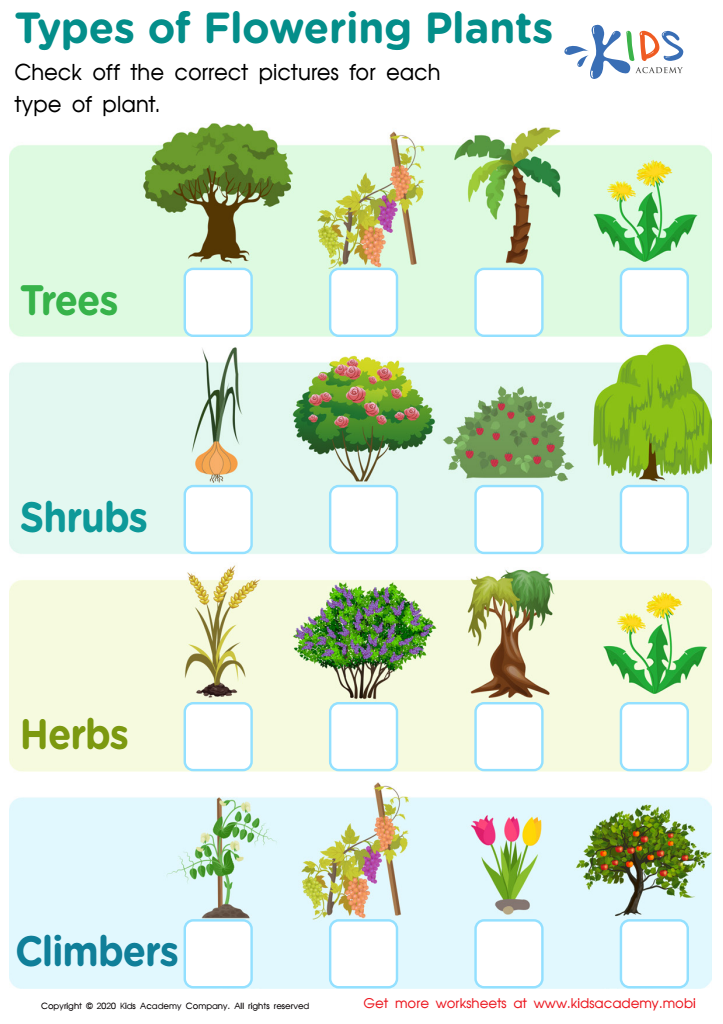
Types of Flowering Plants Worksheet
Help kids explore the variety of plants around them! Have them discover trees, shrubs, herbs, and vines with this fun science worksheet. Print it and let them match the plant pictures to their correct names. It's an exciting learning experience that'll let them check off the right images and explore the botanical world.
 Assign to My Students
Types of Flowering Plants Worksheet
Worksheet

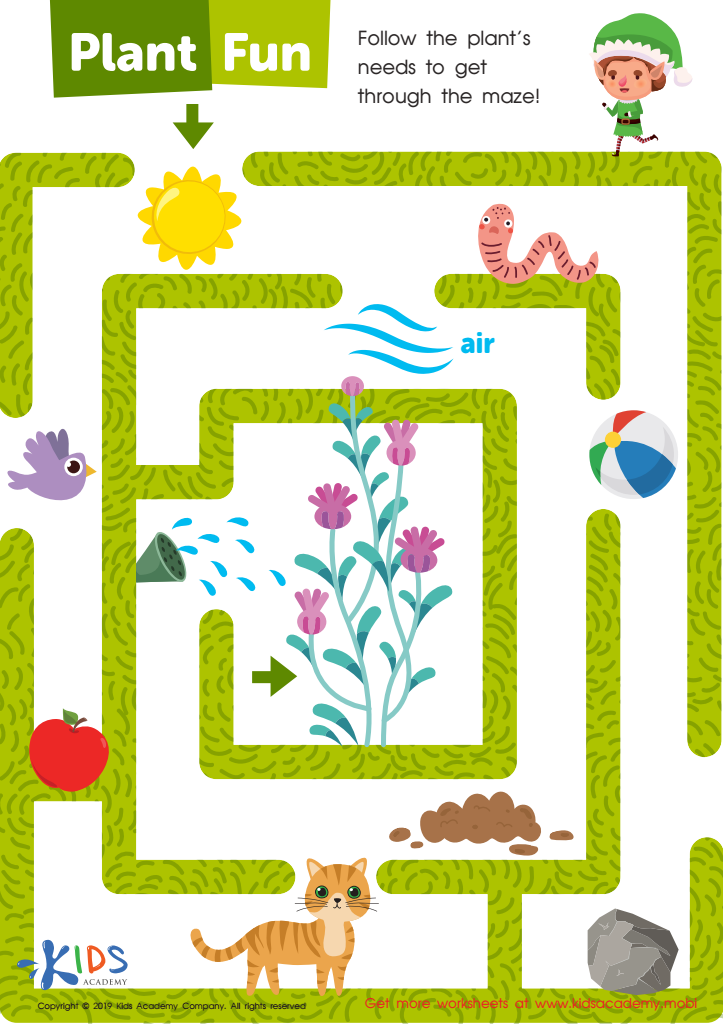
Plant Fun Worksheet
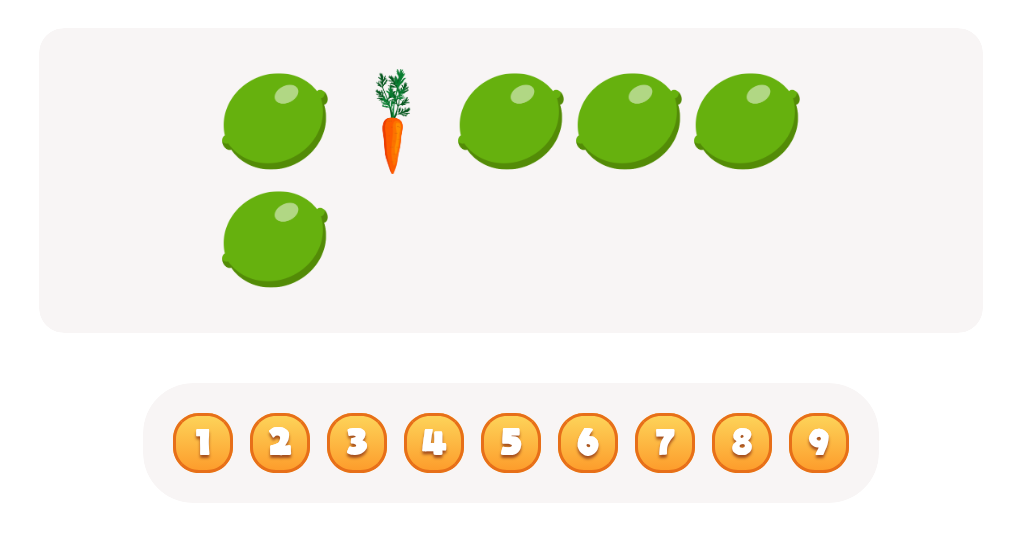
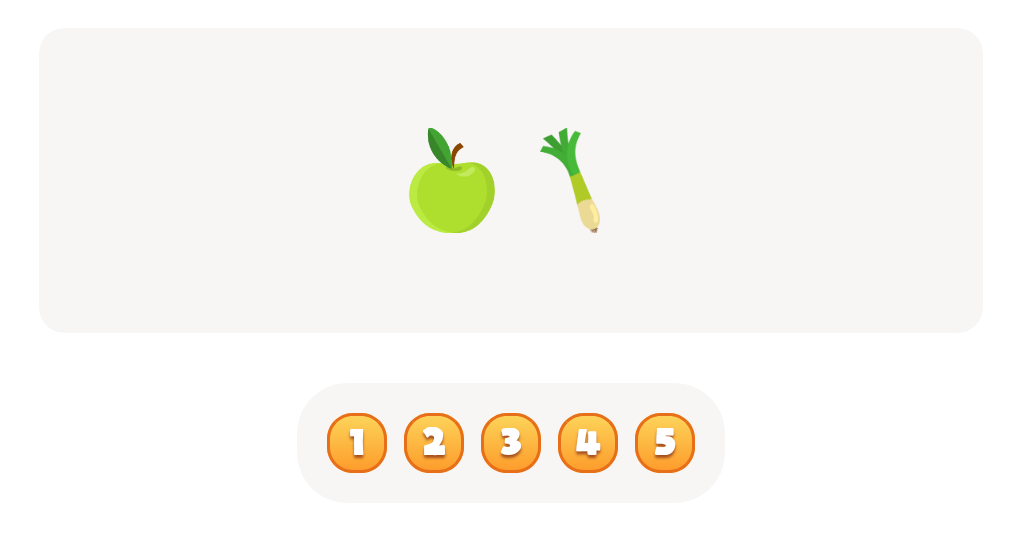
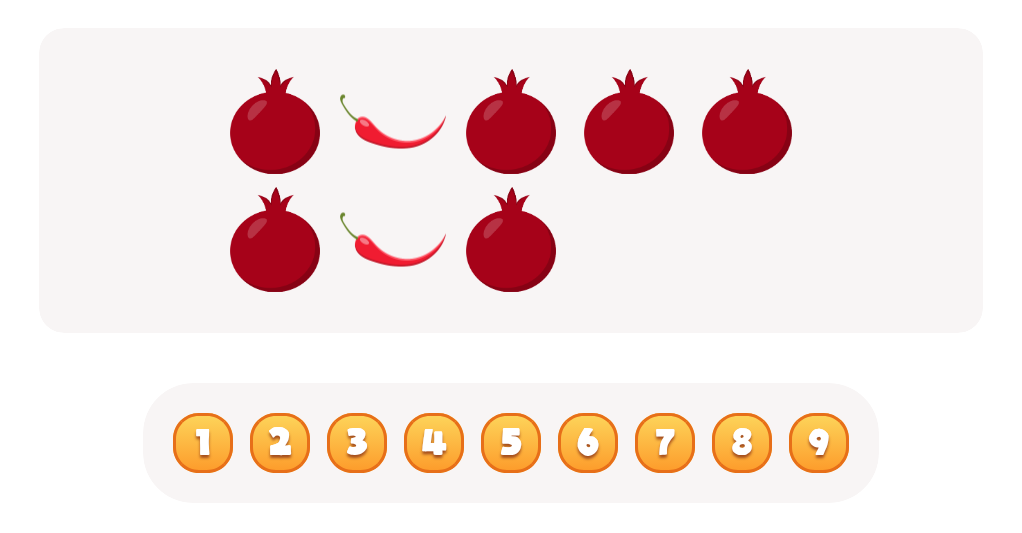
Engage your kid's mind by playing a learning maze! Ask them what plants do for us and what we need to do for the plants to help them grow. Then, help them find their way out of the maze while following the things that plants need.
Plant Fun Worksheet
Worksheet
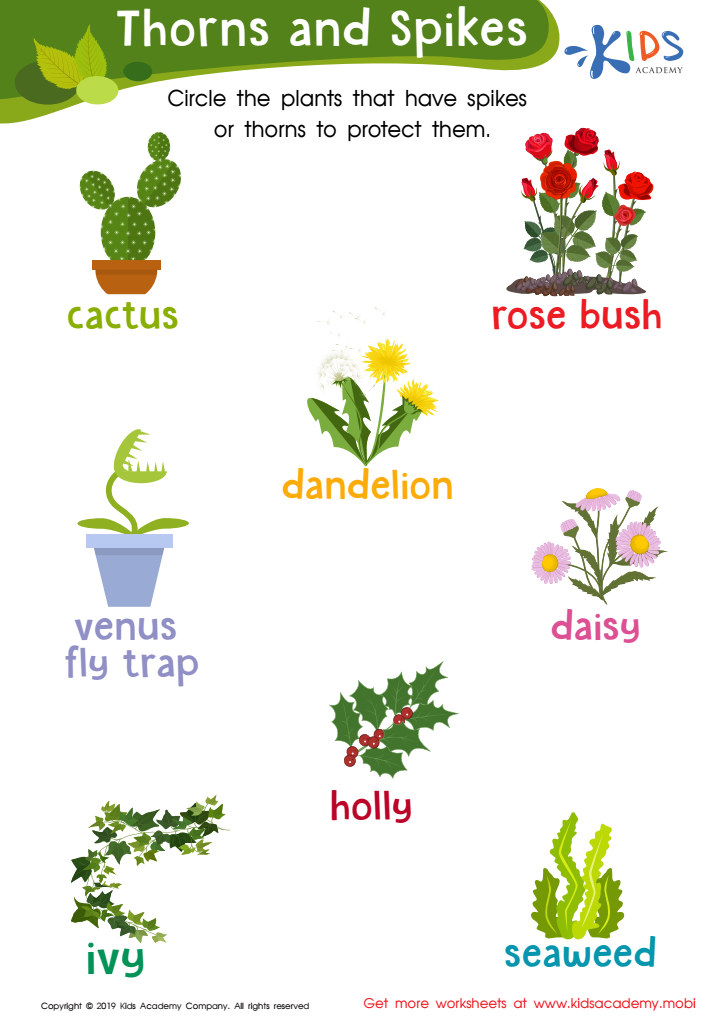
Thorns and Spikes Worksheet
Can your students name and identify the plants and flowers in this worksheet? Ask them to read out the names and circle the ones with spikes or thorns. Help them appreciate nature's beauty and understand how plants protect themselves.
Thorns and Spikes Worksheet
Worksheet
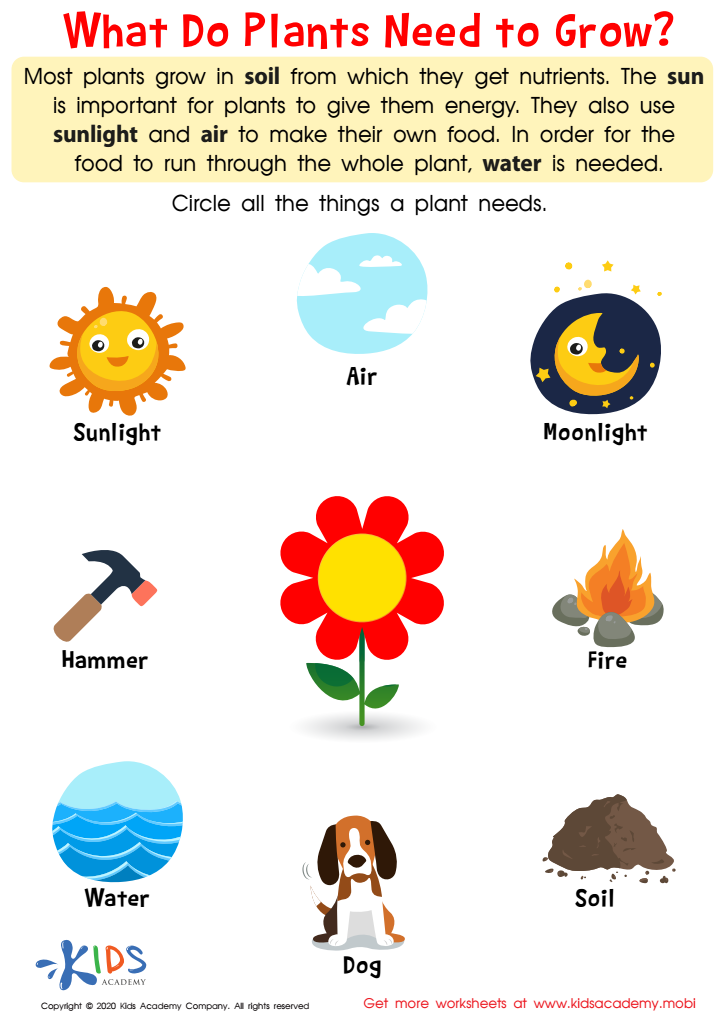
What Do Plants Need to Grow Worksheet
Help your child explore and discover the world of plants with this fun how do plants grow worksheet! They'll gain knowledge, sharpen problem solving skills, and build science foundations as they identify what plants need to grow. Afterward, plant a seed together and watch it sprout right before their eyes!
What Do Plants Need to Grow Worksheet
Worksheet
Join Kids Academy for Free
Who is primarily going to use this learning content?







Introducing children ages 6-7 to plant identification and familiarizing them with normal plants and animals is essential for their cognitive and emotional development. At this impressionable age, kids are naturally curious and eager to explore the world around them. Learning about plants and animals fosters a sense of wonder and respect for nature.
Plant identification helps children develop observational skills, improve their ability to focus, and enhance their memory. As they learn to recognize different plants, they start to appreciate biodiversity and understand the role of each species in the ecosystem. This foundational knowledge can plant the seeds for responsible environmental stewardship, cultivating a generation that values and protects our planet.
Additionally, interactions with plants and animals can be deeply enriching. They teach empathy and responsibility; caring for a class plant or observing wildlife builds a connection to living things. Hands-on activities, such as gardening or nature walks, promote physical activity and provide respite from screen time.
Furthermore, lessons in plant and animal identification can be integrated across various subjects, including science, geography, and art, providing a holistic educational experience. By engaging with the natural world, children not only strengthen their academic skills but also nourish their emotional well-being and set the stage for lifelong learning and appreciation for the environment.







