Critical Thinking Normal World Around Us Worksheets for Ages 6-7
4 filtered results
-
From - To
Explore our engaging "Critical Thinking Normal World Around Us Worksheets" designed specifically for ages 6-7! These worksheets aim to enhance young learners' critical thinking skills by encouraging them to observe, question, and analyze the world around them. Through fun and interactive activities, children will explore everyday scenarios, making connections while developing essential cognitive skills. As they work through various puzzles and exercises, they'll learn to solve problems creatively and think independently. Perfect for home or classroom use, these worksheets provide a valuable resource for fostering curiosity and a deeper understanding of their environment. Ignite a love for learning today!
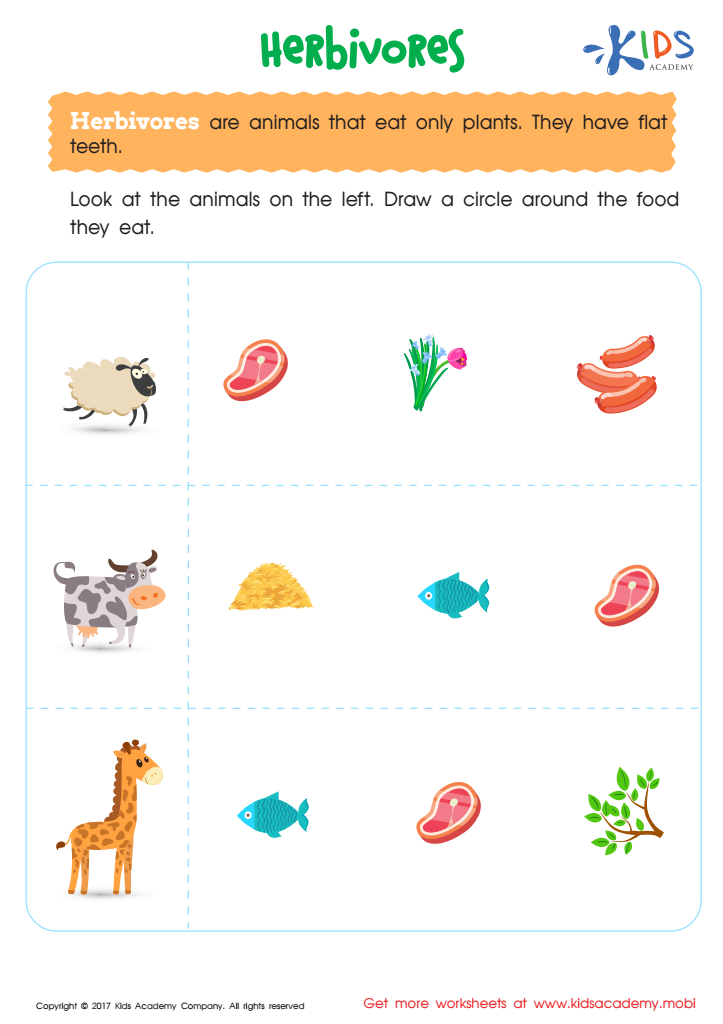
Herbivores Printable
 Assign to My Students
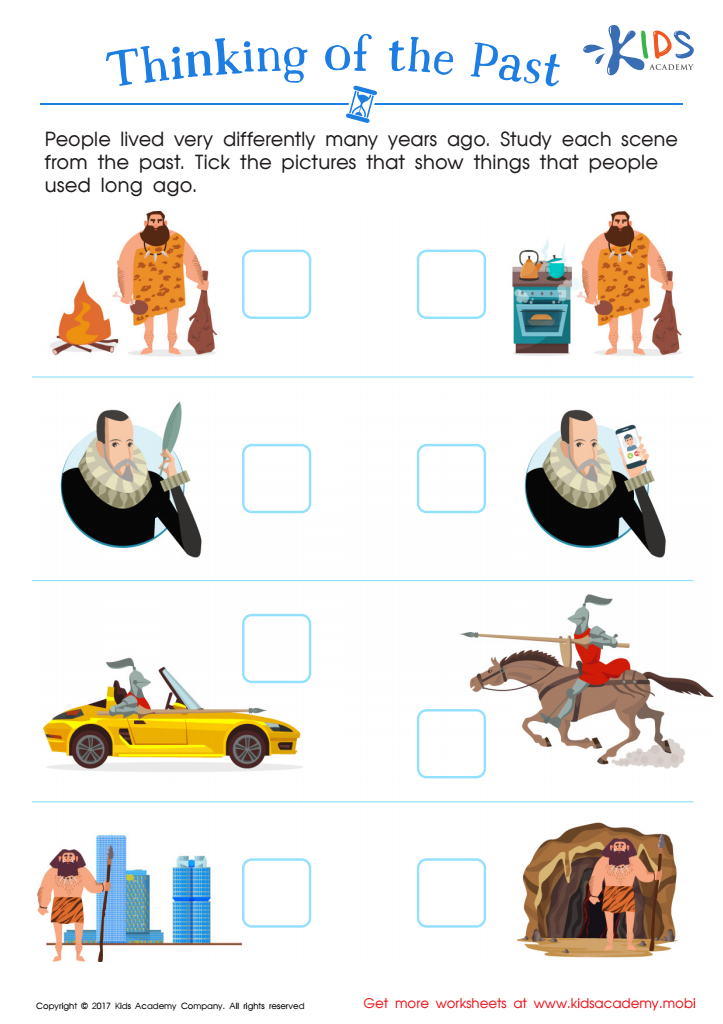
Thinking Past Printable


.jpg)




Critical thinking is essential for children aged 6-7 as it equips them with fundamental skills for navigating the world. During these formative years, children encounter new concepts, social interactions, and diverse information daily. Teaching critical thinking fosters their ability to analyze situations, question assumptions, and make informed decisions.
For parents and teachers, promoting critical thinking enhances children's cognitive development and emotional intelligence. It encourages curiosity, allowing young learners to explore, ask "why," and investigate the world around them. Rather than merely accepting information, children learn to evaluate sources, which is crucial in an age overwhelmed with digital content and misinformation.
Moreover, critical thinking supports problem-solving skills, essential for academic and life challenges. When children learn to assess problems, weigh options, and predict outcomes, they develop resilience and adaptability—qualities that benefit them well beyond the classroom.
By nurturing these skills early, parents and teachers empower children to become confident, independent thinkers who can engage with complex ideas and contribute meaningfully to society. Ultimately, caring about critical thinking in young learners not only enhances their education but builds a foundation for a thoughtful and reflective adulthood.