Problem-Solving Skills Normal Writing Worksheets for Ages 6-7
6 filtered results
-
From - To
Enhance your child's learning journey with our Problem-Solving Skills Normal Writing Worksheets, specially designed for ages 6-7! These engaging worksheets focus on developing essential problem-solving abilities through interactive writing tasks. Kids will learn to think critically as they navigate fun scenarios that require creative solutions. Each worksheet encourages independent thinking, reasoning, and effective communication. Suitable for home or classroom use, these activities make learning enjoyable and foster a love for writing. Help your child build confidence and mastery in problem-solving while having fun! Explore our collection and watch their skills blossom as they tackle unique writing challenges today.
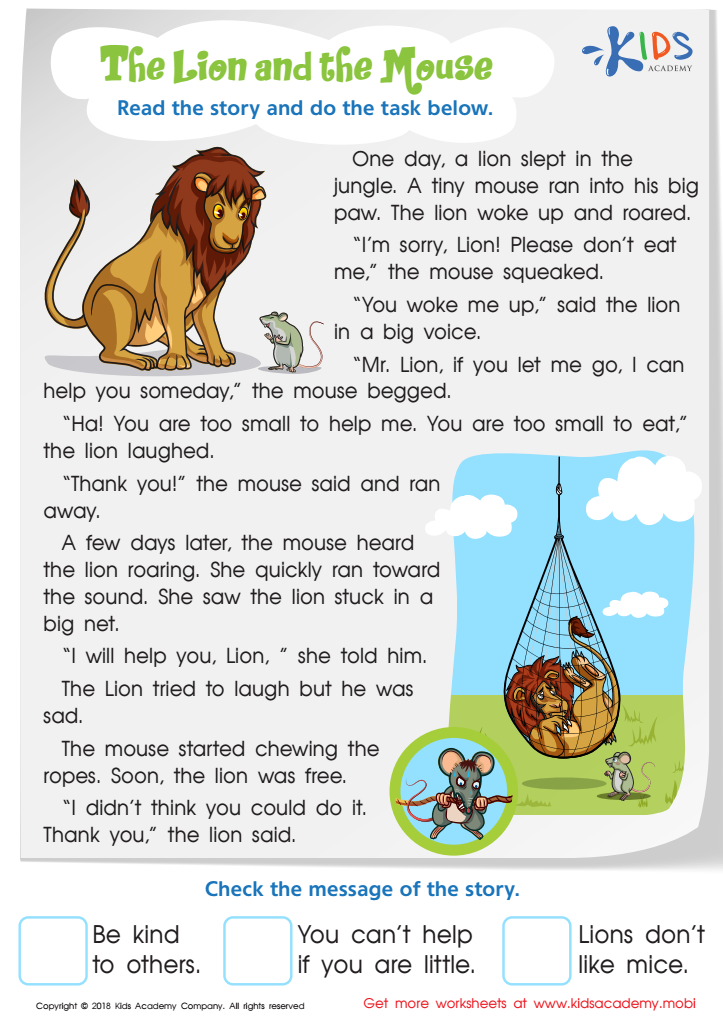
The Lion and the Mouse Worksheet
 Assign to My Students
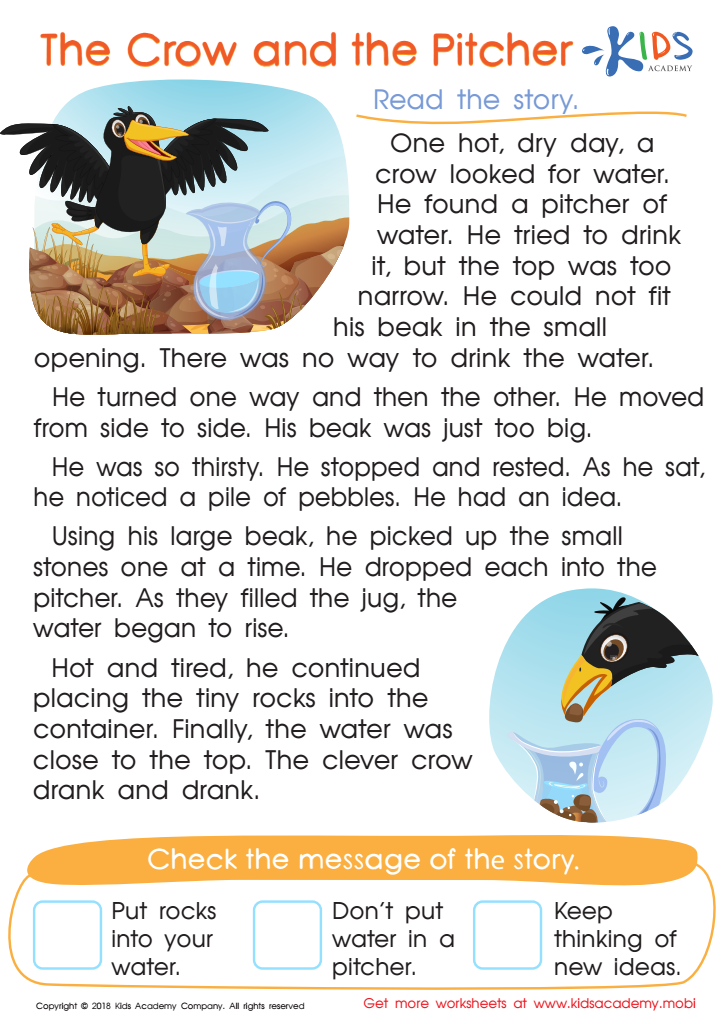
The Crow and the Pitcher Worksheet
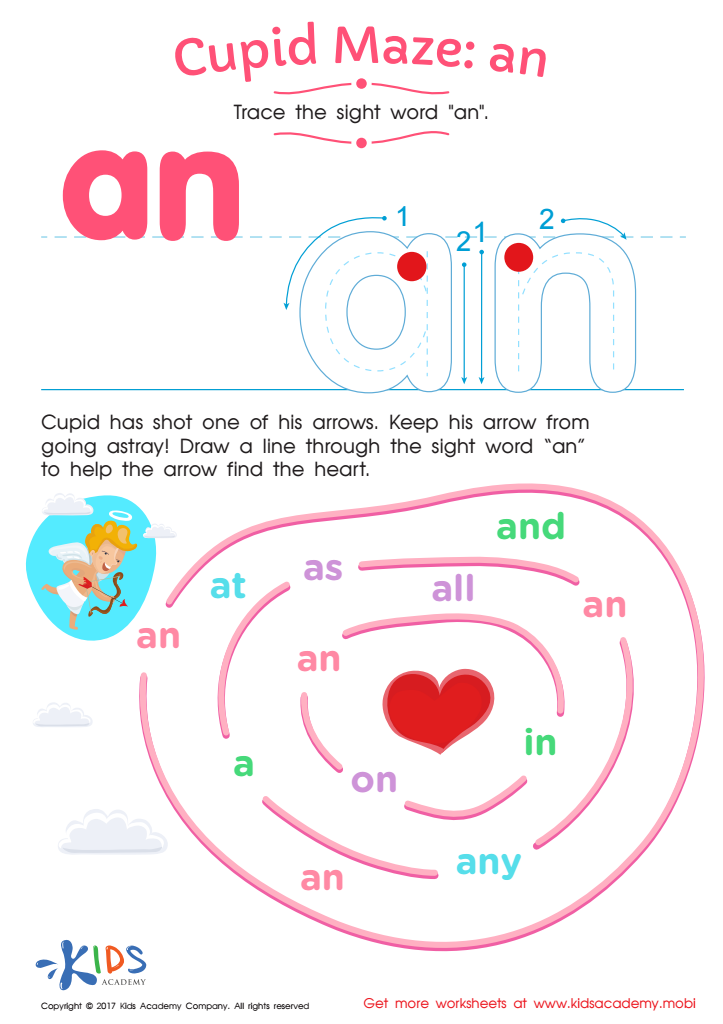
Cupid Maze: An Printable
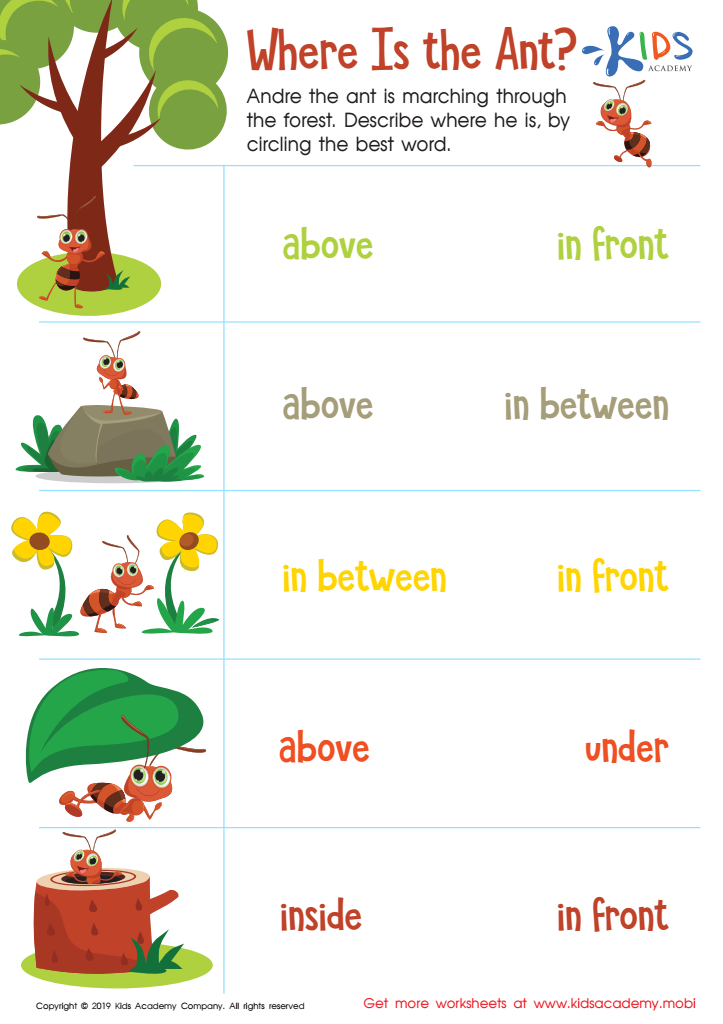
Where Is the Ant? Worksheet
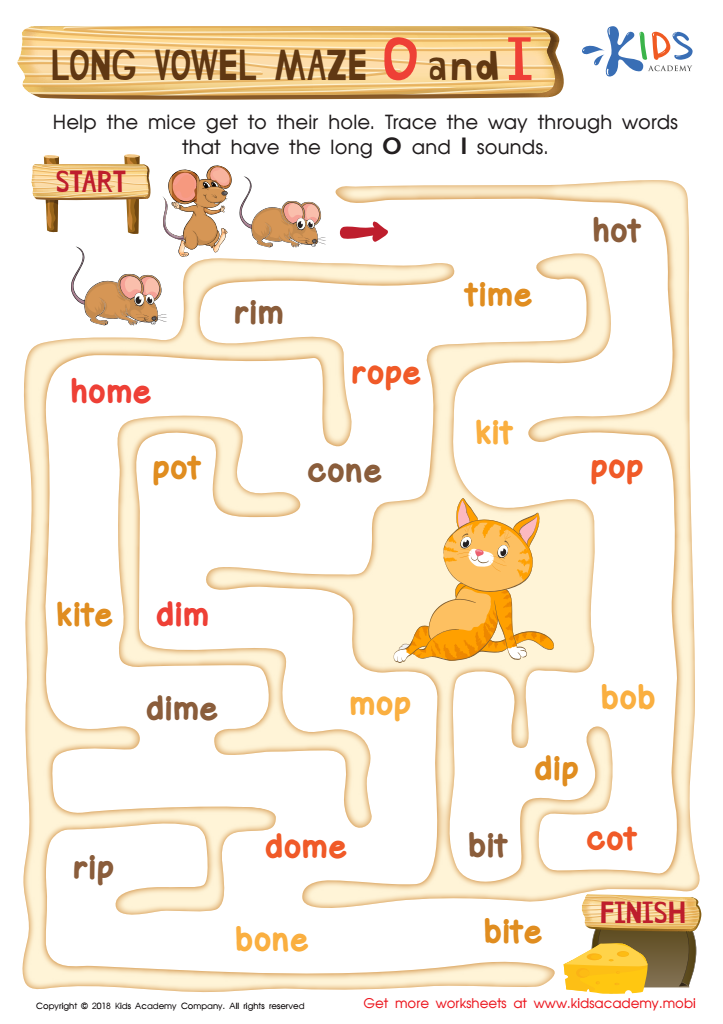
Long Vowel Maze /o/ and /i/ Worksheet
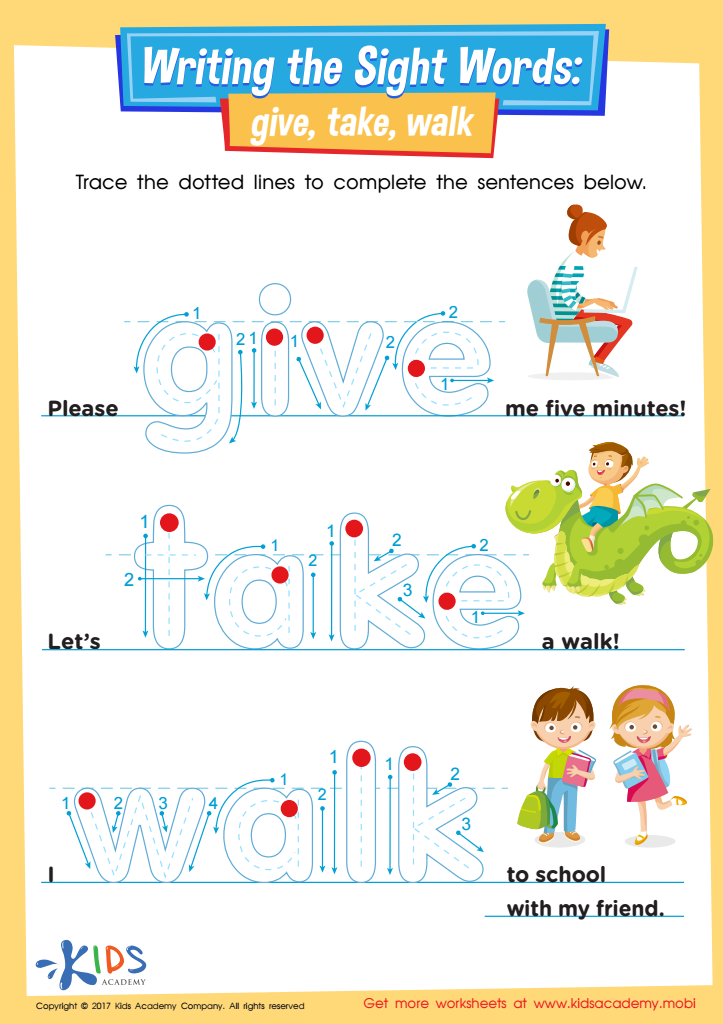
Give, Take, Walk Printable Sight Words Worksheet






Problem-solving skills are crucial for children aged 6-7, as they lay the foundation for critical thinking and decision-making. At this age, children begin to encounter various challenges in their daily lives, from social interactions to academic tasks. Developing problem-solving skills empowers them to tackle these challenges effectively. When parents and teachers prioritize nurturing these skills, they equip children with the ability to analyze situations, think creatively, and consider multiple solutions, which fosters independence.
Additionally, strong problem-solving abilities enhance a child's confidence. When children learn to navigate problems, they realize they can overcome obstacles, boosting their self-esteem. Problem-solving also promotes collaboration as children learn to discuss their ideas, listen to others, and develop social skills essential for teamwork.
Furthermore, the workplace increasingly values problem-solving competencies. By fostering these skills early on, parents and teachers prepare children for future academic and career success. They become adaptable thinkers, ready to face complex situations in the ever-changing world. In summary, nurturing problem-solving skills in young children is vital for their personal growth, social development, and future academic achievement, making it a key focus for parents and educators alike.