Developing research skills Normal Worksheets for Ages 6-8
5 filtered results
-
From - To
Foster curiosity and critical thinking in young learners with our "Developing Research Skills Normal Worksheets for Ages 6-8." Designed to align with educational standards, these engaging worksheets teach kids how to gather information, ask questions, and organize facts. Through fun activities and age-appropriate tasks, children will enhance their ability to research confidently and independently. Encourage lifelong learning and boost academic success with resources that develop essential research skills in an enjoyable way. Perfect for classroom or home use, our worksheets provide a solid foundation for young minds eager to explore and understand the world around them.
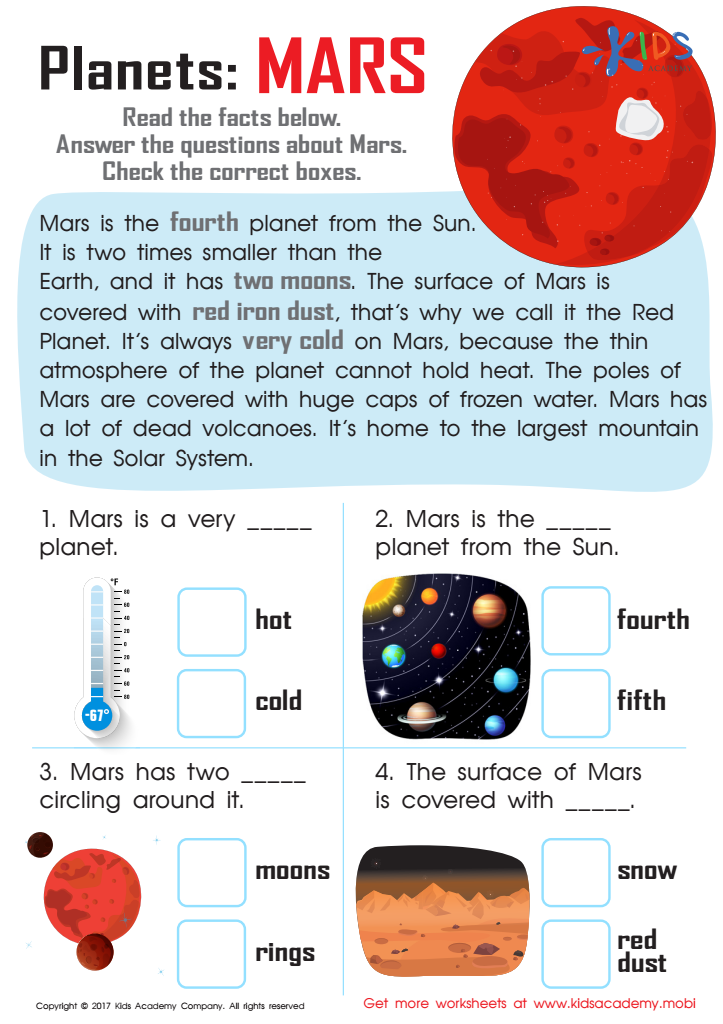
Mars Fact Printable Worksheet
 Assign to My Students
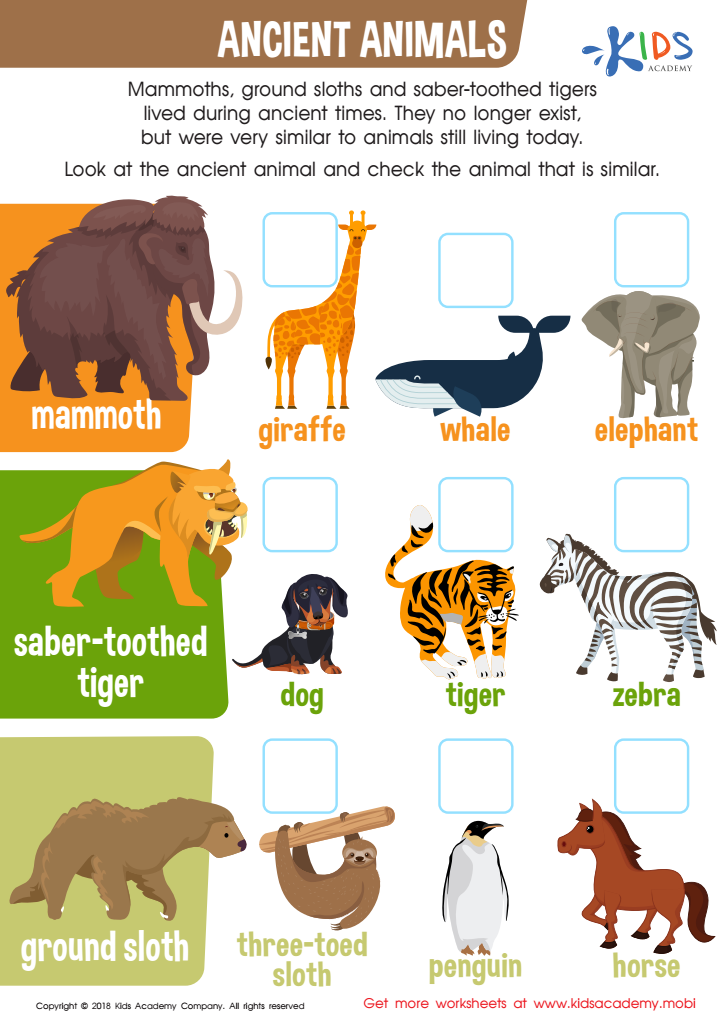
Ancient Animals Worksheet
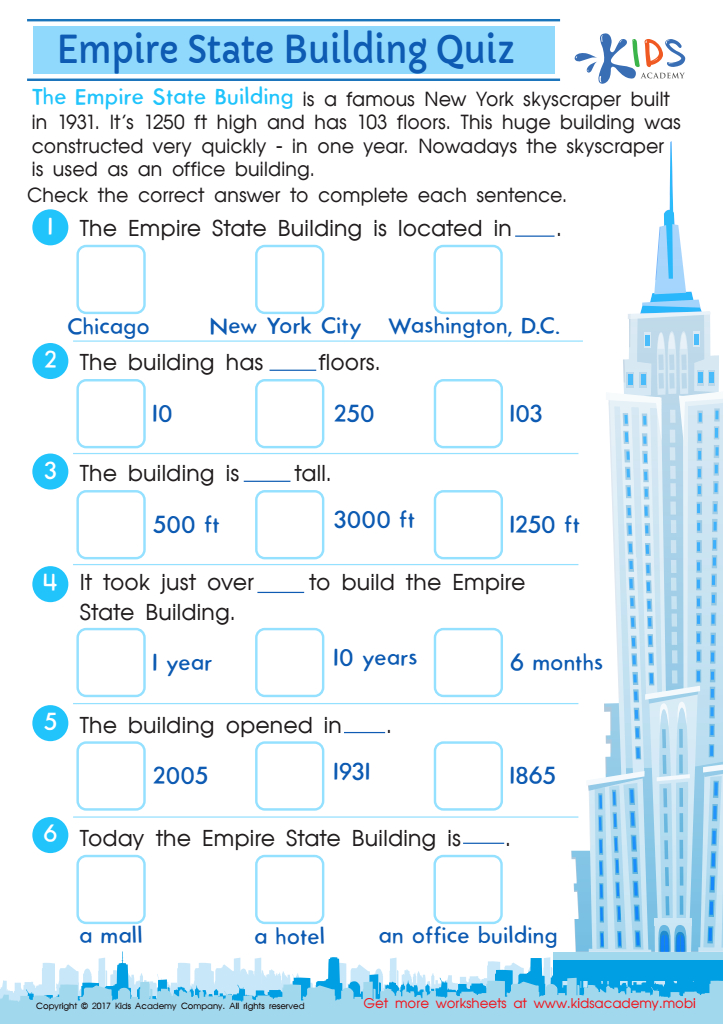
Empire State Building Printable Worksheet
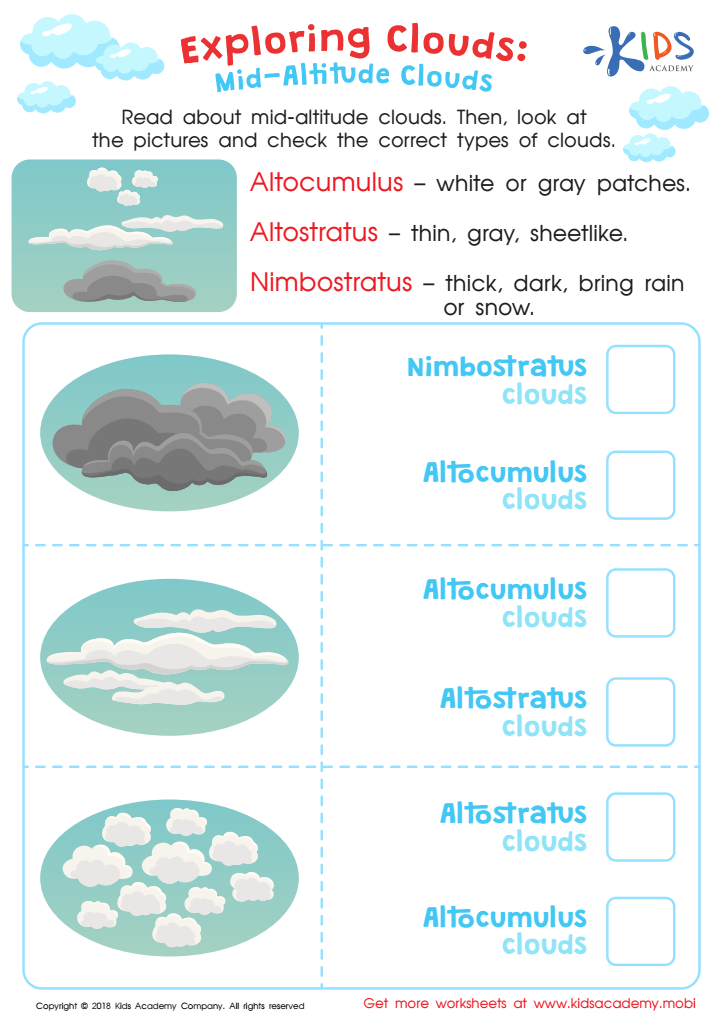
Exploring Clouds: Mid-altitude Clouds Worksheet
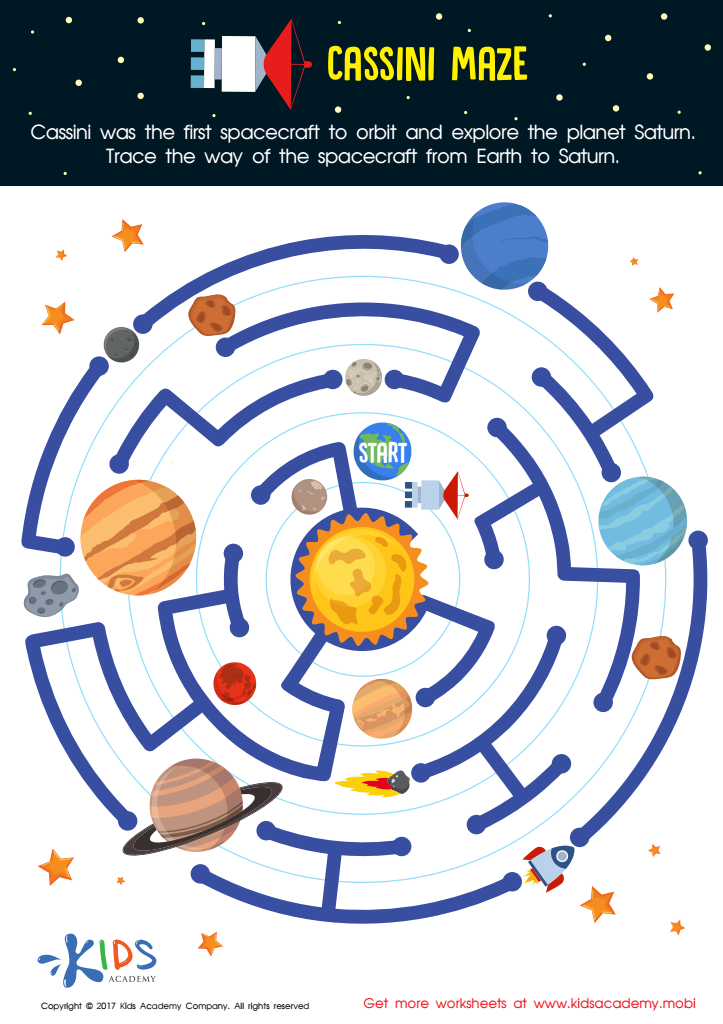
Cassini Printable Worksheet






Developing research skills in children ages 6-8 is a cornerstone for lifelong learning and academic success. During these formative years, children are naturally curious and eager to explore the world around them. By introducing research skills early on, parents and teachers can capitalize on this curiosity and help children become independent learners.
First, research skills bolster critical thinking. Children learn to ask questions, seek out information, and distinguish between credible and non-credible sources. This ability to evaluate information sets a strong foundation for reading comprehension and problem-solving abilities essential in higher grades.
Additionally, early research skills foster a love for learning. When young children realize they have the tools to explore topics of interest, they become more engaged and motivated learners. This engagement not only makes learning more enjoyable but also promotes persistence and resilience in academic pursuits.
Furthermore, research skills help cultivate digital literacy. In today’s digital age, understanding how to navigate online information safely and responsibly is crucial. Teaching these skills early helps children develop good habits around technology use.
Lastly, collaborative research projects can strengthen social skills. Working in groups to gather and share information teaches children cooperation, communication, and empathy.
By prioritizing the development of research skills for 6-8-year-olds, parents and teachers set the stage for well-rounded, capable, and enthusiastic learners.








