Map reading skills Normal Worksheets for Ages 6-8
10 filtered results
-
From - To
Explore our engaging "Map Reading Skills Normal Worksheets for Ages 6-8" designed to immerse young learners in the exciting world of maps. Perfectly tailored for kids aged 6 to 8, these worksheets enhance essential geography skills including understanding symbols, directions, and scales. Through fun and interactive exercises, children will learn to read and navigate maps confidently. Our printable worksheets are an excellent resource for classrooms or at-home learning, fostering analytical thinking and spatial awareness. Let your child embark on adventures across different landscapes, expanding their knowledge and curiosity about the world around them. Start exploring today!
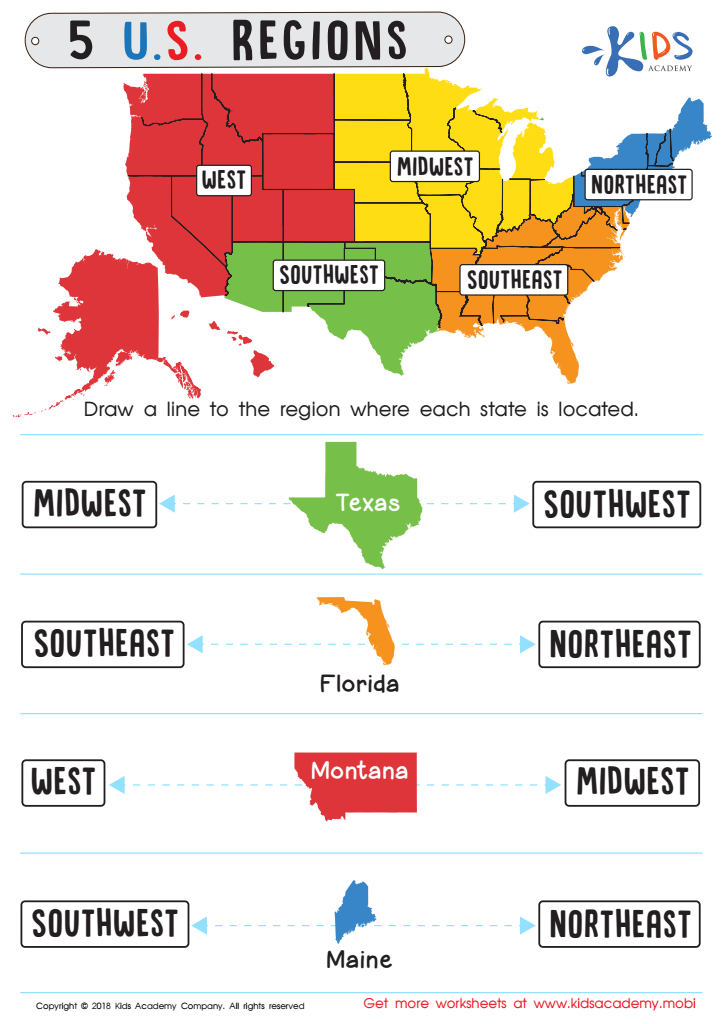
5 U.S. Regions Worksheet
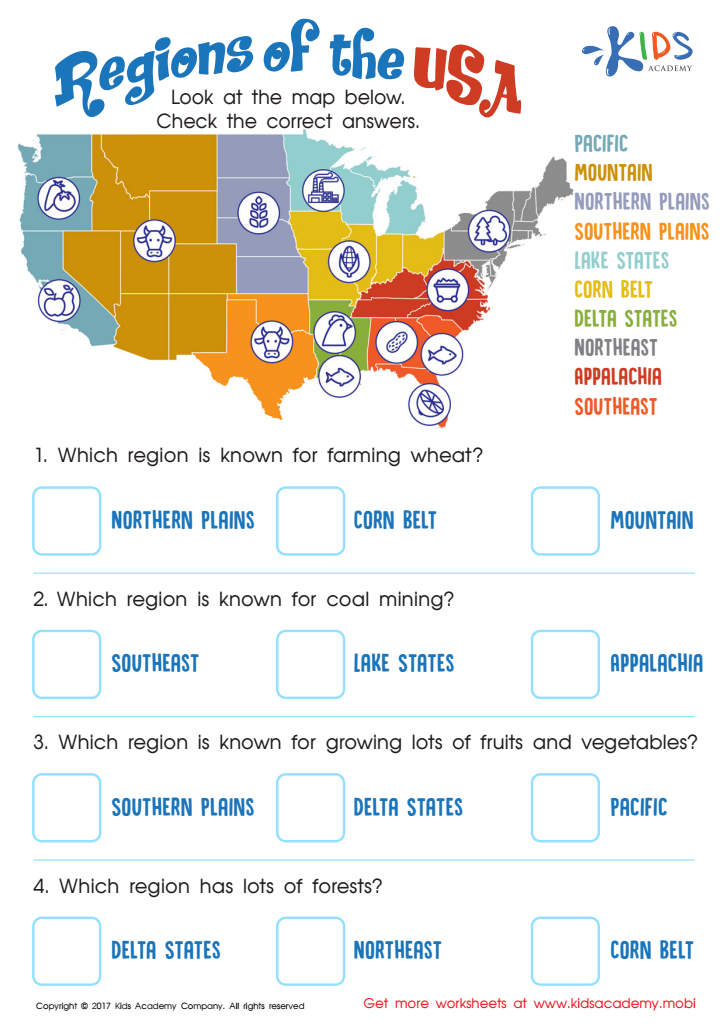
Regions of the USA Worksheet
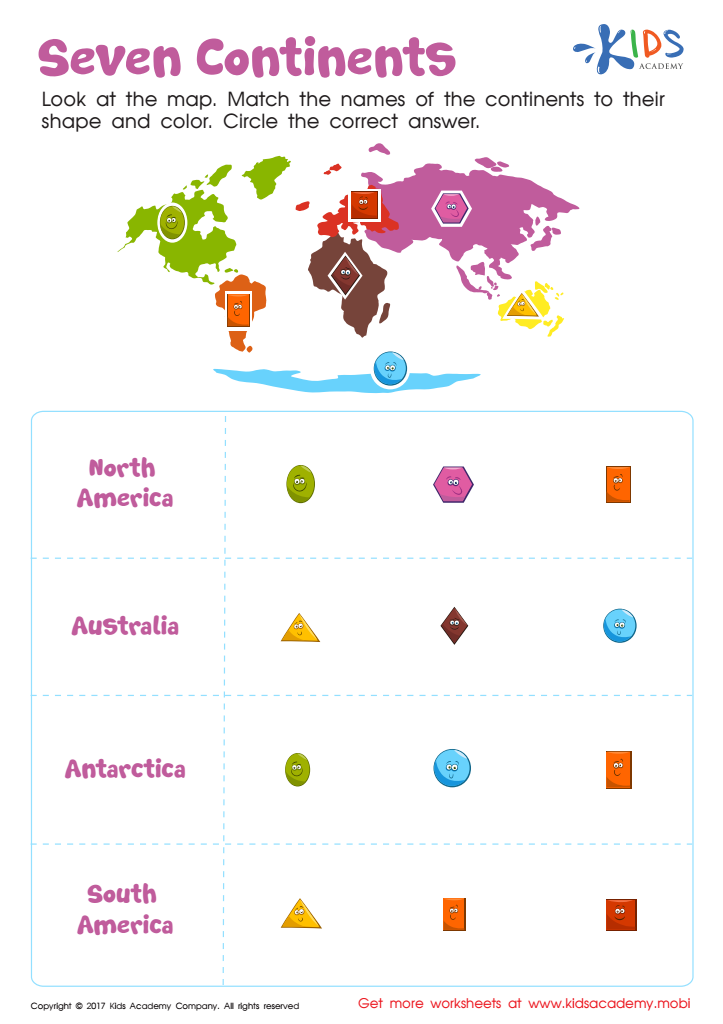
Seven Continents Worksheet
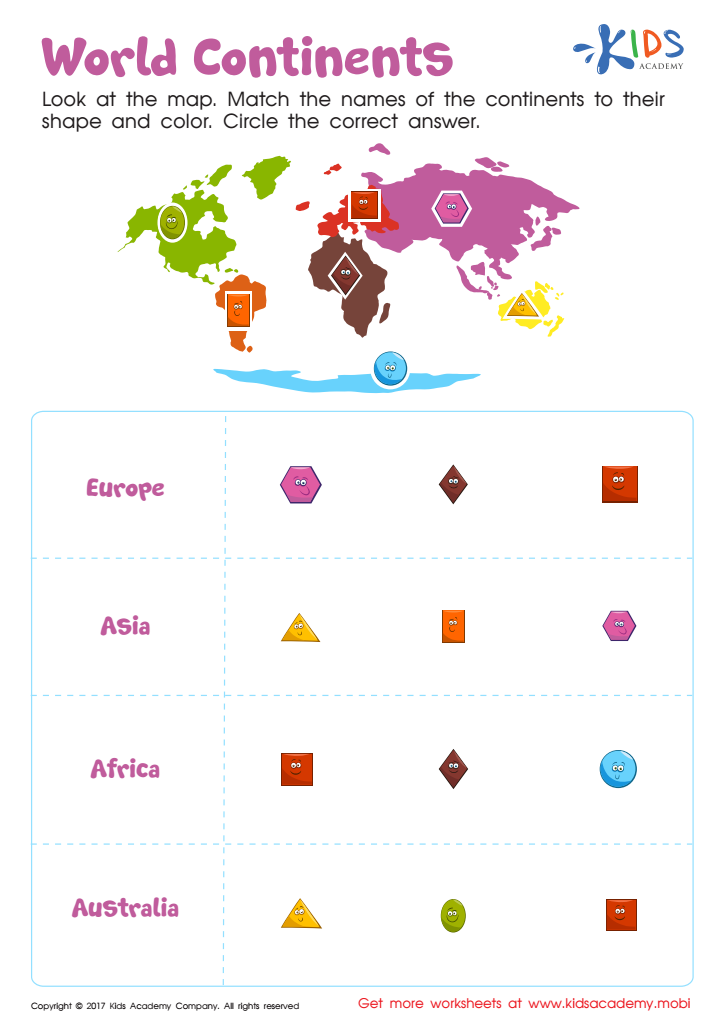
World Continents Worksheet
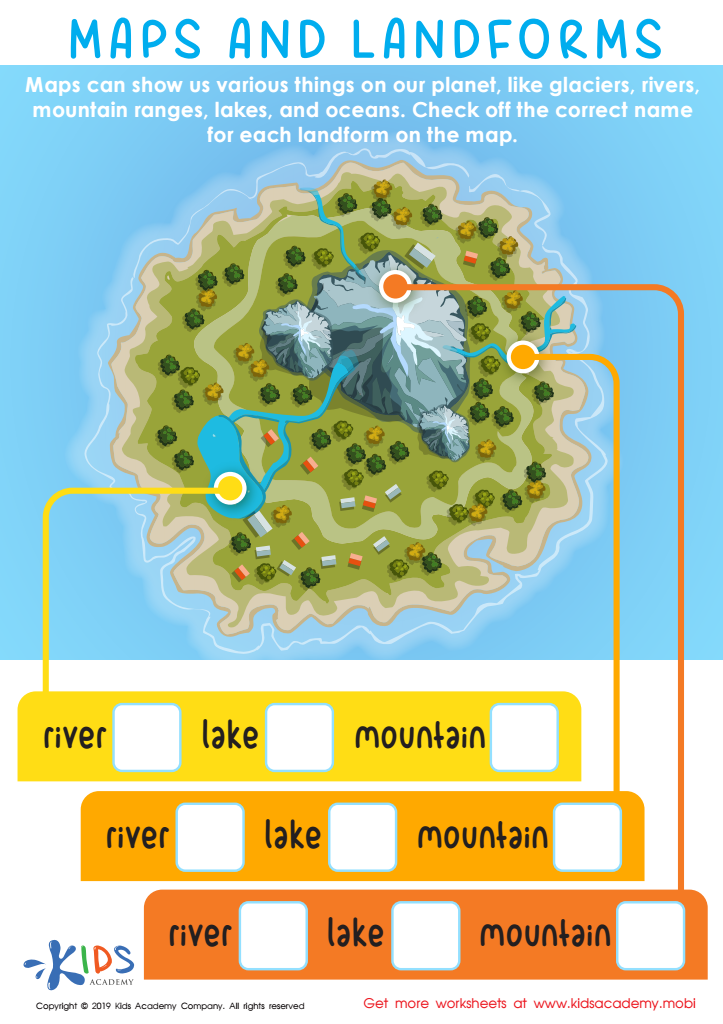
Maps and Landforms Worksheet
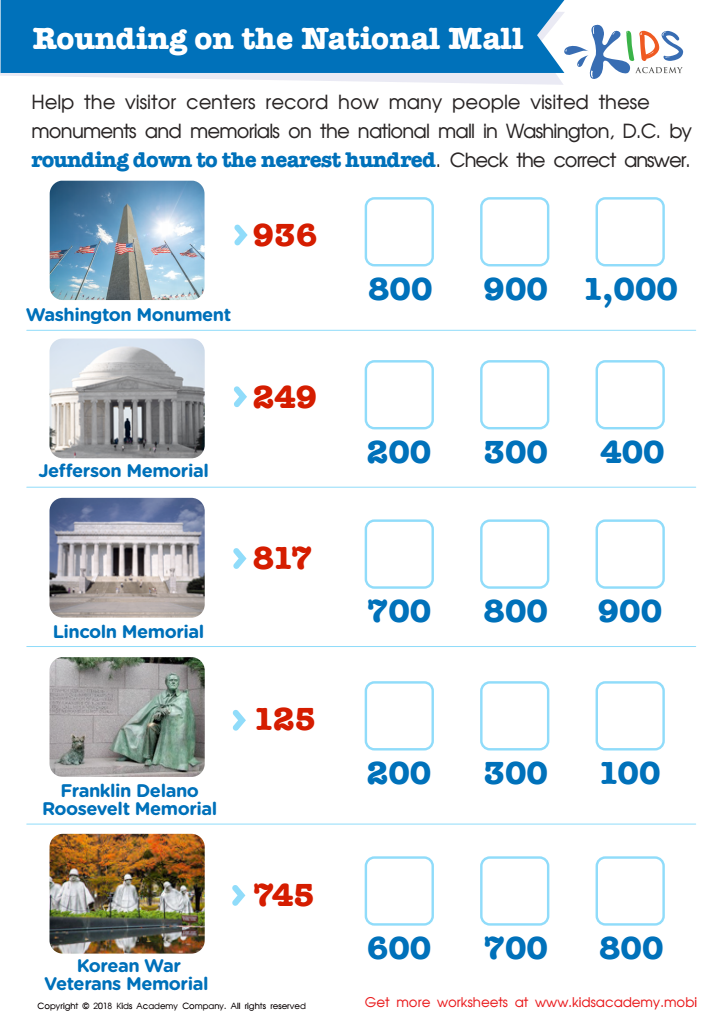
Rounding on the National Mall Worksheet
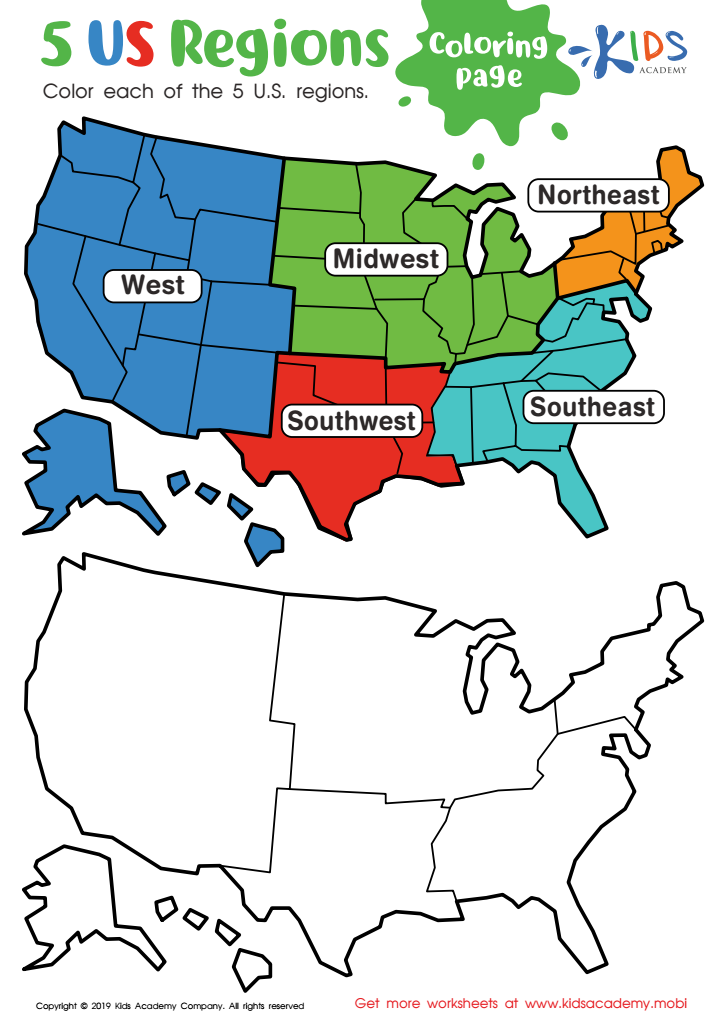
US Regions Coloring Page Worksheet
 Assign to My Students
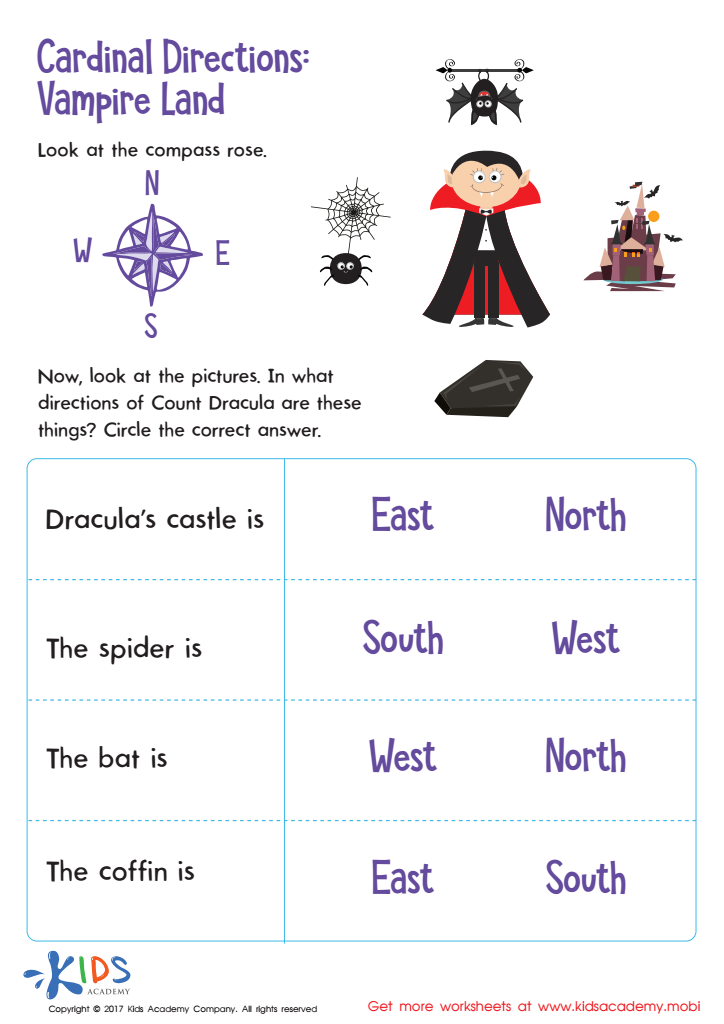
Cardinal Directions Printable
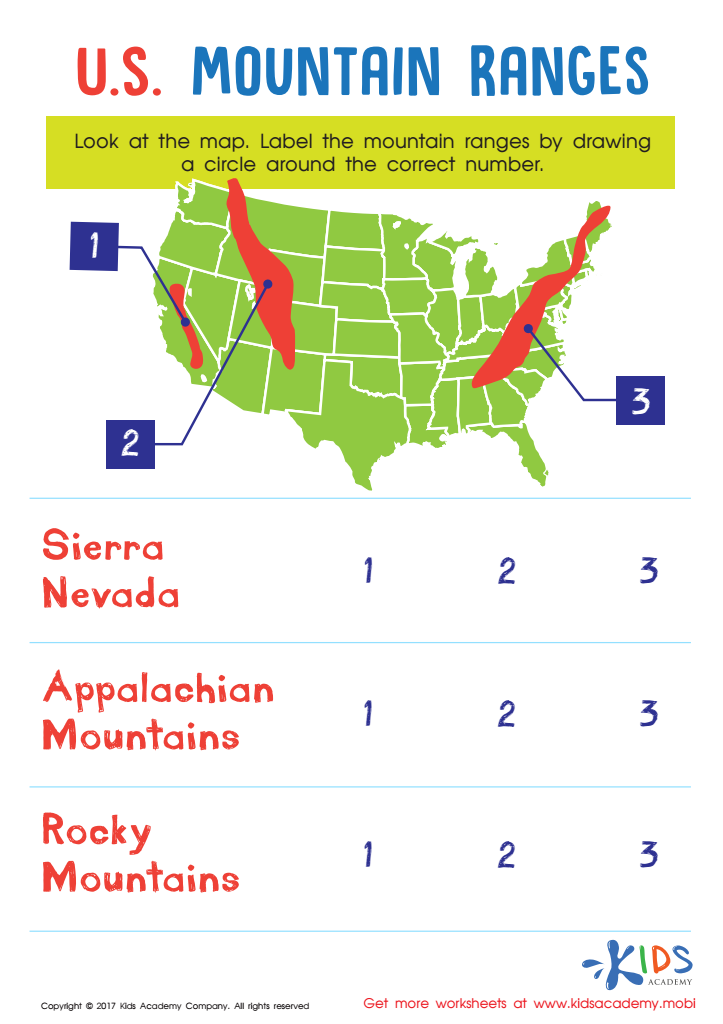
US Mountain Ranges Worksheet
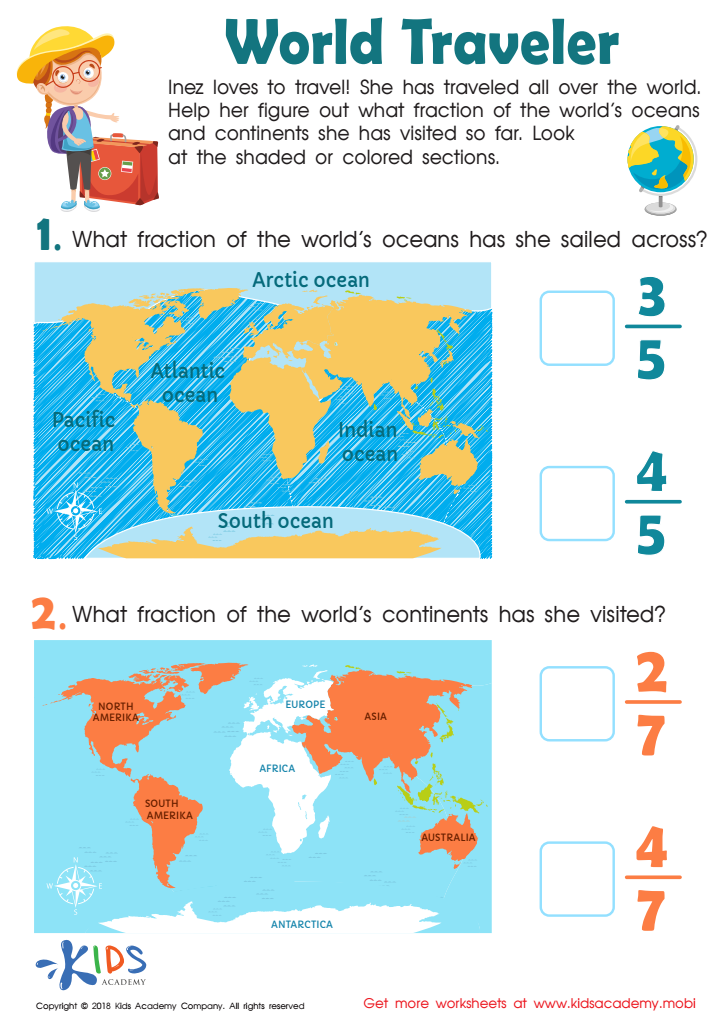
World Traveler Worksheet





.jpg)

Map reading skills are essential for young children, especially those aged 6-8, as it lays the foundation for a variety of crucial cognitive and practical abilities. At this age, children are developing spatial awareness, which is critical for understanding their own environments and how they relate to the world around them. Mastering map reading can enhance these skills, allowing them to grasp concepts like distance, direction, and scale.
For parents and teachers, incorporating map reading into early education can significantly boost problem-solving abilities and foster independence. By interpreting symbols, legends, and coordinates, children learn to process and organize information, which enhances their analytical thinking. This ability is not only central to geography but also translates to improved proficiency in other school subjects like math and science.
Moreover, map reading cultivates a sense of adventure and curiosity, encouraging children to explore and appreciate diverse cultures and landmarks. It promotes a global sense of awareness, helping young learners realize that the world is bigger than their immediate surroundings.
Integrating map reading skills into the curriculum or home activities also offers a practical life skill that will benefit children in various situations, from everyday navigation to participating in outdoor recreational activities. Ultimately, these skills contribute to fostering well-rounded, knowledgeable, and capable individuals.








