Understanding Sequences Normal Worksheets for Ages 6-8
8 filtered results
-
From - To
Help your child master the fundamental concept of sequences with our engaging worksheets for ages 6-8. Designed to build critical thinking and problem-solving skills, these printables guide young learners through a variety of sequence patterns using fun and interactive activities. Our worksheets are crafted to stimulate a child’s curiosity and boost their confidence in recognizing and predicting sequences. Whether in-school or at home, understanding sequences worksheets pave the way for academic success by establishing essential early learning foundations in a playful yet educational manner. Download now and watch your child’s sequential thinking skills flourish!
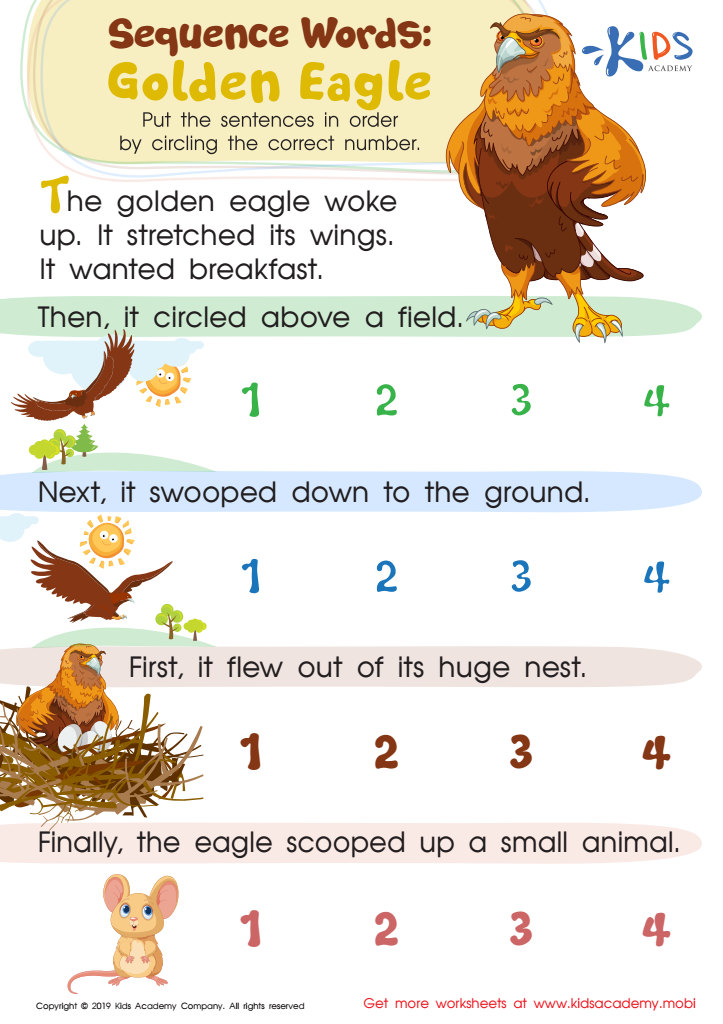
Sequence Word Eagle Worksheet
 Assign to My Students
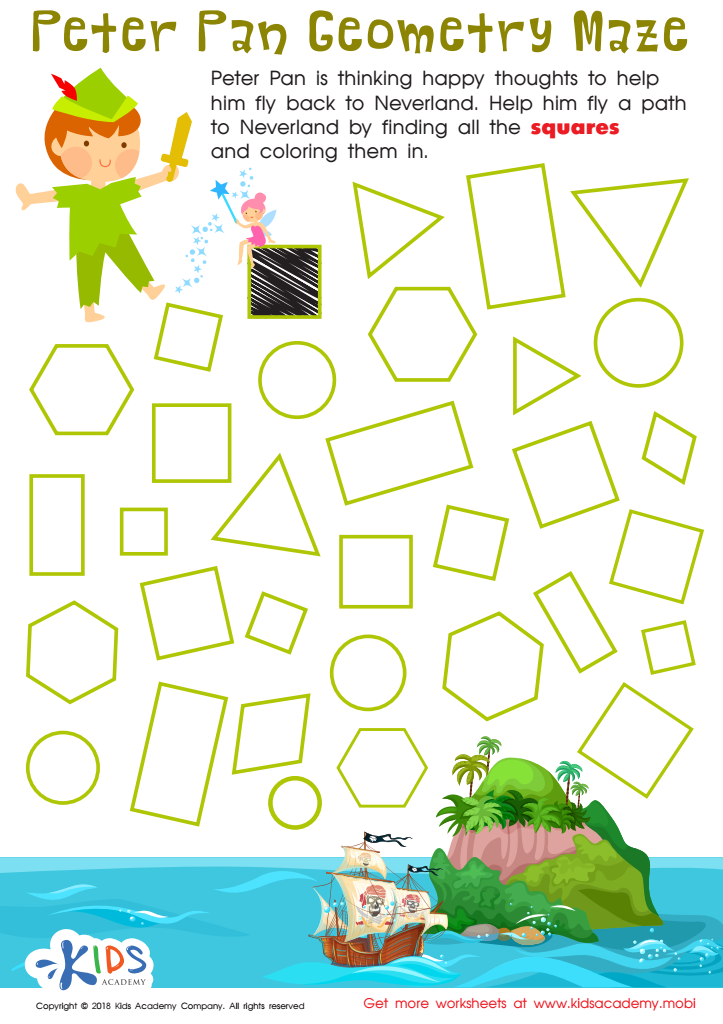
Peter Pan Worksheet
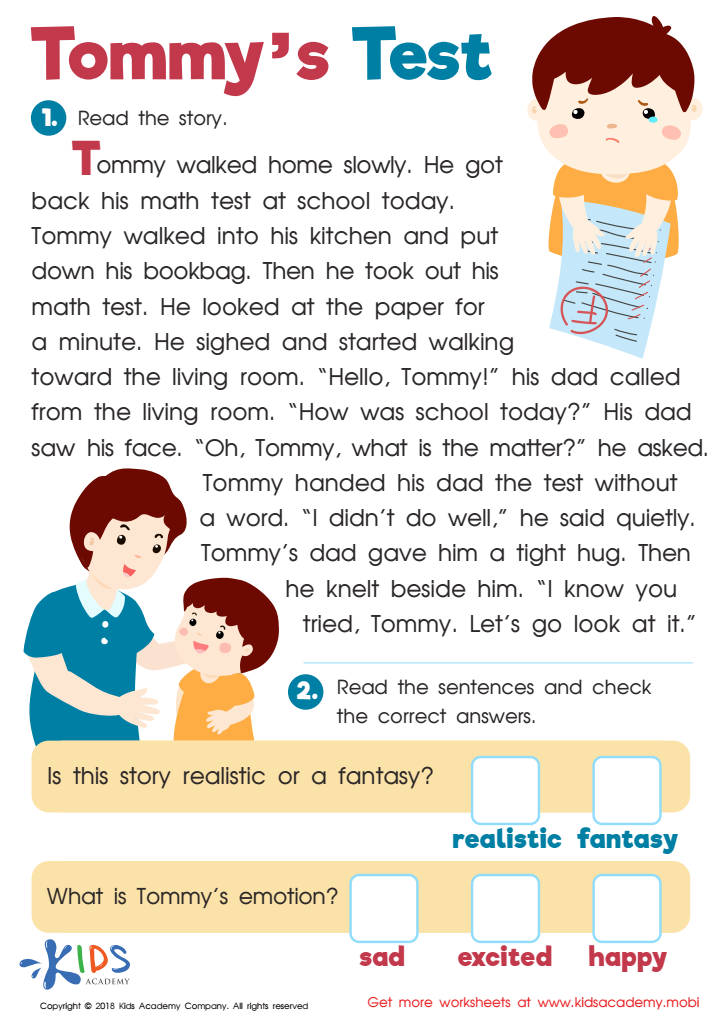
Tommys Test Worksheet
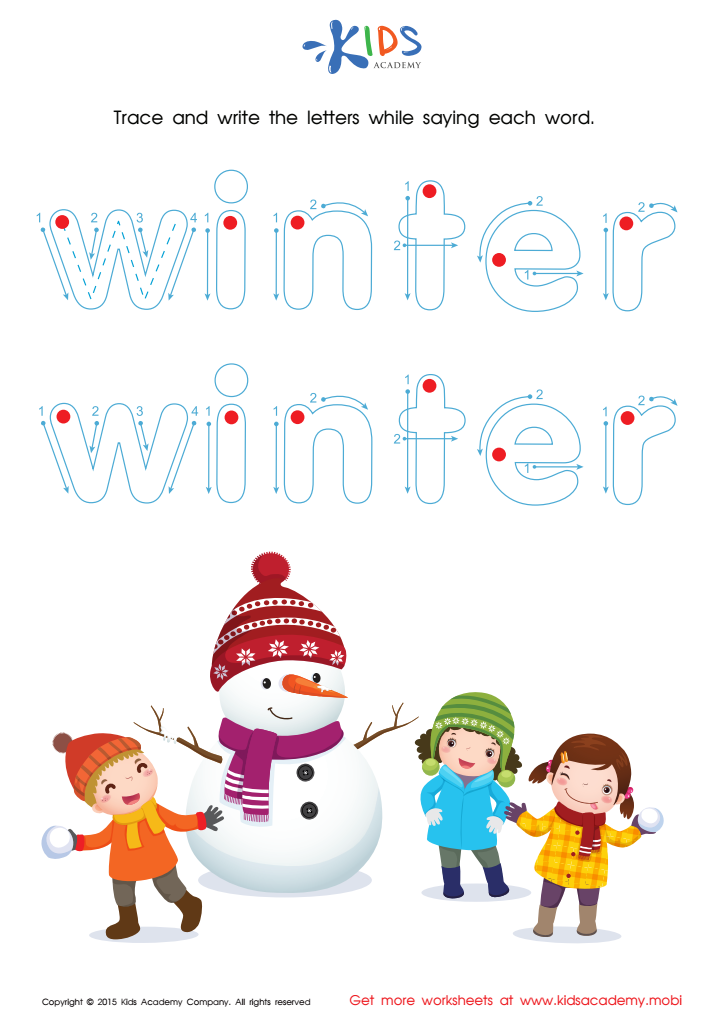
Snowman Tracing Winter Words Worksheet
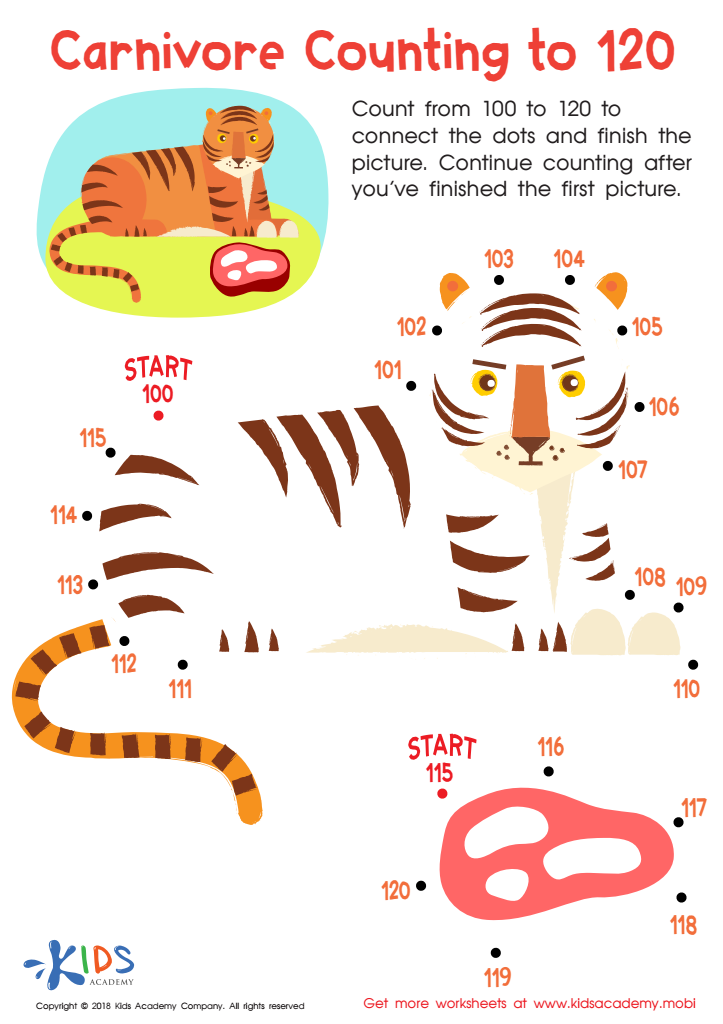
Carnivore Counting to 120 Worksheet
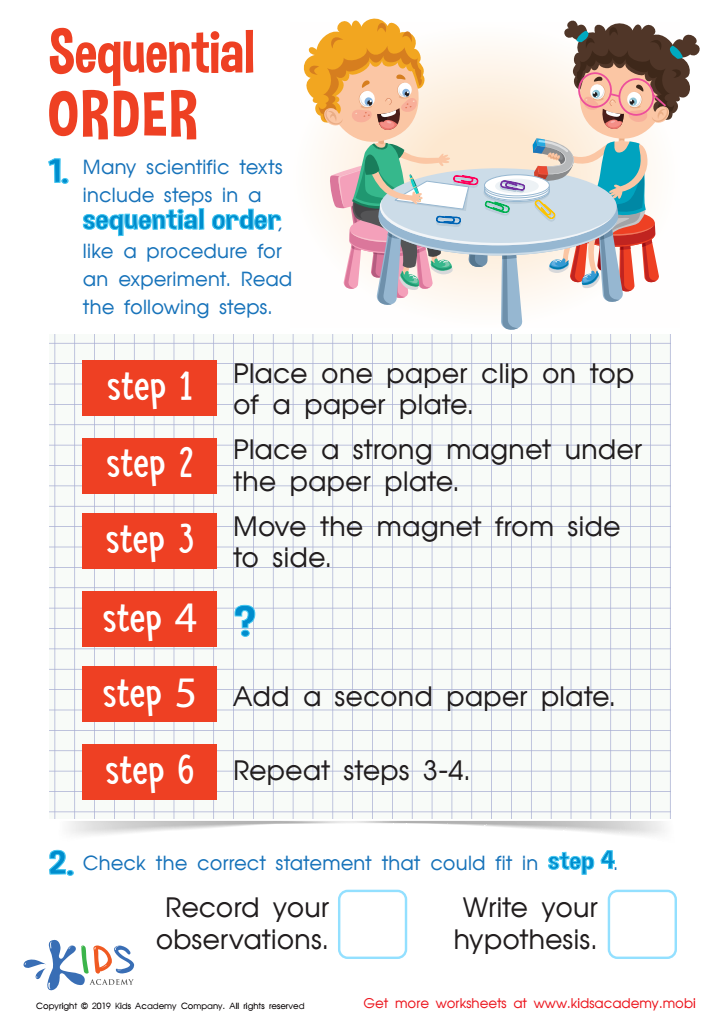
Sequencential Order Worksheet
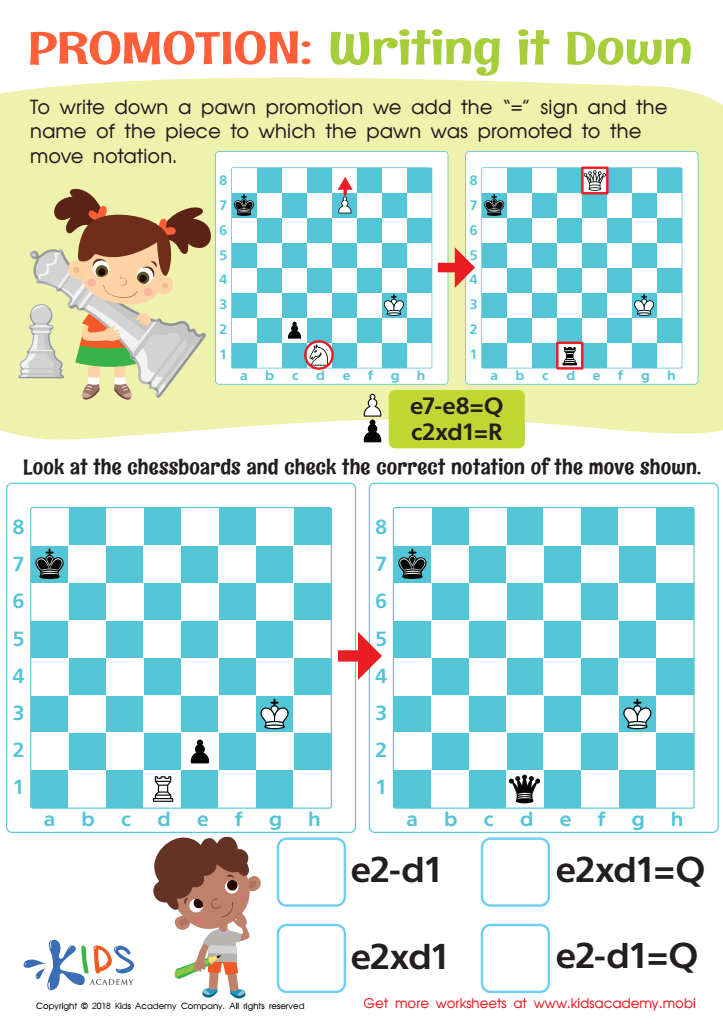
Writing it Down Worksheet
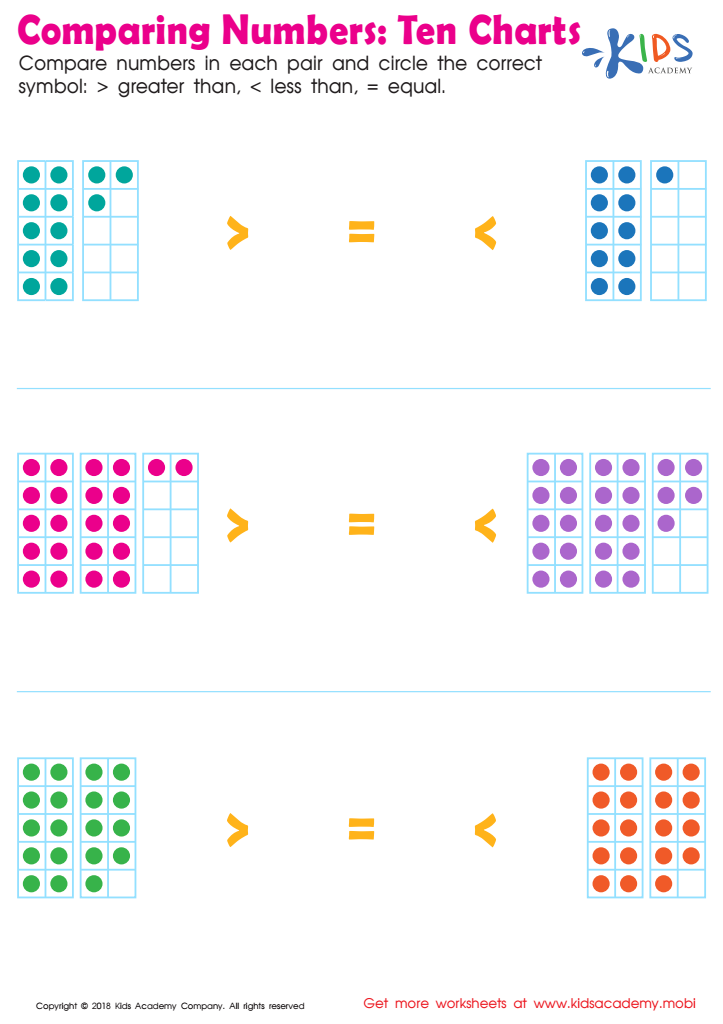
Ten Charts Worksheet








Understanding sequences is fundamental for young learners (ages 6-8) because it lays the groundwork for complex mathematical and logical thinking. Sequences involve recognizing patterns, organizing information, and making predictions—skills critical not only in mathematics but also in everyday life. When children grasp basic sequences like counting by twos, fives, or tens, they begin to understand the concept of order and the relationship between numbers.
Engaging in sequencing activities helps develop cognitive skills such as memory and attention to detail. For instance, when children remember the order of events in a story or follow steps in a process, they enhance their working memory. Furthermore, these skills foster problem-solving abilities. A child who can identify a pattern can use that skill to solve puzzles, understand daily routines, and eventually tackle more abstract concepts in math and science, like algebra and coding.
By caring about sequences, parents and teachers provide children with tools for logical reasoning. Encouraging activities that promote sequencing—such as arranging pictures in story order, playing sequencing games, or engaging in craft projects that follow specific steps—helps build a strong foundation for future academic and real-life success. This early focus on sequences supports lifelong learning and adaptability.








