Visual recognition skills Normal Worksheets for Ages 6-8
3 filtered results
-
From - To
Explore our engaging Visual Recognition Skills worksheets designed specifically for children ages 6-8. These interactive and age-appropriate resources help young learners develop essential visual recognition abilities through fun activities tailored to their cognitive levels. With a variety of exercises, including matching objects, identifying differences, and completing patterns, our worksheets promote critical thinking and concentration. Ideal for both homeschooling and classroom use, these printable materials enhance visual perception and support academic growth. Encourage your child’s creativity and observation skills while fostering a love of learning. Dive into our collection and watch your child's visual recognition skills blossom!
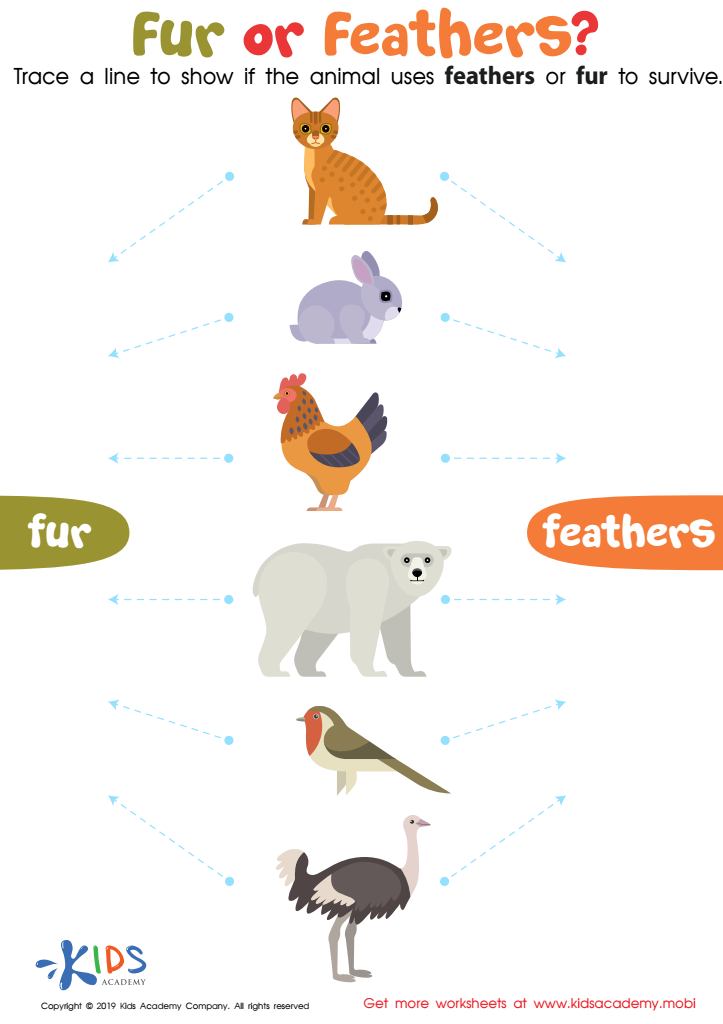
Fur or Feathers? Worksheet
 Assign to My Students
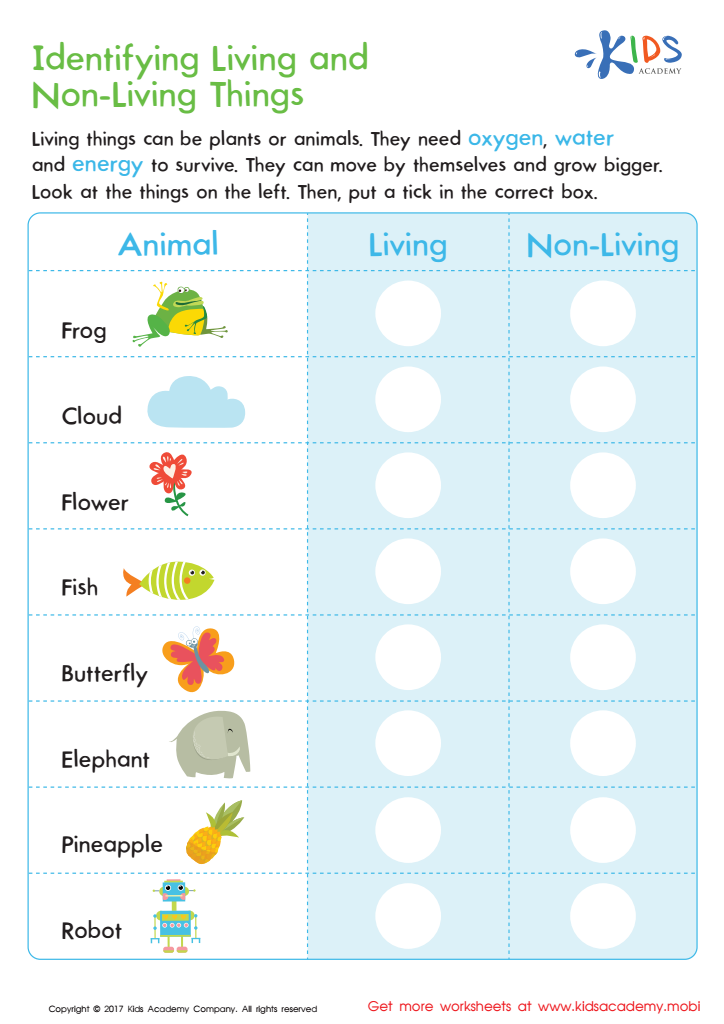
Identifying Living or Non–living Worksheet
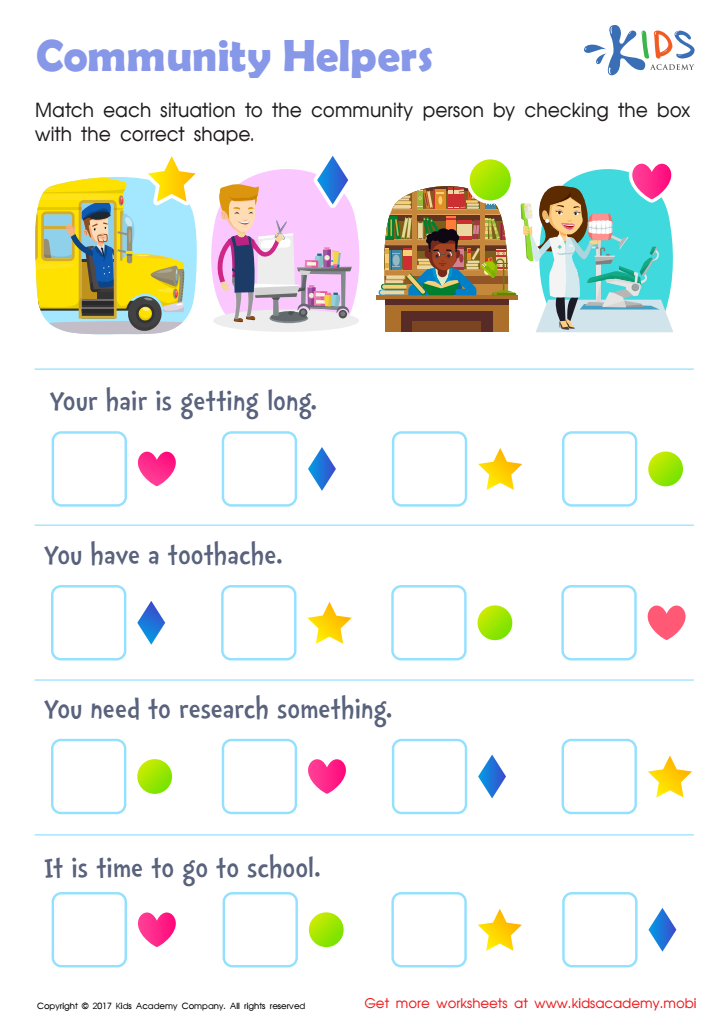



.jpg)




Visual recognition skills are crucial for children aged 6-8, as they form the foundation for various learning processes. During this developmental stage, children refine their ability to identify, interpret, and distinguish between different shapes, colors, letters, and objects. This competence is vital for literacy development, as recognizing letters and sight words directly impacts reading fluency.
Moreover, strong visual recognition aids in math, enabling children to identify numbers and patterns effectively. These skills also bolster artistic expression, enhancing creativity and encouraging students to explore concepts visually. Teachers and parents should care about nurturing these skills because they are instrumental in a child’s overall academic success.
Additionally, visual recognition plays a significant role in social interactions, helping children perceive non-verbal cues and navigate social situations more effectively. Poor visual recognition can lead to frustration and a lack of confidence in children as they struggle to keep pace with their peers. By actively supporting the development of these skills through engaging activities like games, arts, and hands-on projects, adults can create a supportive learning environment that fosters growth, curiosity, and self-assurance in young learners. Investing in visual recognition lays the groundwork for lifelong learning and adaptability.








