Critical Thinking Normal Addition & Subtraction Worksheets for Ages 6-8
6 filtered results
-
From - To
Enhance your child's math skills with our "Critical Thinking Normal Addition & Subtraction Worksheets" specially designed for ages 6-8. These engaging worksheets not only focus on basic addition and subtraction but also foster critical thinking skills. Each worksheet is crafted to challenge young minds, encouraging them to analyze, reason, and solve problems creatively. With a variety of exercises that promote logical reasoning and understanding of mathematical concepts, children will enjoy a fun and interactive learning experience. Perfect for at-home practice or classroom use, our worksheets guarantee a solid foundation in math while boosting cognitive development. Discover the joy of learning today!
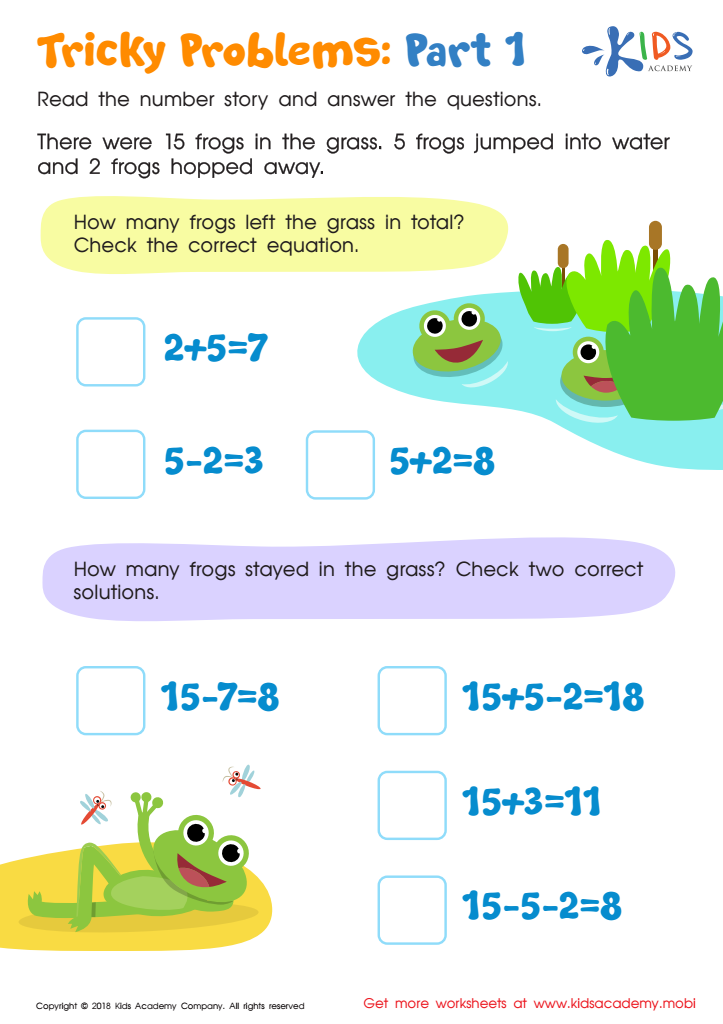
Tricky Problems Worksheet: Part 1
 Assign to My Students
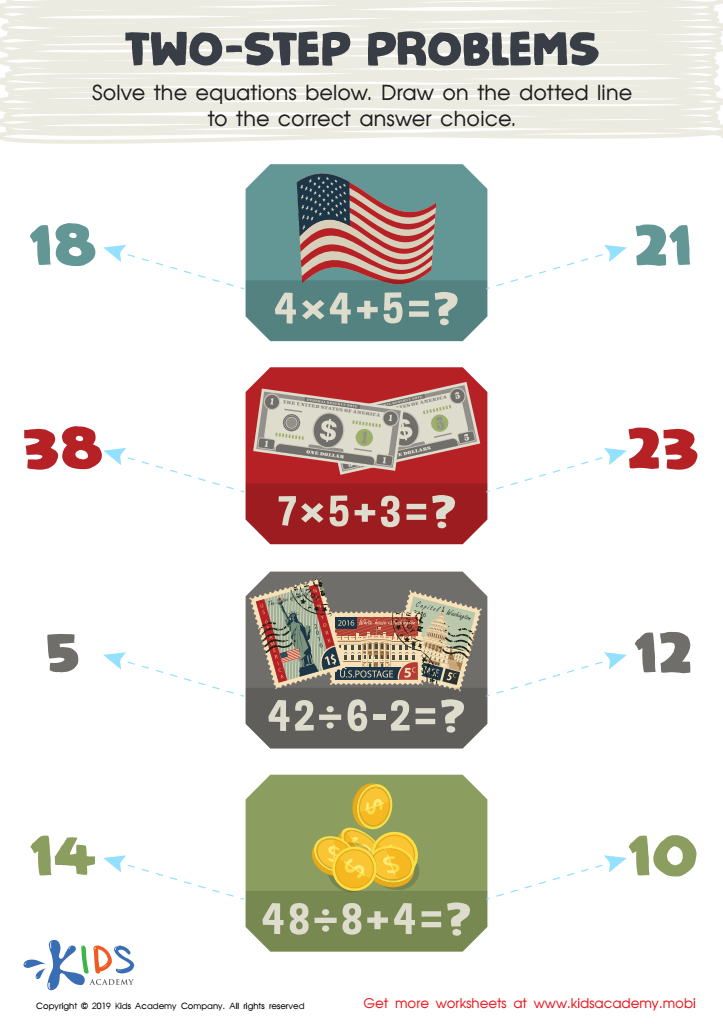
Two-Step Problems Worksheet
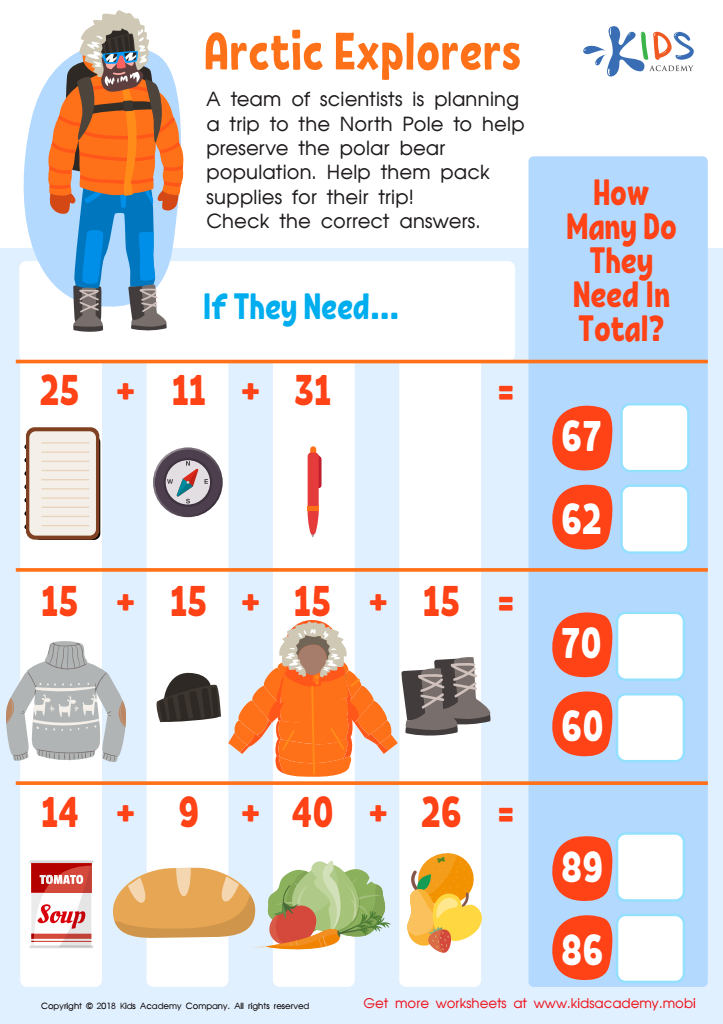
Arctic Explorers Worksheet
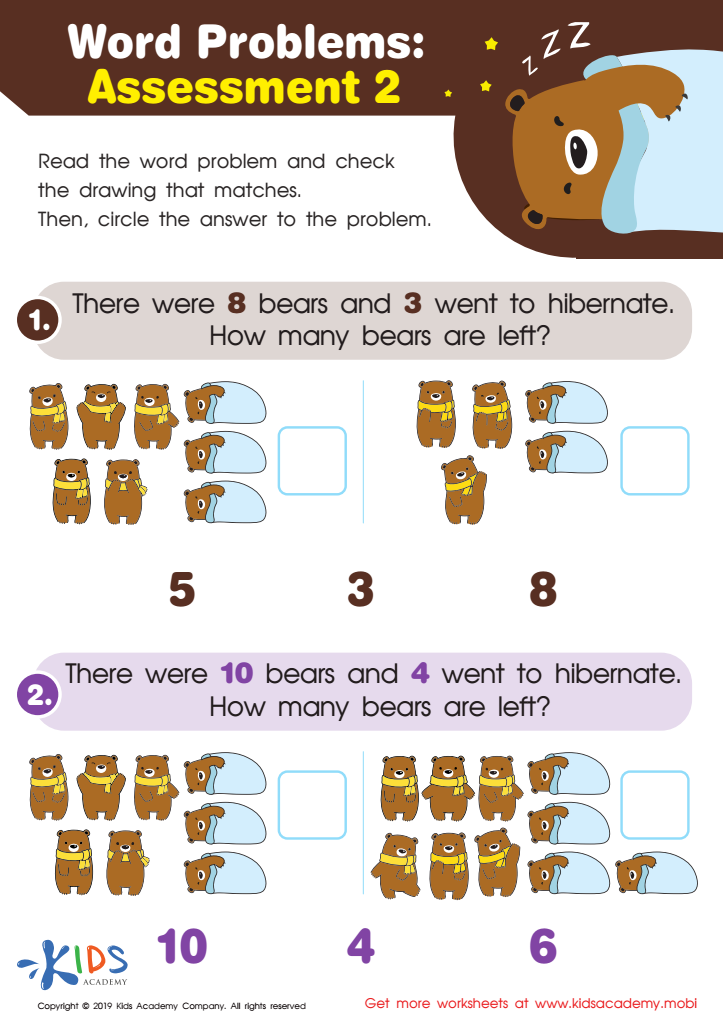
Word Problems: Assessment 2 Worksheet
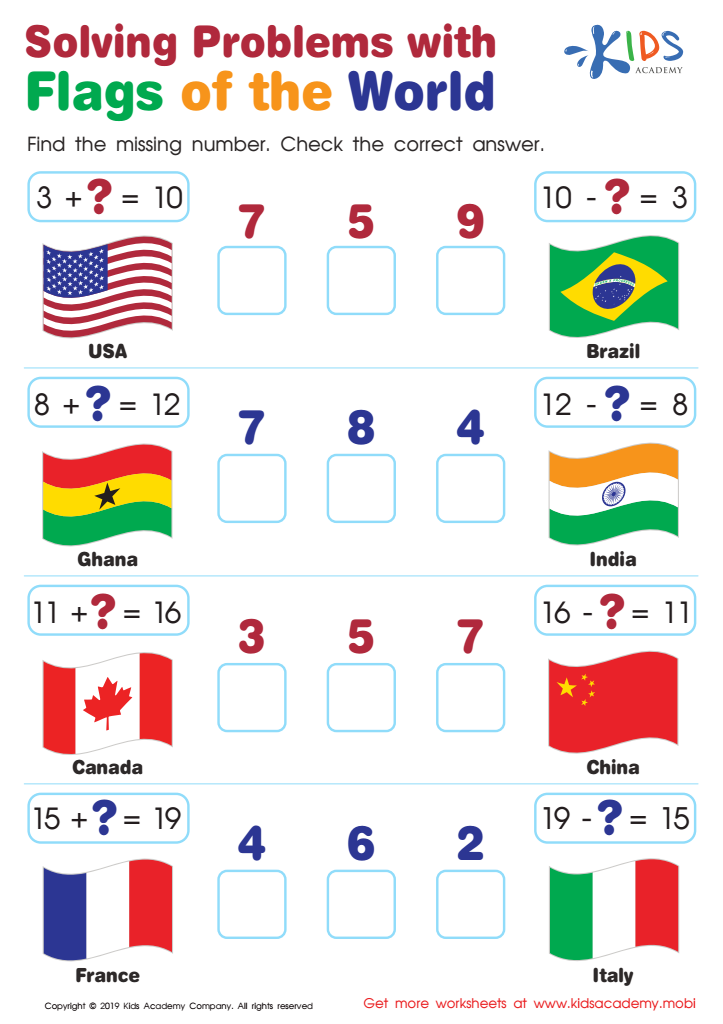
Solving Problems with Flags of the World Worksheet
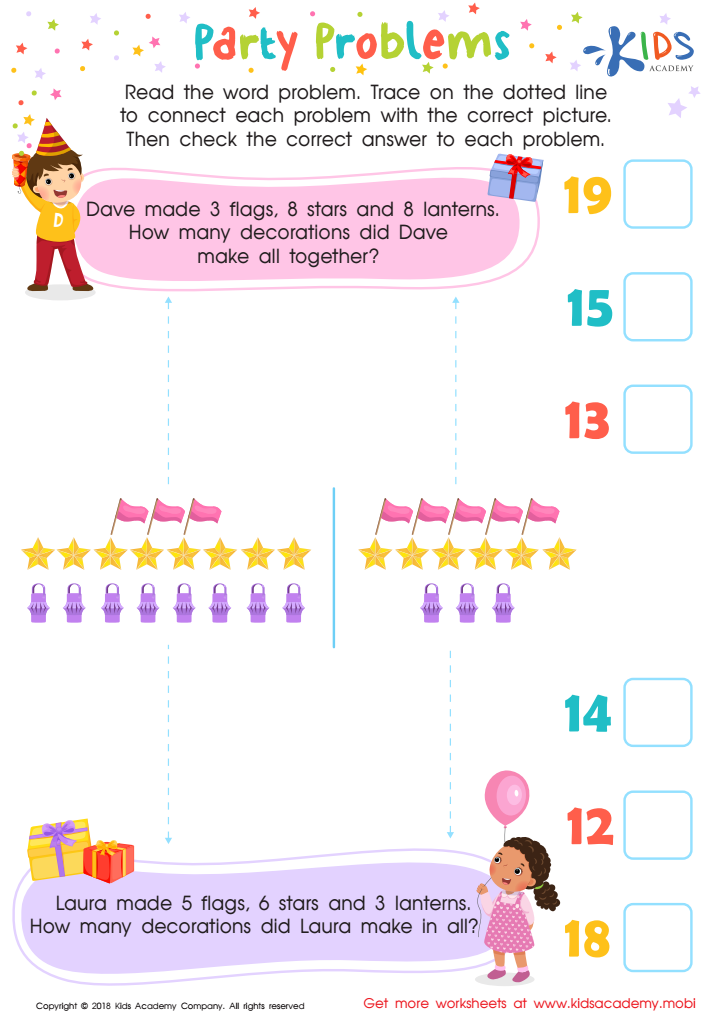
Party Problems Worksheet








Parents and teachers should prioritize critical thinking in normal addition and subtraction for children aged 6-8 because it is foundational for lifelong learning and cognitive development. At this age, children are beginning to grasp mathematical concepts that will serve them throughout their academic journey. Encouraging critical thinking helps children to understand not just how to perform calculations, but why these processes work. This deeper understanding fosters a sense of curiosity and confidence in problem-solving.
When children engage in critical thinking exercises related to addition and subtraction, they learn to analyze problems, consider various strategies, and think creatively about solutions. This analytical skill set extends beyond math; it nurtures their ability to evaluate information and make informed decisions in daily life. Additionally, cultivating these skills can enhance their collaborative capabilities, as they often work in teams during math activities, learning from each other’s perspectives.
Moreover, fostering critical thinking early helps to combat math anxiety, creating a positive association with the subject. As children become comfortable with their mathematical reasoning, they develop resilience and adaptability—skills essential in our ever-changing world. In essence, integrating critical thinking in mathematics not only enriches a child’s academic experience but also equips them for future challenges.








