Interpreting data Normal Numbers Worksheets for Ages 6-8
3 filtered results
-
From - To
Welcome to our Interpreting Data Normal Numbers Worksheets, perfect for children ages 6-8! Designed to enhance young learners' numeracy skills, these engaging worksheets focus on teaching kids how to interpret basic data using relatable contexts. With easy-to-follow exercises, children will enjoy visualizing numbers through charts, graphs, and simple tables, making learning fun and interactive. These worksheets not only promote critical thinking and analytical abilities but also help build a strong mathematical foundation. Dive into a world of numbers today and watch your child gain confidence in interpreting data effectively. Ideal for classroom use or at-home learning!
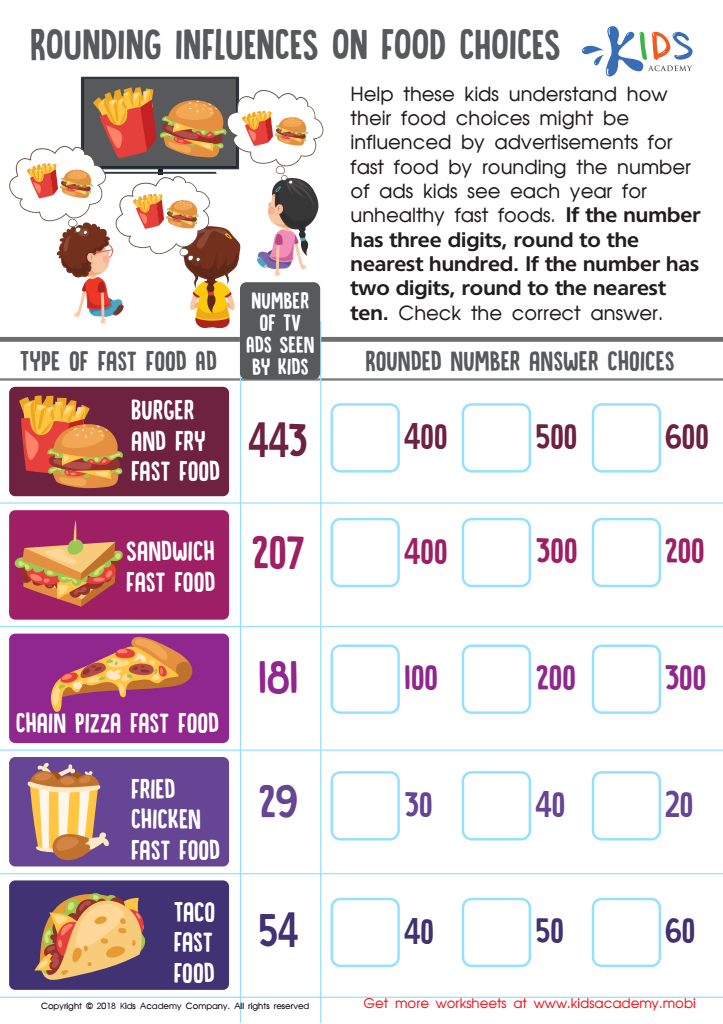
Rounding Influences Food Choices Worksheet
 Assign to My Students
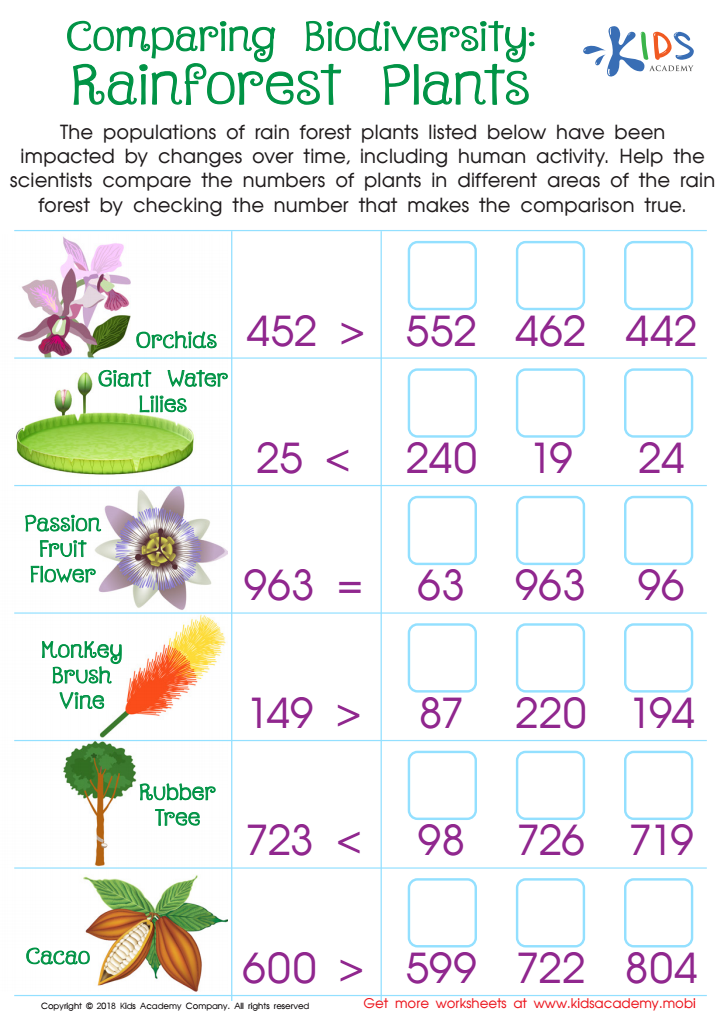
Comparing Biodiversity: Rainforest Plants Worksheet
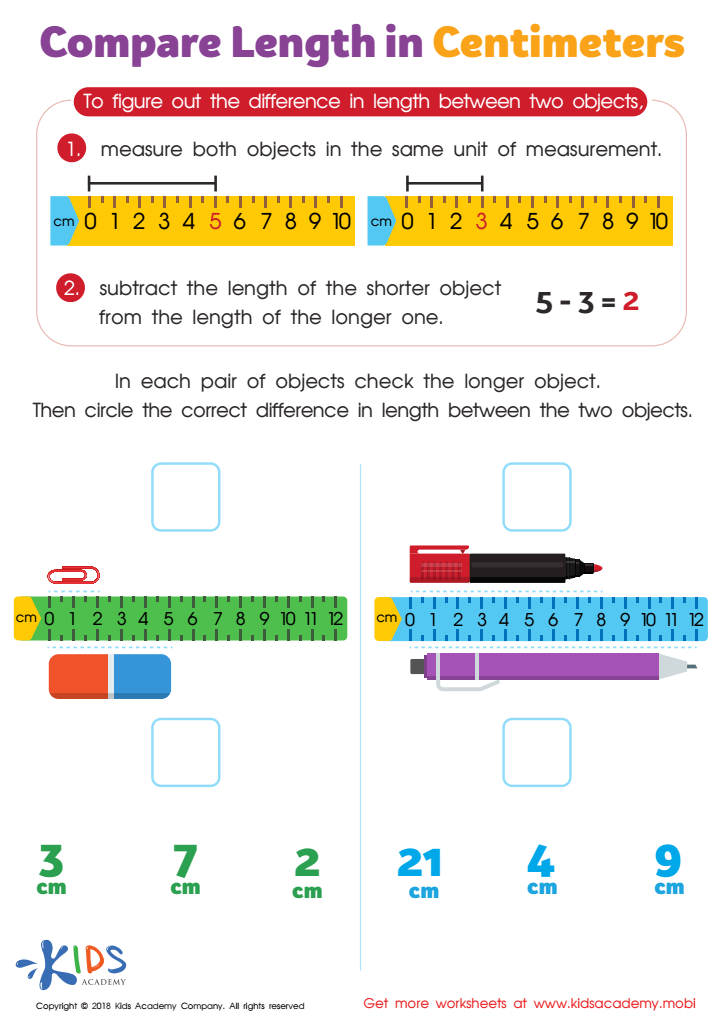
Compare Length in Centimeters Worksheet








Interpreting data and understanding normal numbers is crucial for children aged 6-8 as it lays the groundwork for essential math skills. At this age, children are increasingly engaged with numbers and begin to develop a deeper understanding of basic concepts such as counting, addition, and subtraction. By interpreting data related to normal numbers, children learn how to identify patterns, make comparisons, and draw conclusions from the information presented.
Parents and teachers should prioritize this skill development because it fosters critical thinking and problem-solving abilities. Strong numerical reasoning in early grades correlates with later academic success in mathematics and related fields. Moreover, by guiding children in recognizing and using normal numbers in real-world contexts—like analyzing sports scores, understanding simple graphs, or making sense of measurement—they can enhance their engagement and curiosity about mathematics.
Additionally, parents and teachers serve as role models. Demonstrating how to interpret and apply number-based data in everyday situations reinforces the importance of math in daily life, encouraging a positive attitude toward learning. Ultimately, equipping children with these skills encourages confidence and fosters lifelong learning habits in math, benefiting their overall educational journey.








