Basic Math Skills Normal Math Worksheets for Ages 6-8 - Page 2
34 filtered results
-
From - To
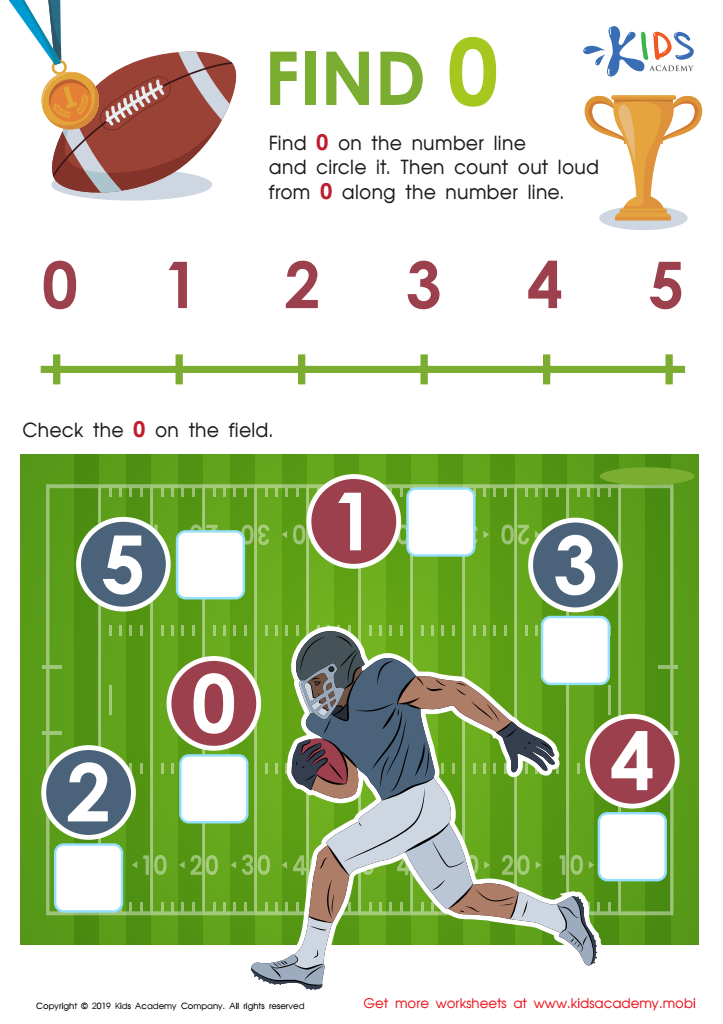
Find 0 Worksheet
 Assign to My Students
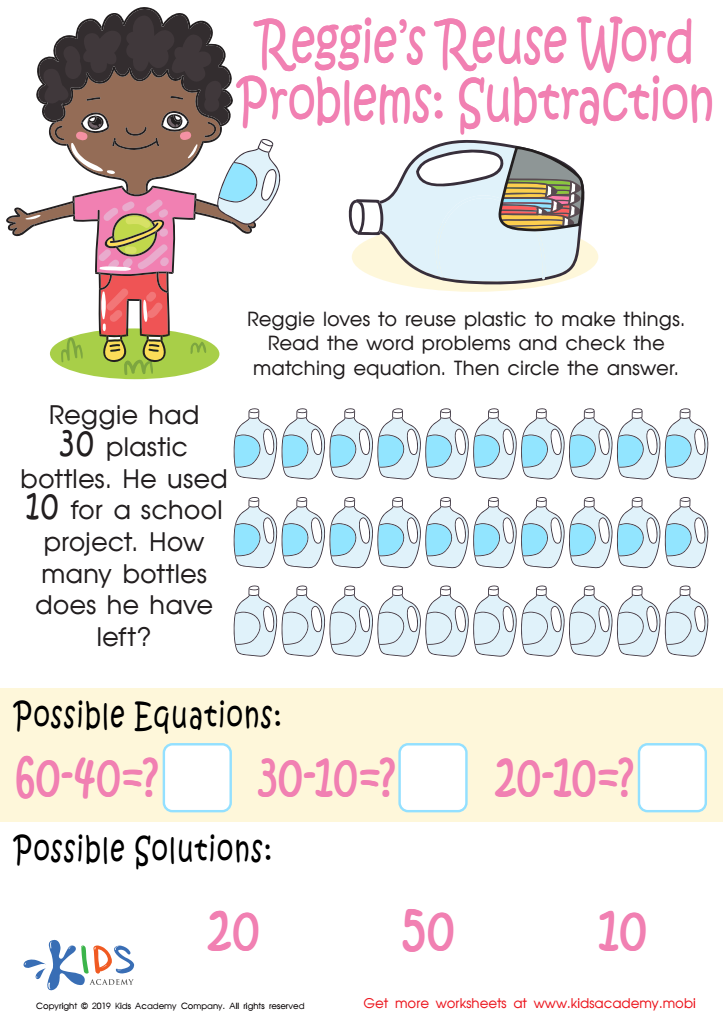
Reggie's Reuse Word Problems: Subtraction Worksheet
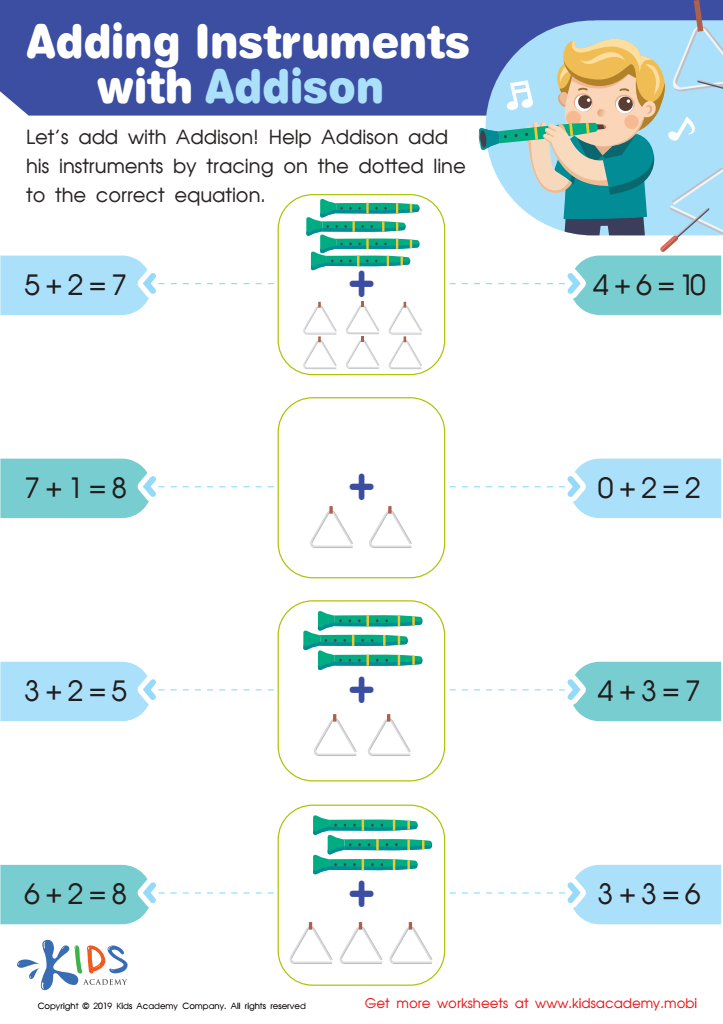
Adding Instruments with Addison Worksheet
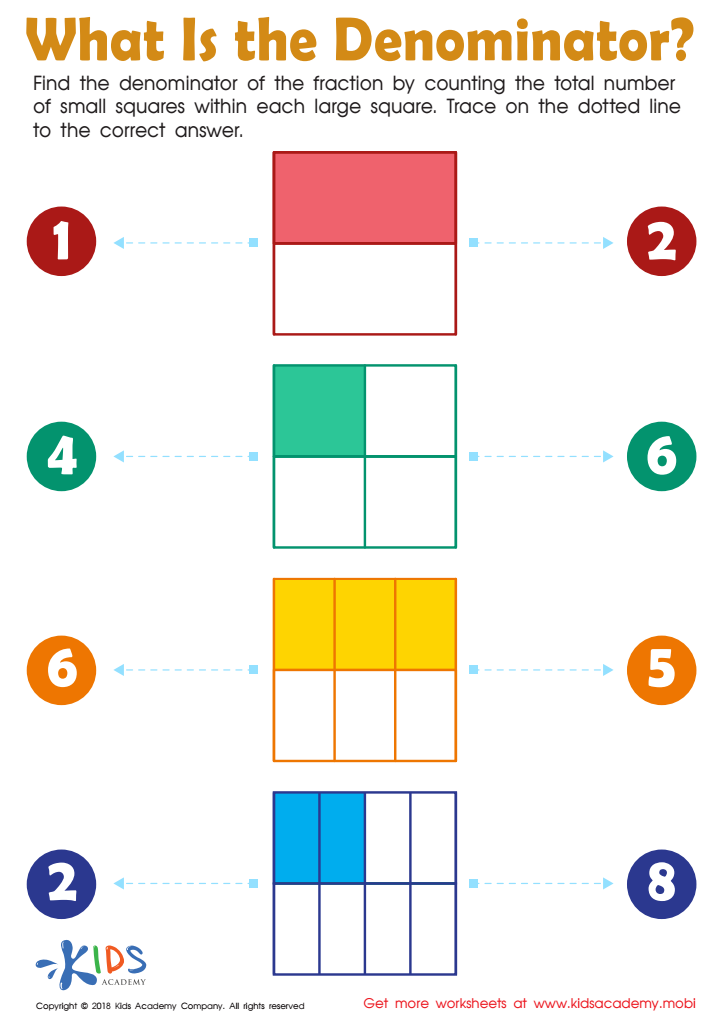
What Is the Denominator? Worksheet
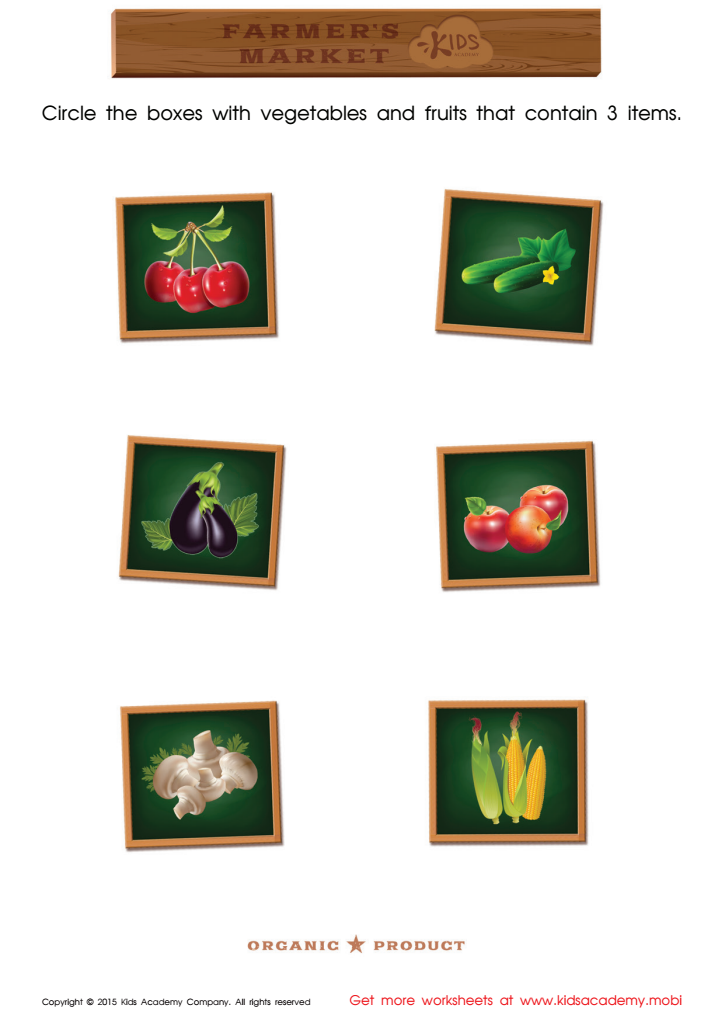
Count and Match Vegetables 1 – 5 Math Worksheet
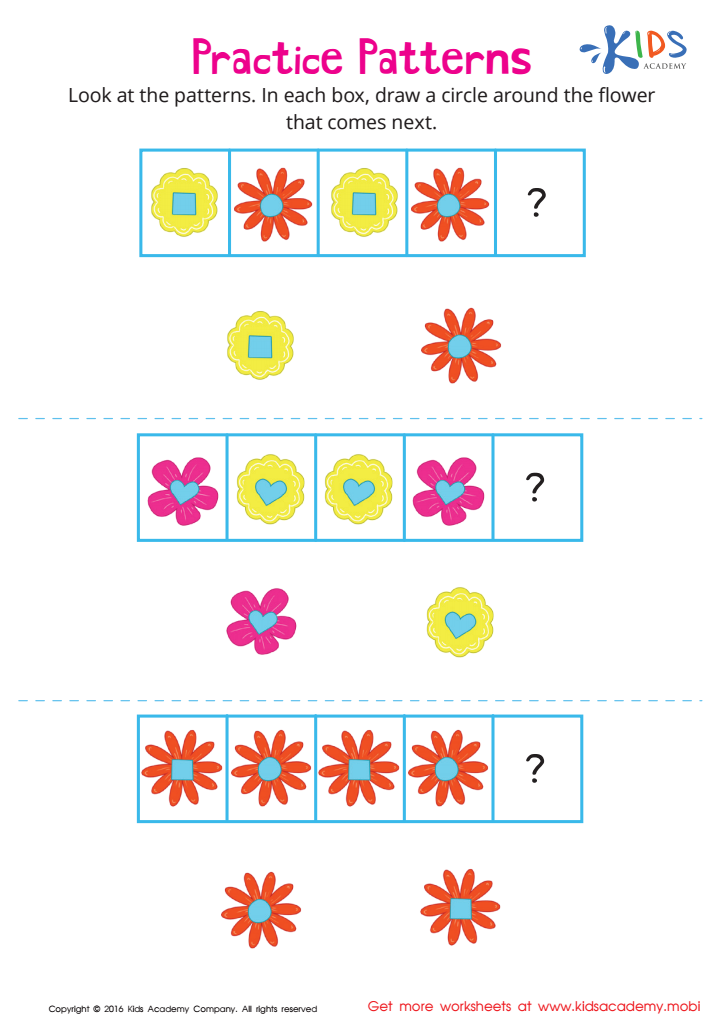
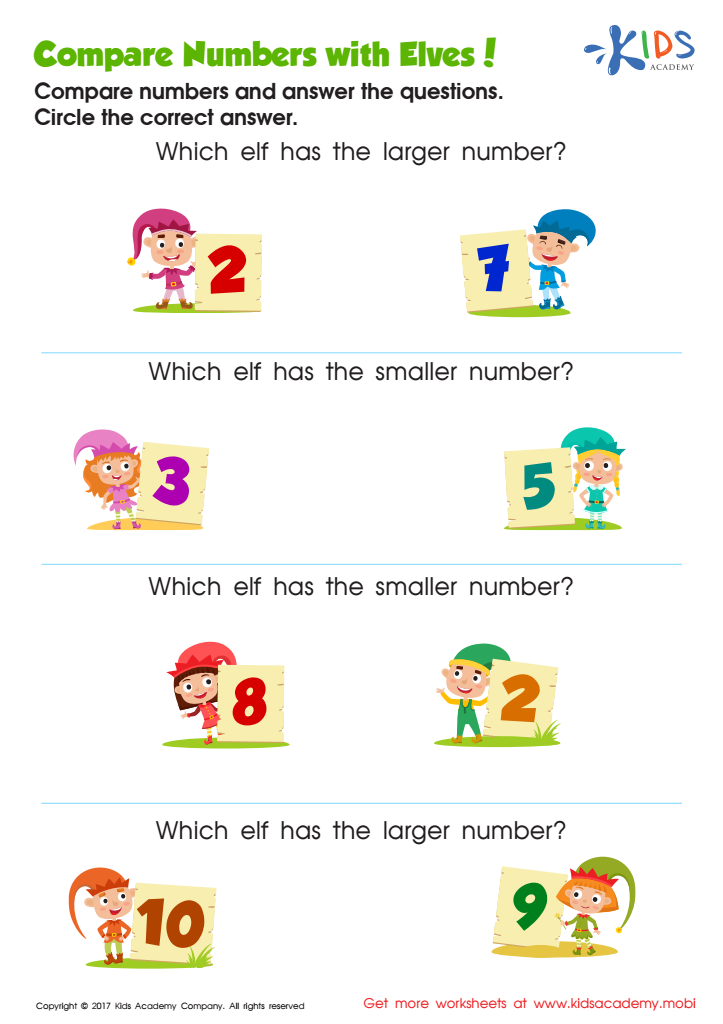
Comparing Numbers Worksheet for Kindergarten
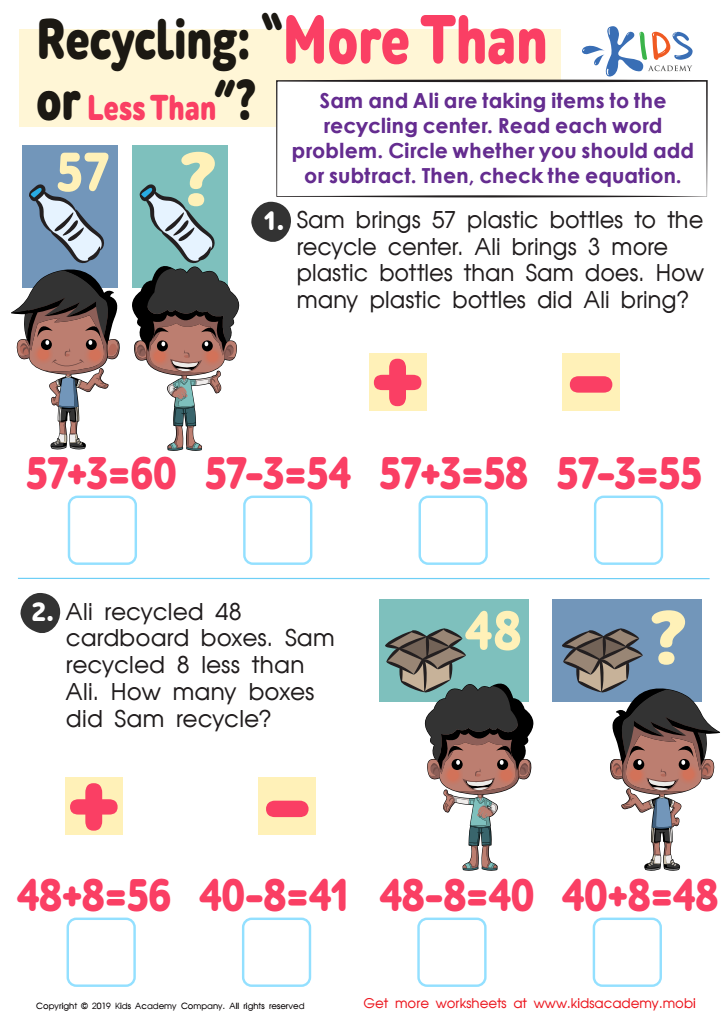
Recycling - More or Less Worksheet
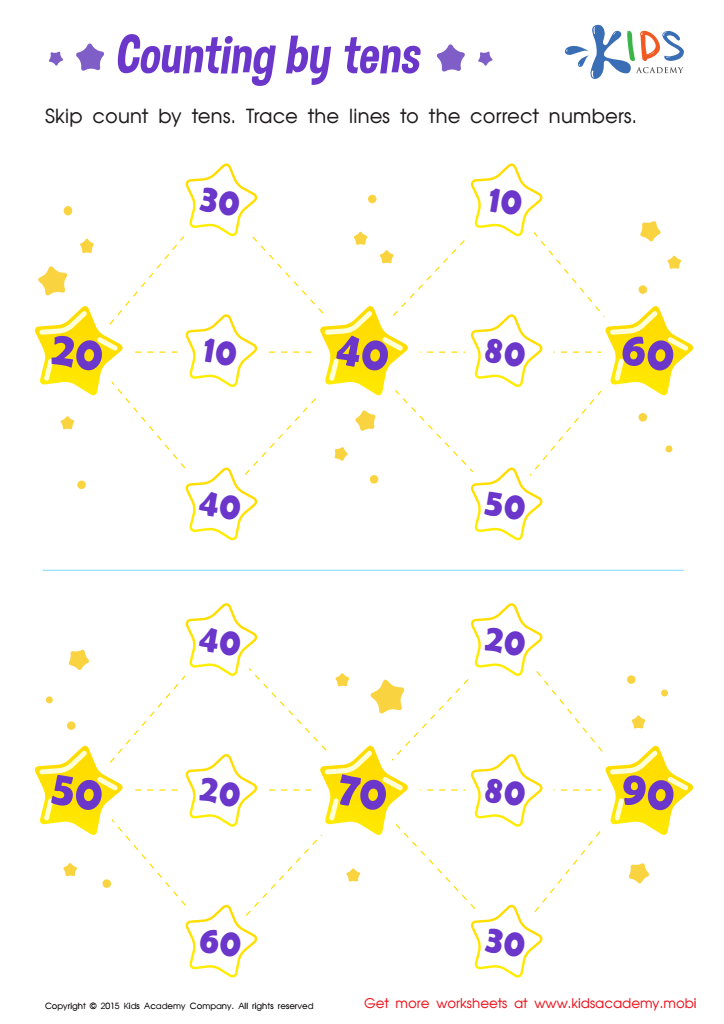
Learn Dozens: Counting by Tens Printable
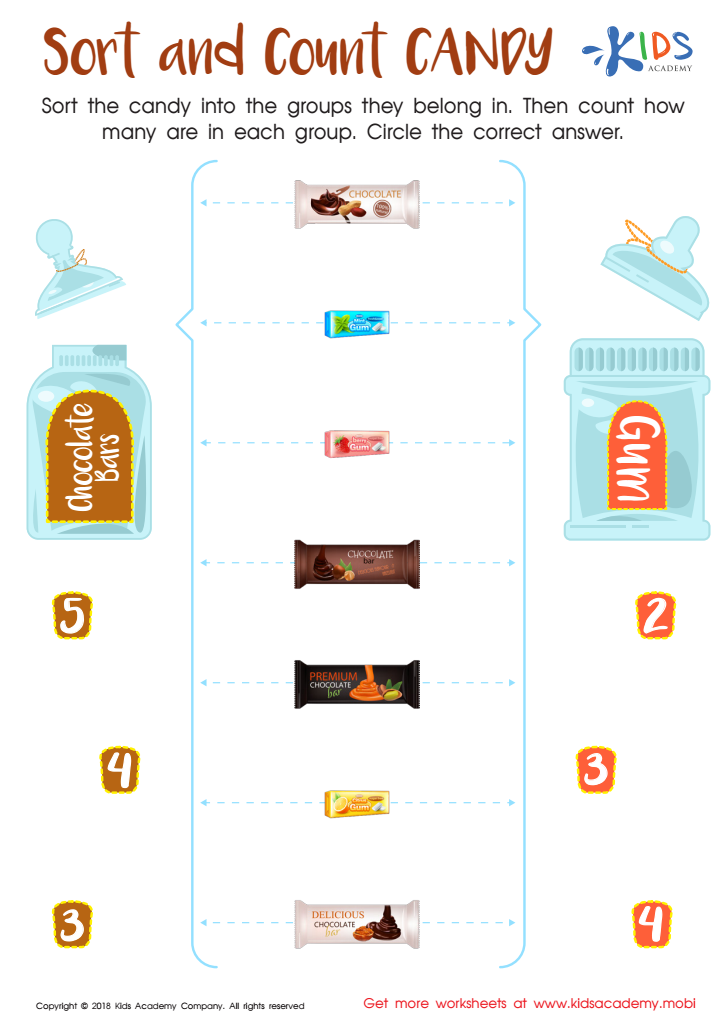
Sort and Count Candy Worksheet







Basic math skills are foundational for children aged 6 to 8, forming the bedrock for future mathematical understanding and overall academic success. During these formative years, children are introduced to essential concepts such as addition, subtraction, and an understanding of simple numbers and patterns. Mastering these skills not only helps them perform better in math class, but also fosters critical thinking and problem-solving abilities that are essential in everyday life.
Parents and teachers should care about normal math skills at this age because early mathematical proficiency can lead to increased confidence and motivation in learning. When children feel competent, they are more likely to engage actively in school and develop a positive attitude towards education. Moreover, math skills are intertwined with literacy, science, and fundamental life skills. Understanding math concepts aids in comprehension of measurements in cooking, budgeting, and time management as they grow older.
Investing time and resources in developing basic math skills can lay the groundwork for lifelong learning and help prevent future math anxiety. By ensuring that children achieve proficiency in early math, parents and teachers empower them to navigate the complexities of the world around them with confidence.








