Comparative analysis Normal Math Worksheets for Ages 6-8
3 filtered results
-
From - To
Explore our comprehensive comparative analysis of normal math worksheets designed for children aged 6-8. This page offers detailed insights into various worksheets that focus on developing essential math skills for early learners. Discover how these resources enhance understanding of fundamental concepts such as addition, subtraction, and basic problem-solving. Our analysis highlights the strengths and weaknesses of each worksheet, ensuring you select the best tools for your child’s educational journey. Perfect for parents, educators, or anyone seeking effective methods to support young learners, these worksheets make math engaging and enjoyable. Unlock your child's math potential with our carefully curated resources!
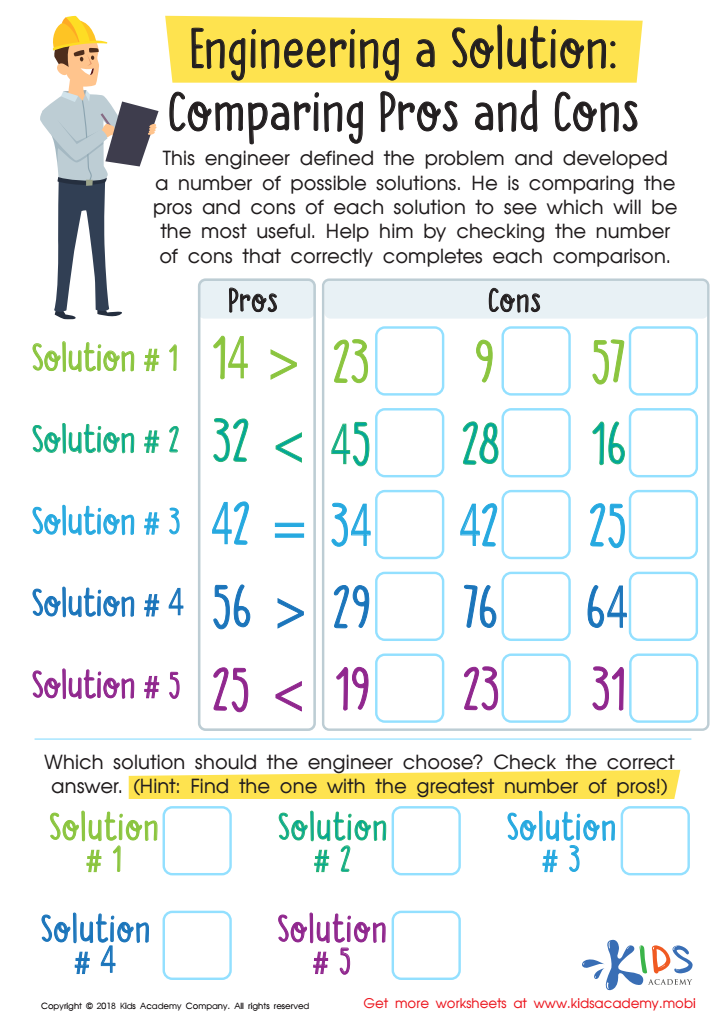
Engineering a Solution: Comparing Pros and Cons Worksheet
 Assign to My Students
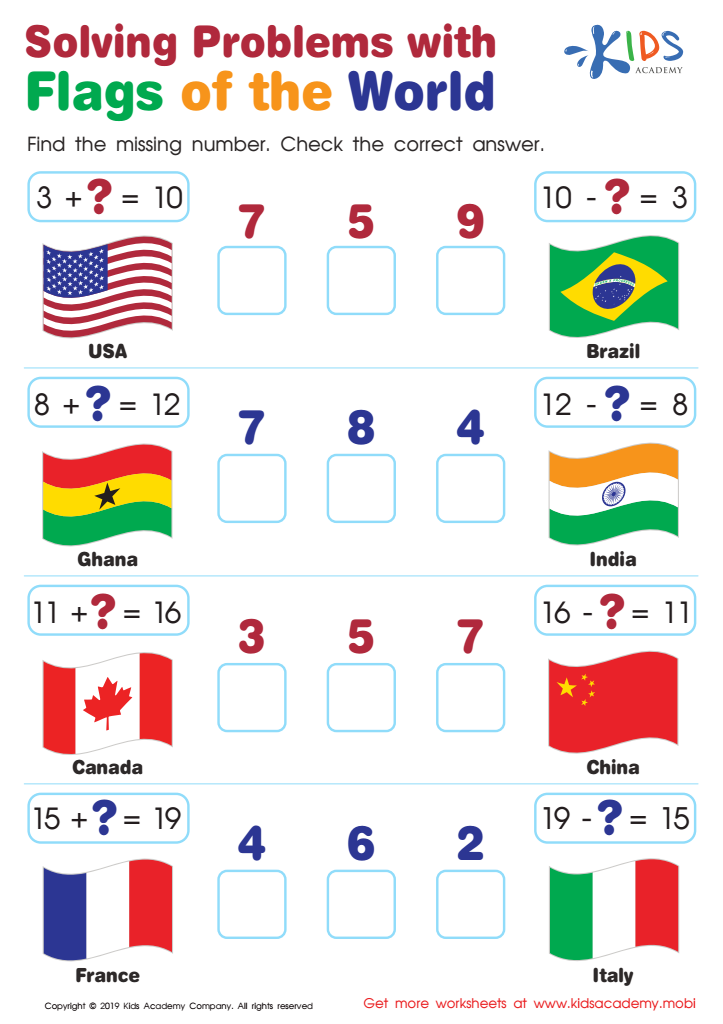
Solving Problems with Flags of the World Worksheet
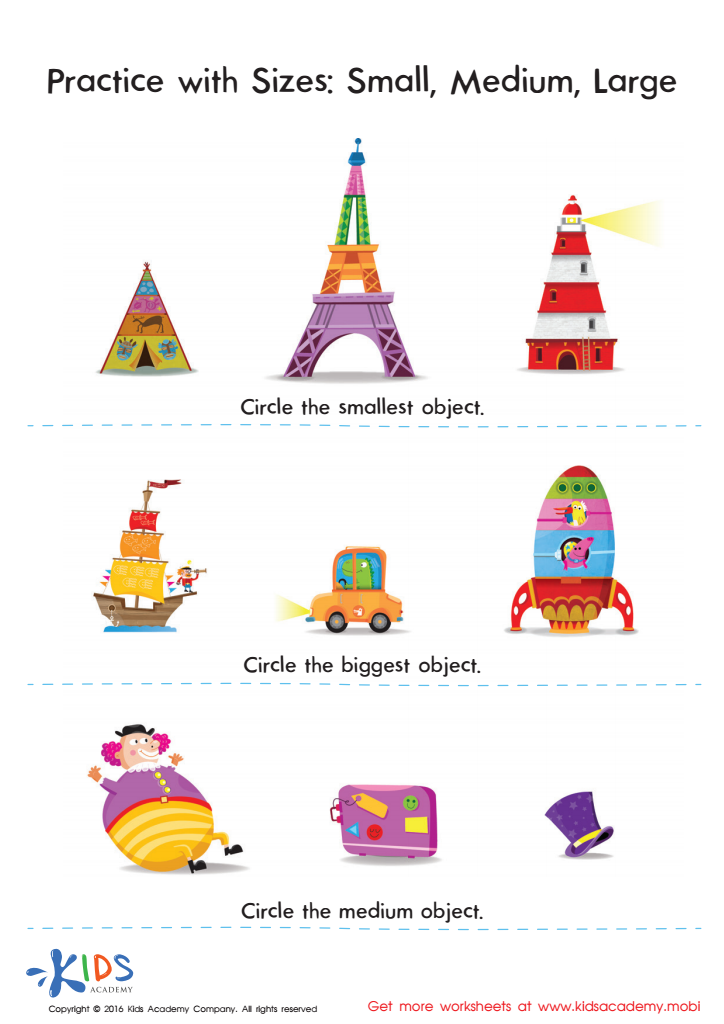








Comparative analysis in mathematics for children aged 6-8 is essential as it fosters critical thinking and enhances problem-solving abilities. At this age, children are developing foundational math skills, making it an ideal time to engage in comparative reasoning, which involves comparing numbers, shapes, and patterns to understand concepts more deeply.
Parents and teachers should care because this analytical approach not only solidifies basic arithmetic skills but also encourages children to explore relationships and reasoning behind mathematical operations. By comparing different quantities, for instance, children learn to recognize which is greater or smaller, helping them to grasp the concept of magnitude and number sense.
Moreover, engaging in comparative analysis helps children develop essential skills such as classification and estimation. It also makes mathematical concepts more tangible and relatable, paving the way for more complex problem-solving in later grades. Interactive activities and discussions centered around comparison enhance a child's interest and motivation in learning math, making it enjoyable rather than intimidating.
Supporting children's engagement in this kind of math promotes a lifelong appreciation and understanding of the subject, benefiting their academic journey and everyday decision-making processes. Ultimately, fostering these skills early on lays the foundation for a successful mathematical experience throughout their education.








