
Improving concentration Normal Math Worksheets for Ages 6-8
3 filtered results
Difficulty Level
Grade
Age
-
From - To
Subject
Activity
Standards
Unlock the potential of young minds with our "Improving Concentration Normal Math Worksheets" designed for ages 6-8. These engaging worksheets offer a fun and interactive approach to enhance focus and attention while practicing essential math skills. Each worksheet is thoughtfully crafted to incorporate exercises that promote critical thinking, problem-solving, and concentration. Ideal for both classroom and home use, these math activities help reinforce learning in a stimulating way. Watch your child's confidence grow as they master math concepts, improve their concentration, and develop a lifelong love for learning. Start their journey towards mathematical success today!
Favorites
With answer key
Interactive
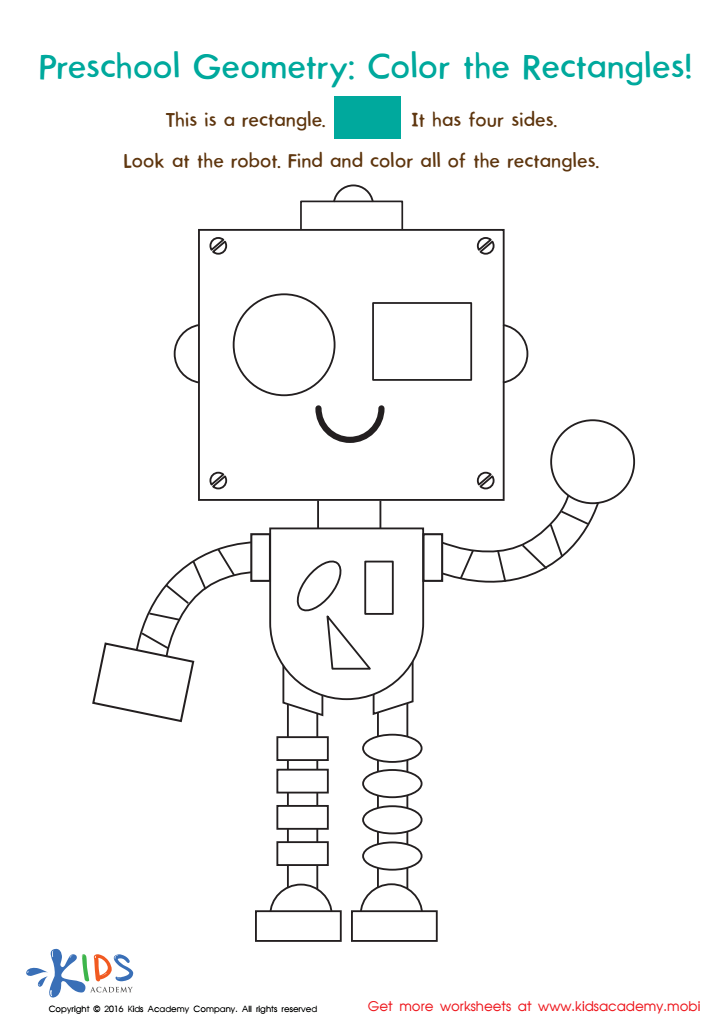
Geometry Worksheet
Geometry can be fun for kids! They explore shapes that create their favorite pics and objects. This preschool worksheet explains that rectangles have four sides, then kids color rectangles on a funny robot!
 Assign to My Students
Geometry Worksheet
Worksheet
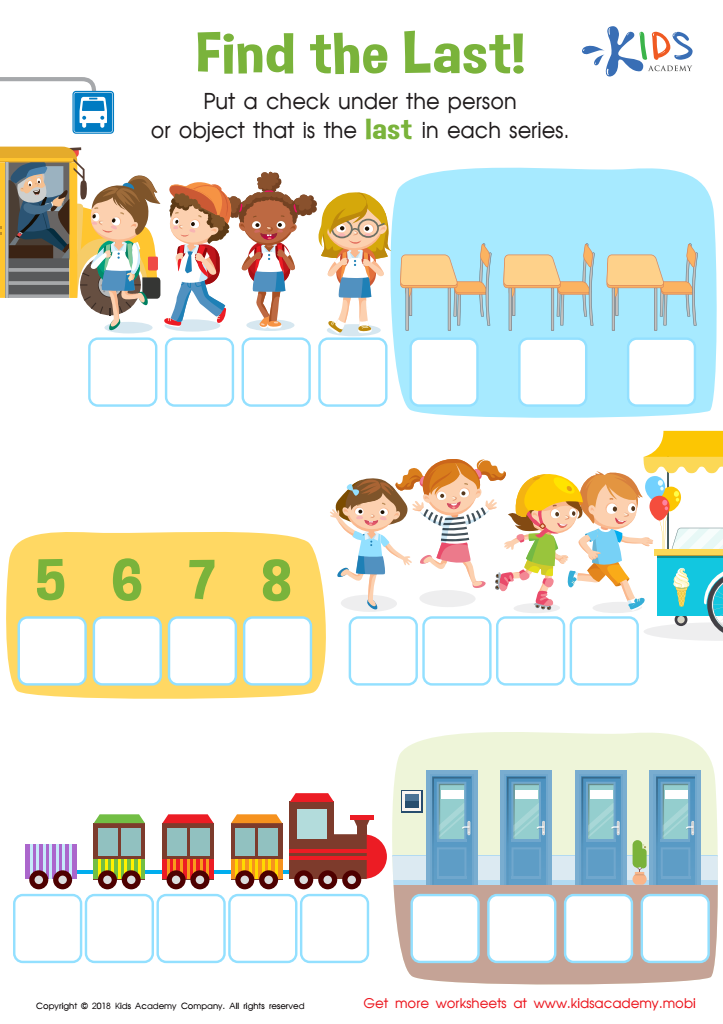
Find the Last! Worksheet
Teach young students about sequence words with this free worksheet. Have them look at sets of people or objects and choose the one that is last. Engage them further by having them describe or act out their day, and what happens last? Enjoy this printout and have fun!
Find the Last! Worksheet
Worksheet
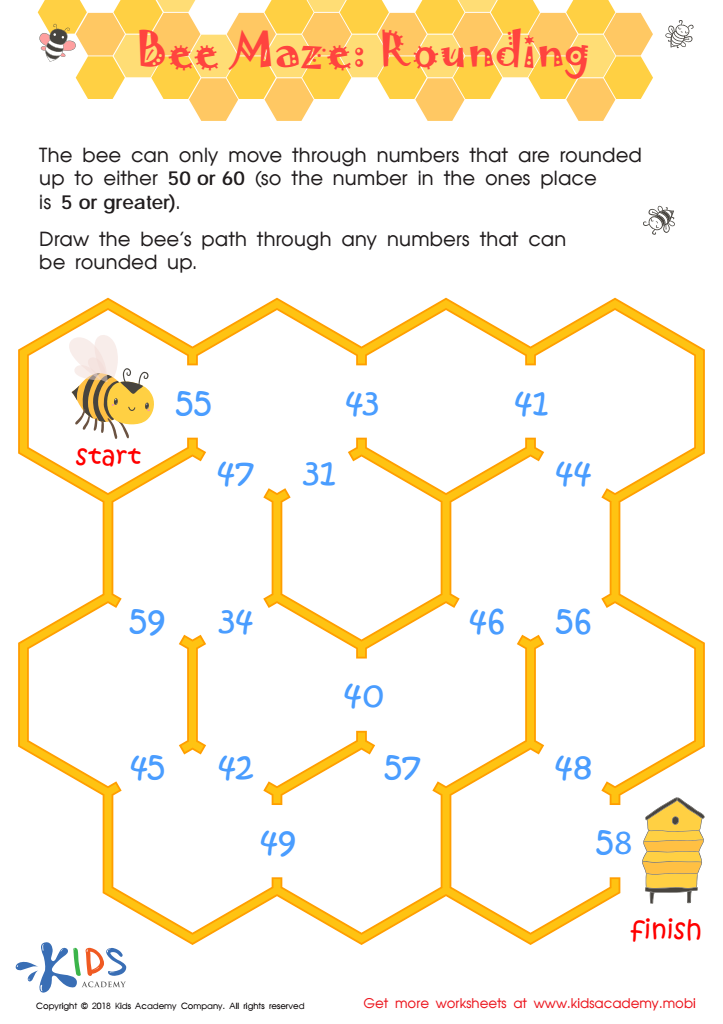
Bee Maze Rounding Worksheet
Round up the bee! Your child will practice rounding with this fun maze worksheet. Kids round up to 50 or 60, evaluating each number and guiding the bee to his home. Get ready for some thought-stretching fun!
Bee Maze Rounding Worksheet
Worksheet
Join Kids Academy for Free
Who is primarily going to use this learning content?







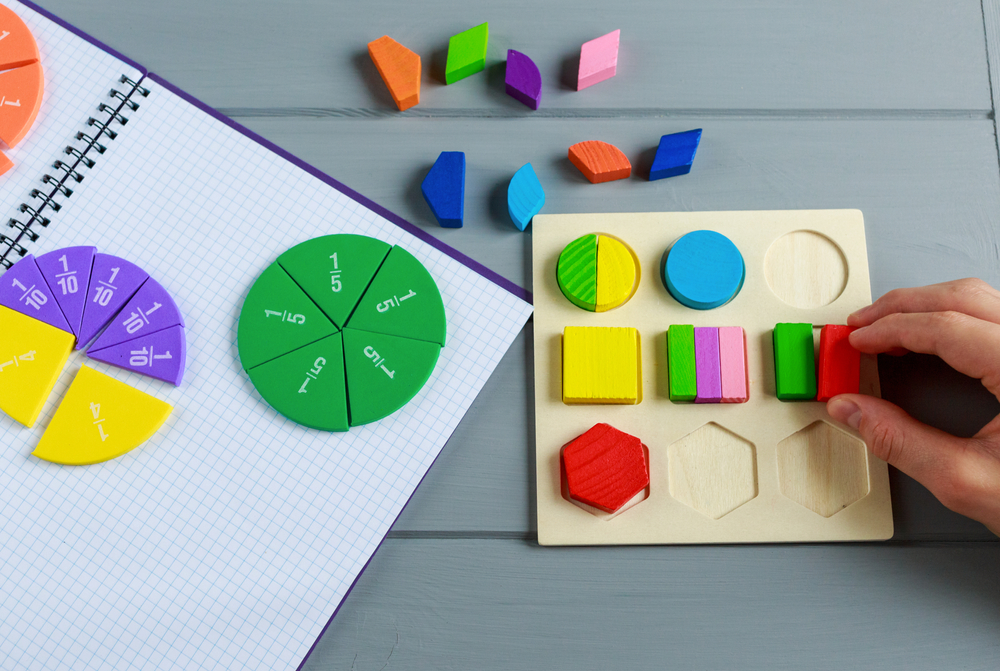
Improving concentration in children aged 6-8 is crucial for their overall academic success, particularly in subjects like math. During this developmental stage, children are often introduced to fundamental mathematical concepts, such as addition, subtraction, and patterns. A child’s ability to focus directly impacts their understanding and retention of these skills.
When parents or teachers prioritize improving concentration, they lay the groundwork for a positive learning environment. A stronger concentration helps children grasp mathematical concepts more readily, enhances problem-solving skills, and encourages critical thinking. Furthermore, a child who can focus is better equipped to follow multi-step instructions and complete tasks more efficiently, reducing frustration for both the child and the educator.
Additionally, fostering concentration can build a child's confidence. When children experience success in math due to improved focus, they are more likely to engage in learning and participate actively in the classroom. This not only benefits their math skills but also encourages a lifelong love for learning. Therefore, investing time and resources into activities that enhance concentration should be a priority for both parents and teachers, shaping more capable, confident, and inquisitive thinkers for the future.








