Shape Recognition Normal Math Worksheets for Ages 6-8 - Page 2
30 filtered results
-
From - To
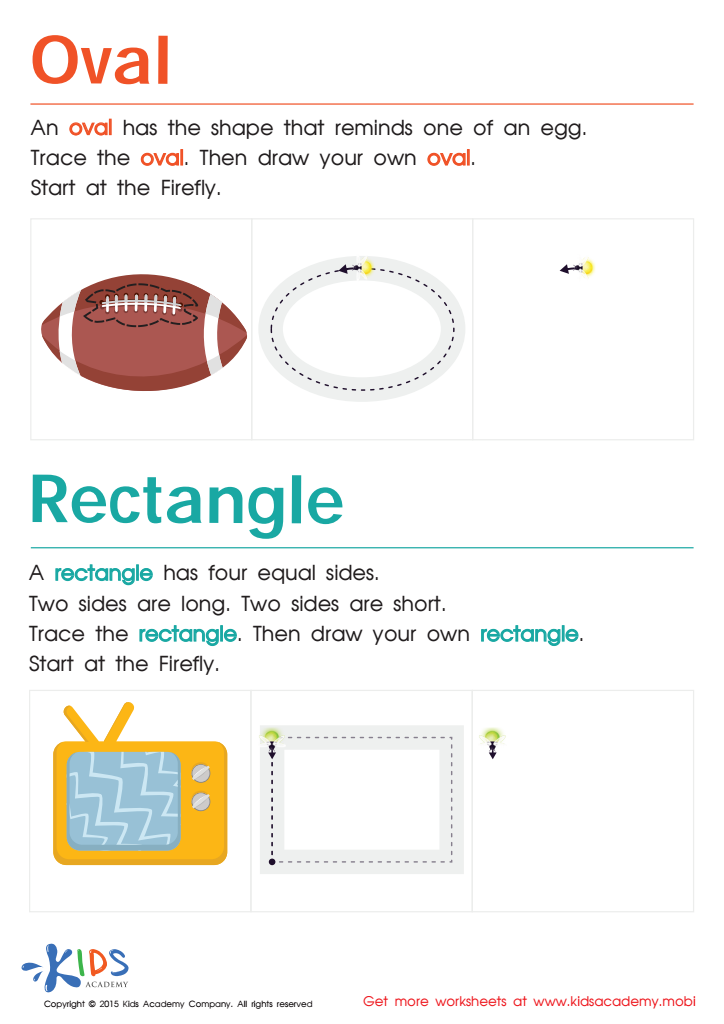
Easy Drawing of Ovals And Rectangles Worksheet
 Assign to My Students
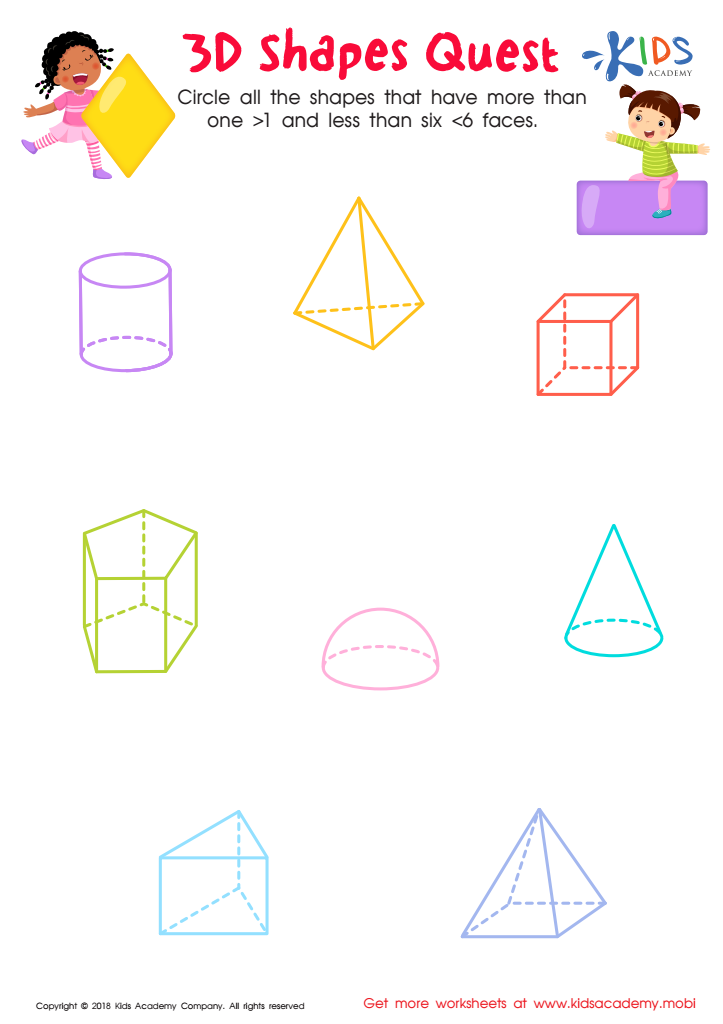
3D Shapes Quest Worksheet
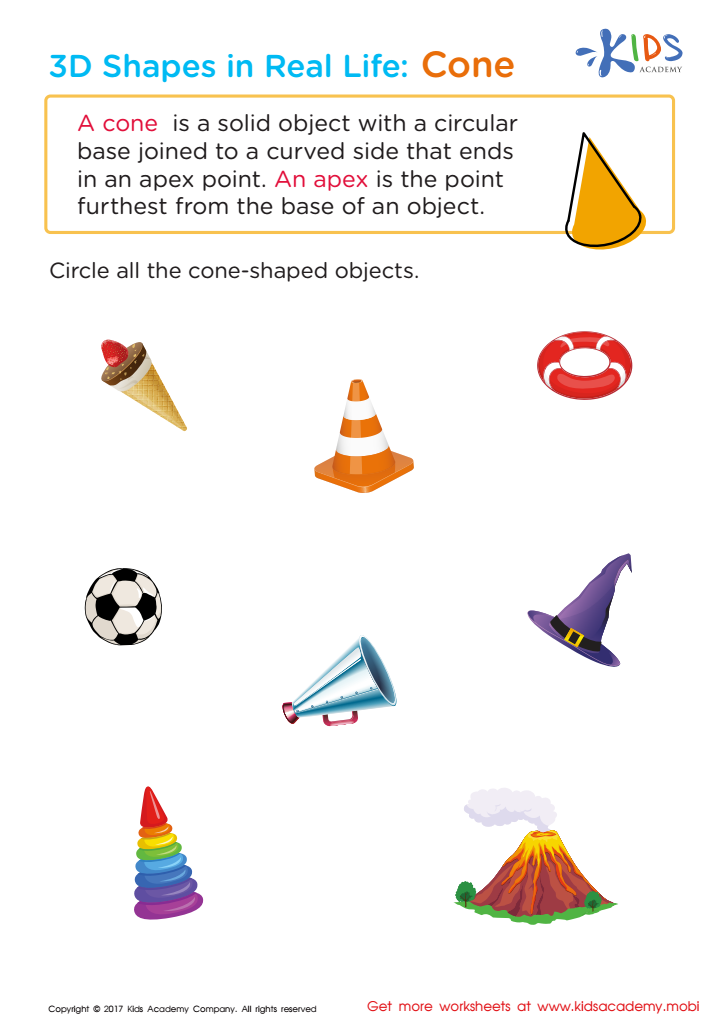
Shapes in Real Life: Cone Worksheet
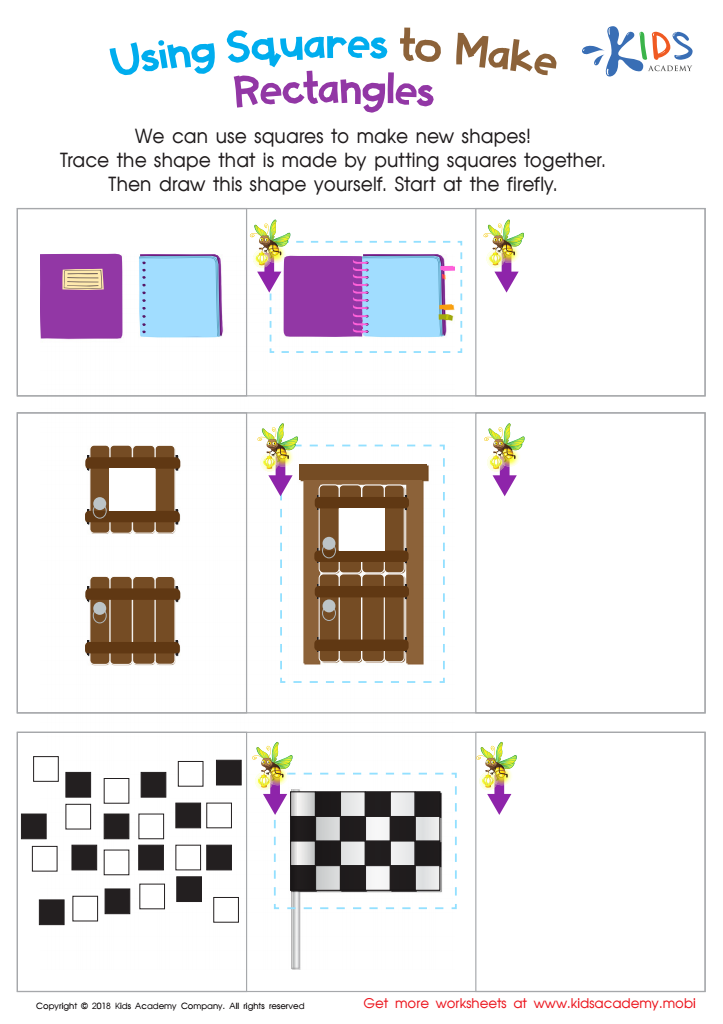
Using Squares to Make Rectangles Worksheet
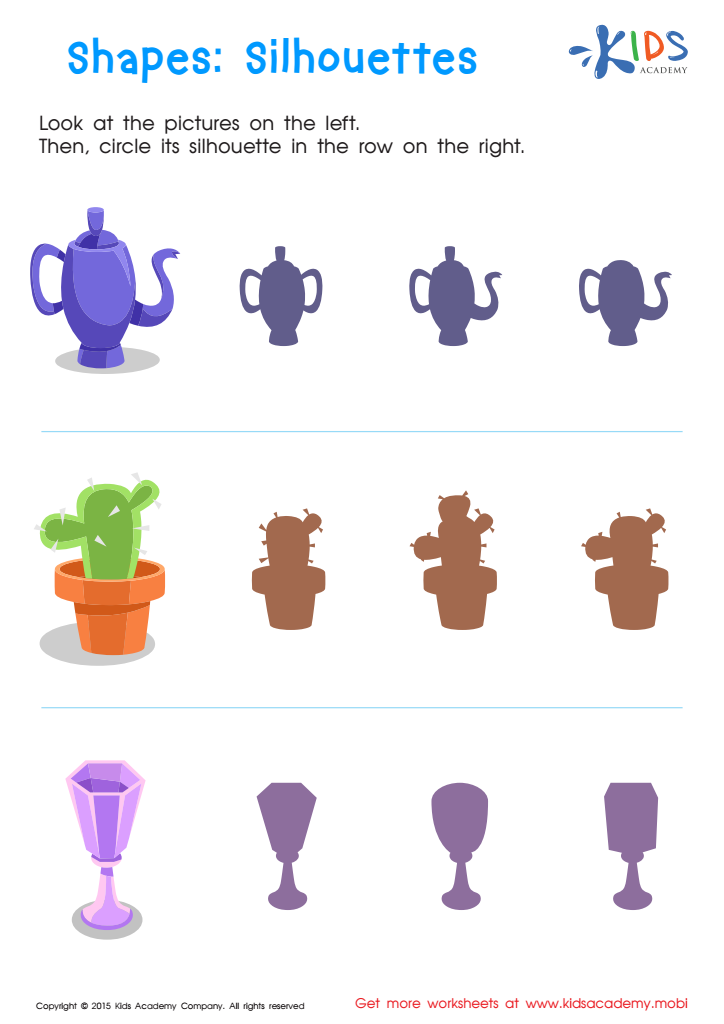
Silhouettes – Shapes Worksheet
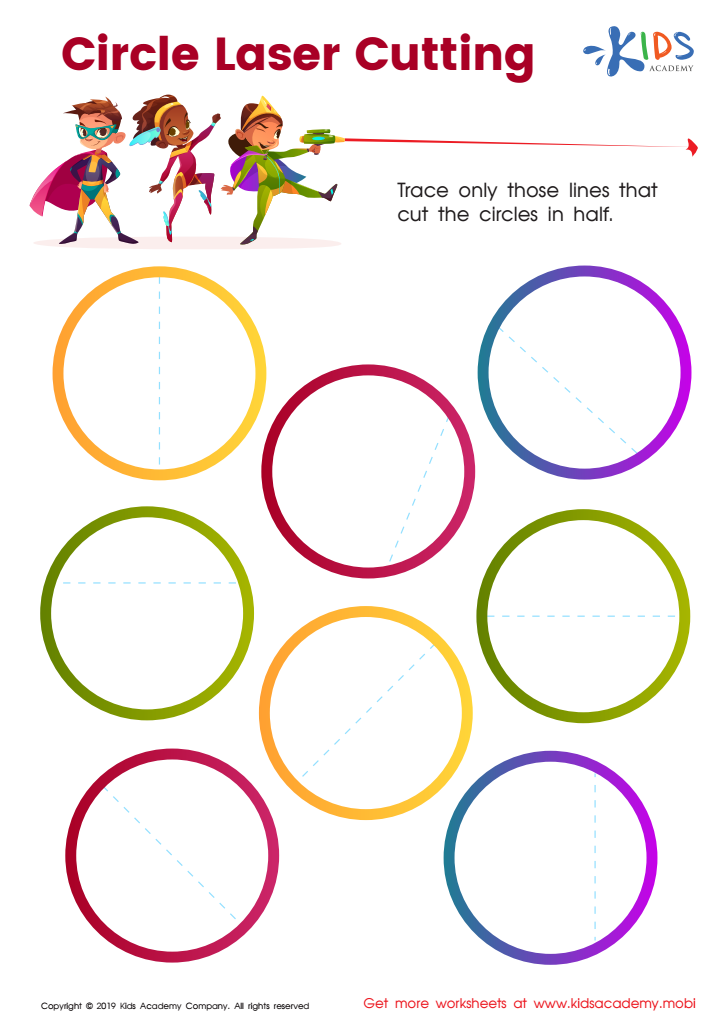
Circle Laser Cutting Worksheet








Shape recognition is a foundational skill in early childhood education, particularly for children aged 6 to 8. At this stage, students are developing critical cognitive abilities that lay the groundwork for more advanced mathematical concepts. By focusing on shape recognition, parents and teachers can help children improve their spatial awareness, which is essential for problem-solving and logical reasoning.
Understanding shapes also supports children in various real-life applications, from recognizing objects in their environment to art and design. Furthermore, this skill enhances language development as children learn to describe and categorize shapes, fostering communication skills.
Engaging with shapes can also promote fine motor skills through hands-on activities like drawing or constructing, making learning both interactive and enjoyable. This engagement contributes to a positive attitude toward math, encouraging a lifetime of curiosity and exploration.
Lastly, mastering shape recognition is directly linked to understanding more complex mathematical concepts, including geometry, measurement, and spatial reasoning. When parents and teachers actively support shape recognition, they empower students to develop a solid mathematical foundation, critical for future academic success and everyday problem-solving. Investing in this area nurtures a well-rounded, capable learner ready to take on more challenging concepts in mathematics.








