Understanding patterns Normal Math Worksheets for Ages 6-8
10 filtered results
-
From - To
Discover our "Understanding Patterns" Normal Math Worksheets designed specifically for children aged 6-8. These engaging worksheets provide young learners with the tools they need to recognize, create, and extend patterns through fun and interactive activities. With vibrant illustrations and relatable themes, children can explore various pattern types, including colors, shapes, and numbers. Our carefully crafted exercises promote critical thinking and problem-solving skills while building a solid foundation in mathematics. Each worksheet supports independent learning and can seamlessly integrate into your teaching strategies, making math enjoyable and accessible for your child. Ignite your child's love for learning with our expertly designed worksheets today!
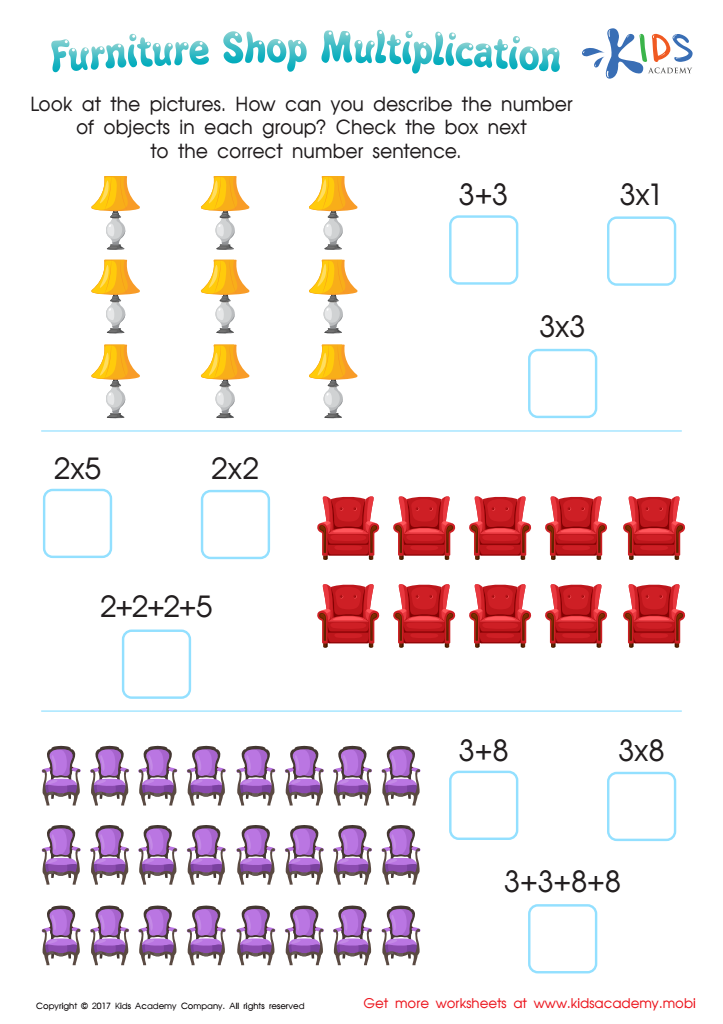
Furniture Shop Worksheet
 Assign to My Students
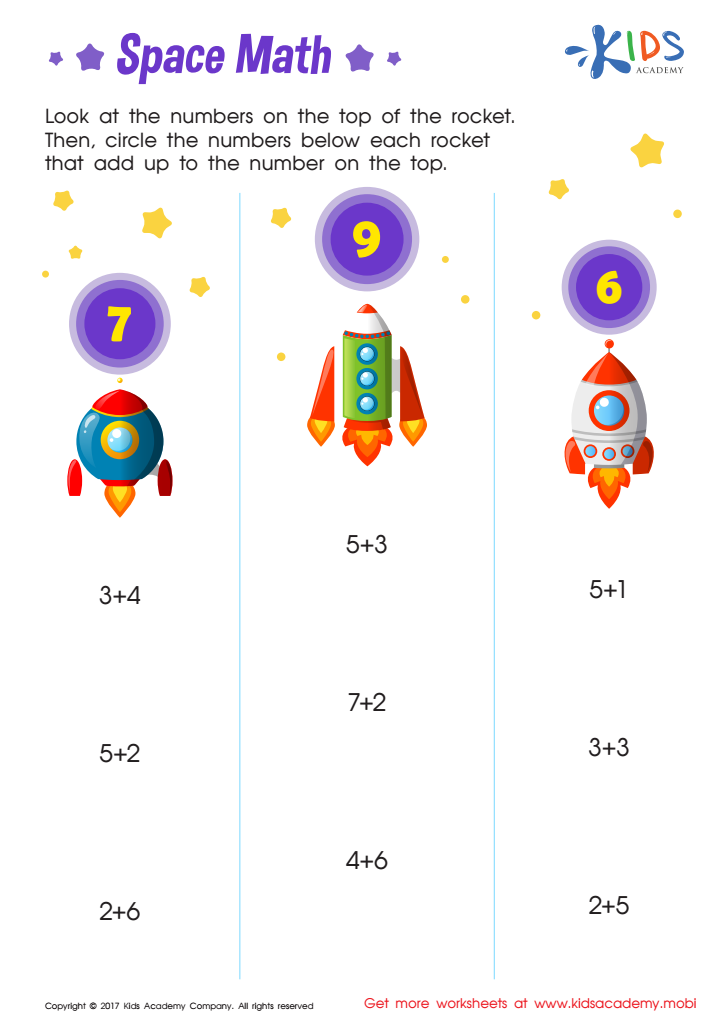
Addition: Space Math Worksheet
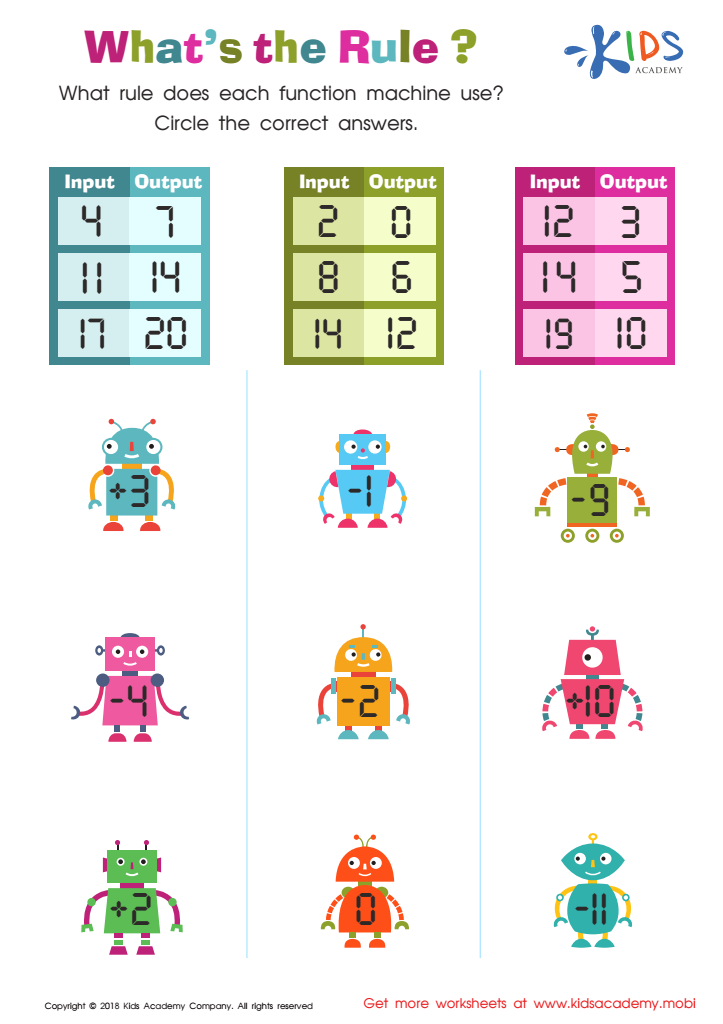
What's the Rule Worksheet
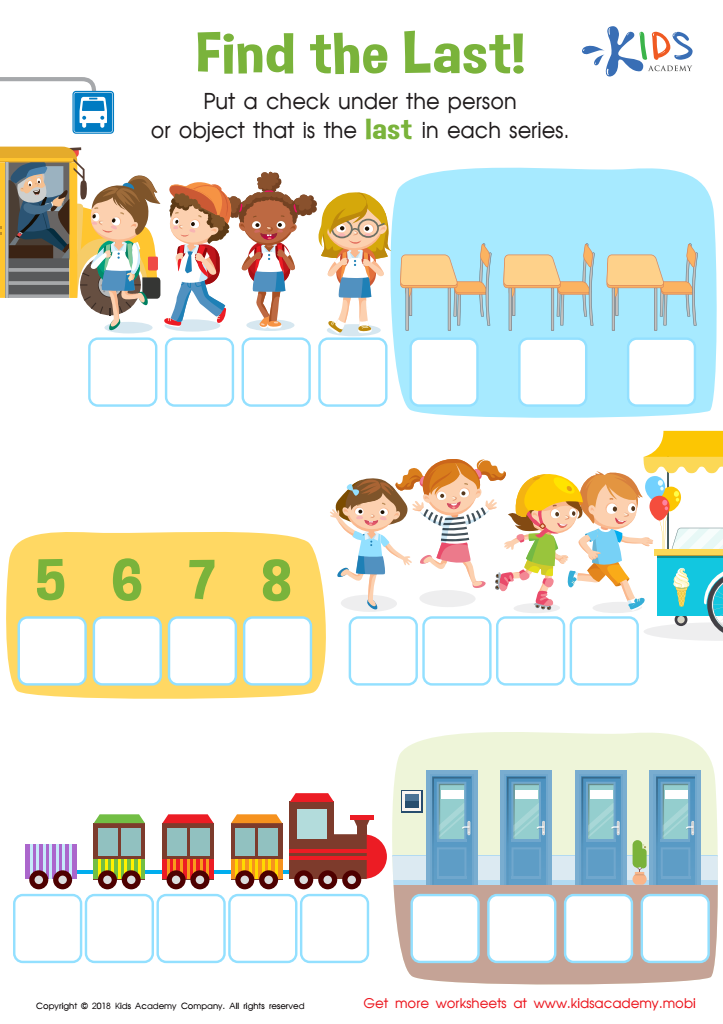
Find the Last! Worksheet
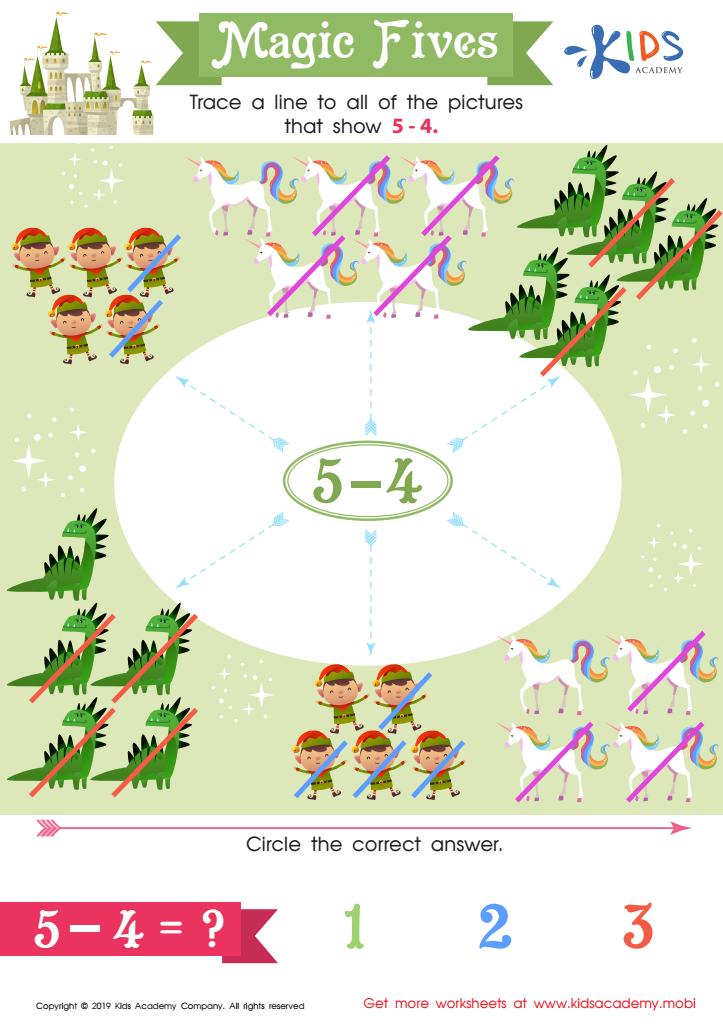
Magic Fives Worksheet
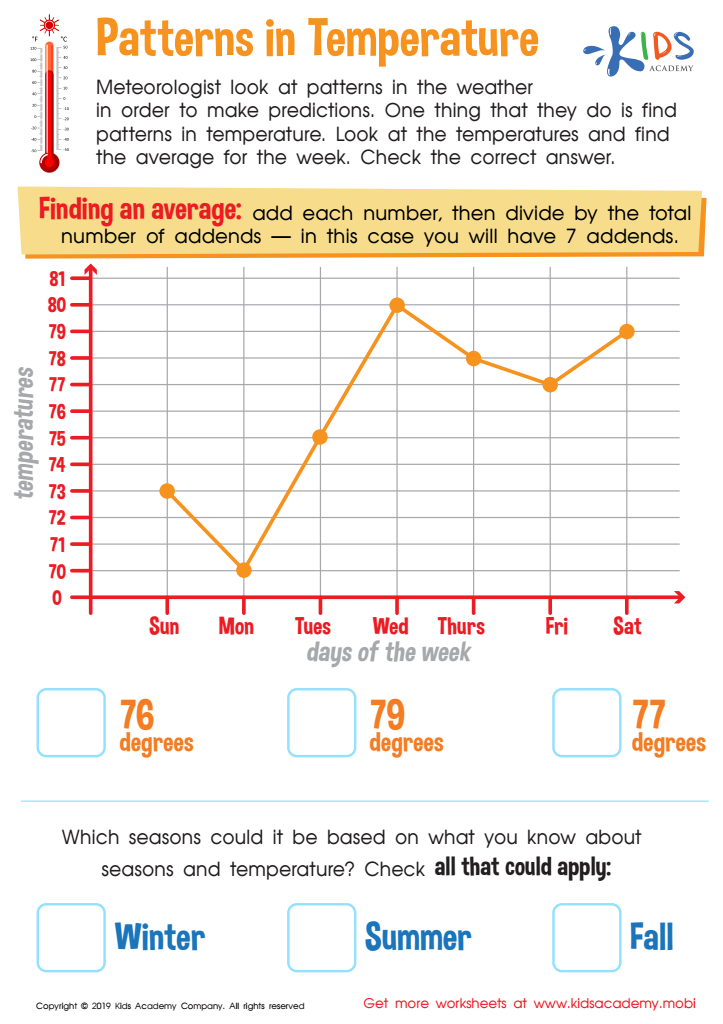
Patterns in Temperature Worksheet
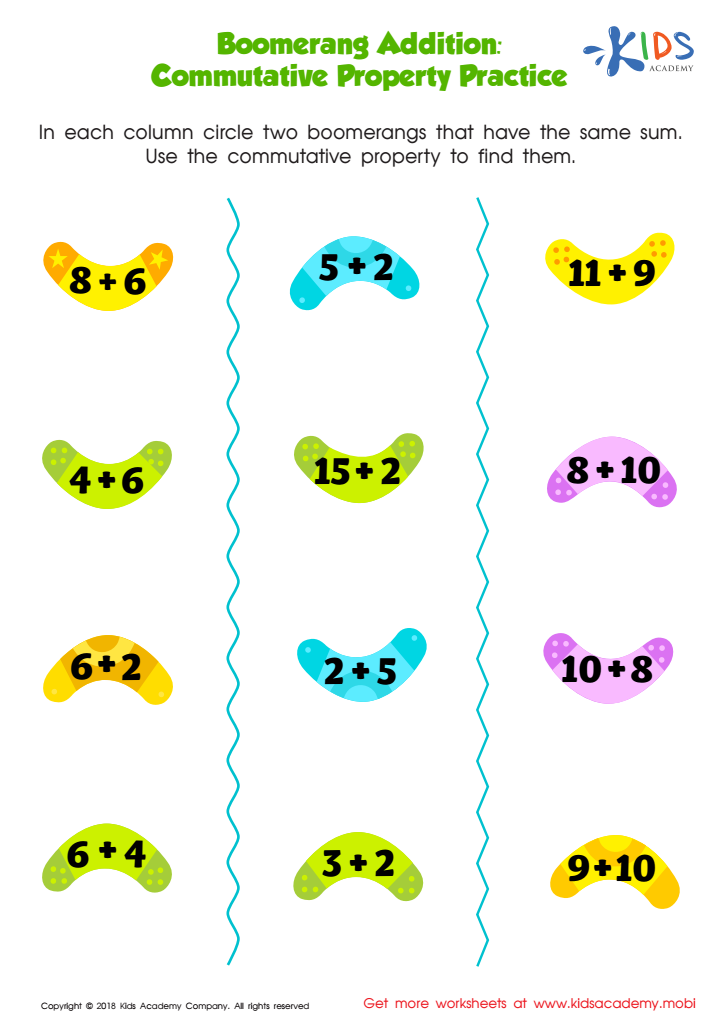
Boomerang Addition Worksheet
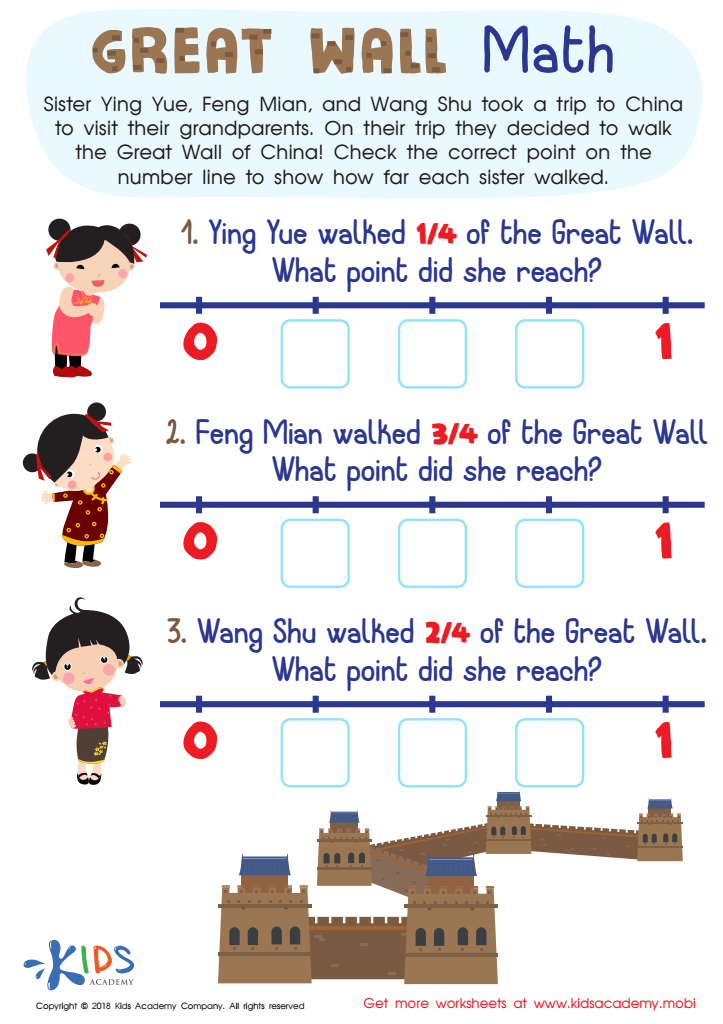
Great Wall Math Worksheet
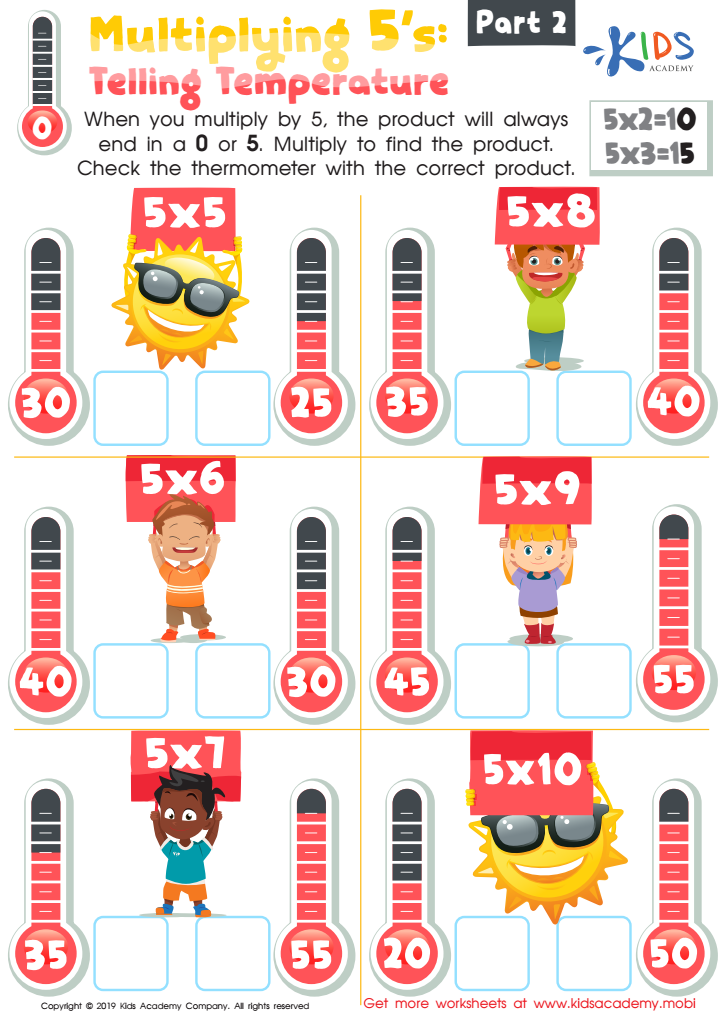
Multiplying 5’s: Telling Temperature Part 2 Worksheet
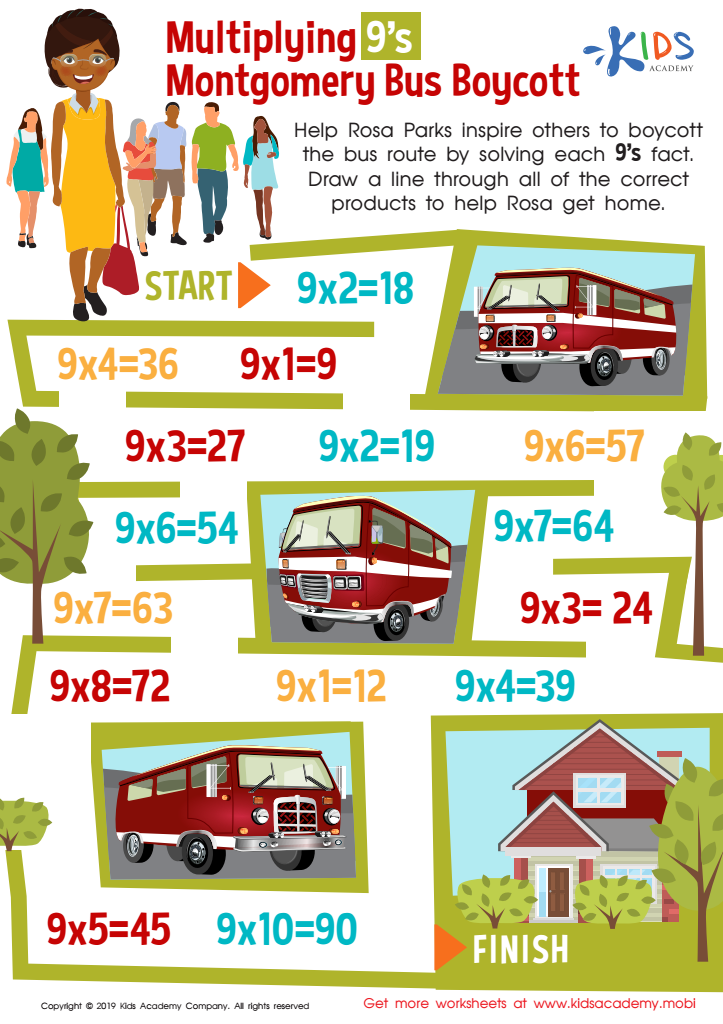
Multiplying 9’s Montgomery Bus Boycott Worksheet








Understanding patterns is a foundational concept in mathematics that is crucial for young learners aged 6-8. For parents and teachers, fostering this skill can significantly enhance children's overall math proficiency. Recognizing and creating patterns helps children develop critical thinking skills, as it encourages them to analyze sequences and relationships in numbers and shapes.
When children understand patterns, they can predict outcomes, solve problems more efficiently, and grasp advanced math concepts, such as multiplication and fractions, later on. Patterns also exist in everyday life—children can recognize them in nature, music, and art, making math more relatable and engaging.
Moreover, mastering pattern recognition lays the groundwork for logical reasoning and analytical skills, which are essential not just in math, but in daily decision-making and problem-solving contexts. Encouraging pattern exploration also fosters a growth mindset; as children learn to identify and replicate patterns, they gain confidence in their abilities.
In short, understanding patterns provides children with a toolkit they can use throughout their educational journey. By prioritizing recognition and creation of patterns, parents and teachers empower kids to approach math with curiosity and confidence, setting them up for future success.








