Visual discrimination Normal Math Worksheets for Ages 6-8
6 filtered results
-
From - To
Enhance your child's math skills with our Visual Discrimination Normal Math Worksheets for ages 6-8! Tailored specifically for young learners, these worksheets focus on developing crucial visual discrimination abilities to improve pattern recognition, comparisons, and basic math competency. Each worksheet features engaging, colorful exercises designed to make learning fun and effective. By practicing these activities, children will boost their attention to detail, problem-solving skills, and overall math proficiency. Perfect for classroom use or at-home practice, these worksheets provide an exciting way for kids to reinforce their learning while enjoying the process.
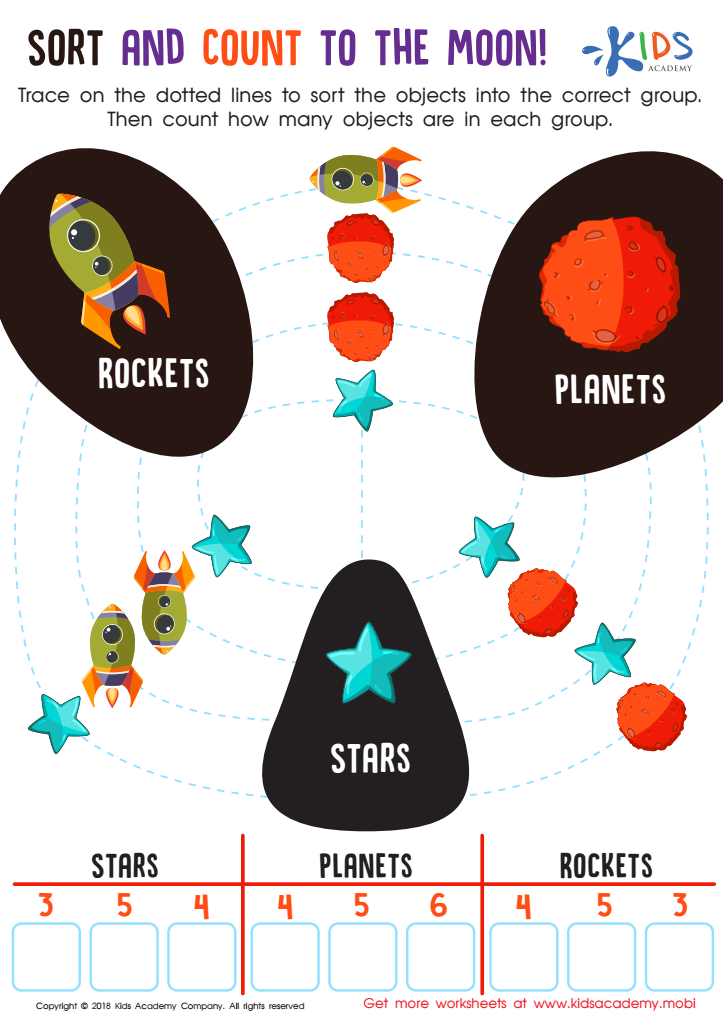
Sort and Count to the Moon Worksheet
 Assign to My Students
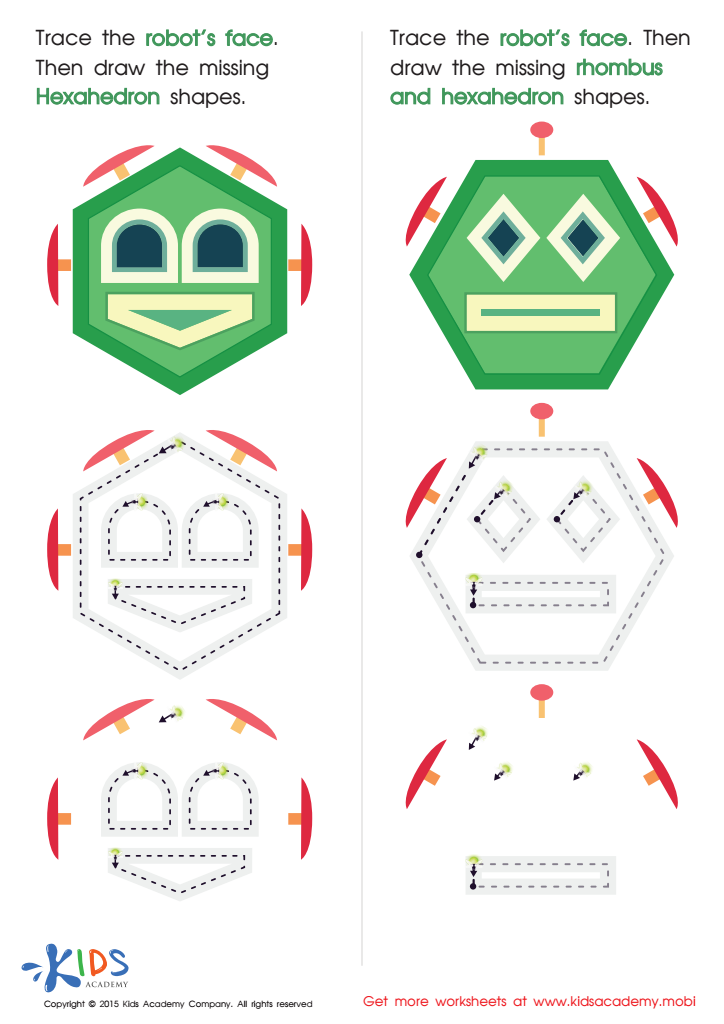
Practice Drawing Hexahedrons And a Rhombus Worksheet
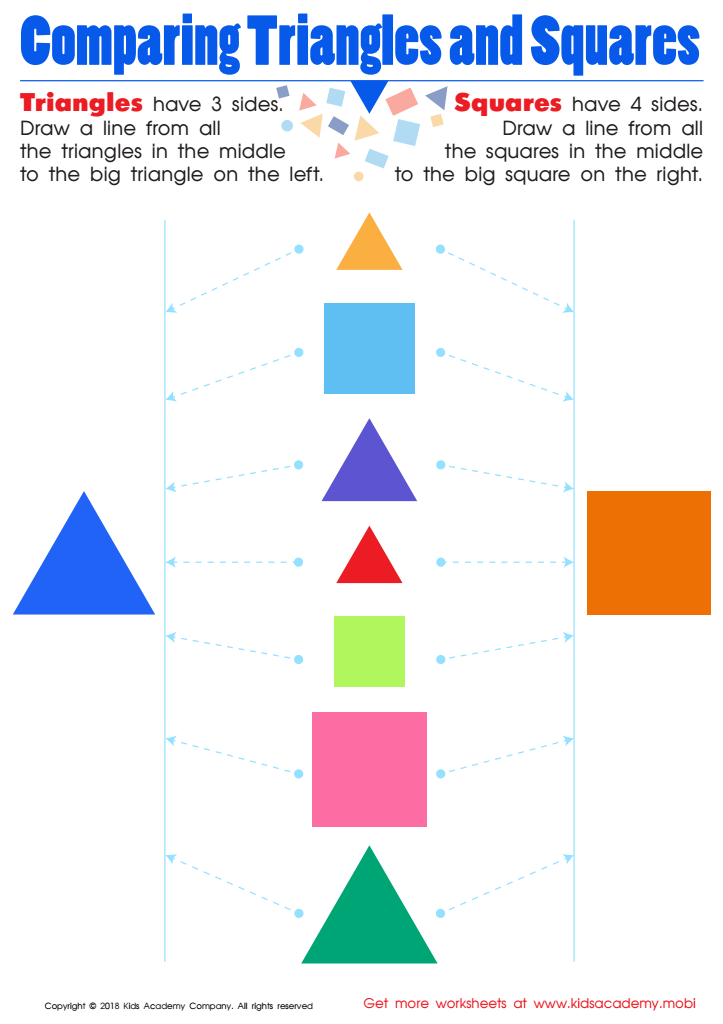
Comparing Triangles Squares Worksheet
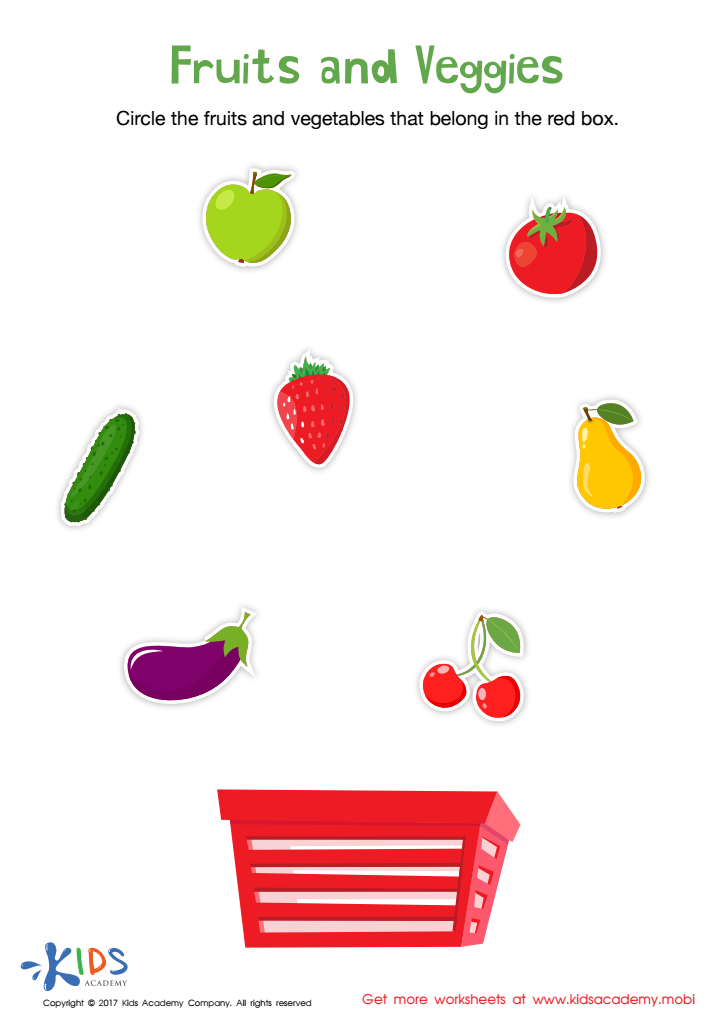
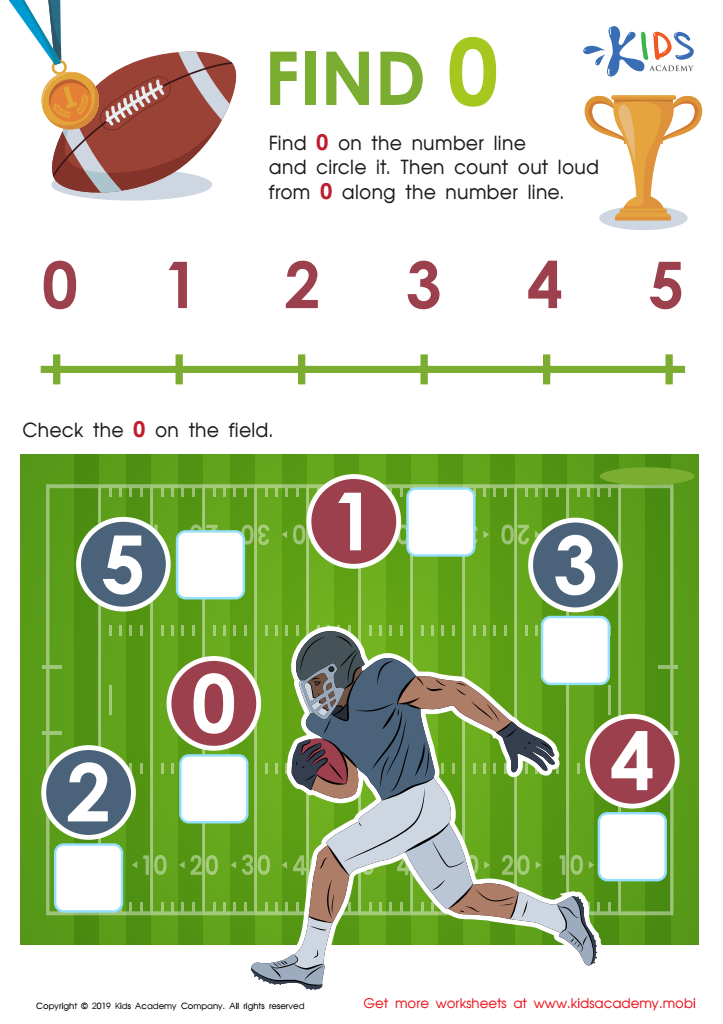
Find 0 Worksheet
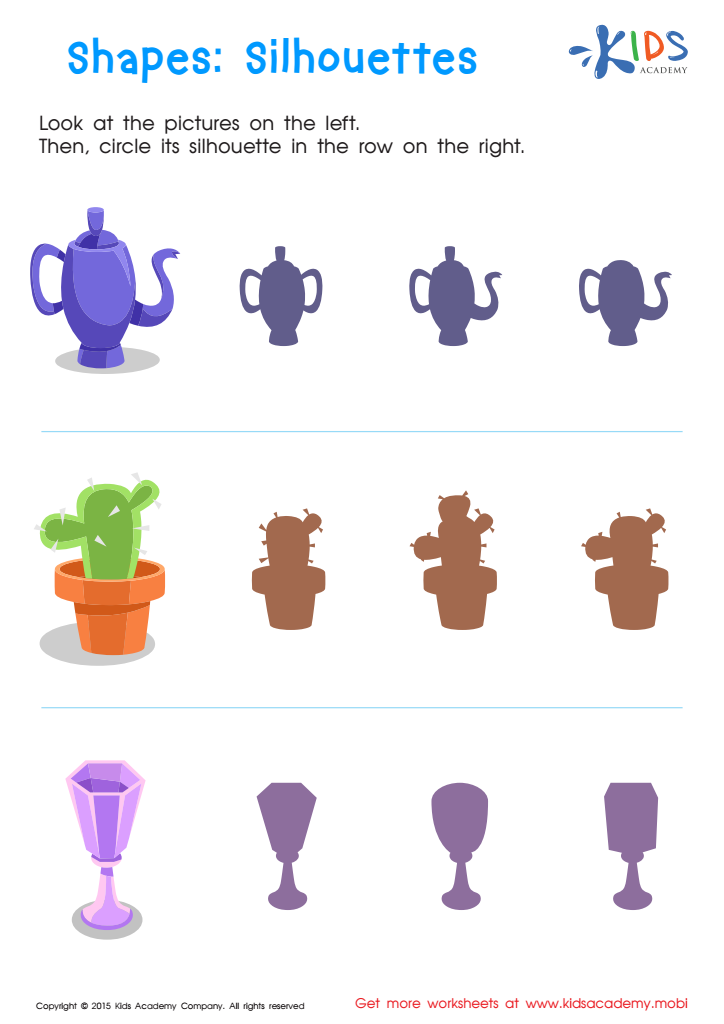
Silhouettes – Shapes Worksheet







.jpg)
Visual discrimination is the ability to identify differences and similarities in size, shape, color, and other attributes of objects. For children ages 6-8, developing strong visual discrimination skills is crucial for several reasons, particularly in the context of mathematics.
Essentially, visual discrimination allows young learners to correctly read and interpret mathematical symbols, differentiate between numbers, understand patterns, and comprehend geometrical shapes. Recognizing these differences is foundational for tasks as varied as solving basic equations, reading graphs, and comprehending word problems. For instance, distinguishing between the numbers 6 and 9 or recognizing that a square differs from a rectangle relies on visual discrimination.
Moreover, these visual skills extend beyond math, affecting reading and writing abilities. Children use visual discrimination to differentiate between letters and words, helping in their reading fluency and accuracy.
Parents and teachers should therefore emphasize activities that bolster visual discrimination. Puzzles, matching games, and hands-on activities involving sorting or classifying objects by their attributes are effective methods to enhance these skills. By fostering visual discrimination, we enable children not just to excel in math but also improve their overall cognitive abilities, setting a solid groundwork for future academic success.
Encouragingly, reinforcing these skills through playful and engaging activities helps ensure that learning remains enjoyable, fostering a positive attitude towards math and learning in general.








