Spelling practice Normal Reading Worksheets for Ages 6-8 - Page 2
34 filtered results
-
From - To
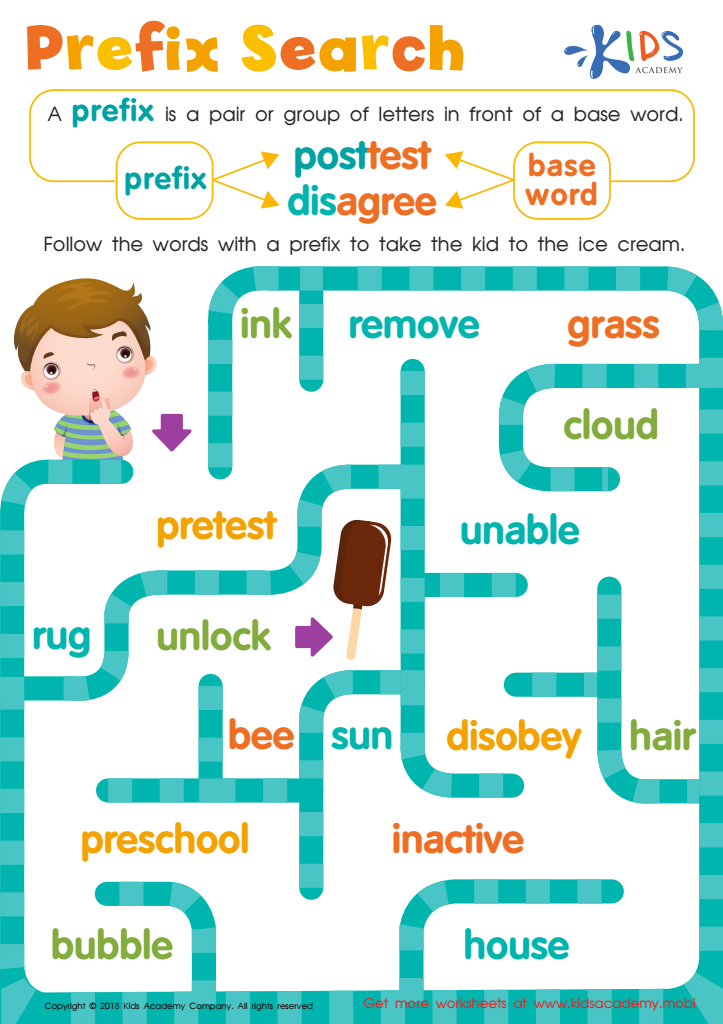
Reading: Prefix Search Worksheet
 Assign to My Students
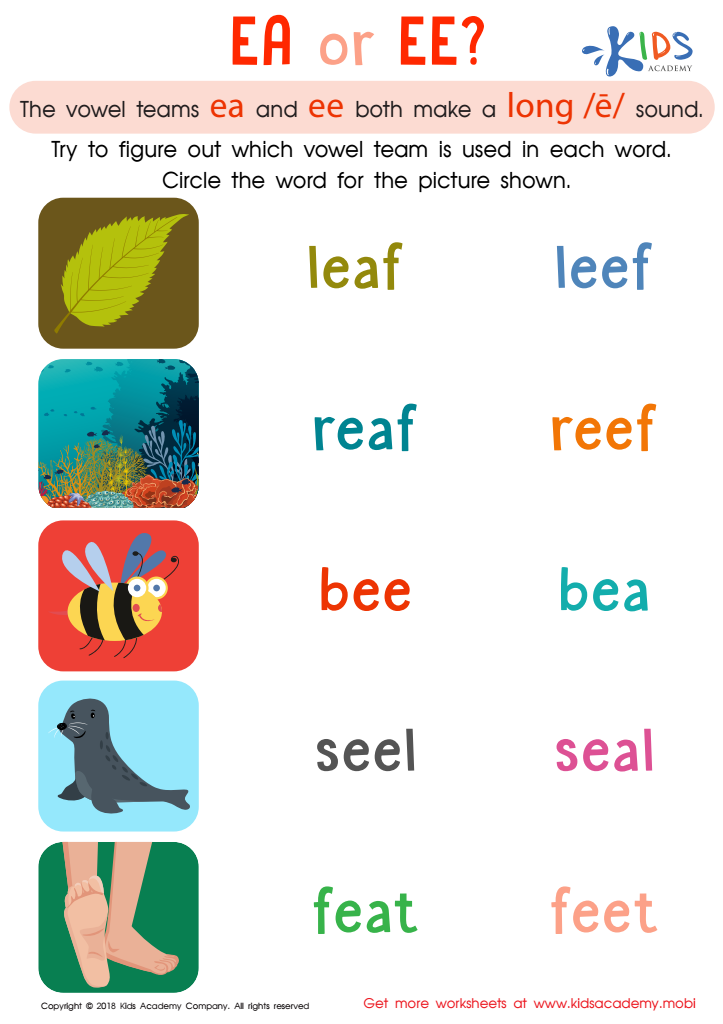
Reading: EA and EE Worksheet
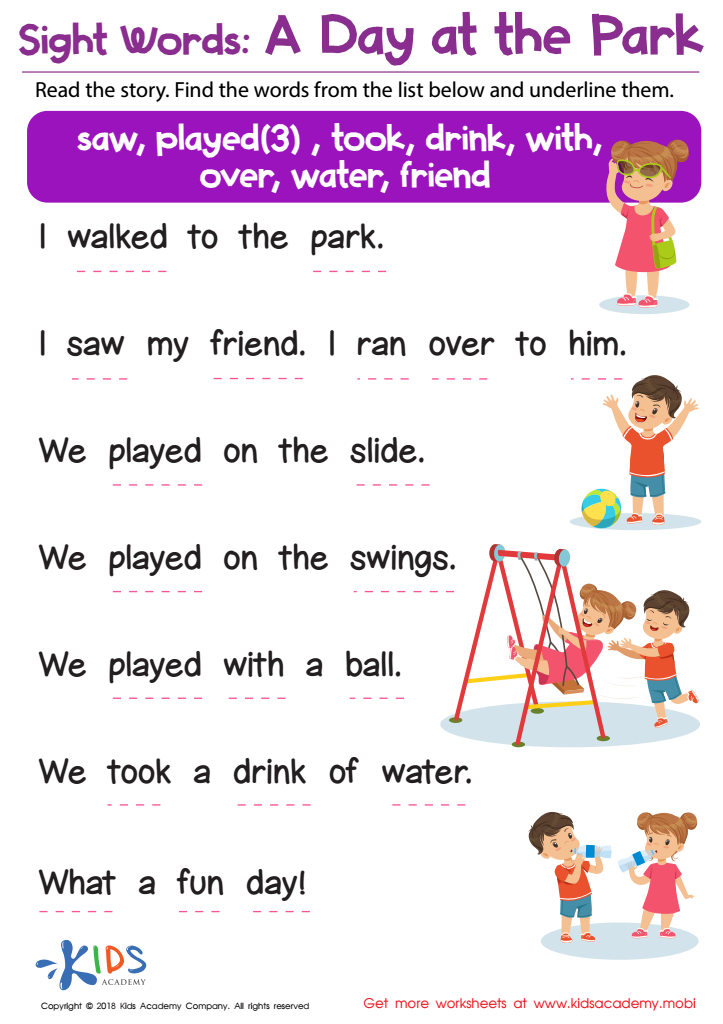
Sight Words: A Day at the Park Worksheet
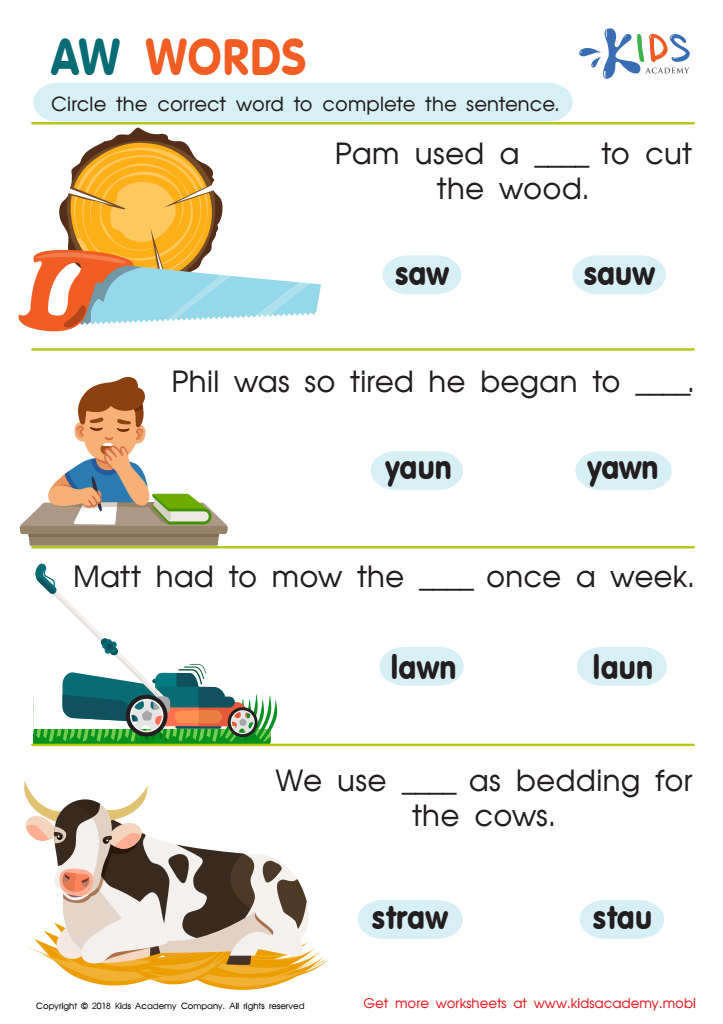
Reading: AW Words Worksheet
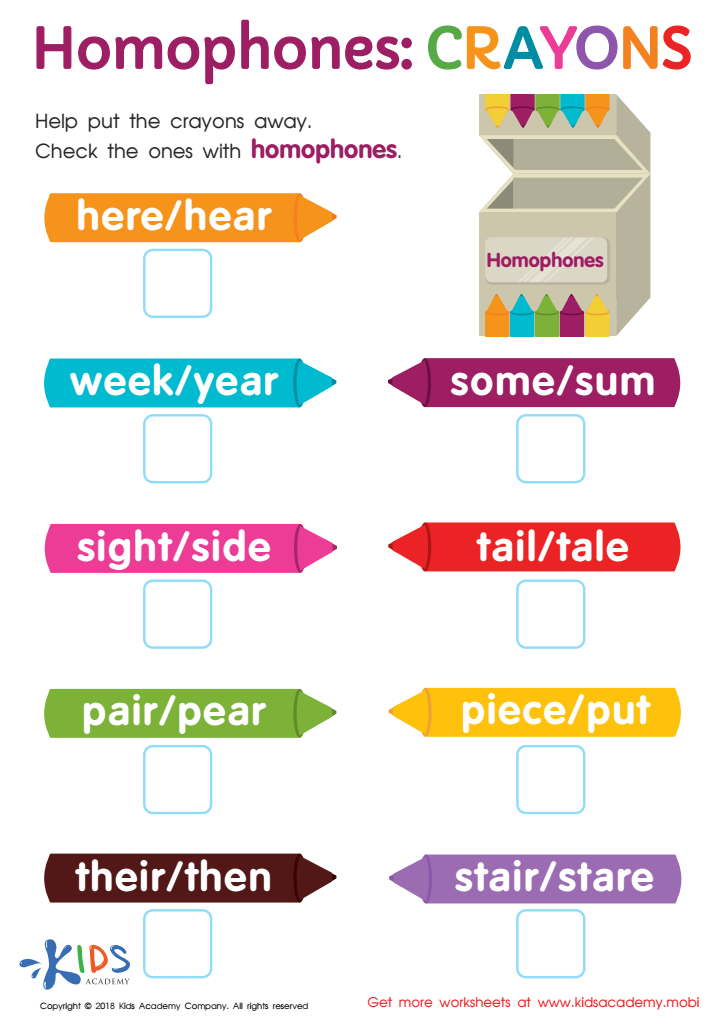
Homophones: Crayons Worksheet
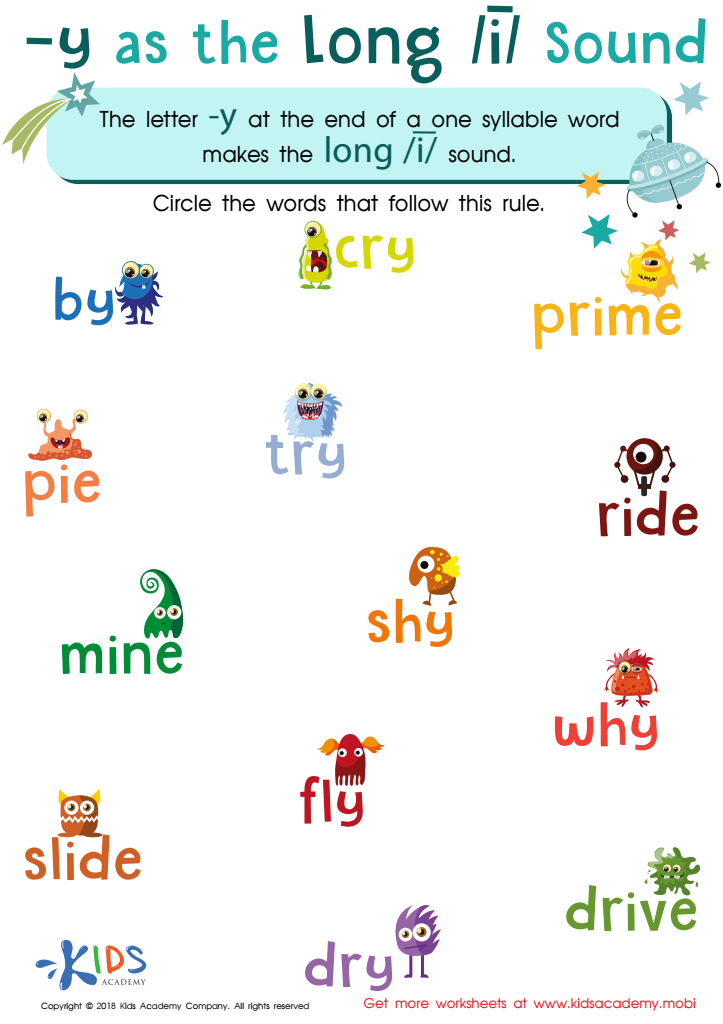
Reading: Y as Long I Worksheet
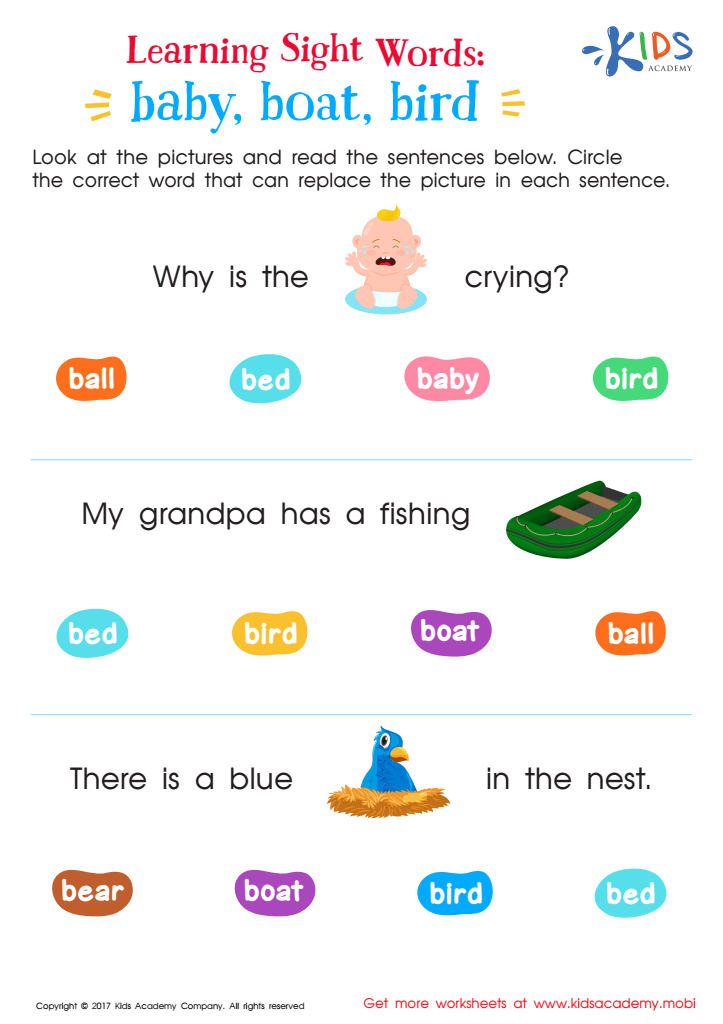
Baby, Boat, Bird Worksheet Sight Words Worksheet
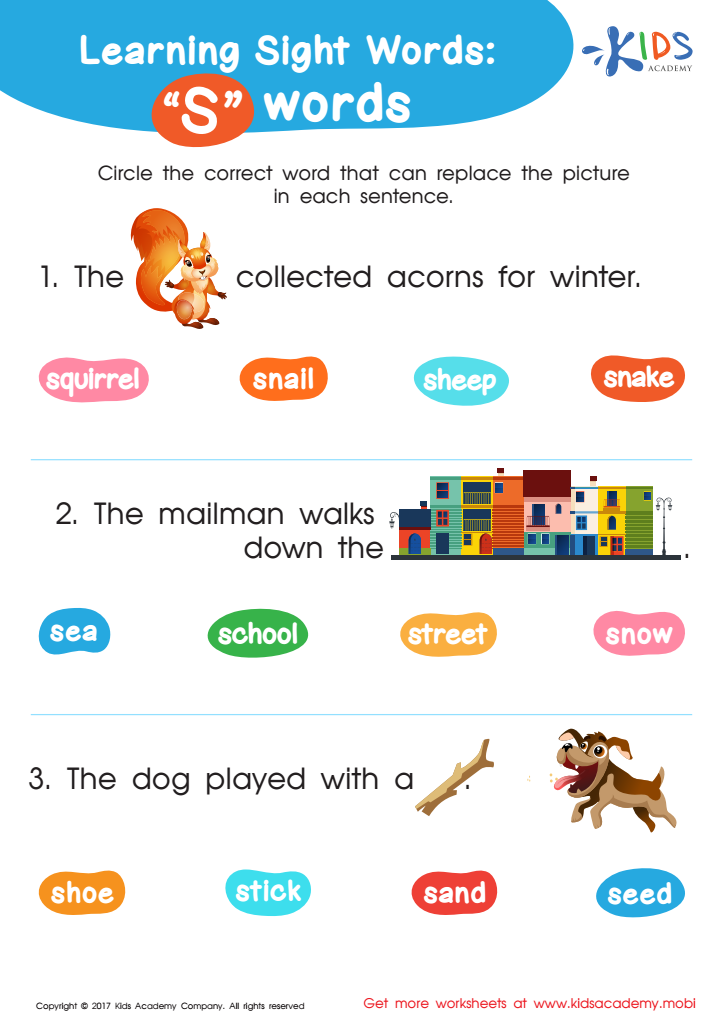
S Words Sight Words Worksheet
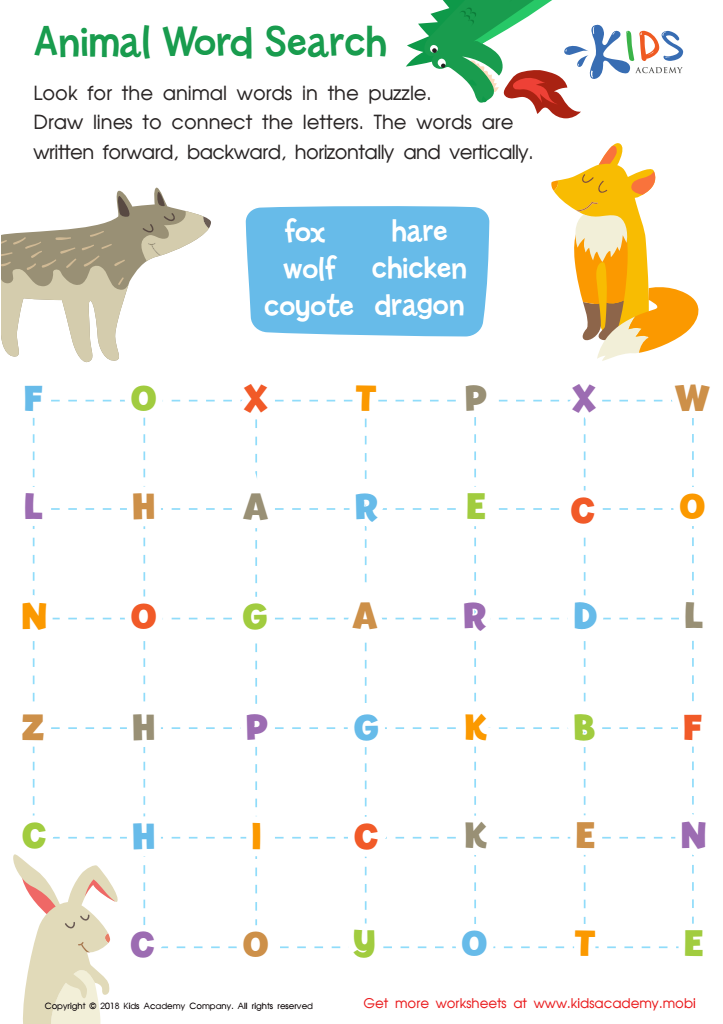
Animal Word Search Worksheet
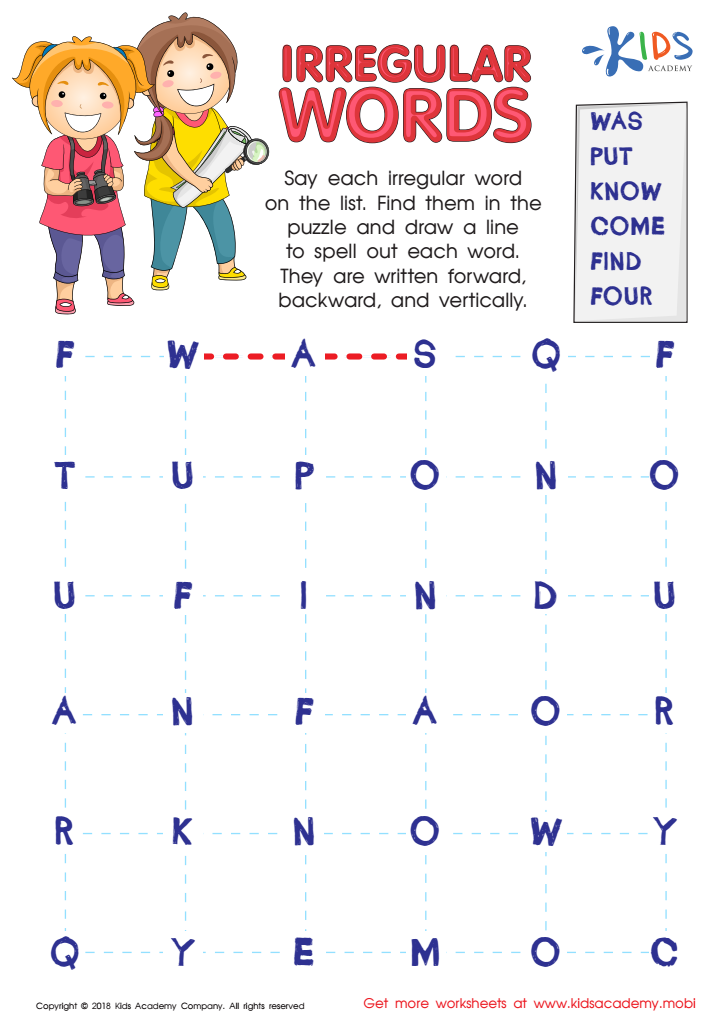
Irregular Words Worksheet








Spelling practice and normal reading are fundamental for children aged 6-8 because these formative years lay the foundation for advanced literacy skills essential for academic success and everyday life. At this age, children's brains are exceptionally receptive to learning language patterns, making it a crucial period for teaching spelling—an essential component of effective communication.
Engaging in regular spelling practice helps children develop phonemic awareness, which is the ability to hear, identify, and manipulate phonemes, the smallest units of sound. This skill is vital for decoding words during reading and for accurate spelling. A strong understanding of spelling patterns aids in reading fluency, allowing children to transition from learning to read to reading to learn. Moreover, it enhances vocabulary, comprehension, and overall language proficiency, contributing to better writing skills.
Normal reading practices, such as regular storytime and reading diverse materials, enrich vocabulary exposure and foster a love for books. They also improve attention span, critical thinking, and empathy, as children explore different narratives and perspectives. Parents’ and teachers’ active involvement in spelling and reading can catch and address learning struggles early, ensuring no child falls behind.
In essence, focusing on spelling and reading during these critical years fosters lifelong learning skills, setting children on a path to educational success and effective communication.








