Vocabulary expansion Normal Reading Worksheets for Ages 6-8 - Page 3
57 filtered results
-
From - To
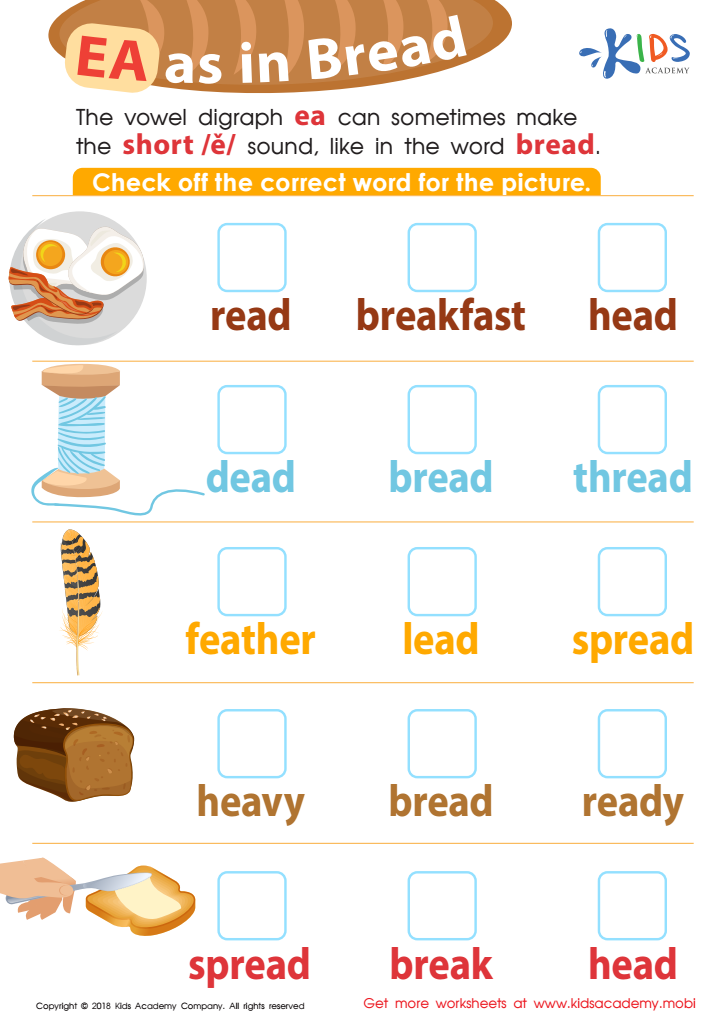
Reading: EA as in Bread Worksheet
 Assign to My Students
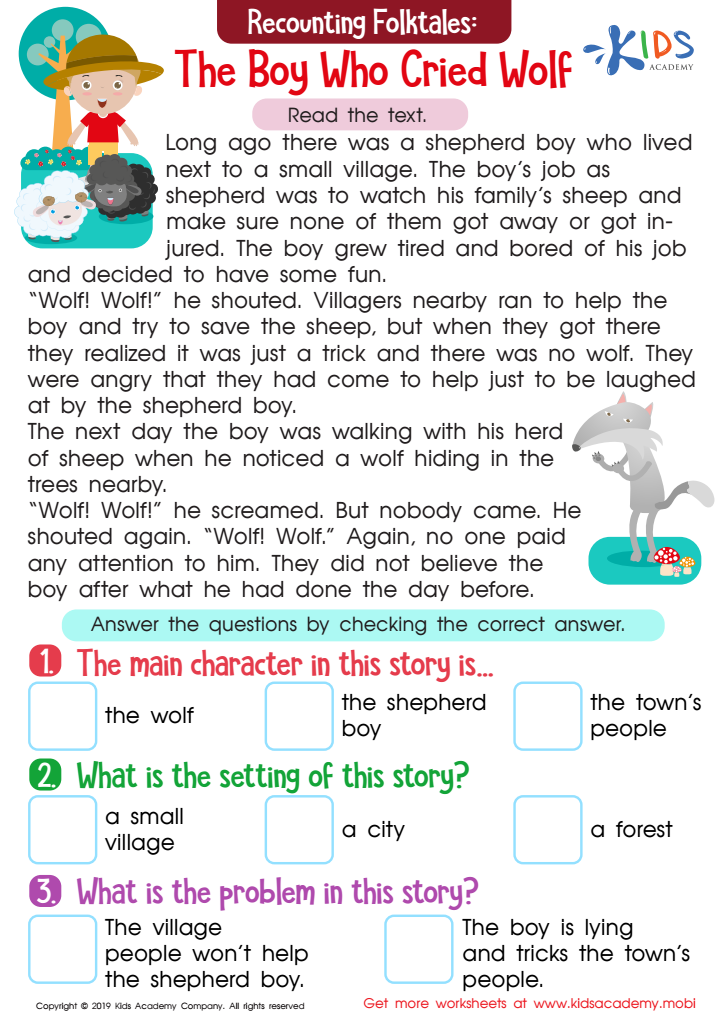
The Boy Who Cried Wolf Part 1 Worksheet
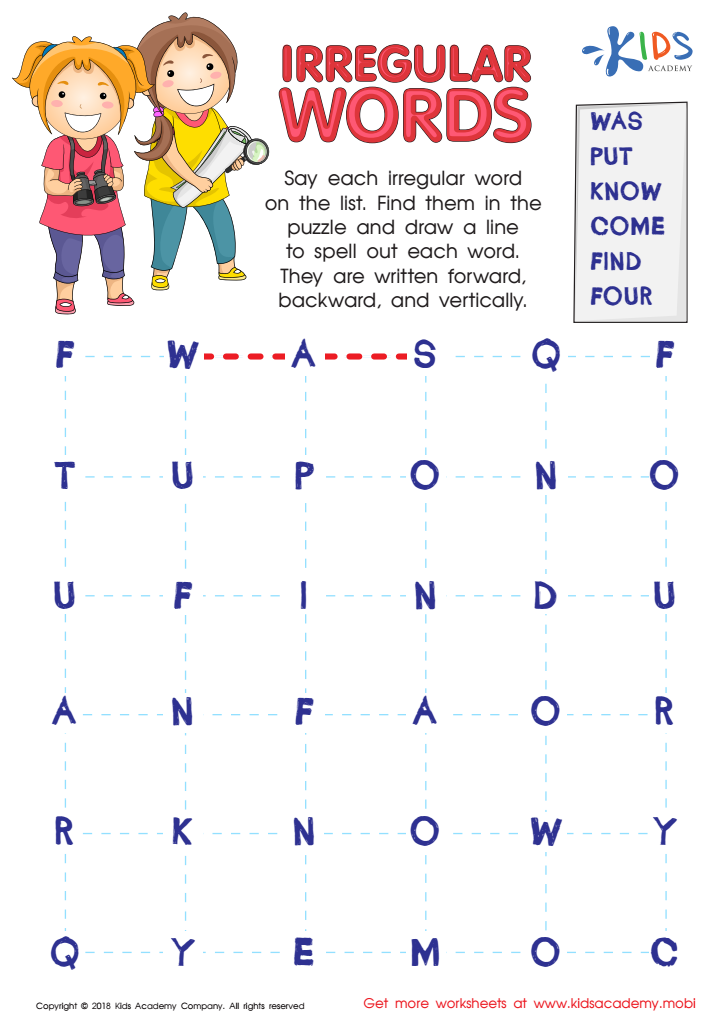
Irregular Words Worksheet
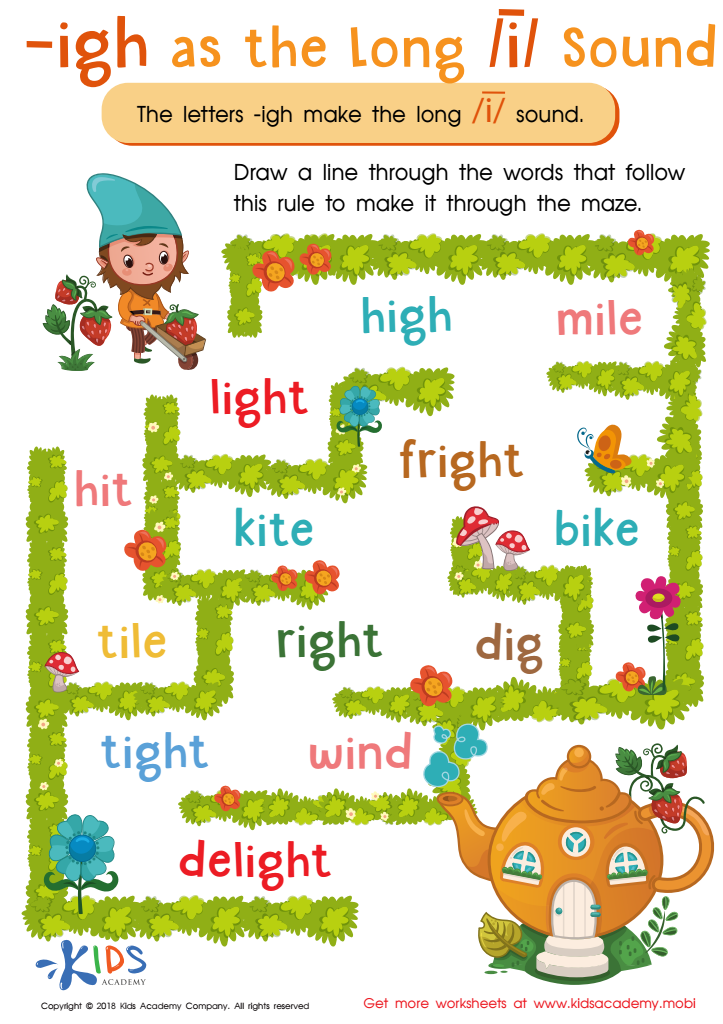
Reading: IGH as Long I Worksheet
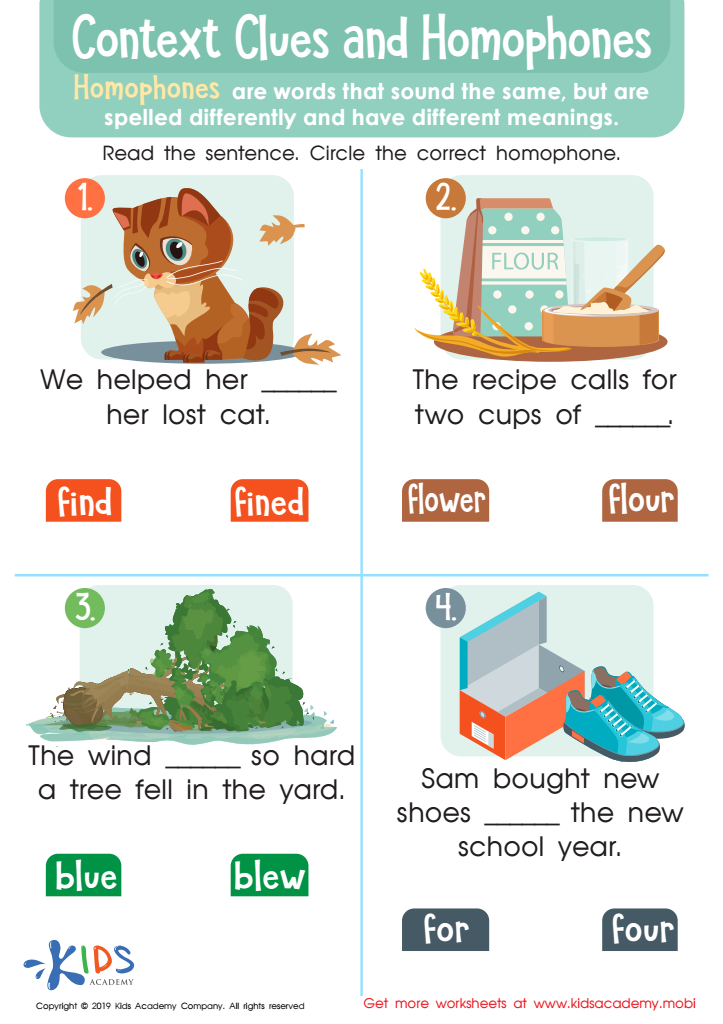
Context Clues and Homophones Worksheet
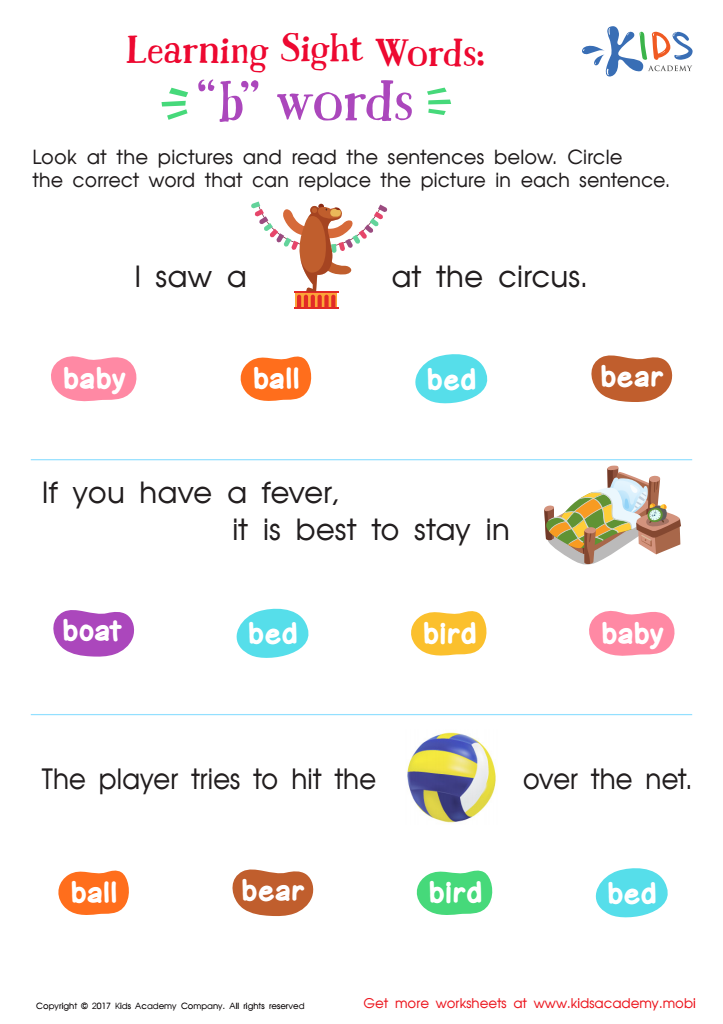
"B" Words Printable Sight Words Worksheet
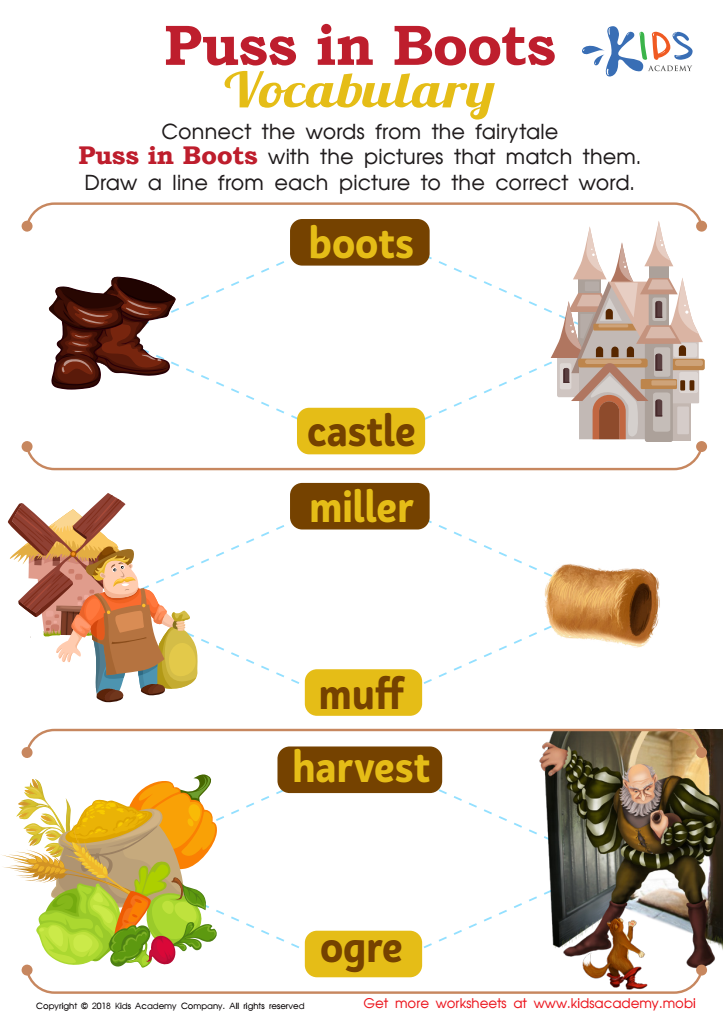
Puss in Boots Vocabulary Worksheet
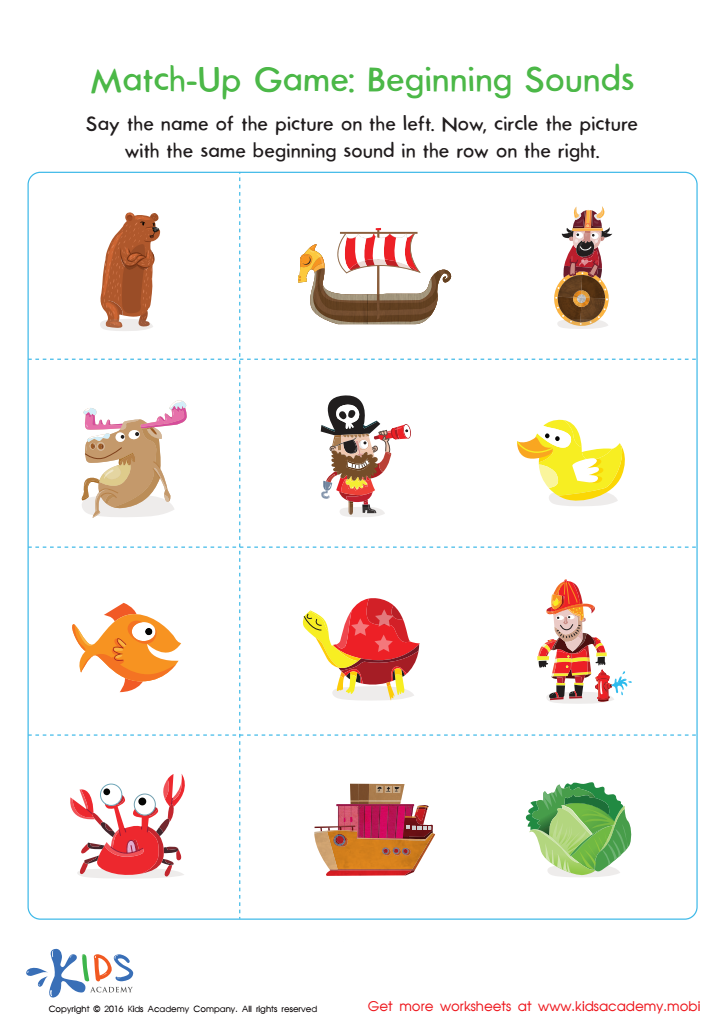
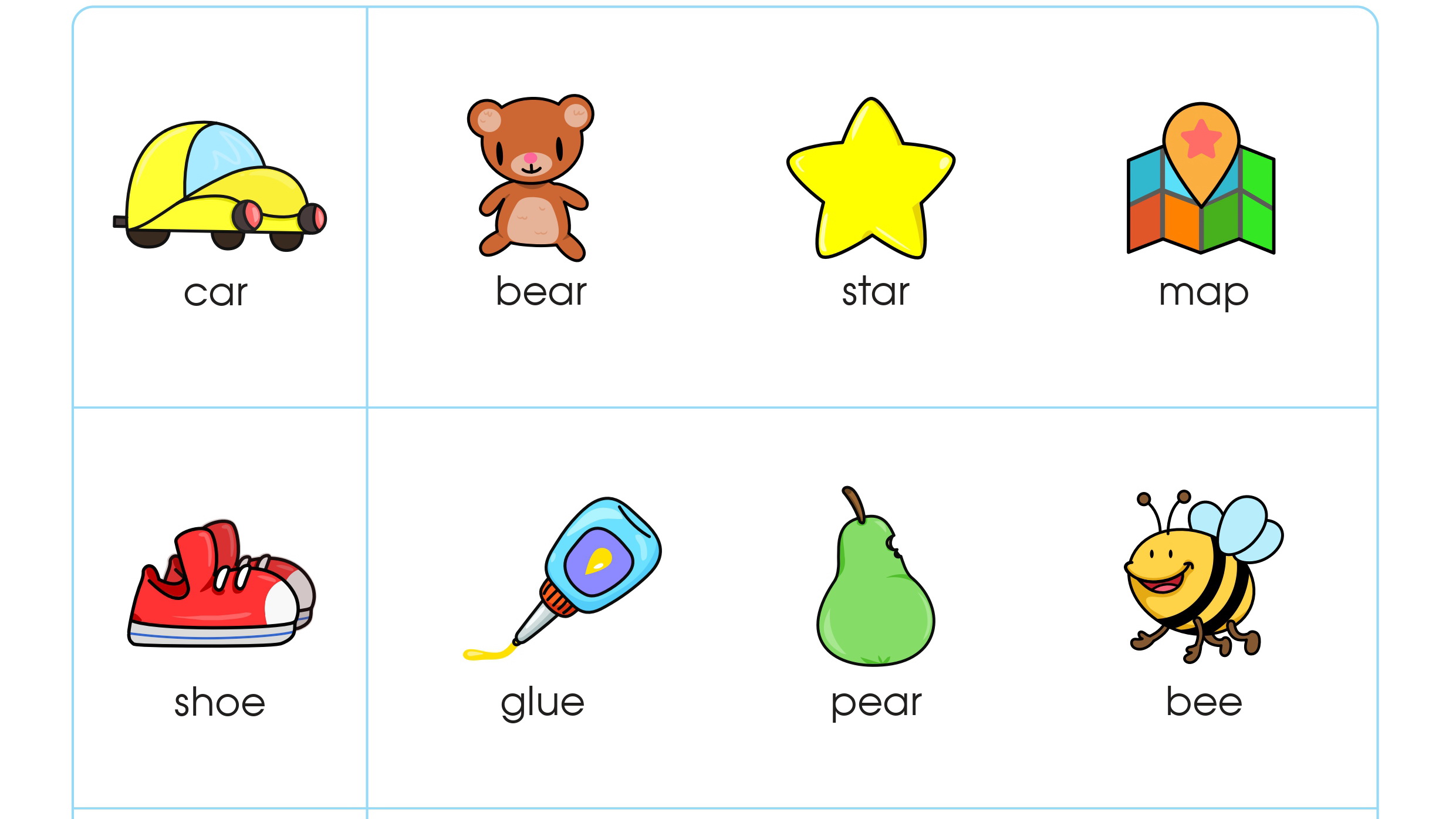
Match–Up Game: Beginning Sounds Worksheet
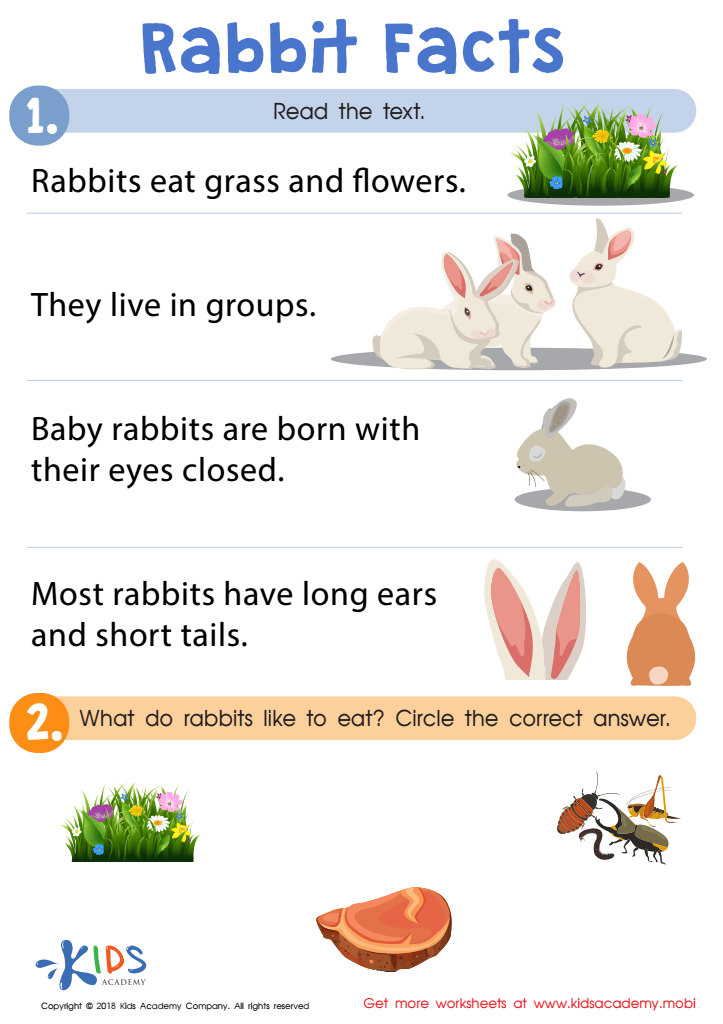
Rabbit Facts Worksheet







Vocabulary expansion during ages 6-8 is crucial for several reasons. First, a rich vocabulary forms the foundation for reading comprehension. When children understand more words, they can grasp the meaning of stories, instructions, and even conversations more effectively. This enhances their overall learning experience and sets the stage for future academic success.
Second, vocabulary growth supports cognitive development. By learning new words, children also develop critical thinking and problem-solving skills. They become better at describing their world and expressing their thoughts and emotions. This can boost their confidence and encourage them to engage more fully in classroom activities and social interactions.
Third, a robust vocabulary facilitates smoother communication. When children can articulate their ideas clearly, they are more likely to form healthy relationships with peers and adults. This is essential for both their emotional well-being and social development.
Finally, fostering a strong vocabulary at an early age often translates into a lifelong love of reading. Developing this passion early makes learning enjoyable and less of a chore, encouraging continuous self-education and intellectual curiosity.
Parents and teachers should prioritize vocabulary expansion to ensure that children have the key to open doors to knowledge, imagination, and meaningful interaction with the world around them.








