Critical Thinking Normal Reading Comprehension Worksheets for Ages 6-8
34 filtered results
-
From - To
Introducing our "Critical Thinking Normal Reading Comprehension Worksheets" designed for children aged 6-8. These engaging and educational worksheets focus on enhancing critical thinking, decoding skills, and comprehension. Each worksheet presents carefully chosen texts followed by thought-provoking questions that encourage young learners to analyze, infer, and draw connections. Ideal for classroom use or at-home practice, our resources foster a deeper understanding of text and develop essential reading skills. As kids work through passages and exercises, they build confidence and analytical skills, laying a solid foundation for future academic success. Explore our collection and support your child's reading journey!
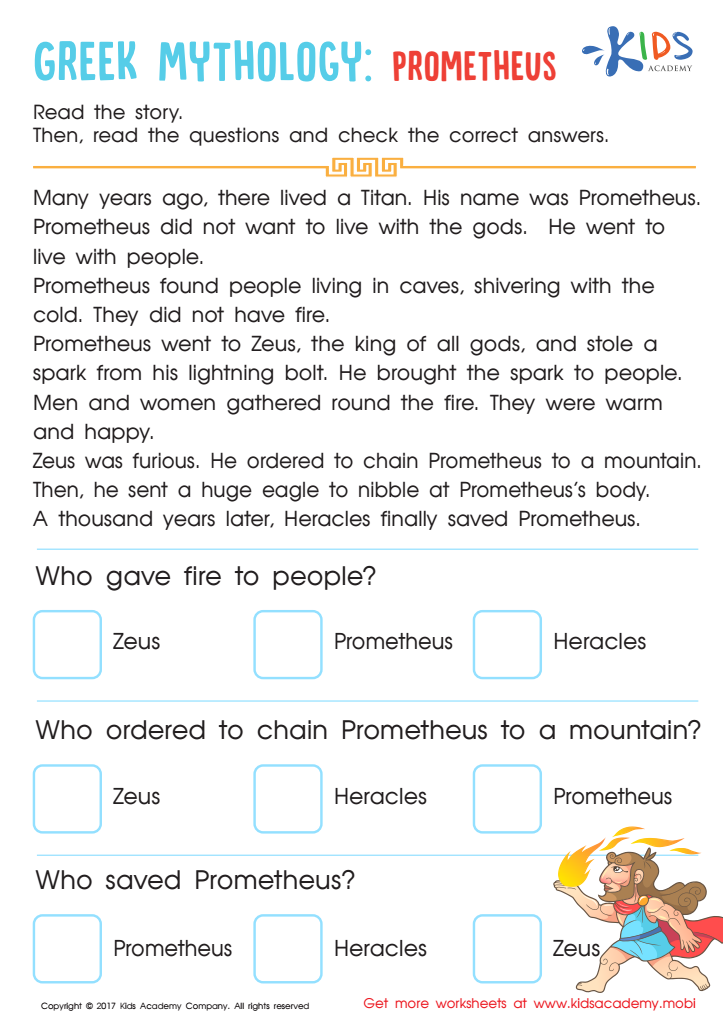
Prometheus Story Worksheet
 Assign to My Students
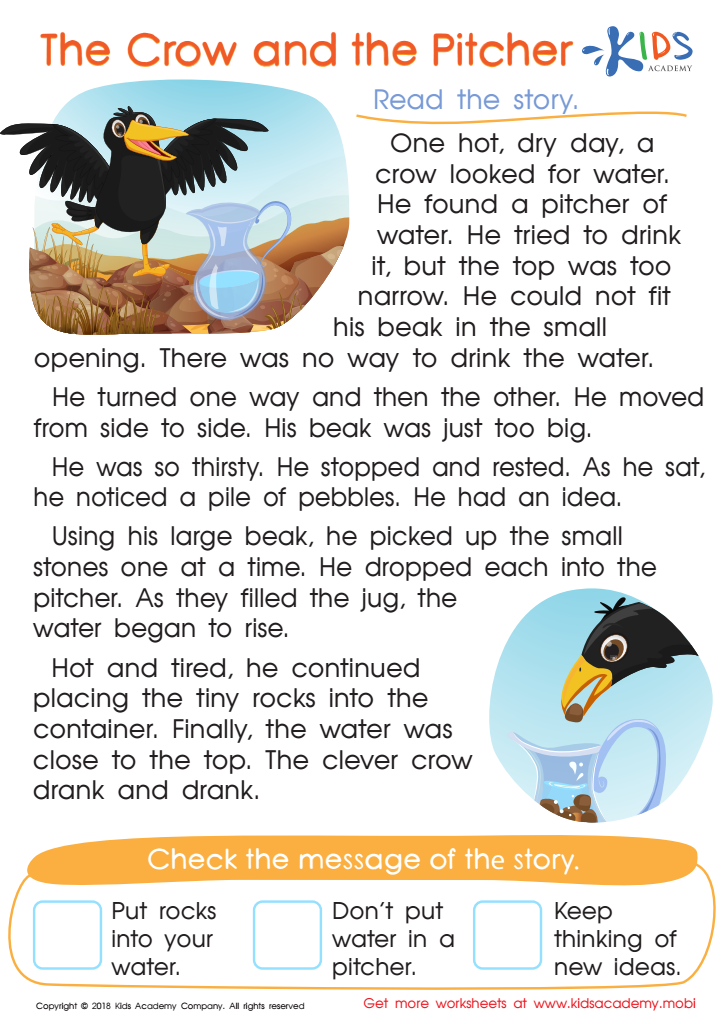
The Crow and the Pitcher Worksheet
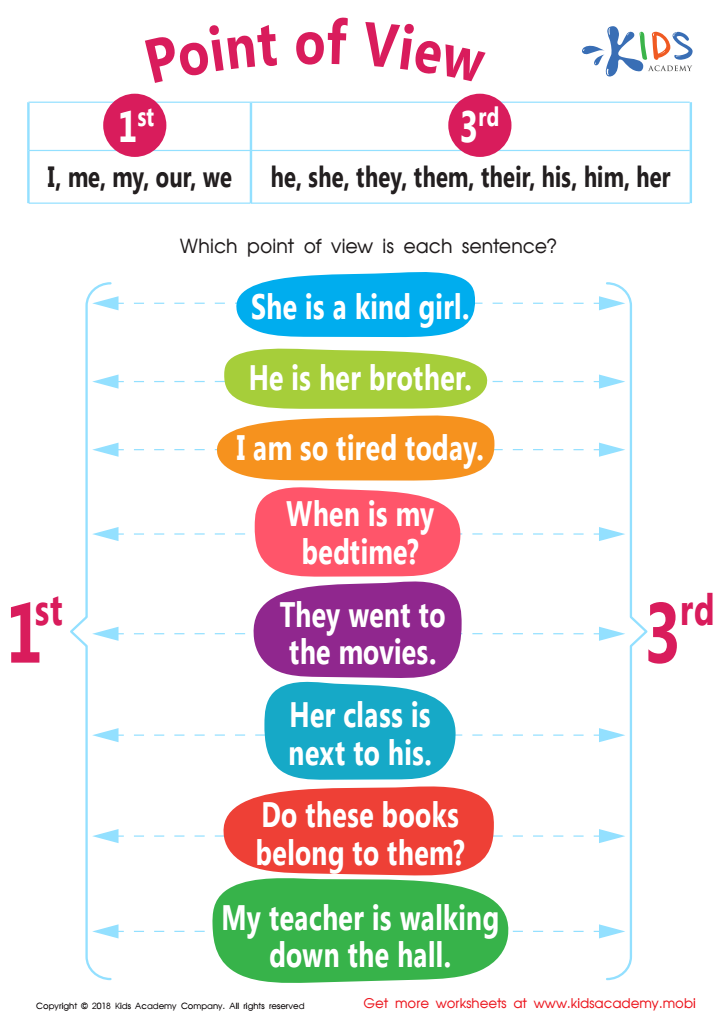
Point of View Worksheet
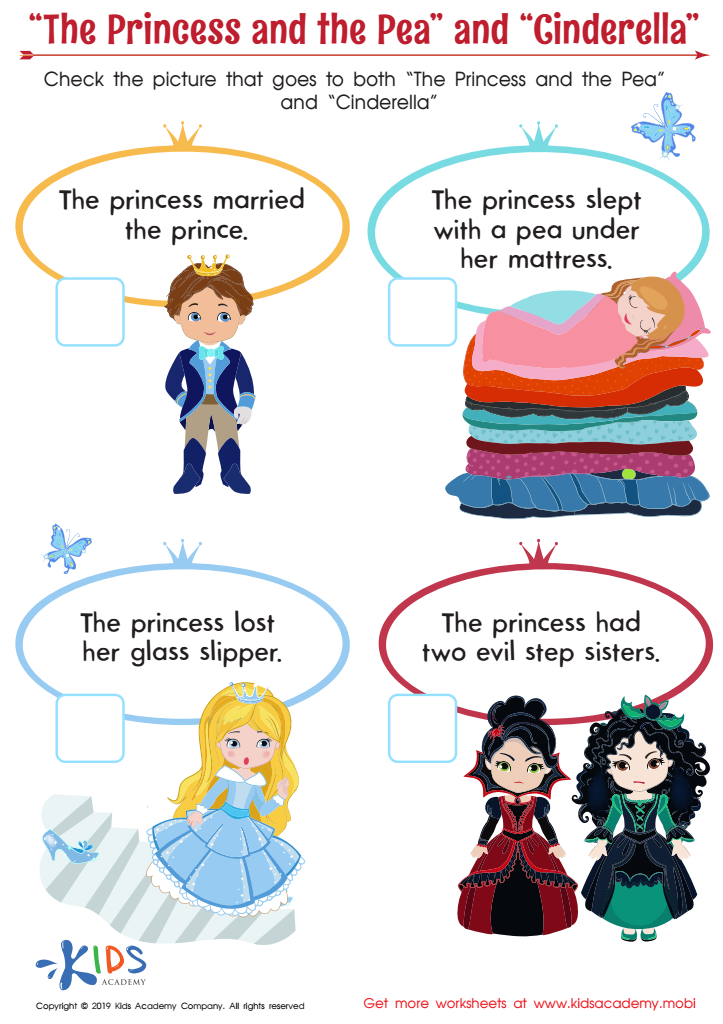
“The Princess and the Pea” and “Cinderella” Worksheet
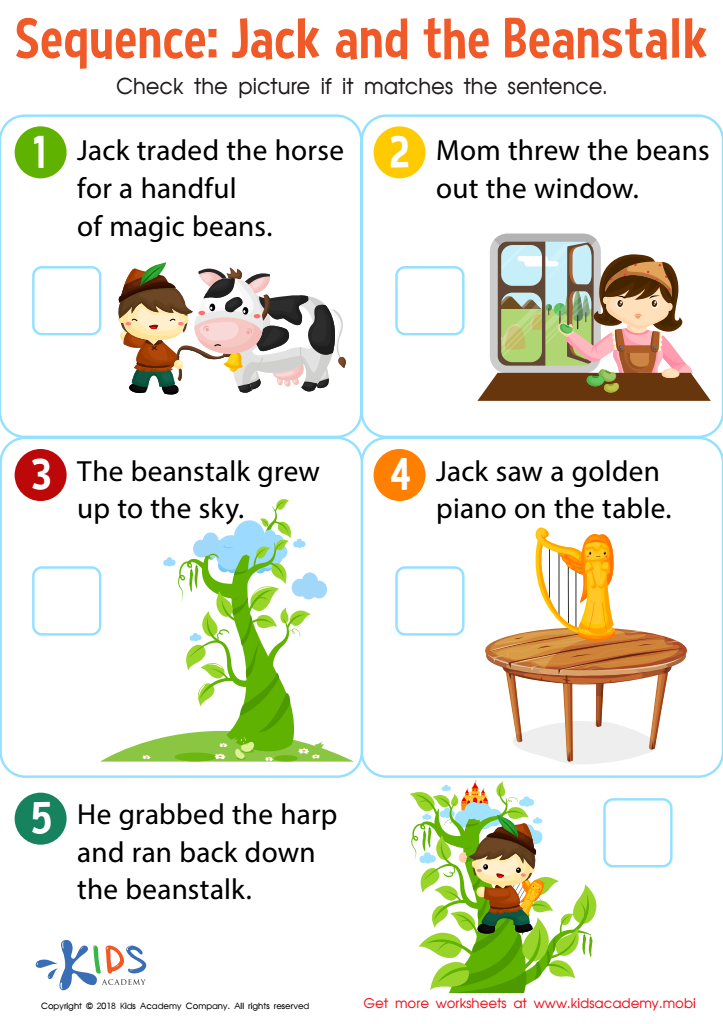
Sequence: Jack and The Beanstalk Worksheet
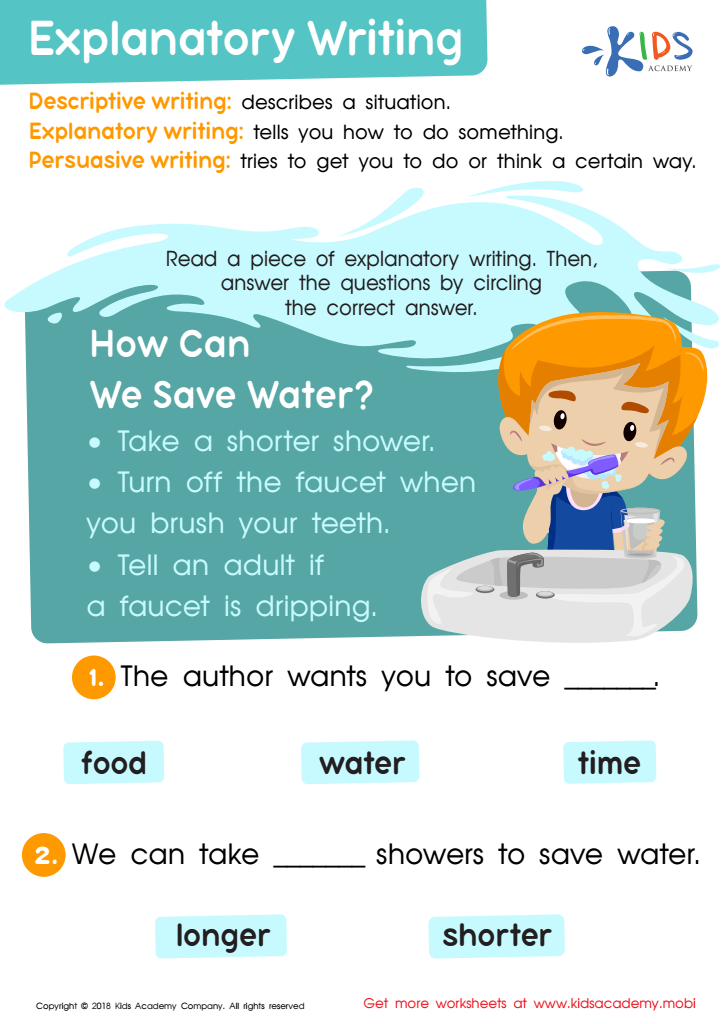
Explanatory Writing Worksheet
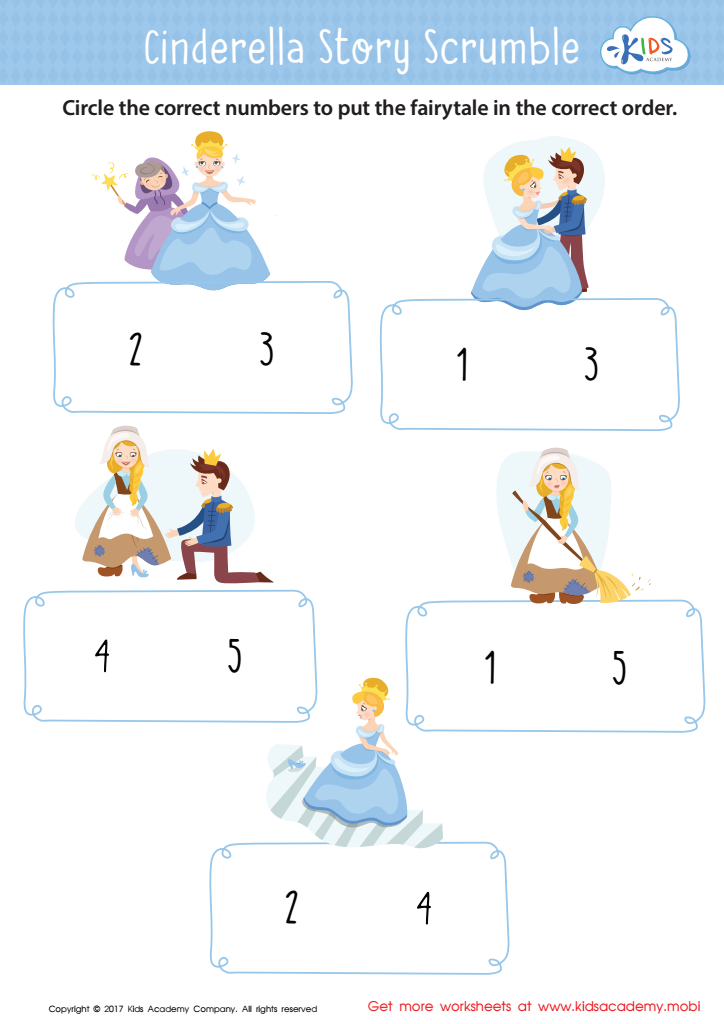
Cinderella Story Sequencing Worksheet
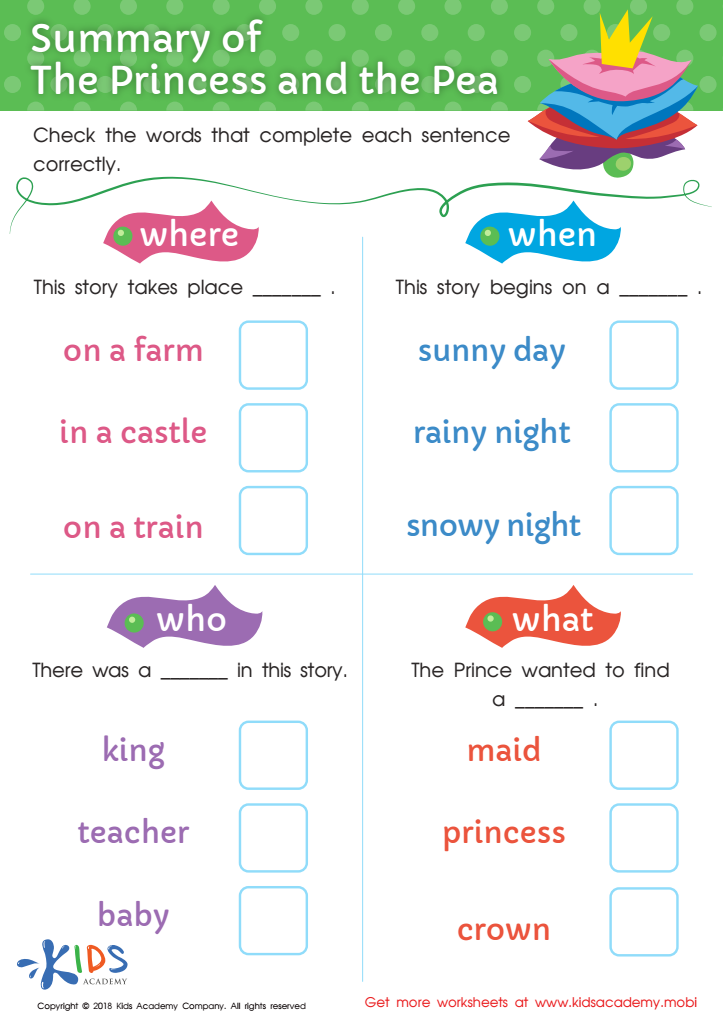
The Summary of the Princess and the Pea Worksheet
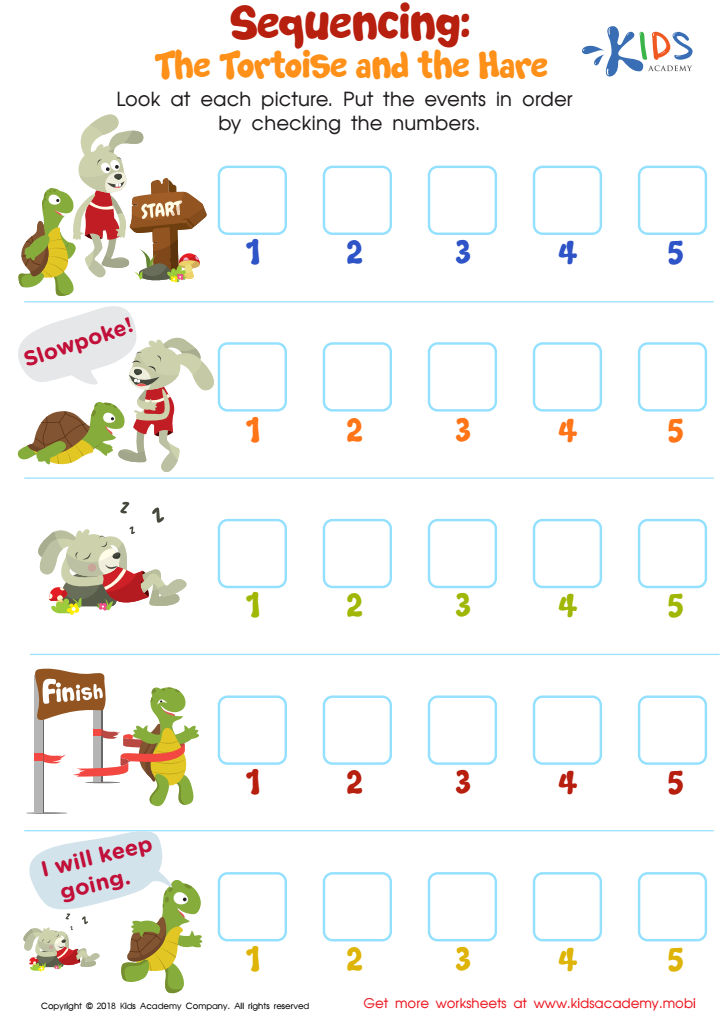
Sequencing: The Tortoise and the Hare Worksheet
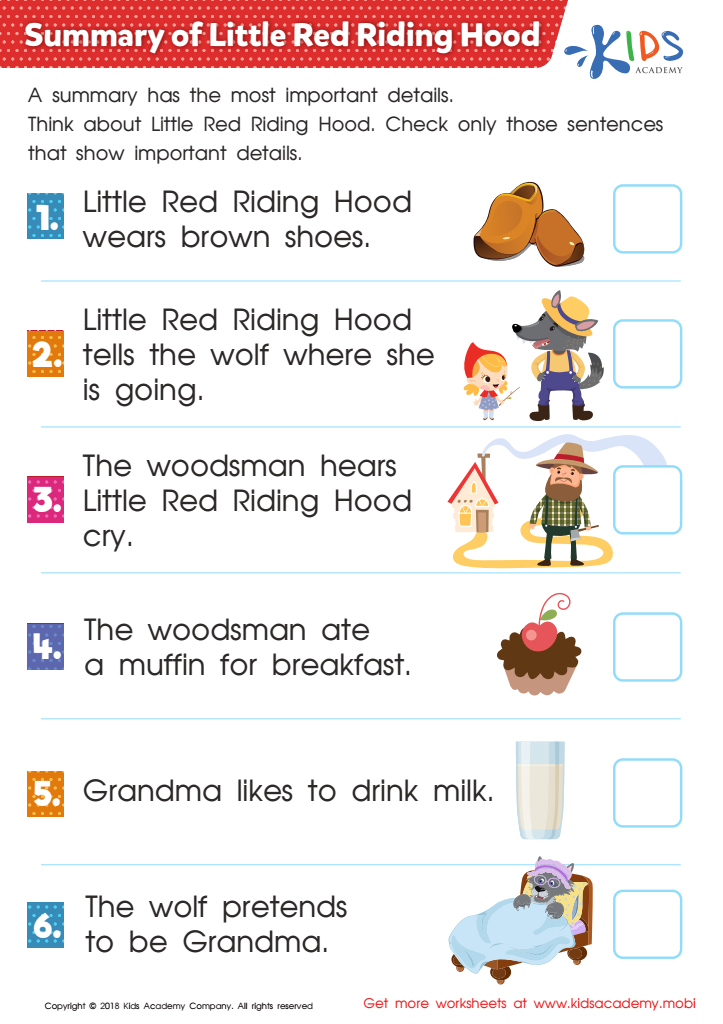
Summary of Little Red Riding Hood Worksheet
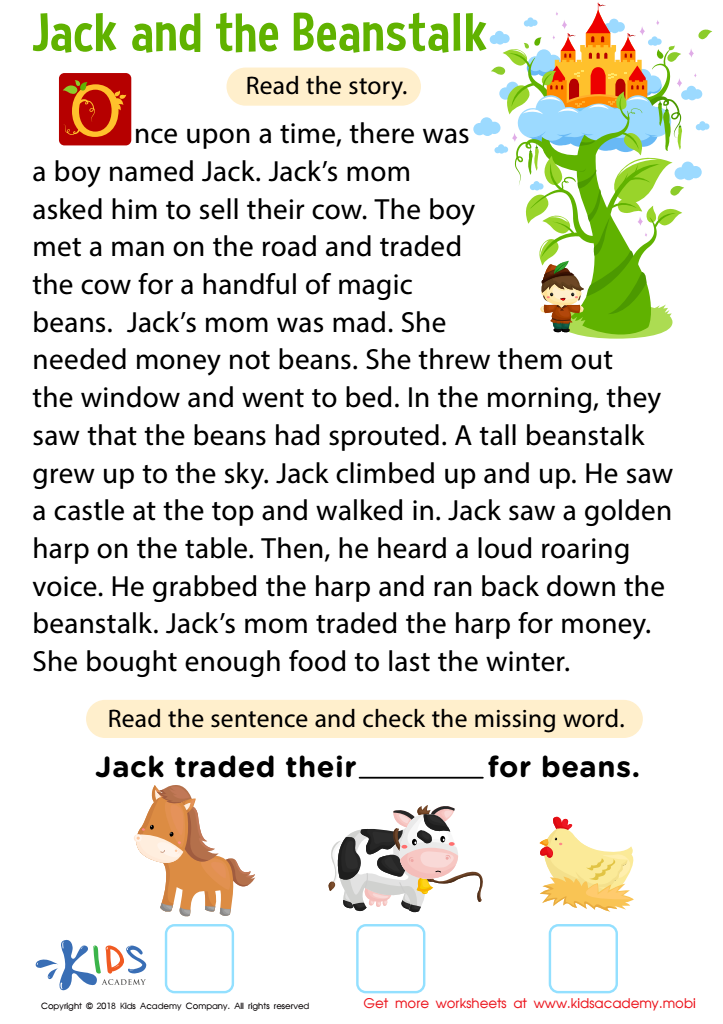
Jack and Beanstalk Worksheet
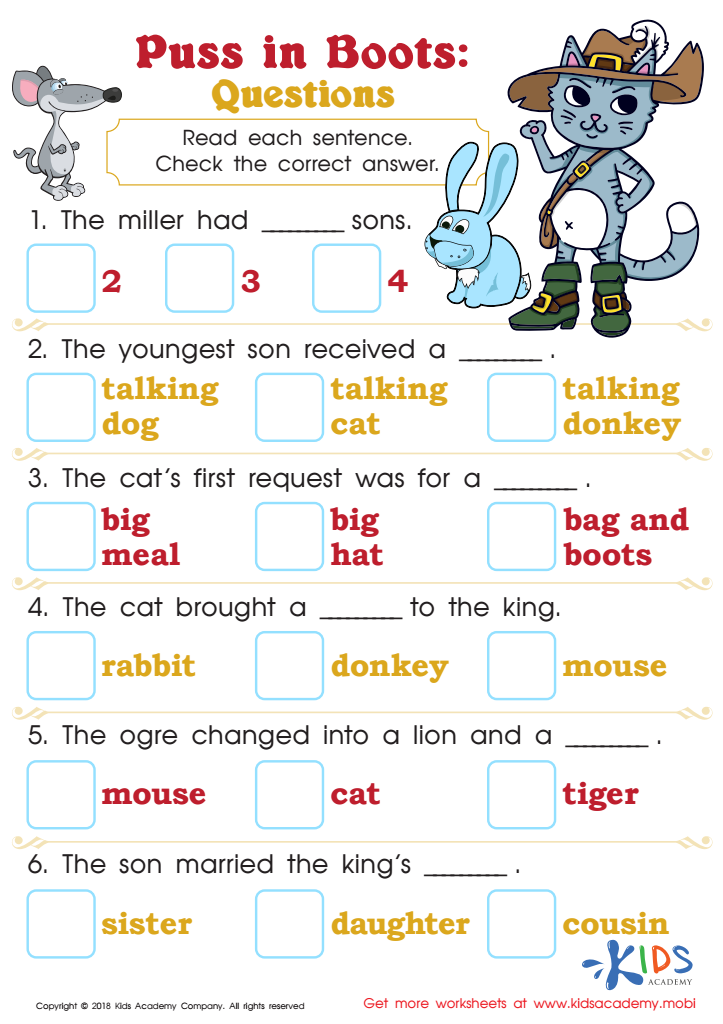
Puss in Boots: Questions Worksheet
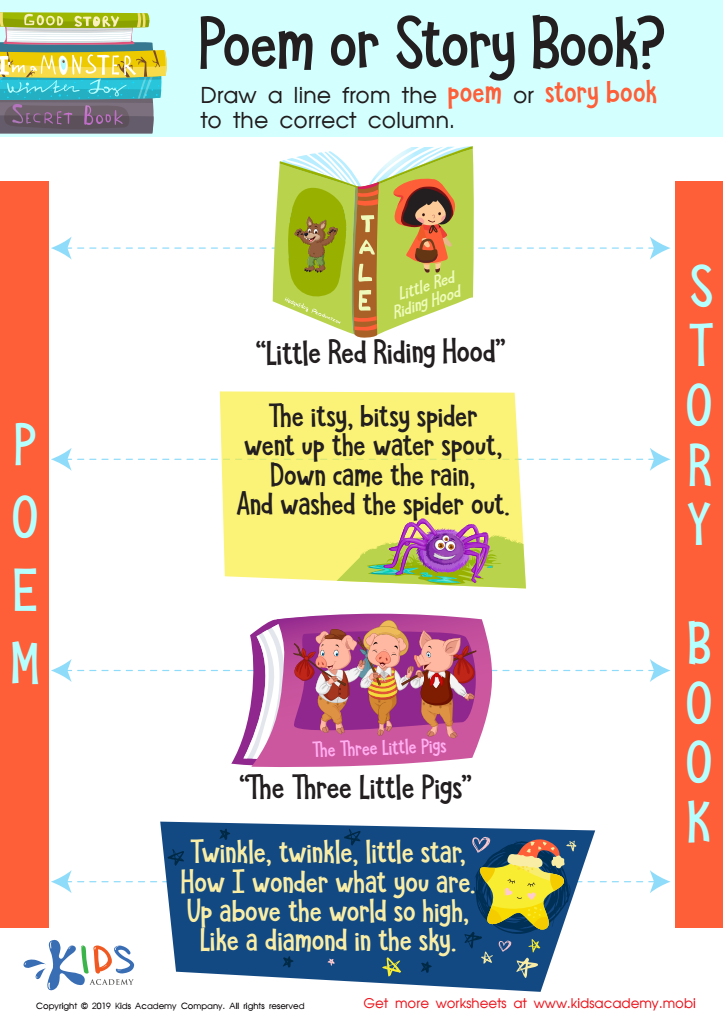
Poem or Story Book? Worksheet
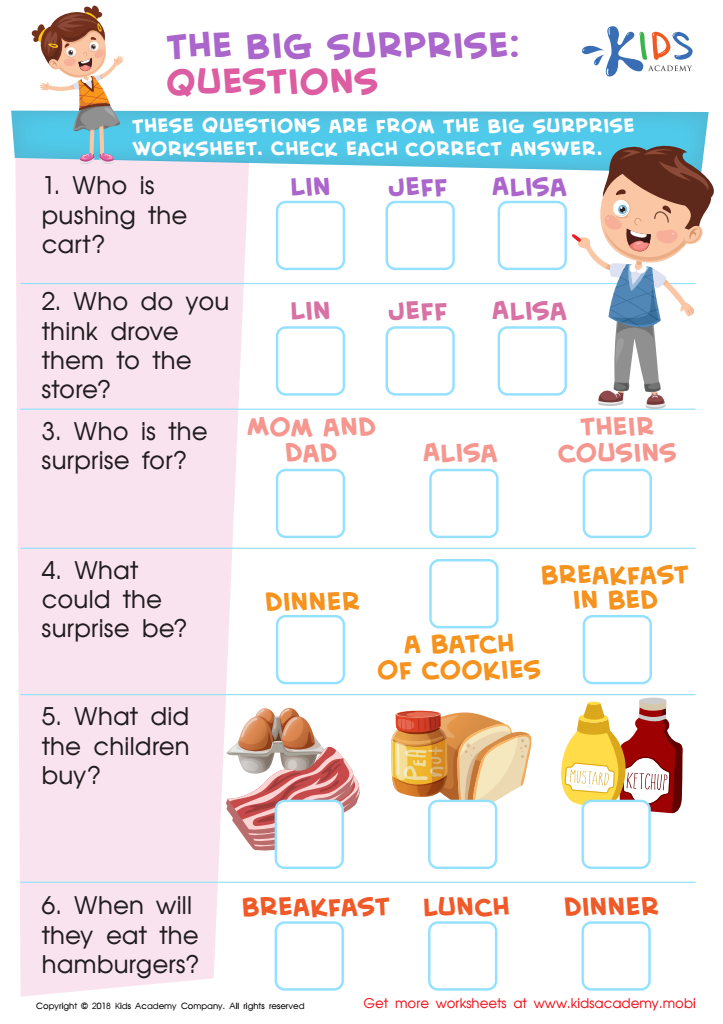
The Big Surprise: Questions Worksheet
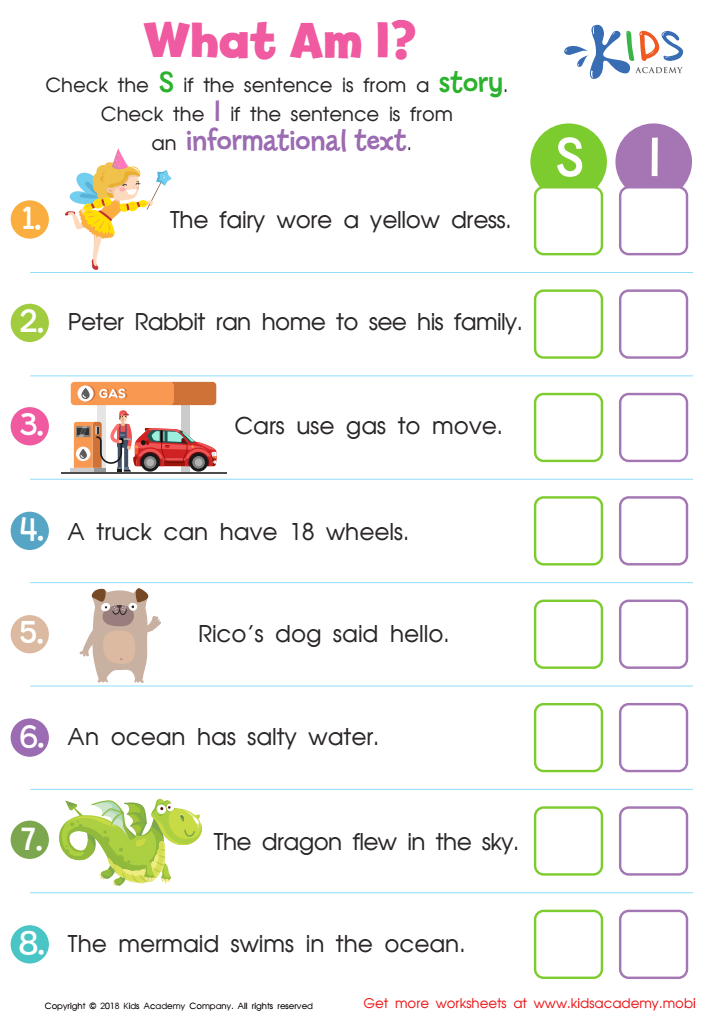
What Am I? Worksheet
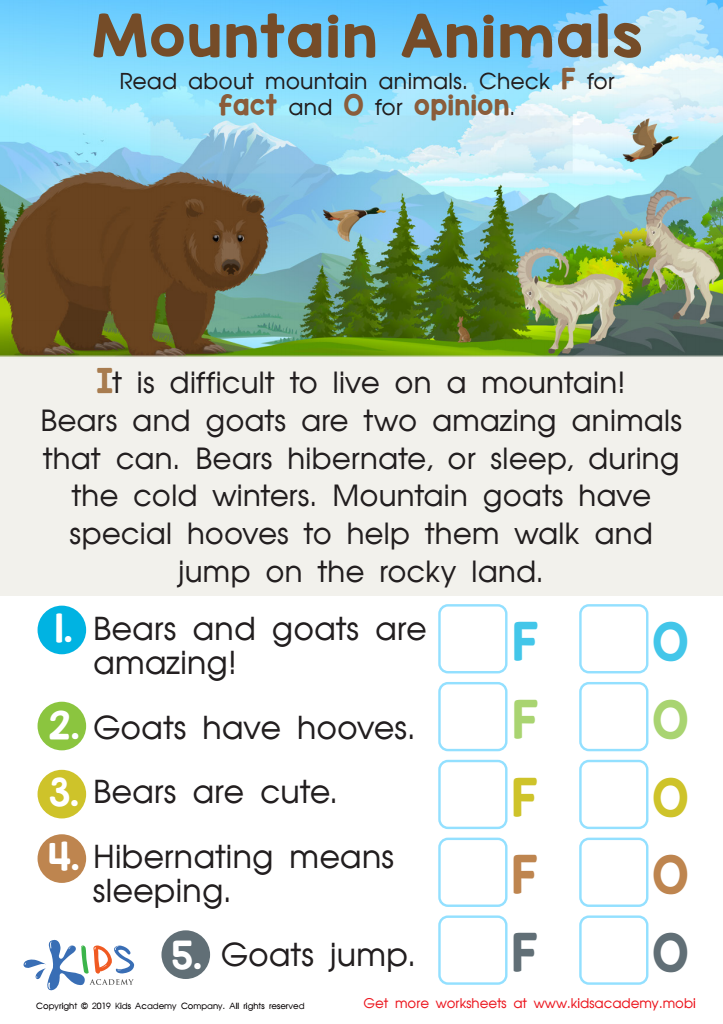
Mountain Animals Worksheet
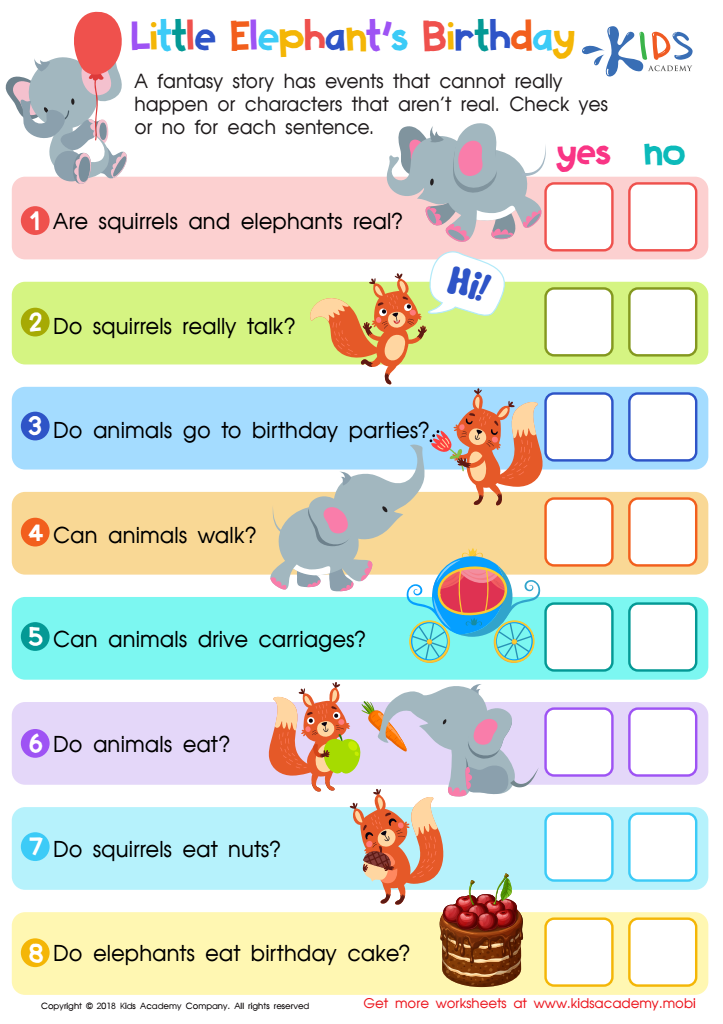
Little Elephant's Birthday Worksheet
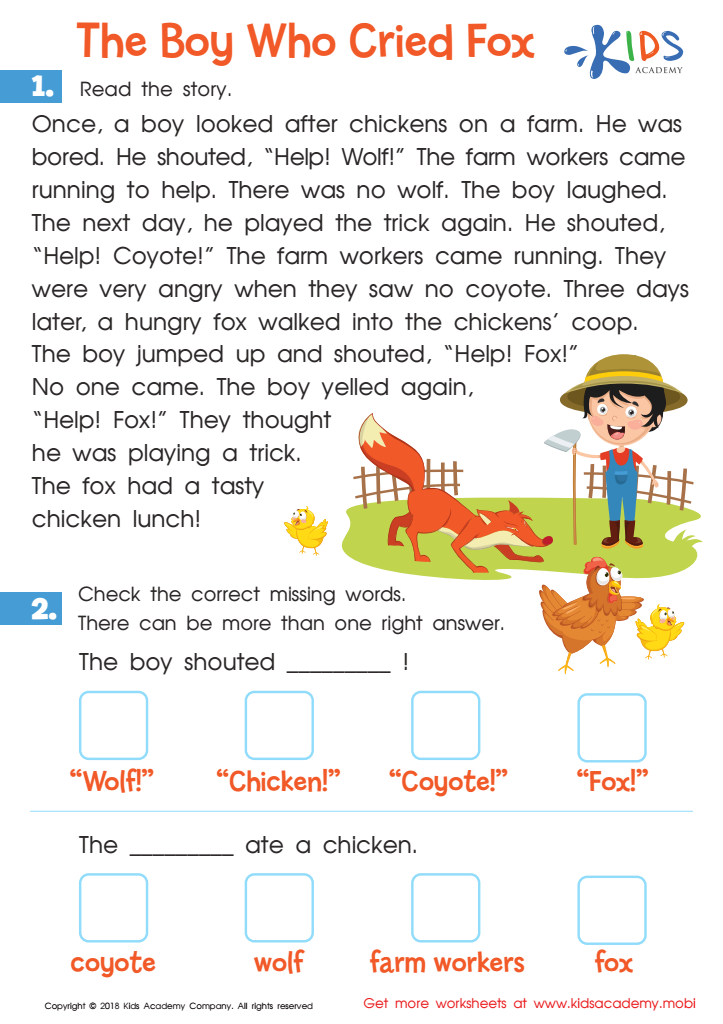
The Boy Who Cried Fox Worksheet
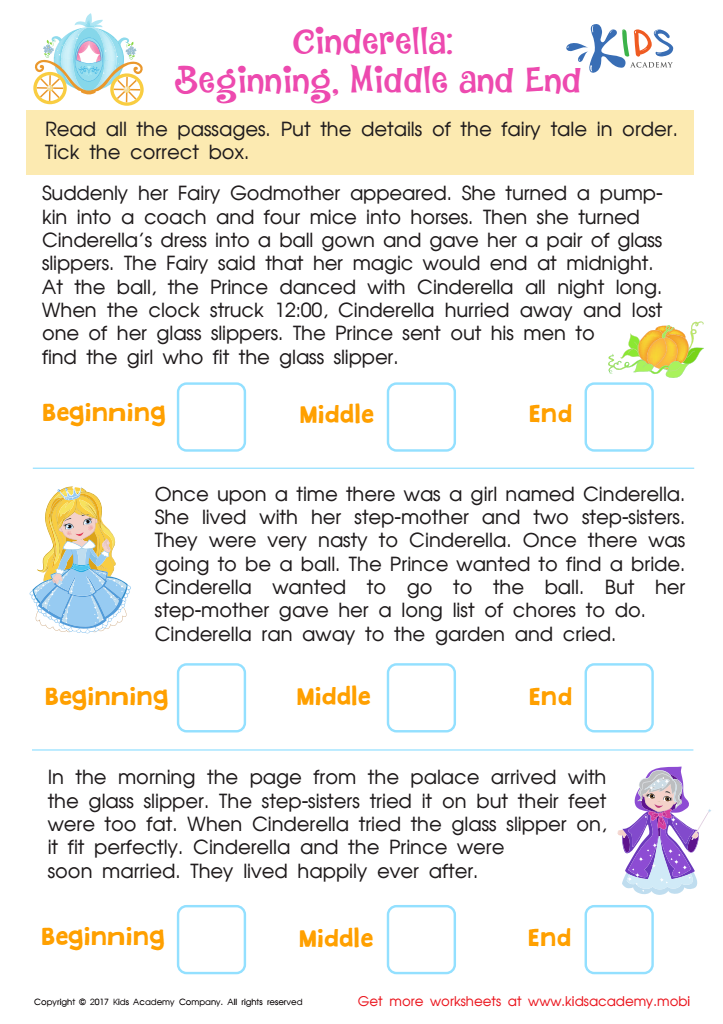
Cinderella: Beginning, Middle and End Worksheet
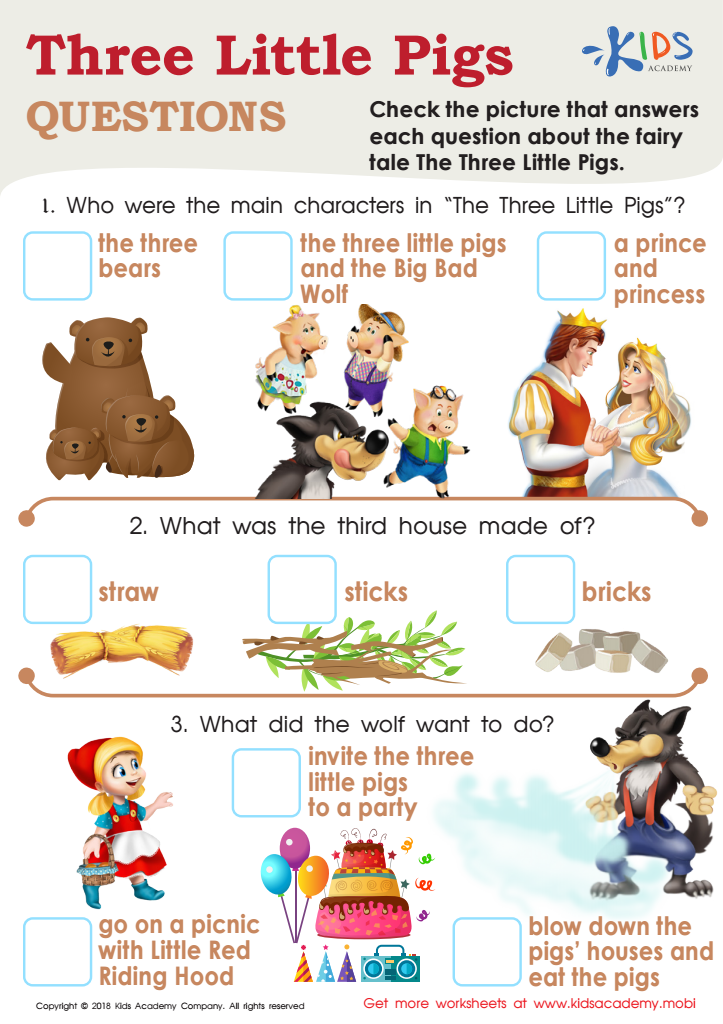
Three Little Pigs Questions Worksheet
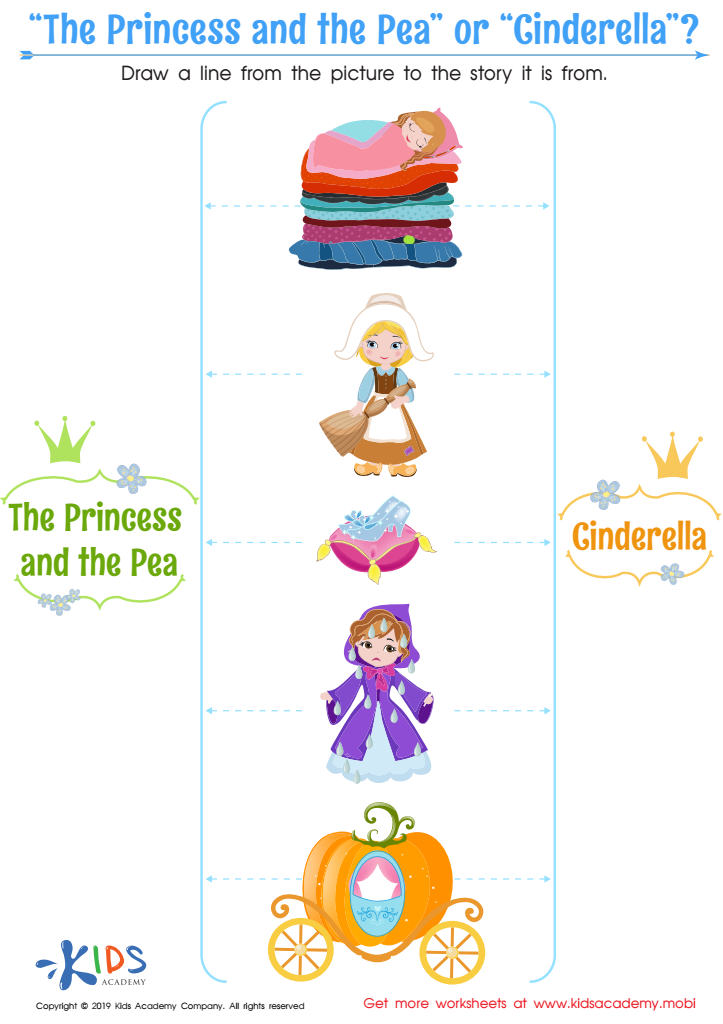
“The Princess and the Pea” or “Cinderella” Worksheet
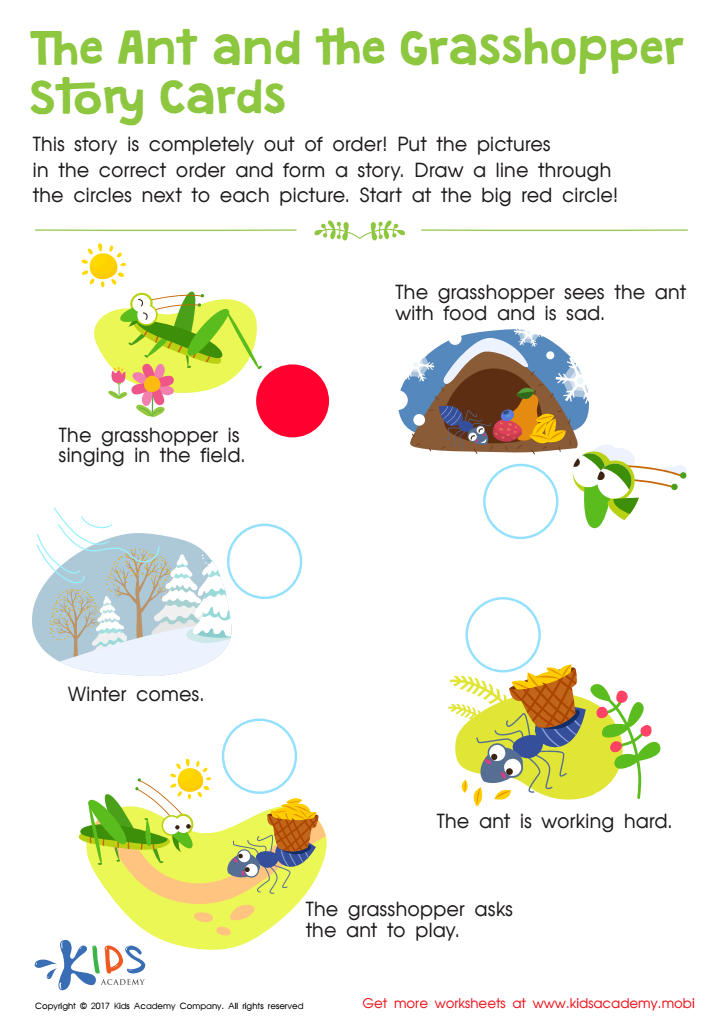
The Ant and The Grasshopper Worksheet
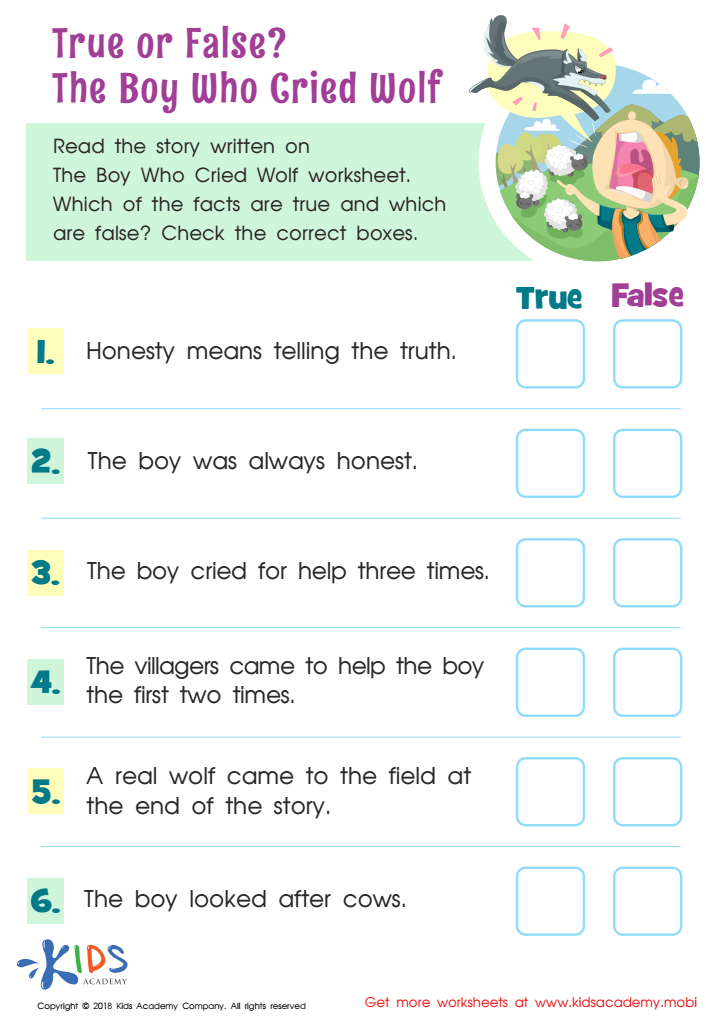
True or False? The Boy Who Cried Wolf Worksheet
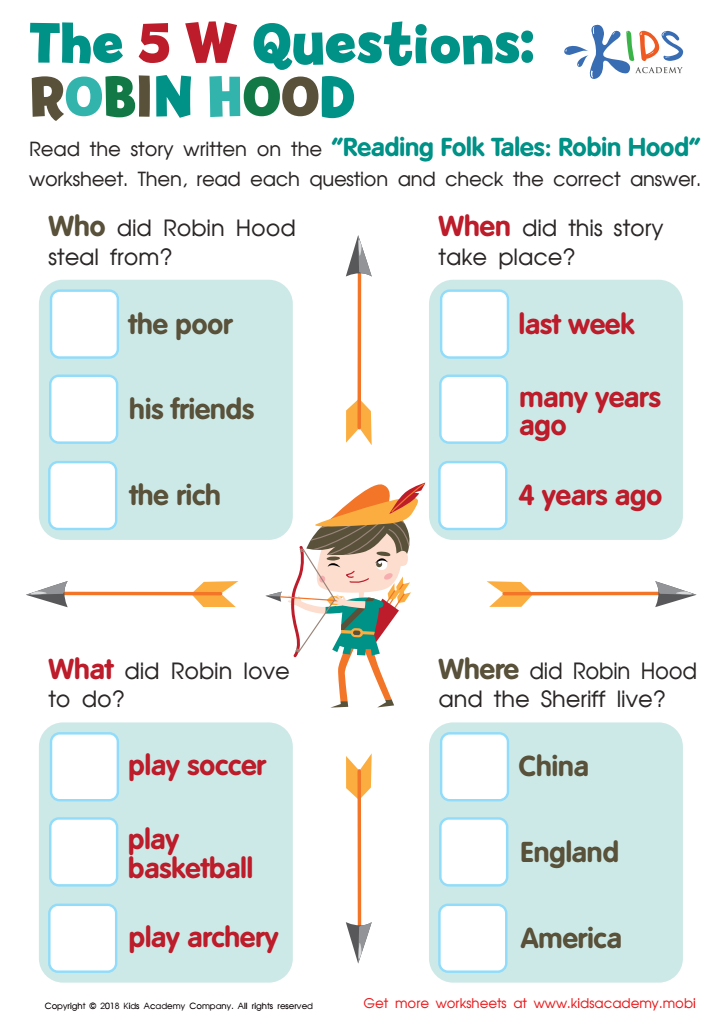
The 5 W Questions: Robin Hood Worksheet







Critical thinking and reading comprehension are foundational skills that significantly impact a child's academic success and overall intellectual development. For children ages 6-8, these abilities are especially crucial as they form the basis for more complex learning in later years. At this stage, children are transitioning from learning to read to reading to learn. Developing critical thinking skills enhances their ability to analyze information, solve problems, and make informed decisions. When children critically engage with texts, they learn to question assumptions, identify main ideas, make inferences, and understand the nuances of language and storytelling. This deepens their comprehension and enables them to become more thoughtful and reflective readers.
Moreover, early exposure to critical thinking and reading comprehension fosters a love for learning and curiosity. It encourages children to ask questions, explore different perspectives, and seek deeper understanding rather than passively accepting information. These skills are not only relevant for academic pursuits but are also essential for personal growth and responsible citizenship. By prioritizing critical thinking and reading comprehension, parents and teachers prepare children for a future that demands agility in thinking, adaptability, and an aptitude for continuous learning. Investing in these skills at a young age sets the foundation for lifelong learning, problem-solving, and effective communication.








