Critical Thinking Normal Reading Comprehension Worksheets for Ages 6-8 - Page 2
34 filtered results
-
From - To
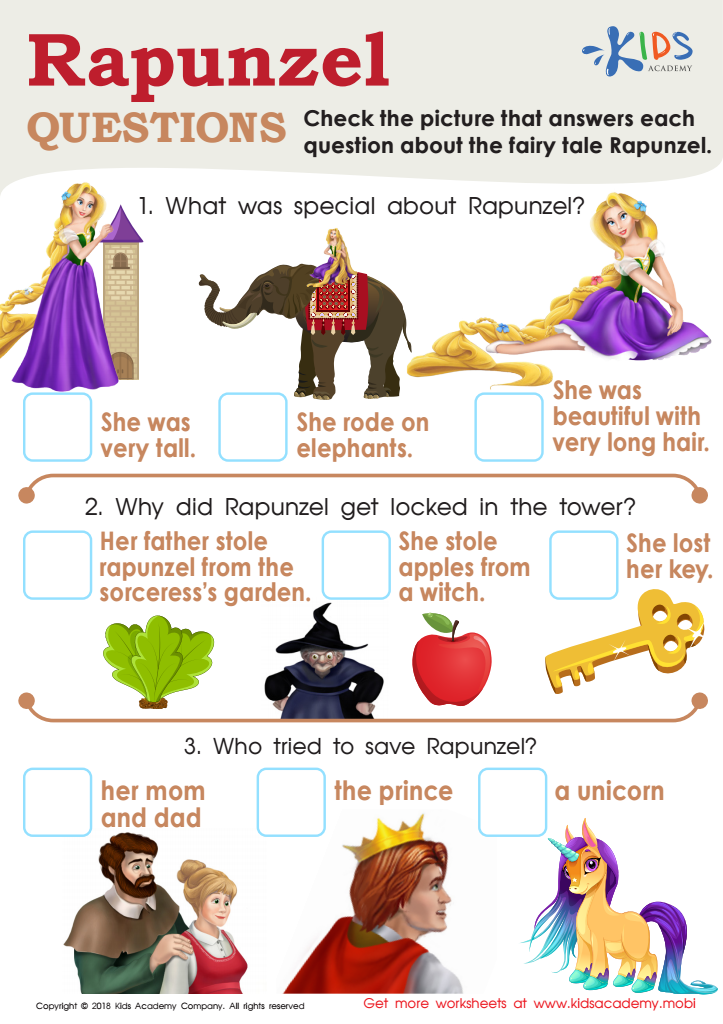
Rapunzel Questions Worksheet
 Assign to My Students
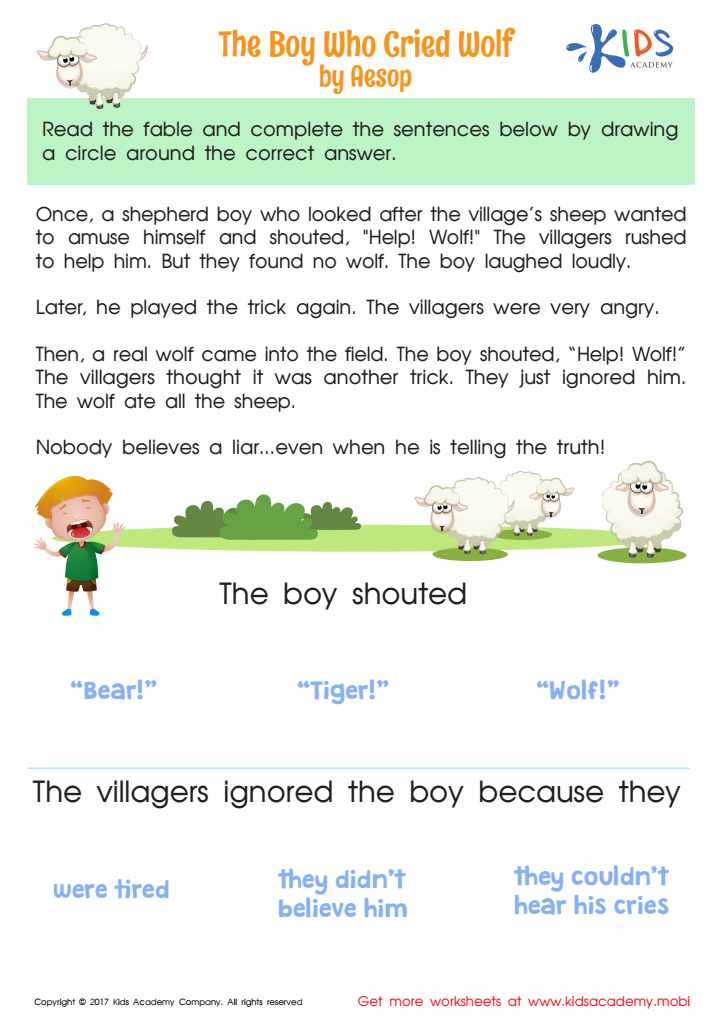
The Boy Who Cried Wolf Worksheet
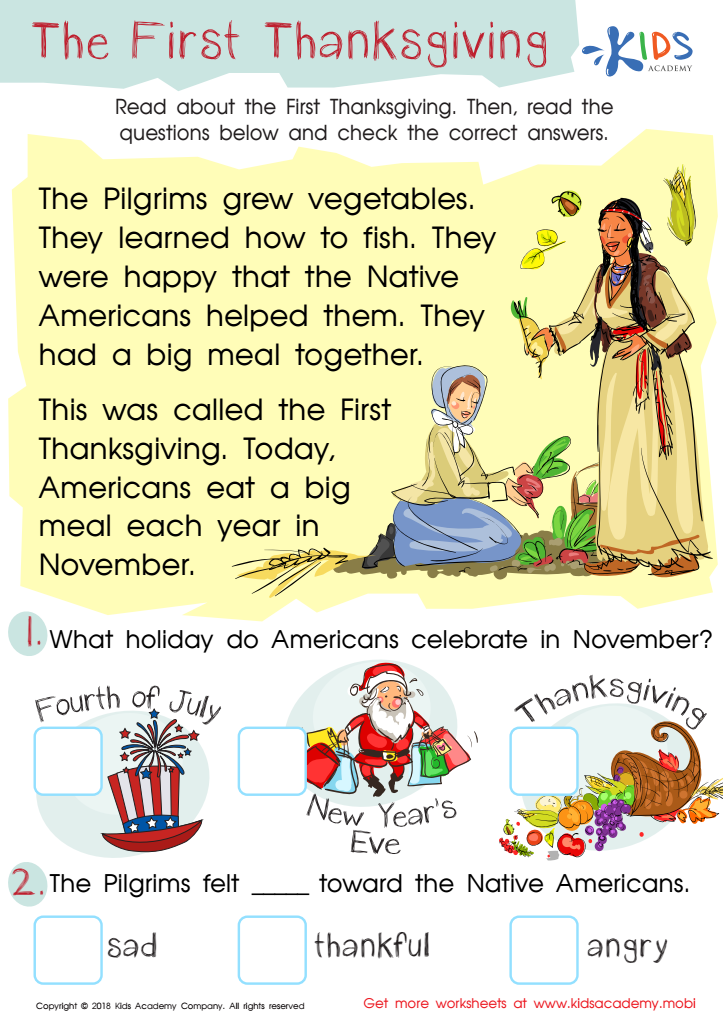
Assessment: First Thanksgiving Worksheet
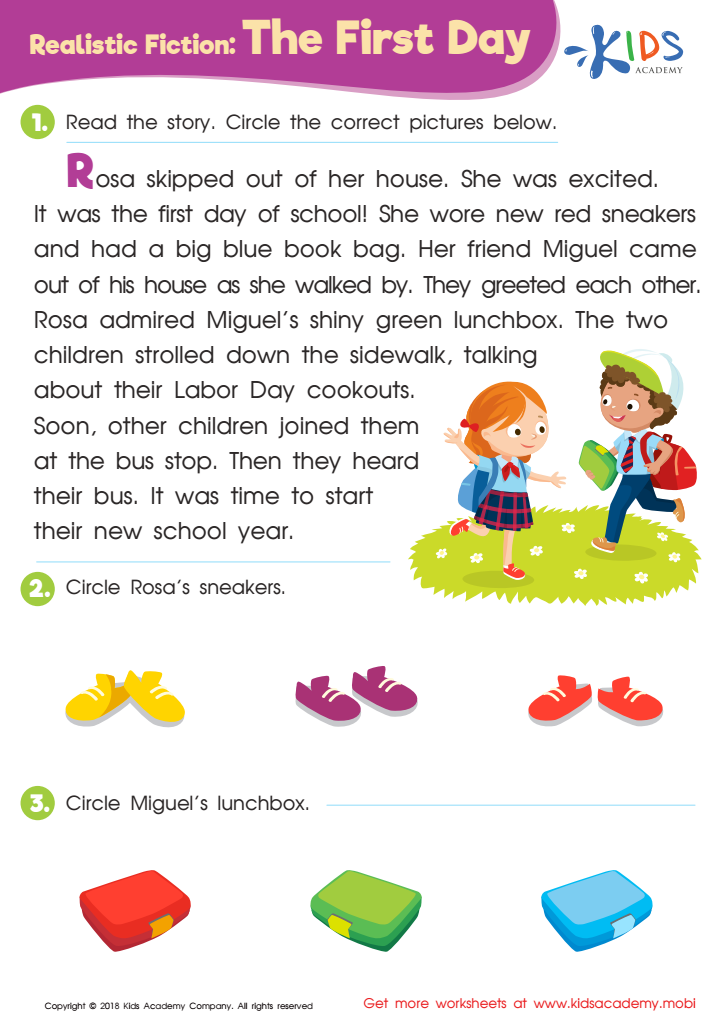
Realistic Fiction: The First Day Worksheet
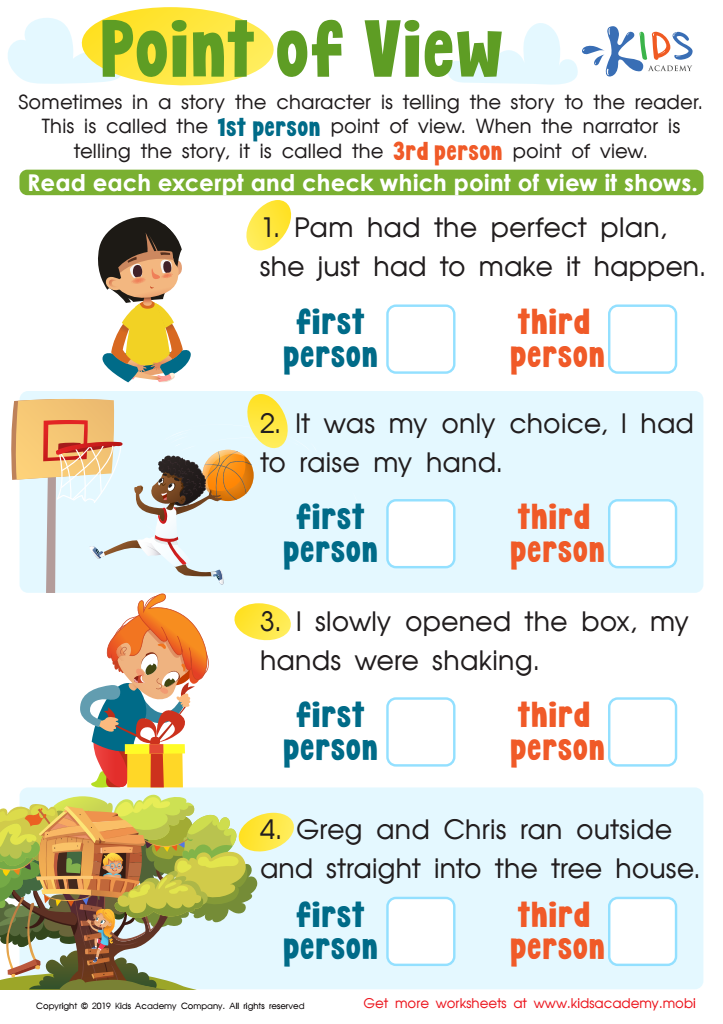
Point of View Printable
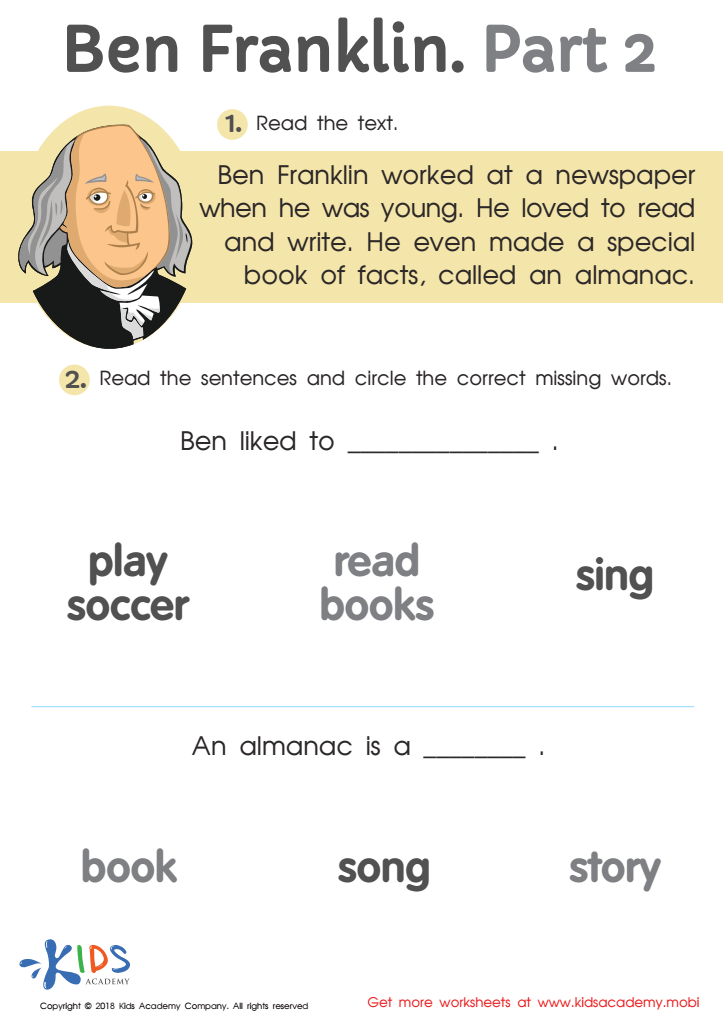
Ben Franklin Part 2 Worksheet
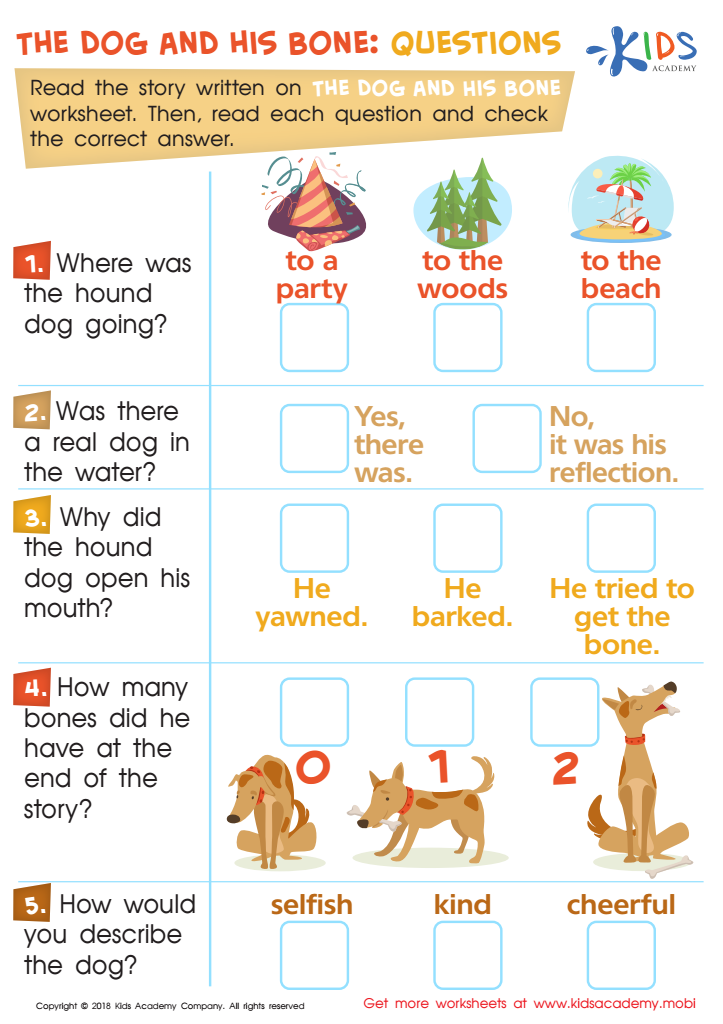
The Dog and His Bone: Questions Worksheet
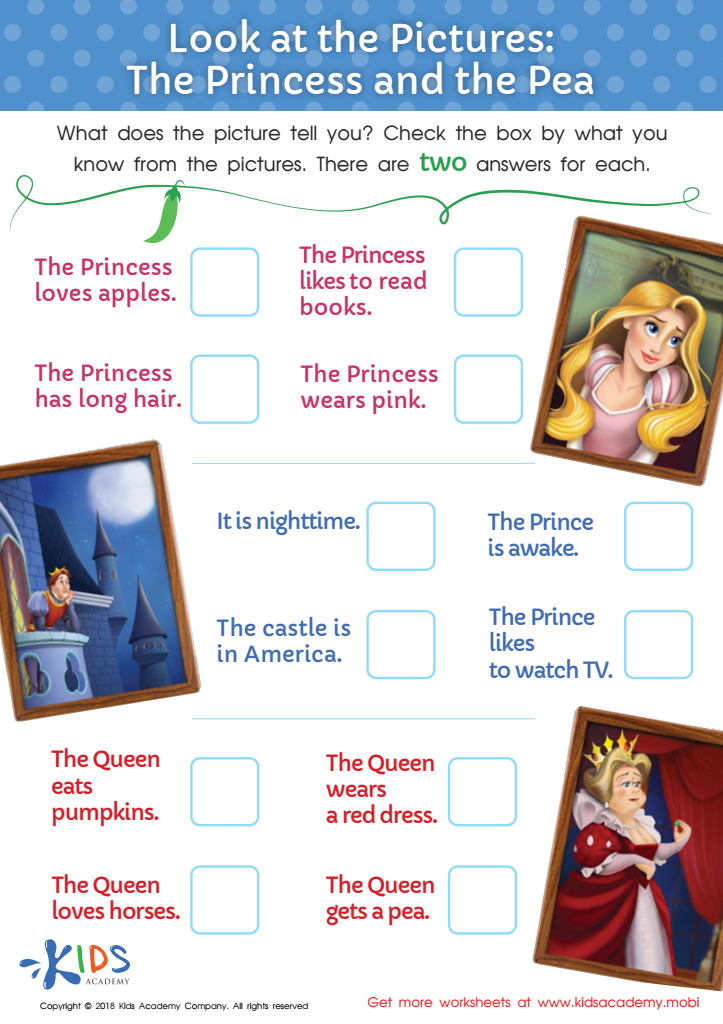
Look at the Pictures: The Princess and the Pea Worksheet
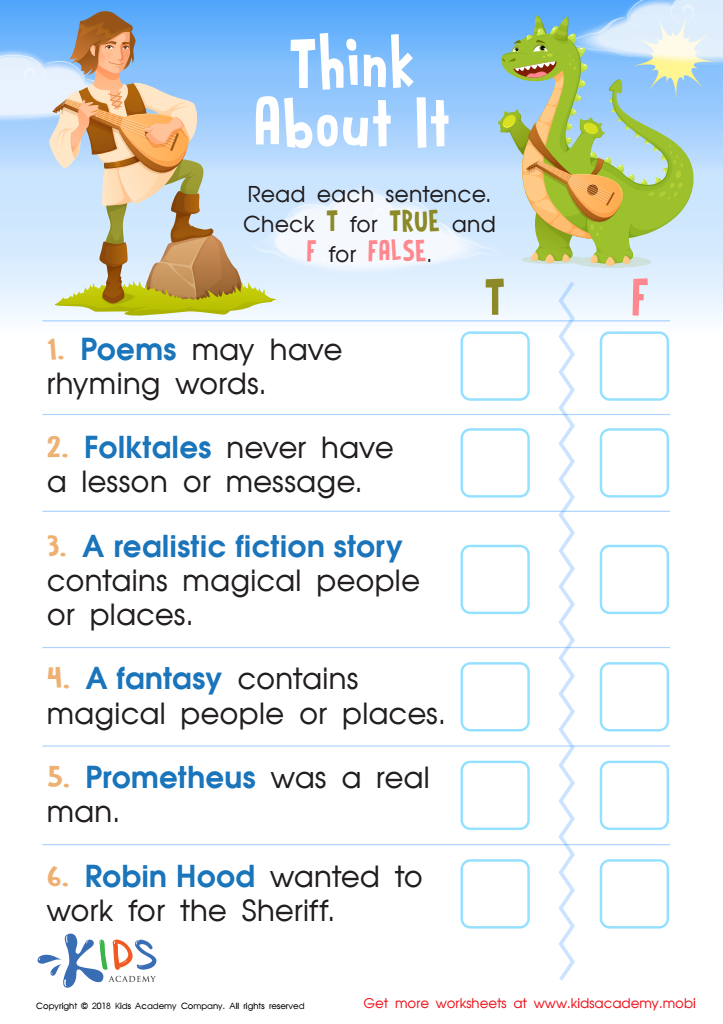
Think About It: Assessment Worksheet
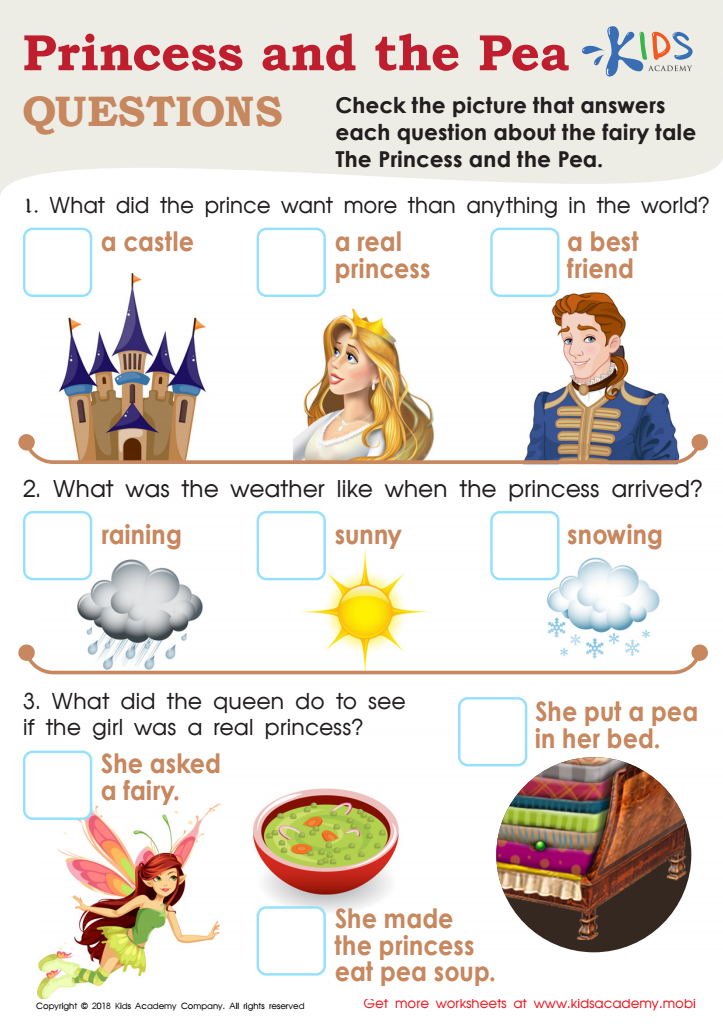
Princess and the Pea Questions Worksheet








Critical thinking and reading comprehension are foundational skills that significantly impact a child's academic success and overall intellectual development. For children ages 6-8, these abilities are especially crucial as they form the basis for more complex learning in later years. At this stage, children are transitioning from learning to read to reading to learn. Developing critical thinking skills enhances their ability to analyze information, solve problems, and make informed decisions. When children critically engage with texts, they learn to question assumptions, identify main ideas, make inferences, and understand the nuances of language and storytelling. This deepens their comprehension and enables them to become more thoughtful and reflective readers.
Moreover, early exposure to critical thinking and reading comprehension fosters a love for learning and curiosity. It encourages children to ask questions, explore different perspectives, and seek deeper understanding rather than passively accepting information. These skills are not only relevant for academic pursuits but are also essential for personal growth and responsible citizenship. By prioritizing critical thinking and reading comprehension, parents and teachers prepare children for a future that demands agility in thinking, adaptability, and an aptitude for continuous learning. Investing in these skills at a young age sets the foundation for lifelong learning, problem-solving, and effective communication.








