Comparative analysis Normal Science Worksheets for Ages 6-8
3 filtered results
-
From - To
Introducing our "Comparative Analysis Normal Science Worksheets for Ages 6-8," a collection designed to engage young learners in the fascinating world of science! Tailored specifically for children between 6 and 8 years of age, these worksheets foster critical thinking and observational skills through fun comparative analysis activities. Each worksheet encourages students to compare various scientific concepts, explore differences and similarities, and enhance their analytical abilities. Engaging illustrations and accessible content make learning enjoyable, while our curriculum-aligned activities support comprehension of key scientific principles. Perfect for use in the classroom or at home, these worksheets set the foundation for lifelong scientific curiosity and understanding.
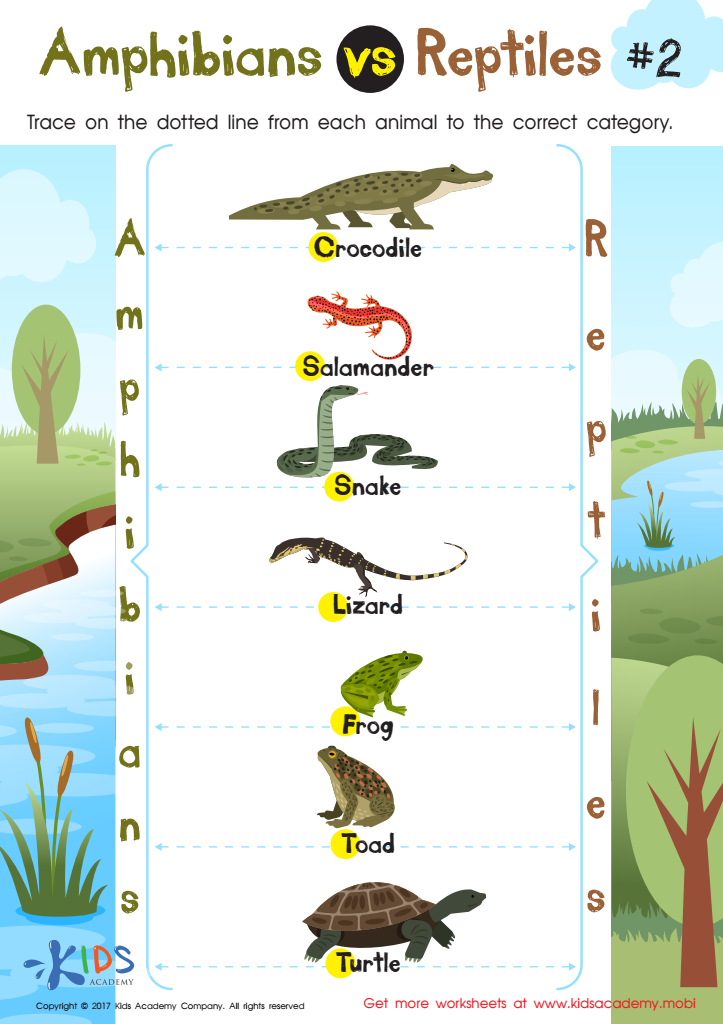
Amphibians vs Reptiles Worksheet for 3rd Grade
 Assign to My Students
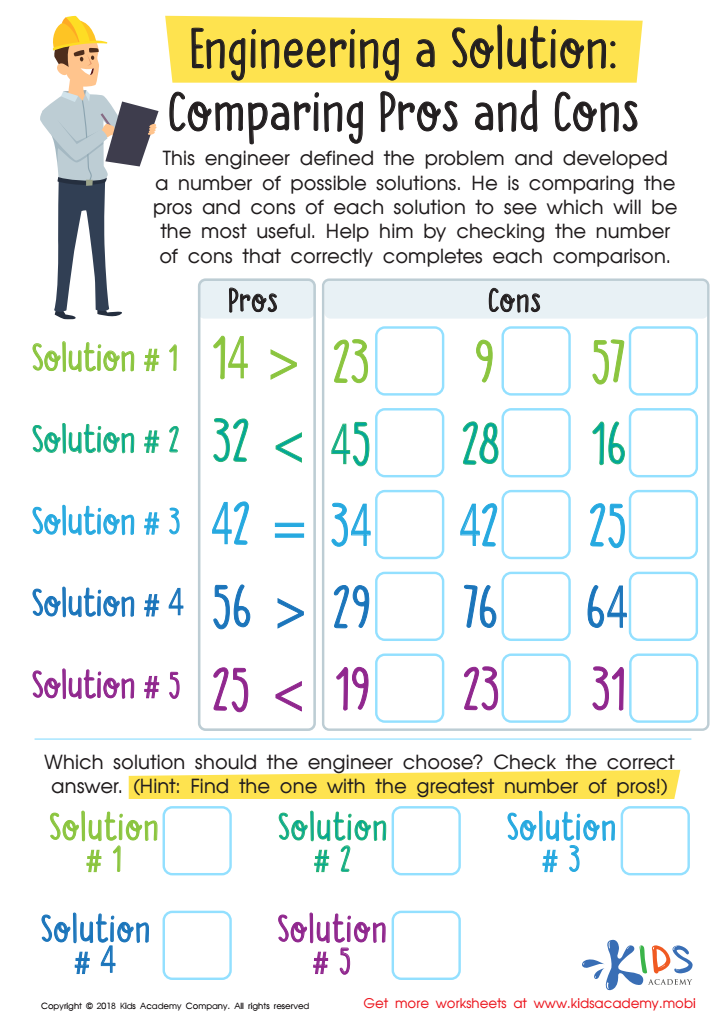
Engineering a Solution: Comparing Pros and Cons Worksheet
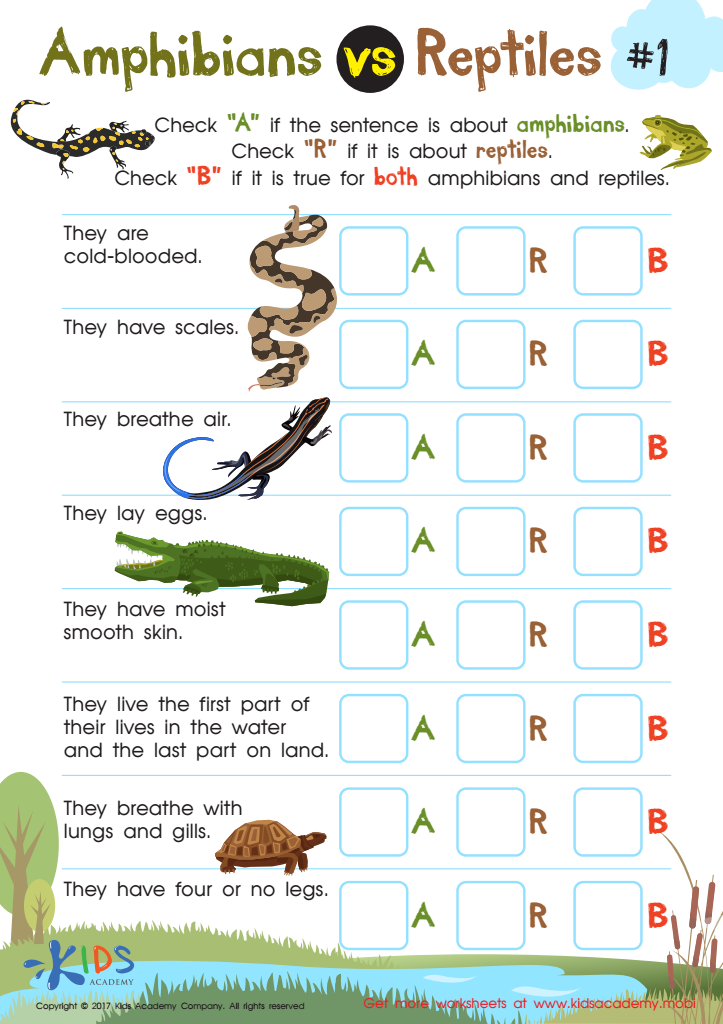
Amphibians vs Reptiles Worksheet







Comparative analysis in normal science, particularly for children aged 6-8, offers significant educational benefits that both parents and teachers should recognize. At this developmental stage, children are naturally curious and eager to explore their world. Engaging them in comparative analysis helps cultivate critical thinking skills as they learn to observe, categorize, and analyze different phenomena. This foundational skill set is vital not just in science, but across all subjects.
Introducing comparative analysis encourages children to draw connections between various concepts, fostering a deeper understanding of relationships and underlying principles. For instance, by comparing living organisms or different weather patterns, children learn to distinguish similarities and differences which hones their observational skills and analytical reasoning.
Furthermore, this method promotes collaborative learning, often conducted in group settings, wherein children can share ideas and learn from one another. It enhances communication skills and builds confidence, essential attributes as they progress in their educational journeys.
Additionally, teaching children to engage in comparative analysis aligns with various educational standards and frameworks, ensuring they are equipped with essential skills needed in future studies. Overall, involving children in this kind of scientific inquiry nurtures a lifelong love for learning and enhances cognitive development.







