Vocabulary Building Normal Science Worksheets for Ages 6-8
12 filtered results
-
From - To
Enhance your child's vocabulary skills with our engaging Vocabulary Building Normal Science Worksheets! Designed for ages 6-8, these interactive resources provide a fun and educational experience. Covering essential science concepts, the worksheets encourage critical thinking and expand your child's language abilities. With colorful illustrations and age-appropriate language, they make learning enjoyable and impactful. From exploring the wonders of nature to understanding basic scientific terms, these worksheets align with early education standards, ensuring a solid foundation for young learners. Foster a love for science and language with our printable worksheets, perfect for classroom activities or at-home learning sessions. Start building vocabulary today!
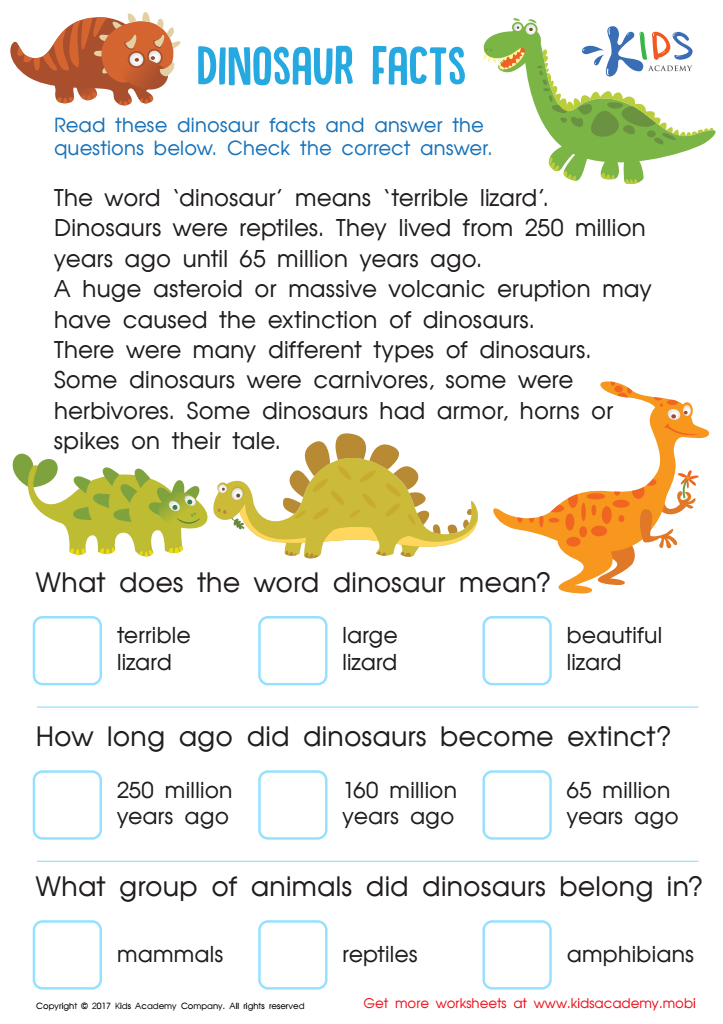
Dinosaur Facts Worksheet
 Assign to My Students
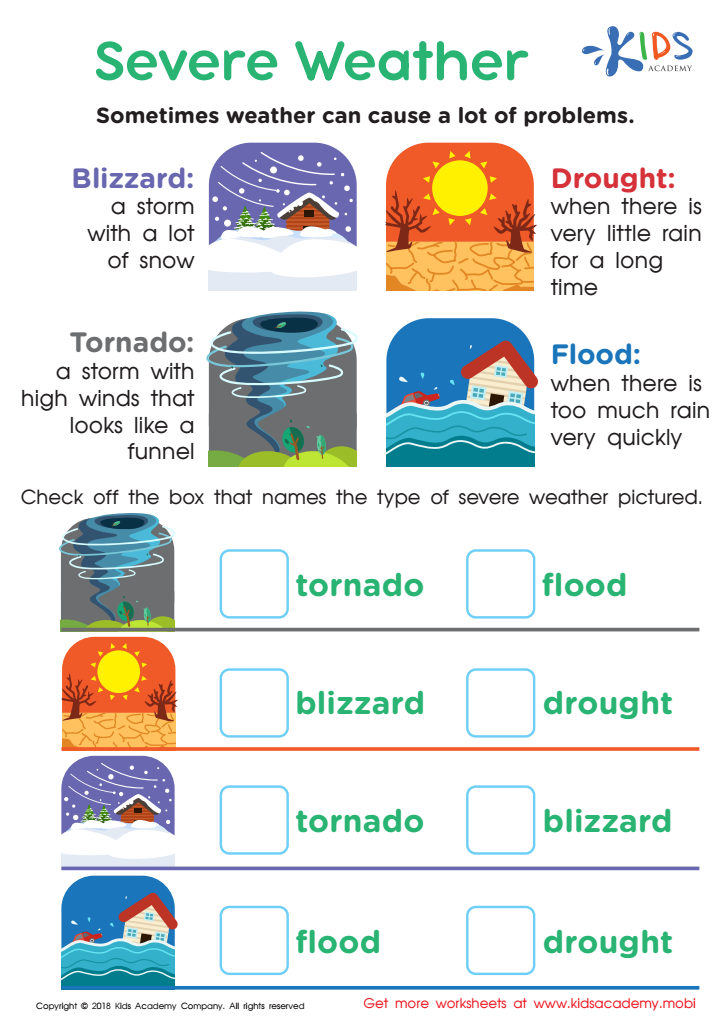
Severe Weather Worksheet
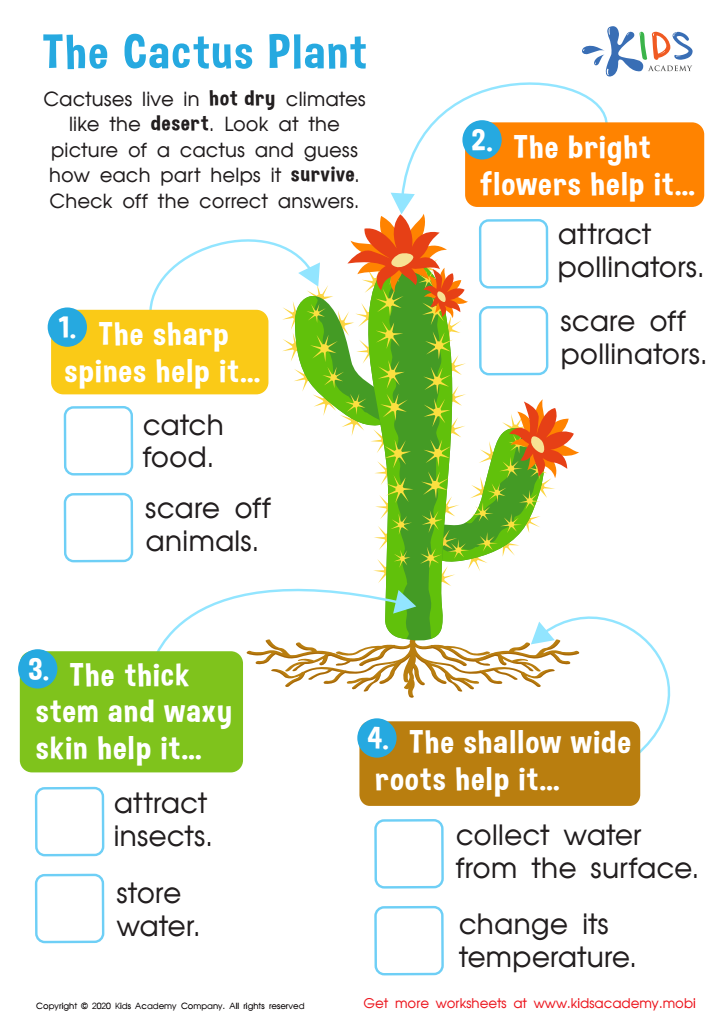
The Cactus Plant Worksheet
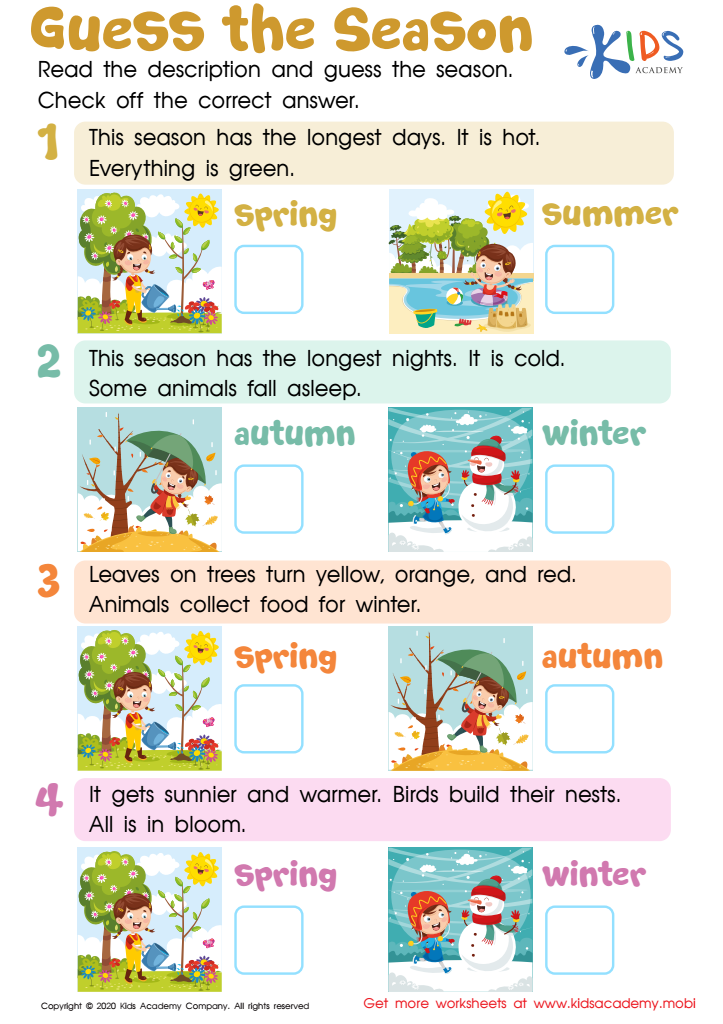
Guess the Season Worksheet
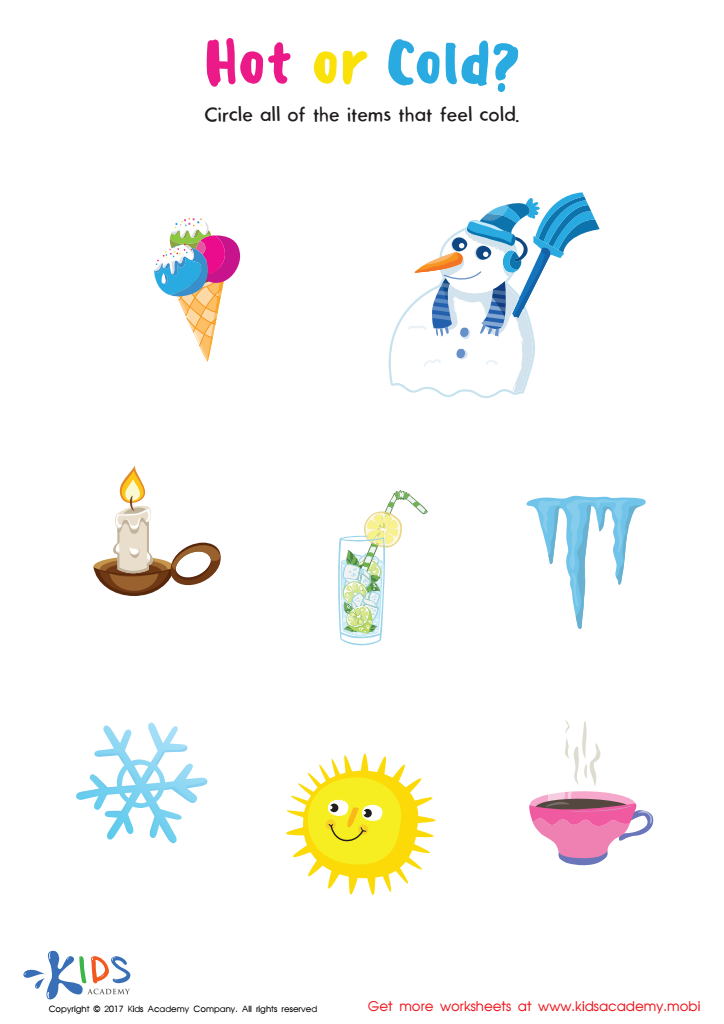
Hot or Cold Printable
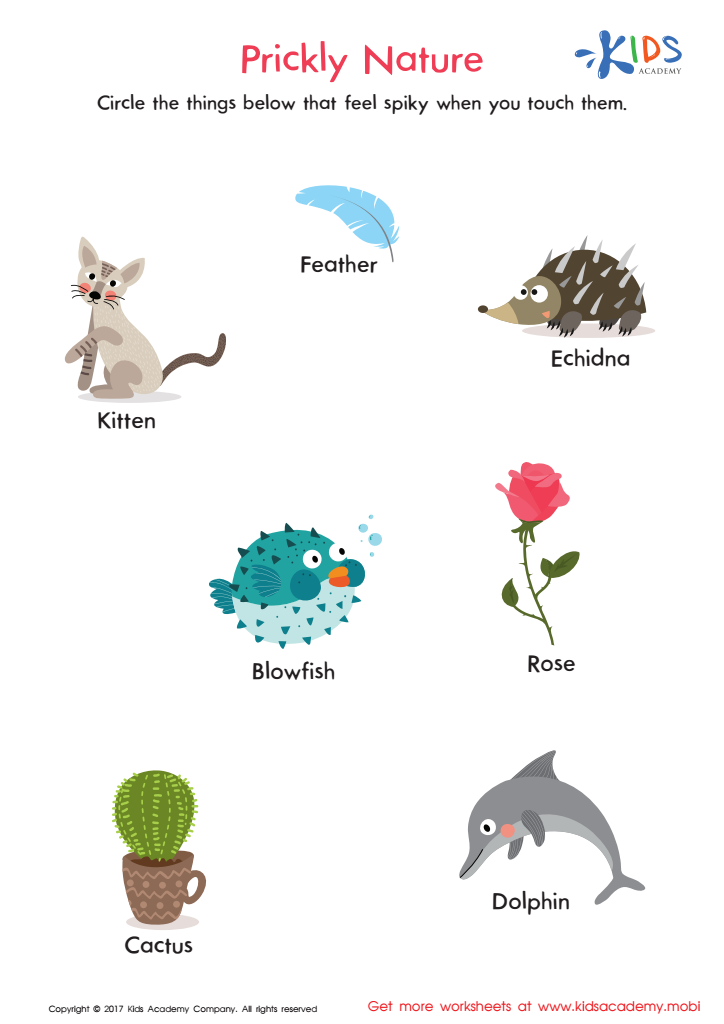
Prickly Nature Worksheet
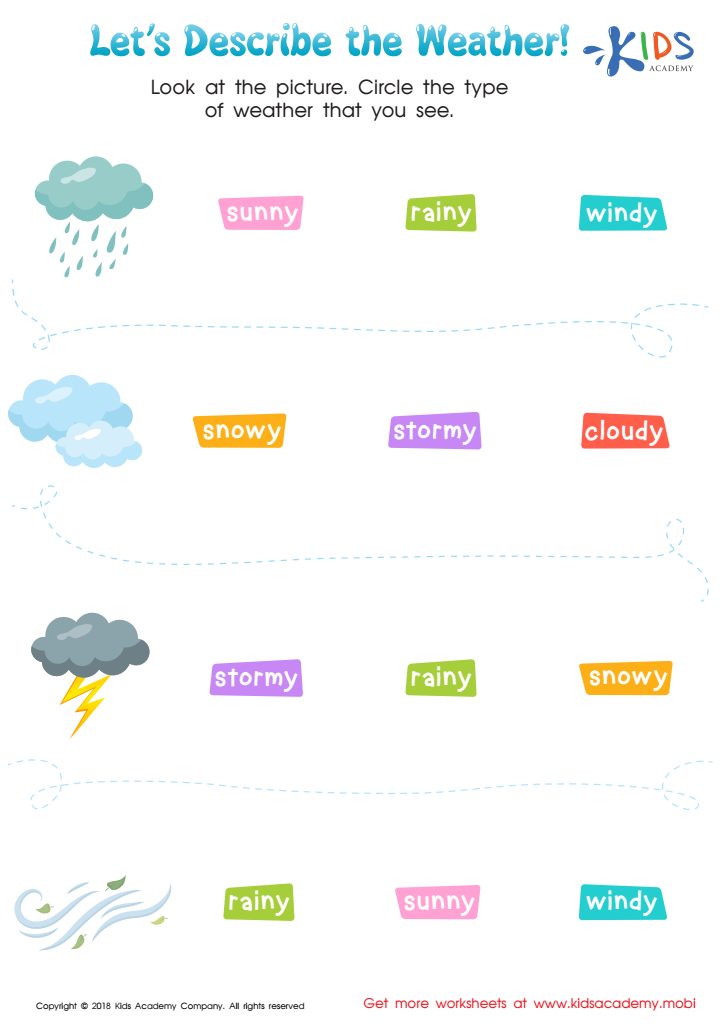
Let's Describe the Weather! Worksheet
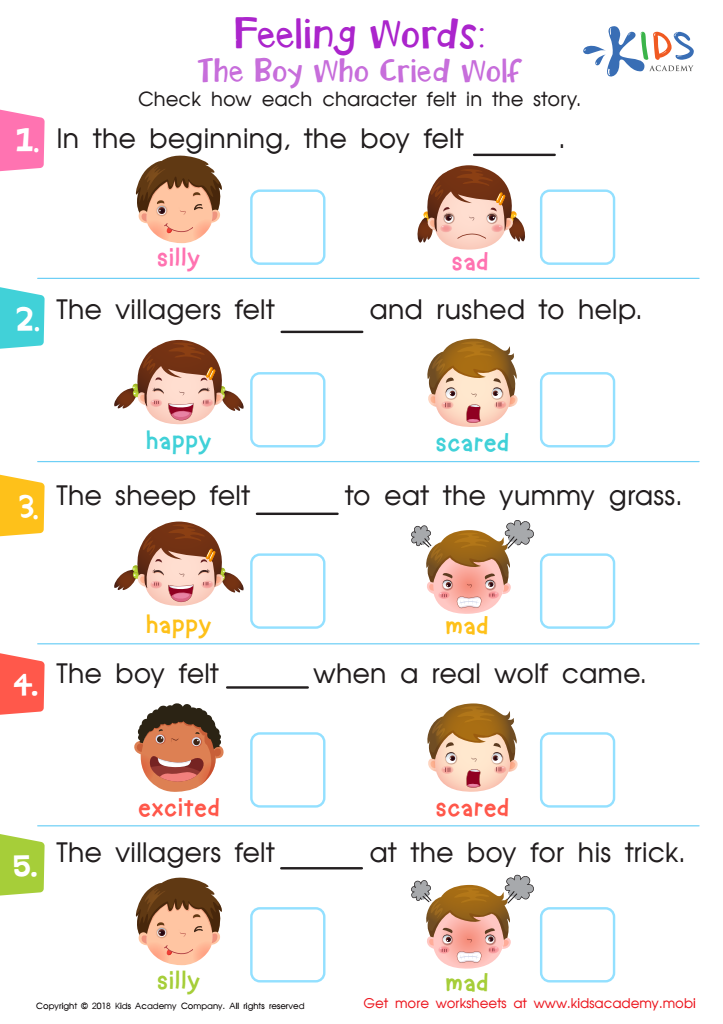
Feeling Words: The Boy Who Cried Wolf Worksheet
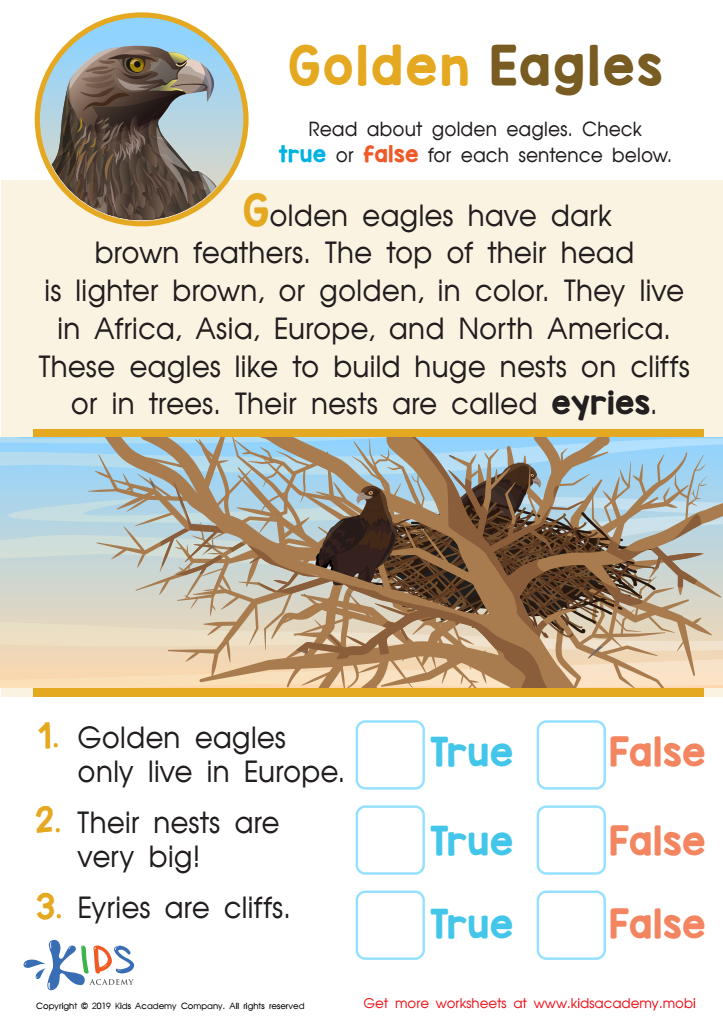
Golden Eagles Worksheet
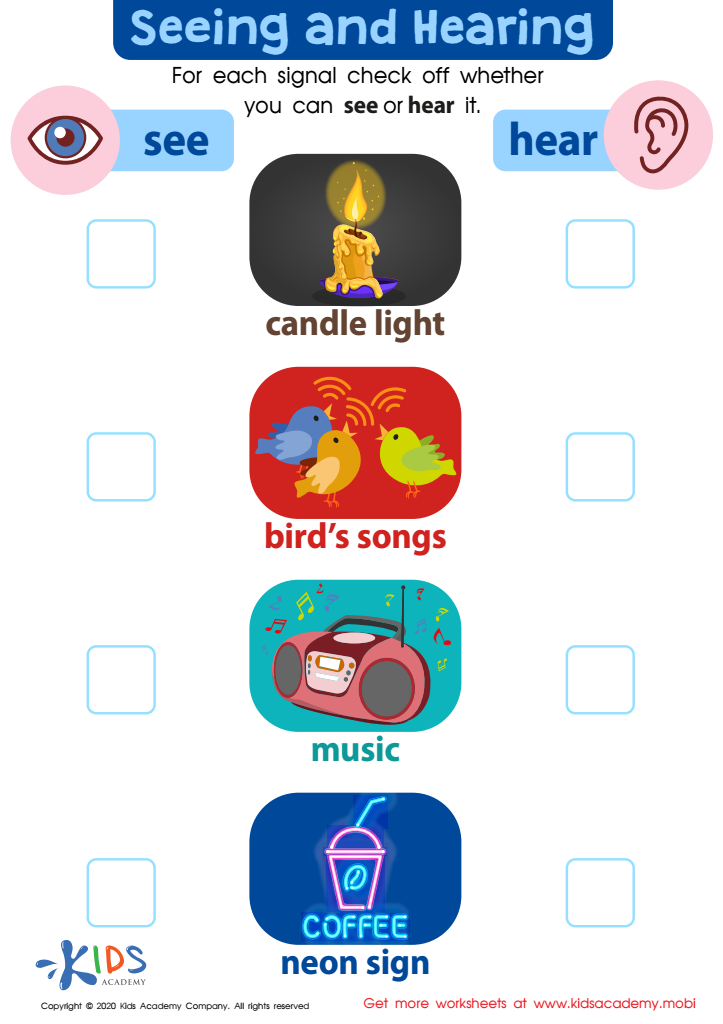
Seeing and Hearing Worksheet
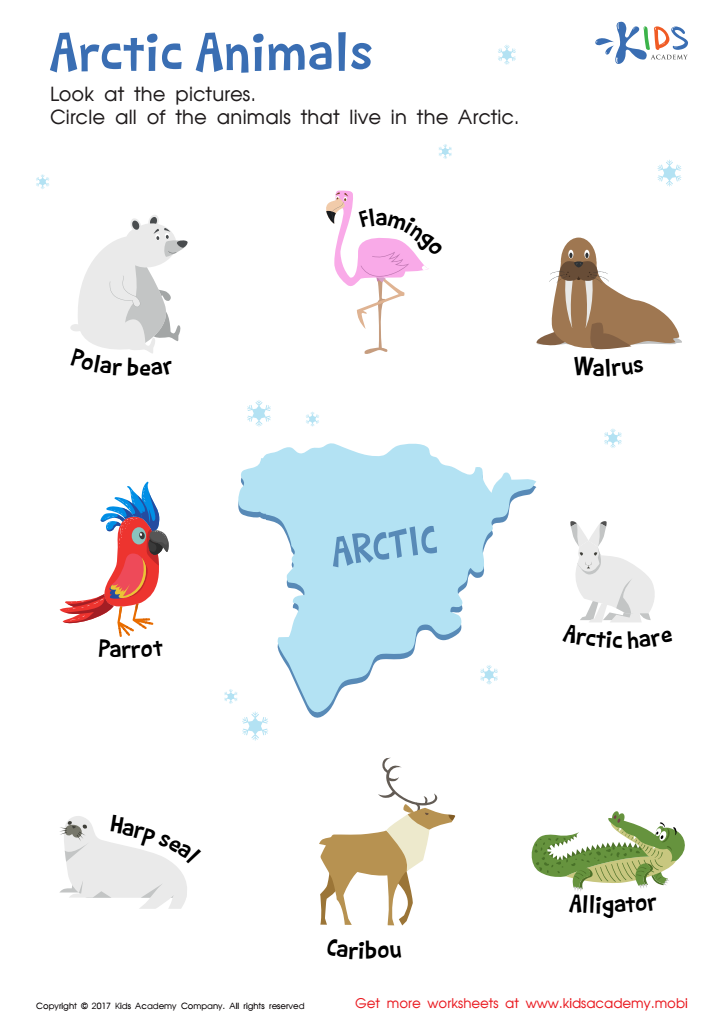
Arctic Animals Worksheet
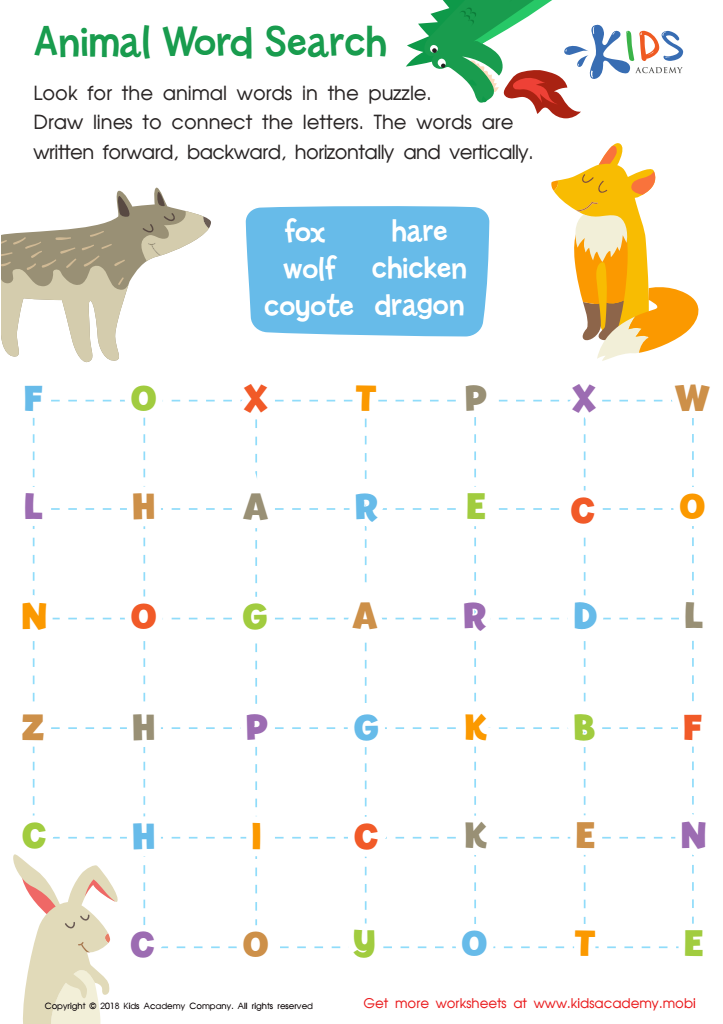
Animal Word Search Worksheet



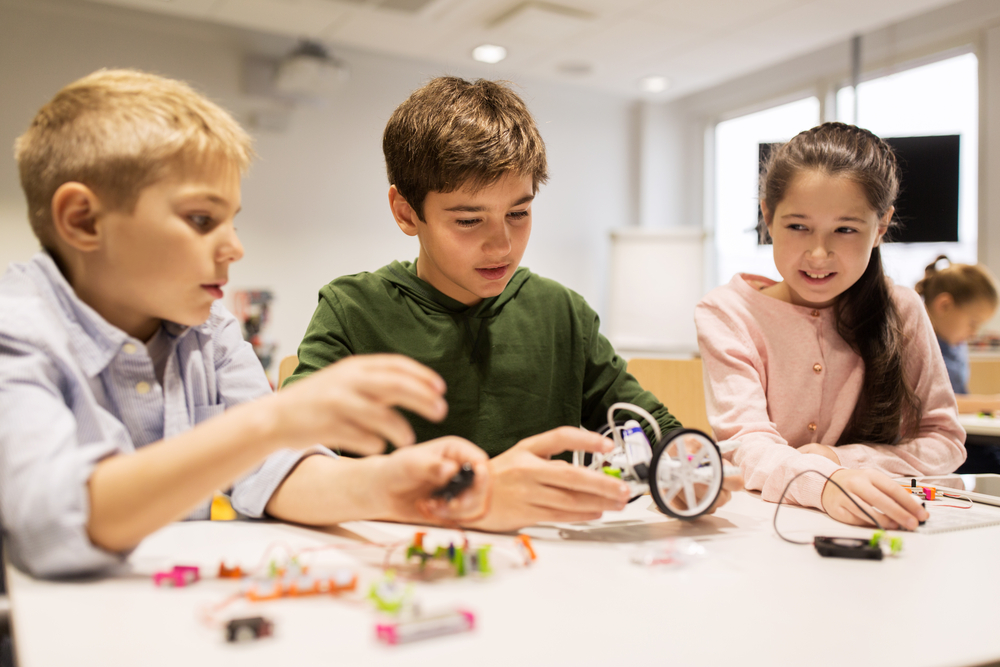




Vocabulary building in the context of normal science is crucial for children aged 6-8, as it lays the foundation for their understanding of the world around them. During these formative years, children are naturally curious, and a rich vocabulary enables them to express their observations, ask questions, and engage in discussions about scientific concepts. This engagement fosters critical thinking and cognitive development.
Parents and teachers should care about vocabulary building because it not only supports literacy but also enhances children’s ability to comprehend and retain scientific knowledge. When kids learn specific scientific terms and their meanings, they can better articulate their thoughts and participate in inquiry-based learning. This leads to a deeper understanding of science concepts such as life cycles, ecosystems, or simple physics.
Moreover, a strong vocabulary helps bridge the gap between science and the other subjects. For example, reading comprehension in science texts improves when children are familiar with key terminology. Ultimately, investing time in vocabulary building can ignite a lifelong interest in science, empowering young learners to explore, innovate, and become informed citizens. Encouraging vocabulary development in these critical early years is not just about words; it’s about equipping future generations to navigate and understand the complexities of the world.







