Critical Thinking Normal Community Worksheets for Ages 6-8
5 filtered results
-
From - To
Our "Critical Thinking Normal Community Worksheets for Ages 6-8" foster essential analytical skills in young learners through engaging, community-focused activities. Each printable worksheet is designed to challenge and stimulate children's problem-solving abilities in real-world contexts. From identifying community helpers to solving puzzles about daily life, these worksheets enhance critical thinking while making learning fun and interactive. Perfect for supplementing classroom lessons or as standalone activities, they nurture curiosity and cognitive development, helping children understand the world around them and think more deeply about everyday situations and community roles. Boost your child's critical thinking skills today!
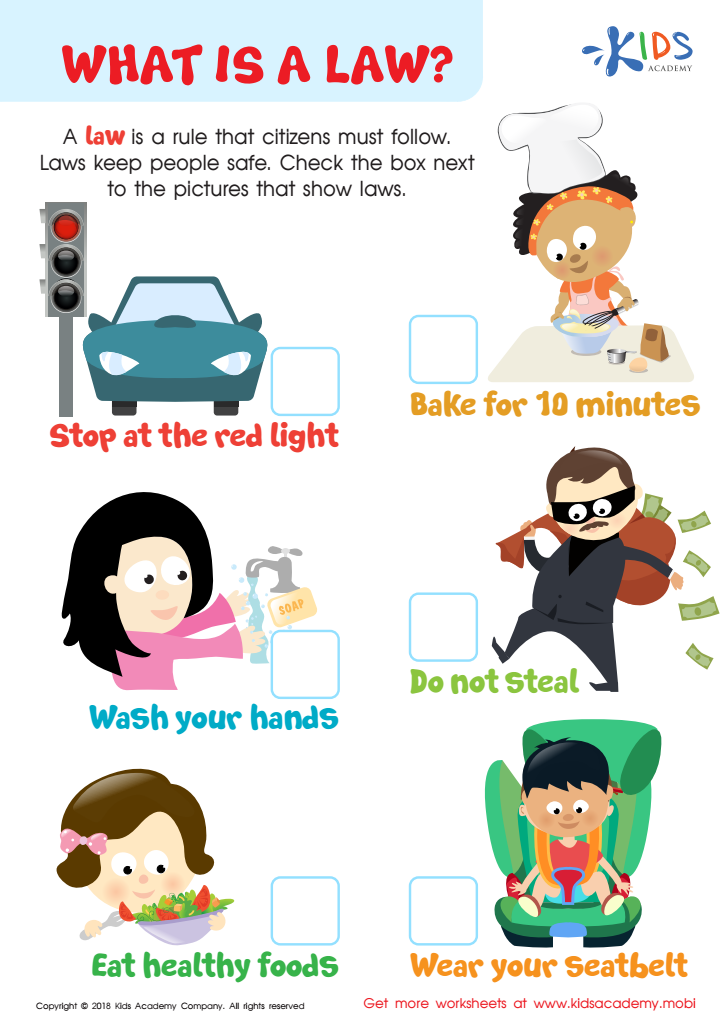
What is a Law? Worksheet
 Assign to My Students
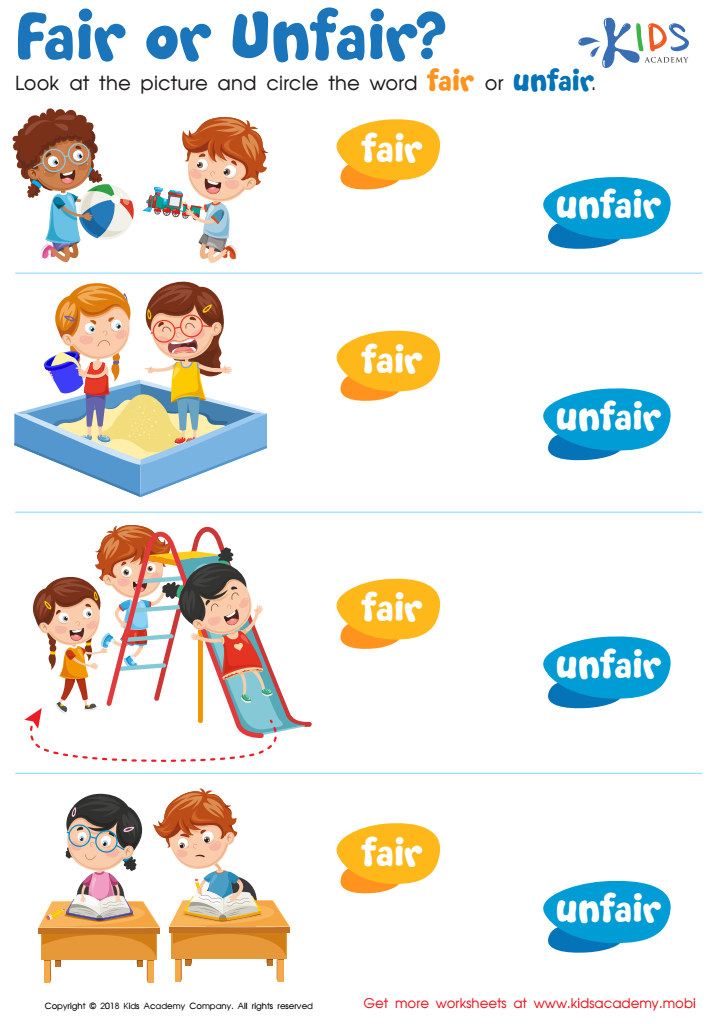
Fair or Unfair Worksheet
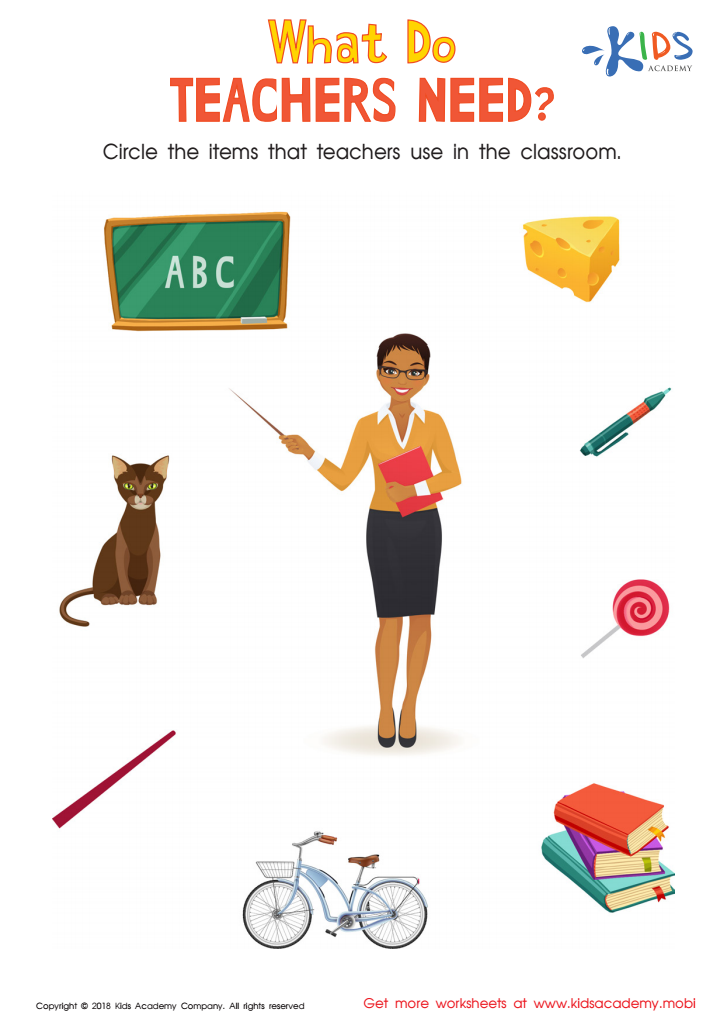
What Do Teachers Need Worksheet

Traditional Music Worksheet
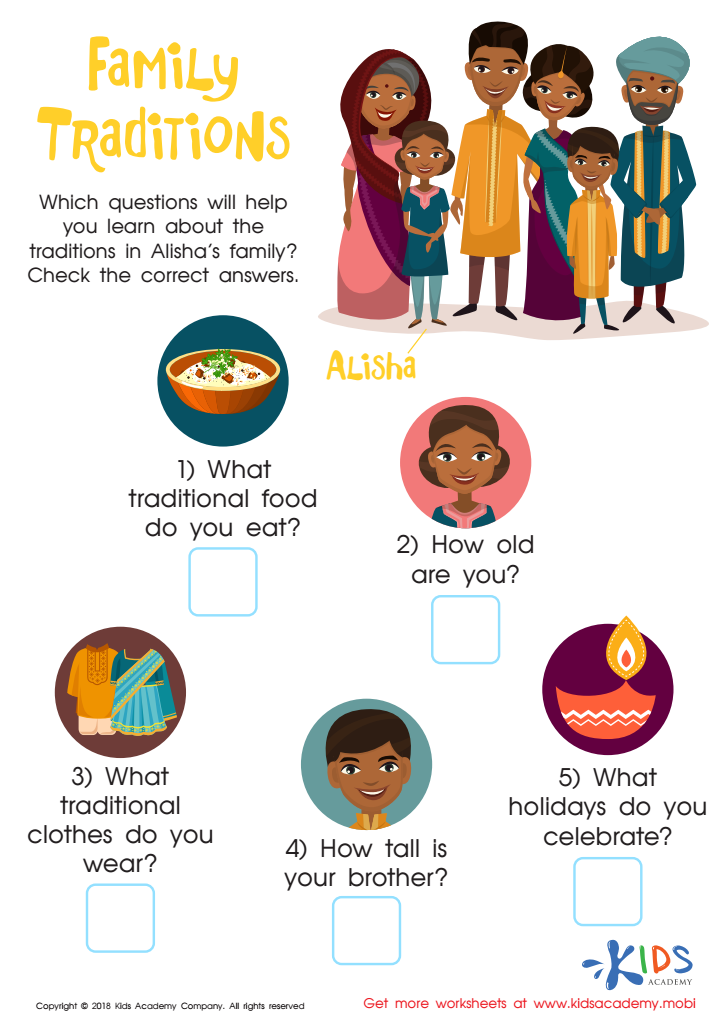
Family Traditions Worksheet







Critical thinking skills are crucial for young learners aged 6-8 as they form the foundation for future learning and everyday decision-making. Parents and teachers should be particularly attentive to nurturing these skills within a Normal Community setting as it equips children with the ability to analyze, evaluate, and create solutions, promoting not just academic success but also fostering essential life skills.
A Normal Community, where diverse interactions and opinions are encouraged, provides children with various perspectives. This environment helps them learn to question assumptions and better understand different viewpoints, essential components of critical thinking. By stimulating their curiosity and providing opportunities for problem-solving, these settings allow children to practice and refine their ability to think deeply and independently.
For teachers, integrating critical thinking activities in classrooms encourages active rather than passive learning. Tasks like group discussions, storytelling, and interactive games can help students develop stronger reasoning and analytical skills, promoting cognitive growth and better emotional regulation. For parents, engaging their children in conversations that require reflection and reasoning at home can reinforce these skills and promote continuous learning outside the school environment.
Overall, fostering critical thinking in early childhood education significantly shapes a child's cognitive and social development, laying the groundwork for effective problem solving and informed decision-making throughout their lives.