Reading comprehension Normal History Worksheets for Ages 6-8 - Page 2
32 filtered results
-
From - To
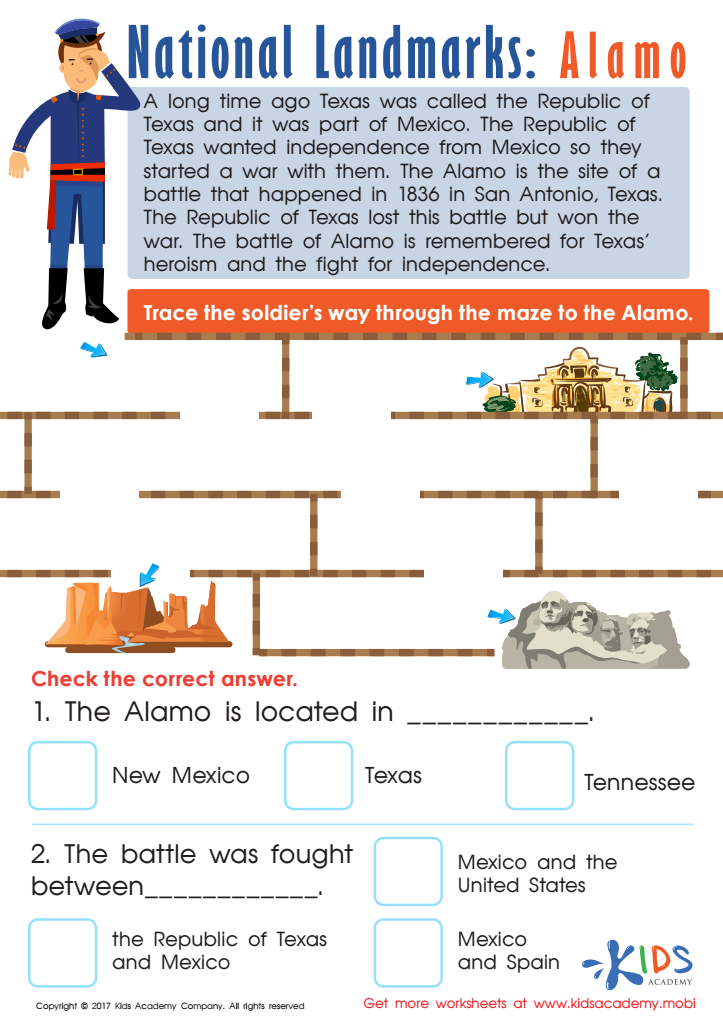
Alamo Printable Worksheet
 Assign to My Students
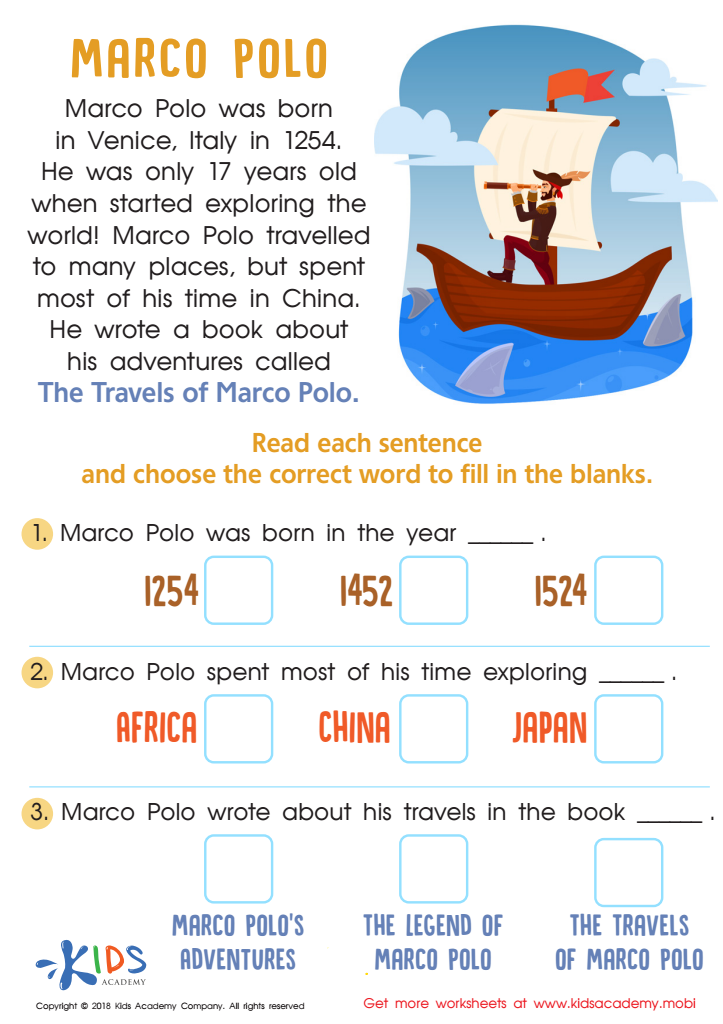
Marco Polo Worksheet
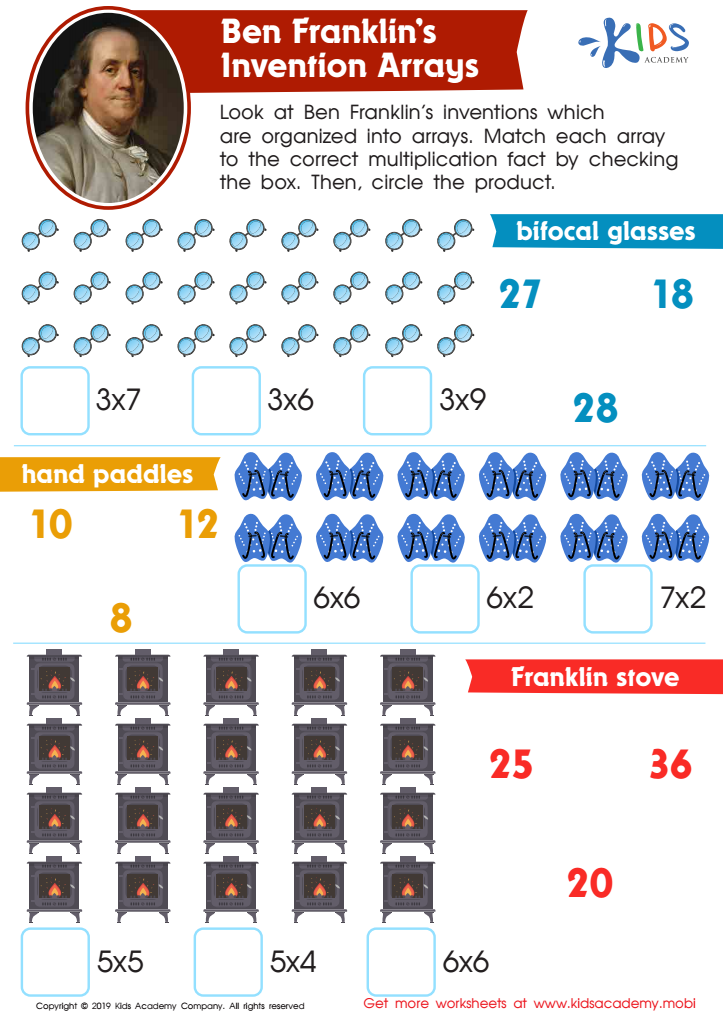
Ben Franklin’s Invention Arrays Worksheet
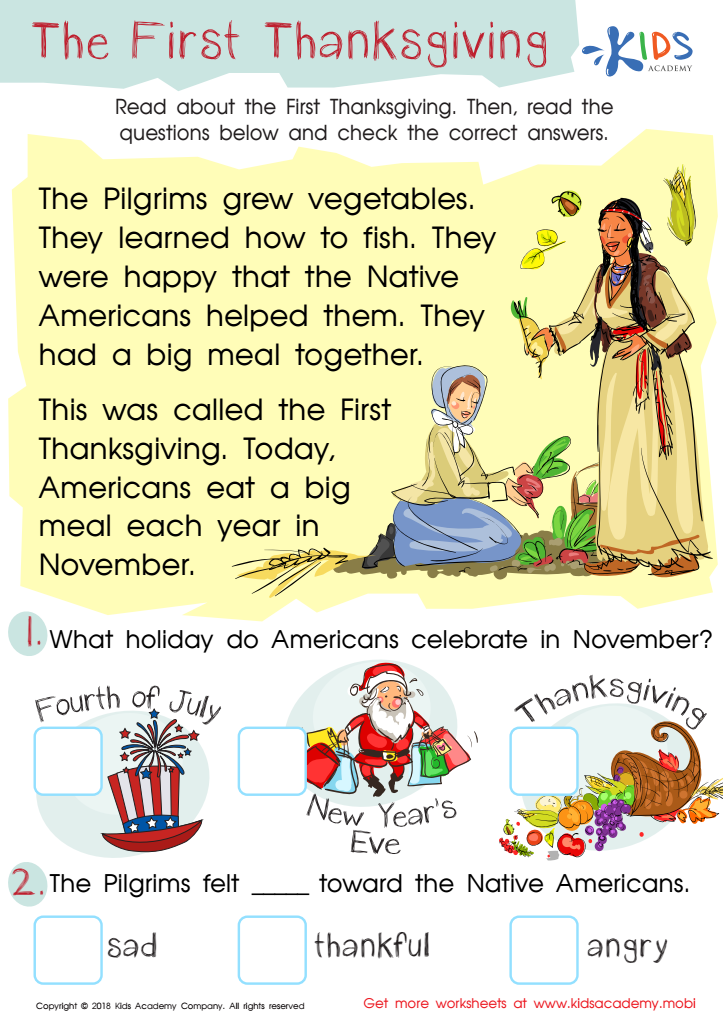
Assessment: First Thanksgiving Worksheet
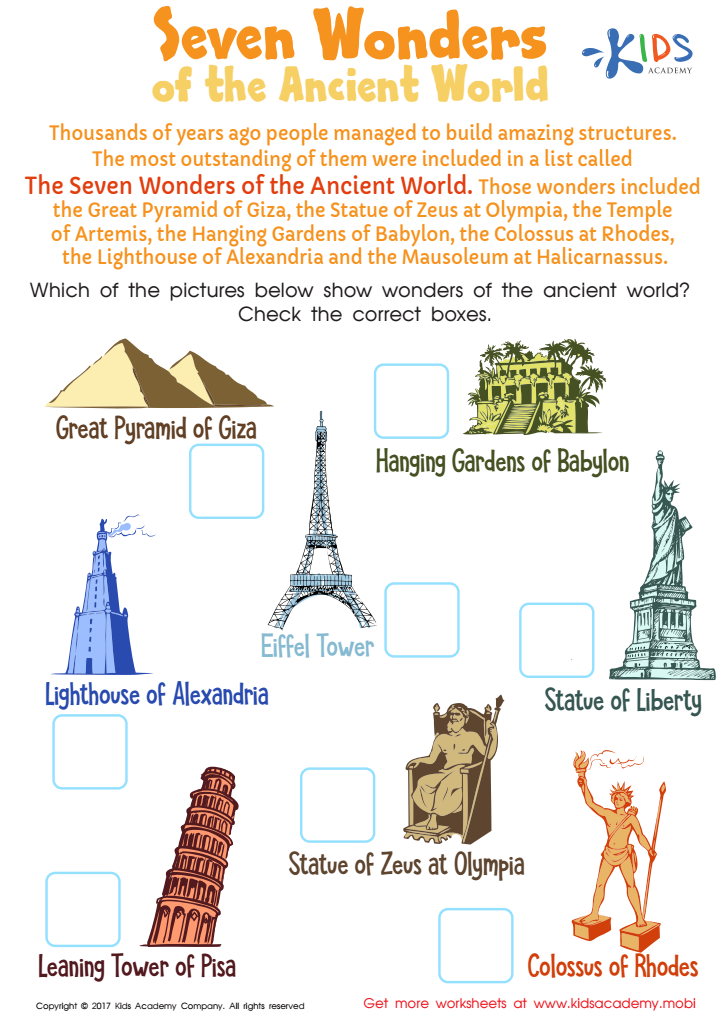
Seven Wonders of the Ancient World Worksheet
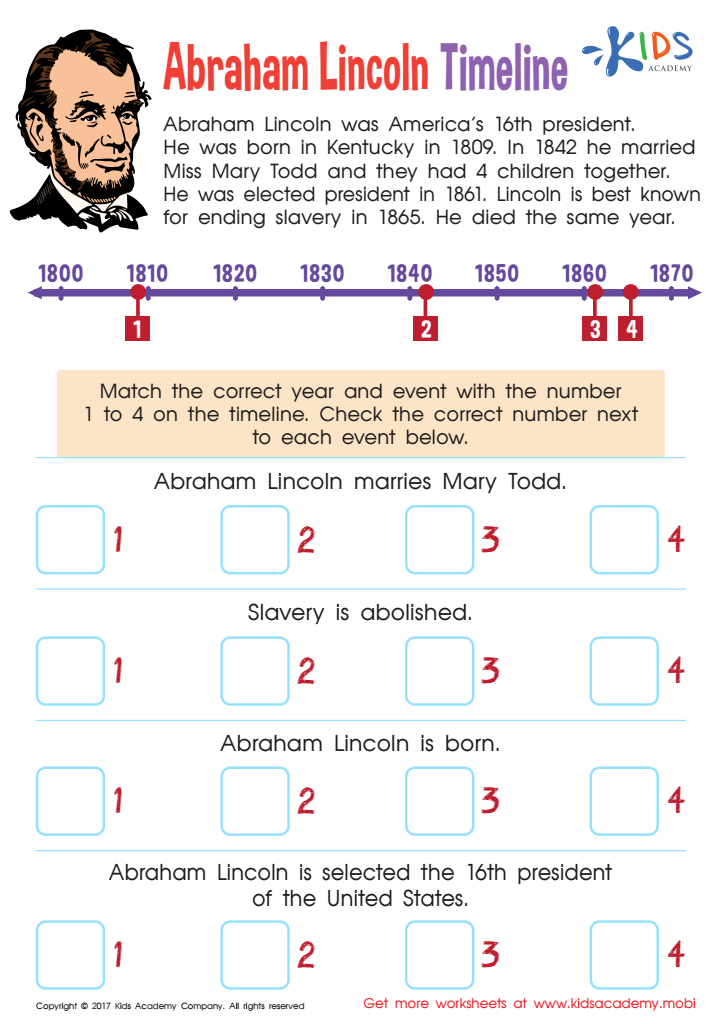
Abraham Lincoln Timeline Worksheet
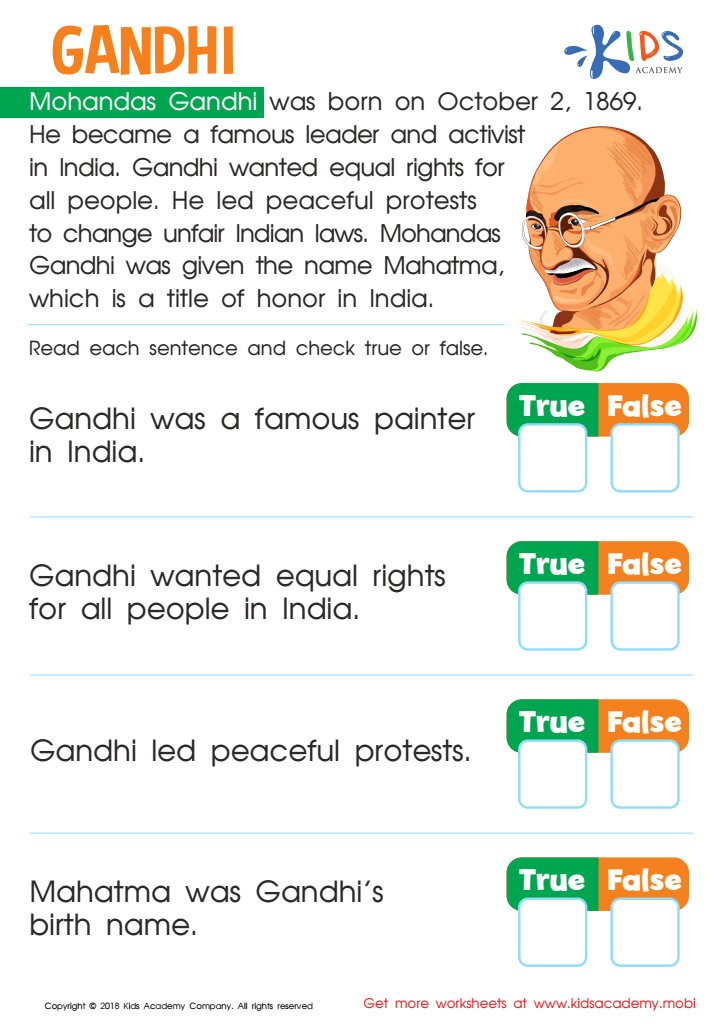
Gandhi Worksheet
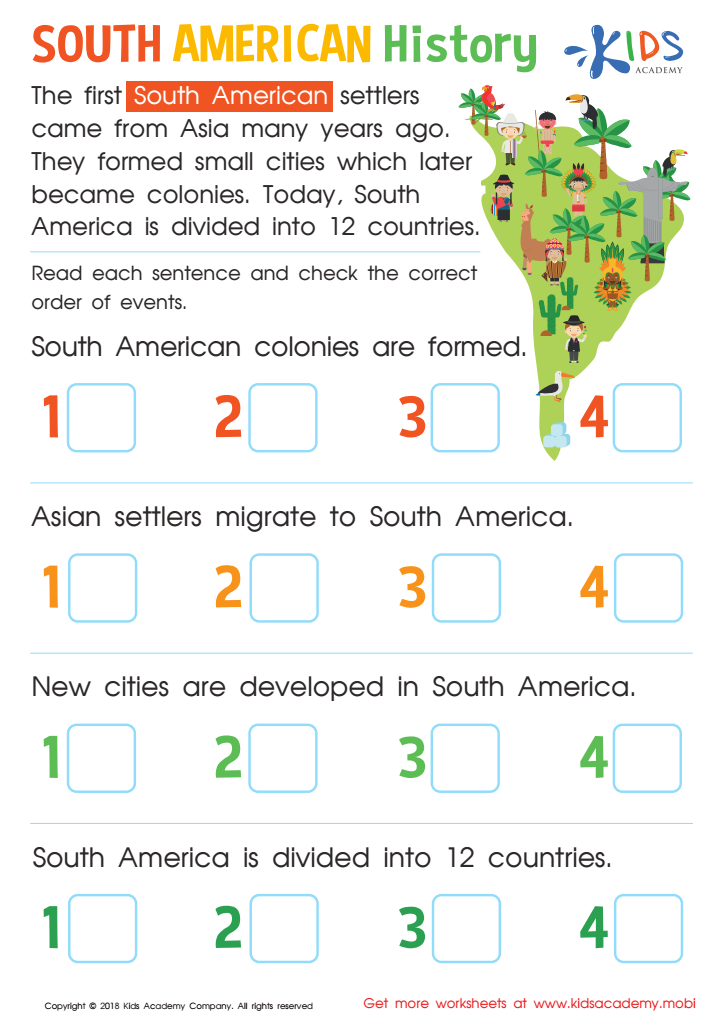
South American History Worksheet








Parents and teachers play a crucial role in a child's early schooling years, particularly in reading comprehension at ages 6-8. During this age, children transition from learning to read to reading to learn. Engaging with stories, including normal history, can significantly impact their cognitive development, vocabulary, and understanding of the world.
Firstly, strong reading comprehension skills are foundational to academic success. Children who can grasp the meaning of texts at this stage will find it easier to tackle more complex subjects as they progress in school. These skills are not only vital for language arts but also essential for other subjects like math, science, and social studies, where understanding instructions and questions is fundamental.
Furthermore, stories with historical context can enrich a child’s knowledge of the world, fostering a sense of connection and empathy towards different times and cultures. This awareness broadens their perspective and positively influences their social and emotional development.
Additionally, reading comprehension fosters critical thinking skills. As children encounter new ideas, they learn to question, infer, and synthesize information, which are crucial skills for problem-solving and creativity.
In essence, parents and teachers should prioritize reading comprehension and historical stories because these elements collaboratively support a child's holistic development, laying a strong foundation for lifelong learning and responsible citizenship.