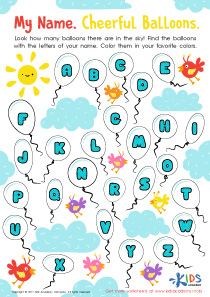
Fine Motor Skills Normal ABC Order Worksheets for Ages 6-9
11 filtered results
-
From - To
Enhance your child’s fine motor skills with our engaging Normal ABC Order Worksheets designed specifically for ages 6-9. These worksheets offer fun and educational activities that not only reinforce alphabet knowledge but also develop hand-eye coordination and writing abilities. Children will enjoy tracing letters, connecting dots, and solving interactive puzzles, making learning enjoyable and effective. Perfect for home or classroom use, our worksheets provide a unique way to combine literacy skills with fine motor practice. Encourage your young learners to explore the alphabet through creative exercises that promote confidence and dexterity. Print them out today and watch their skills flourish!
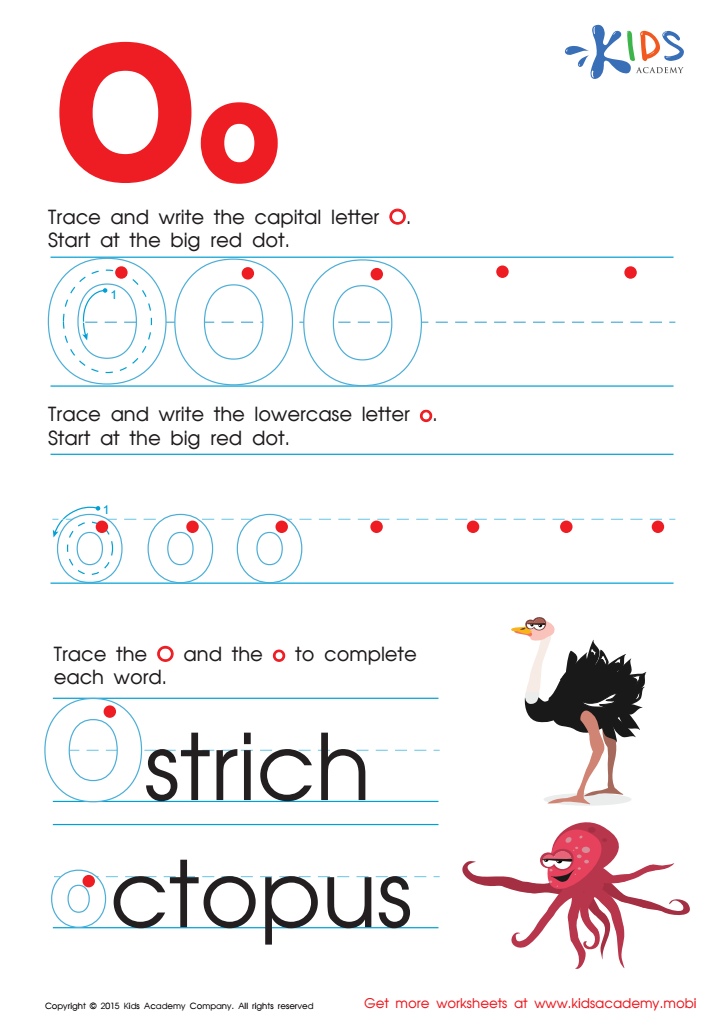
Letter O Tracing Page
 Assign to My Students











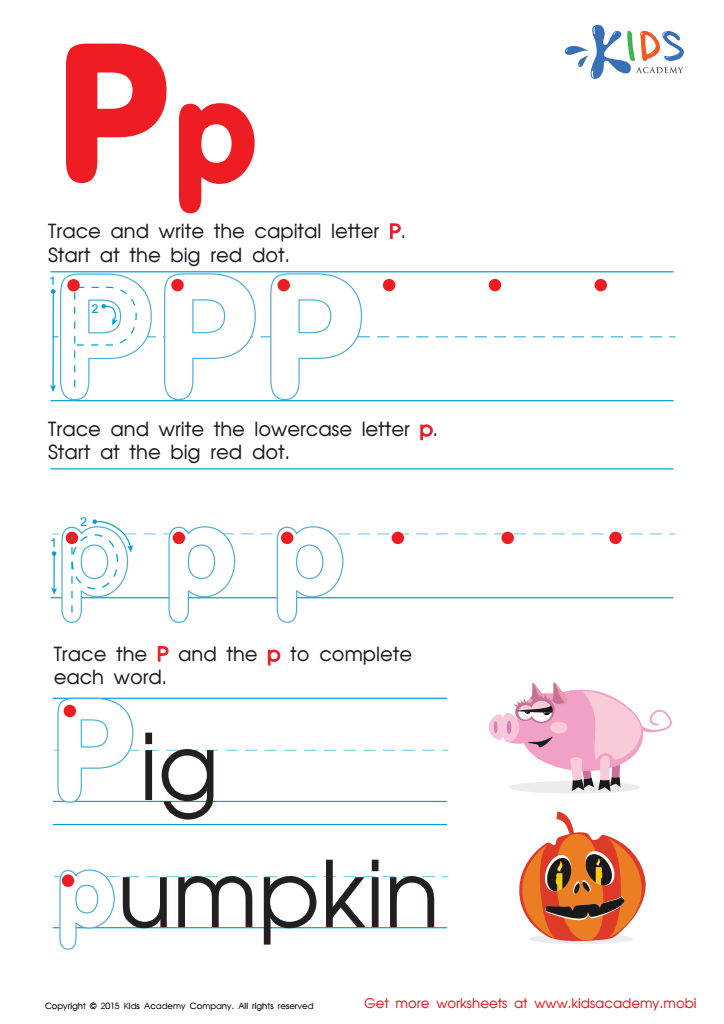
Letter P Tracing Page
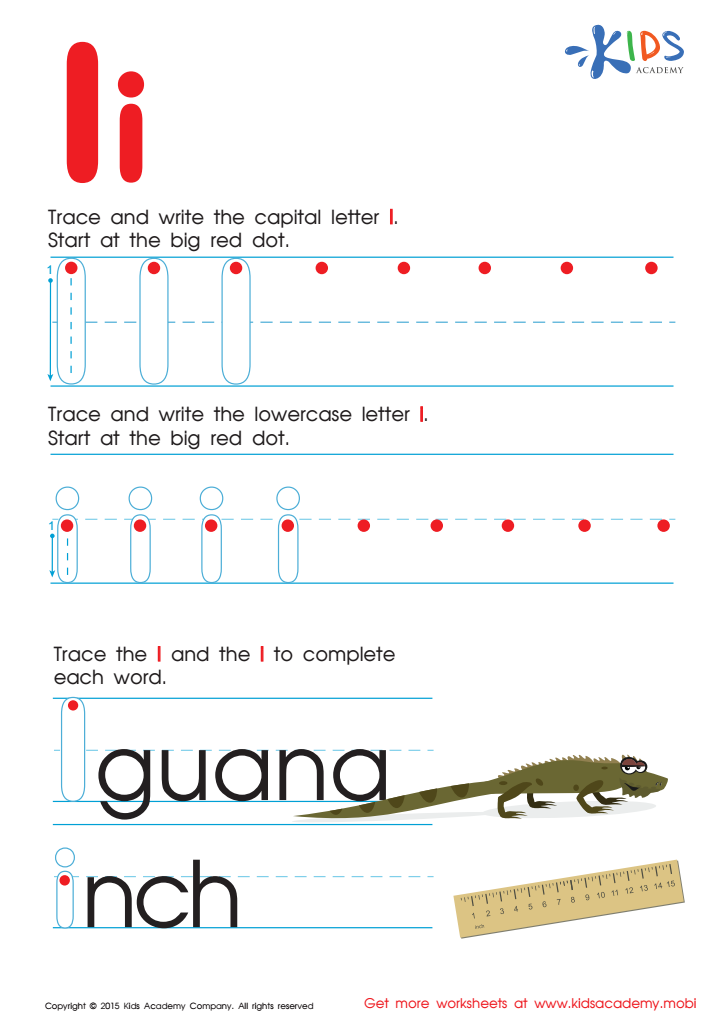
Letter I Tracing Page
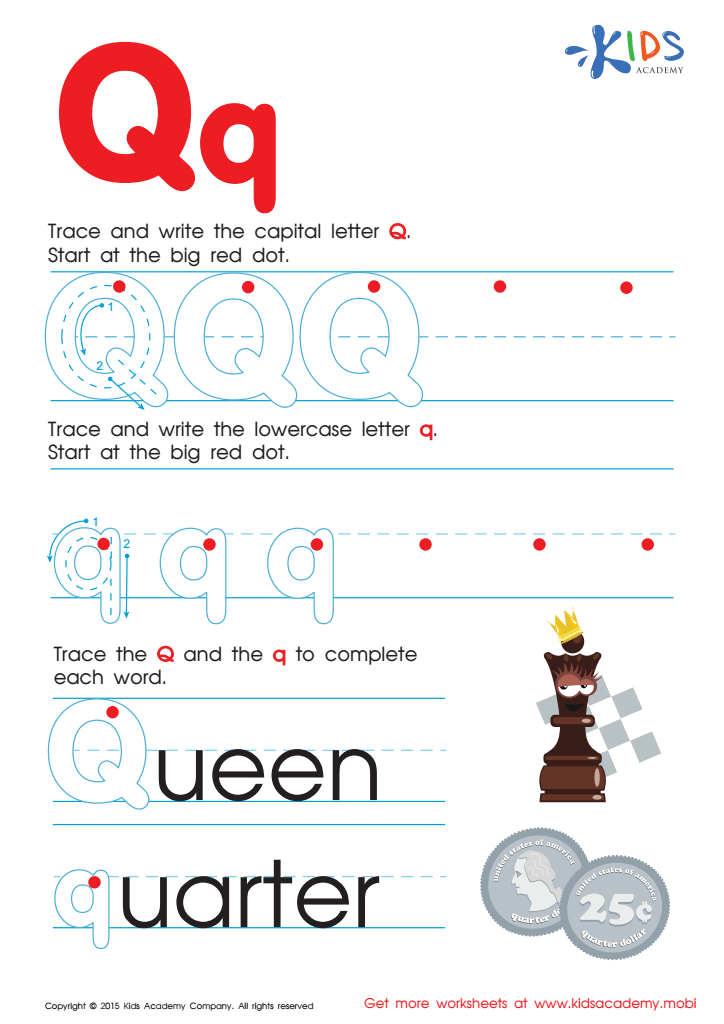
Letter Q Tracing Page

Letter C Tracing Page
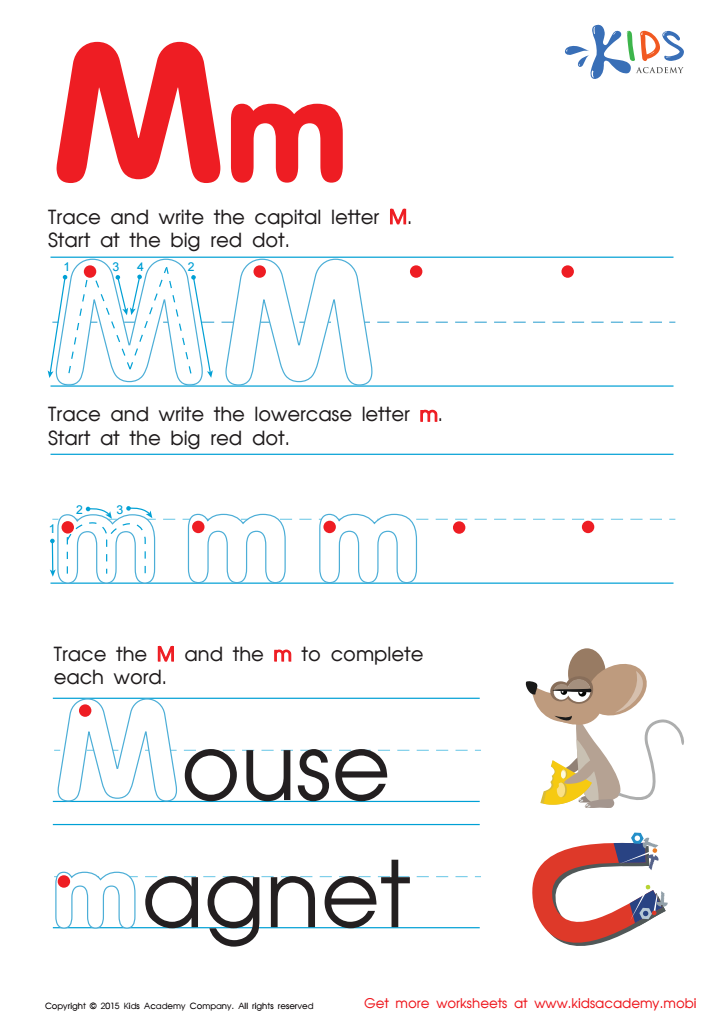
Letter M Tracing Page
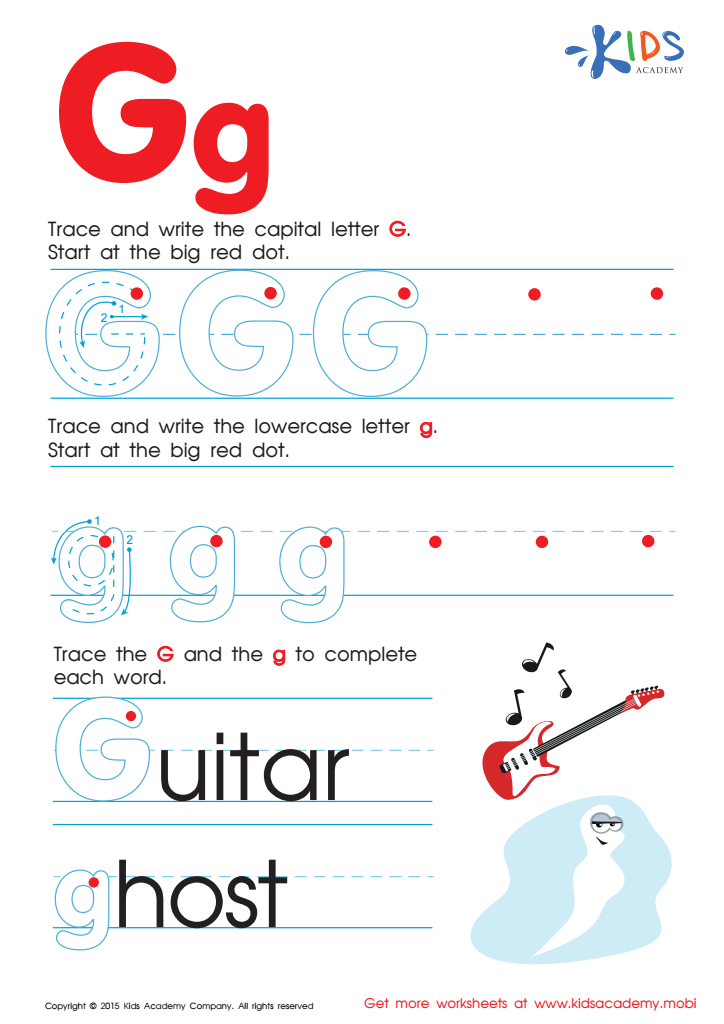
Letter G Tracing Page
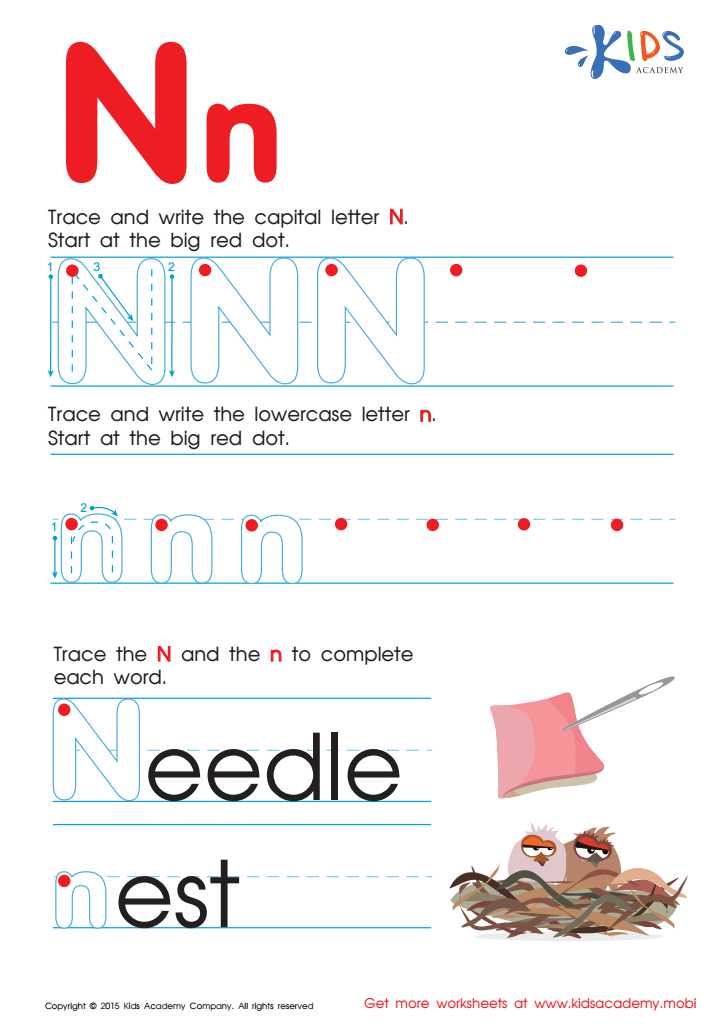
Letter N Tracing Page

Letter E Tracing Page
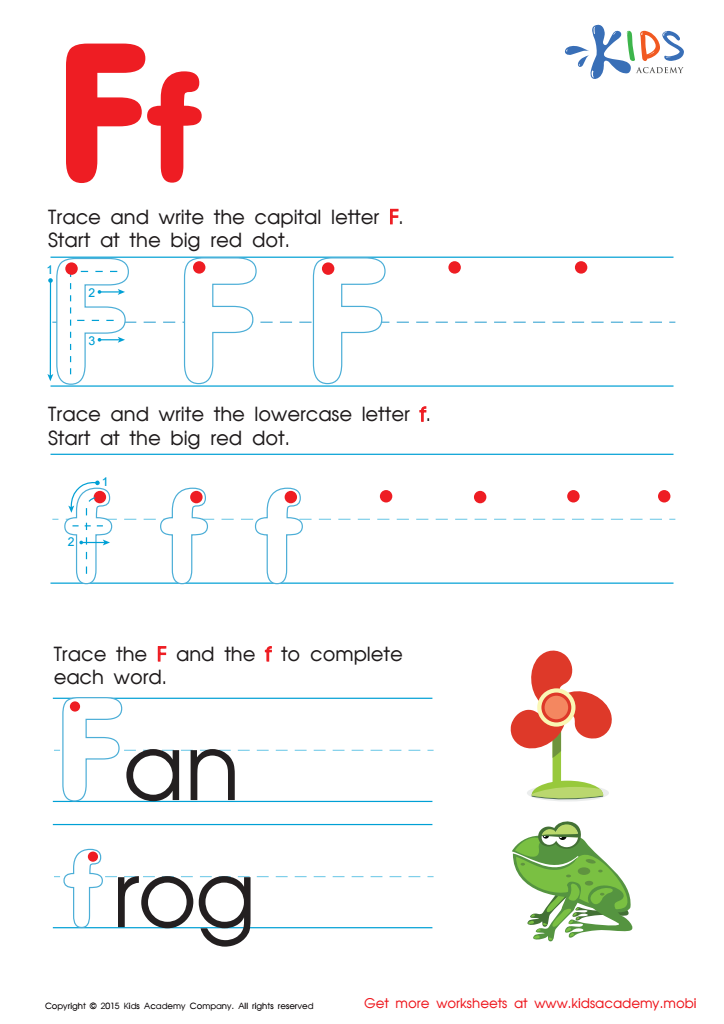
Letter F Tracing Page

Letter D Tracing Page








Fine motor skills are essential for children aged 6-9, as they lay the groundwork for critical tasks in both academic and daily life. During this developmental stage, children are expected to enhance their abilities to manipulate small objects, which is vital for writing, drawing, and crafting. Fine motor skills, including skills like hand-eye coordination, finger dexterity, and manipulation, play a crucial role in children's ability to complete seemingly simple tasks like buttoning shirts or tying shoelaces.
Parents and teachers should care about this aspect of development because strong fine motor skills contribute to children’s confidence and independence. When children can hold a pencil correctly or cut paper in straight lines, they are more likely to participate actively in classroom activities. Furthermore, proficient fine motor skills can influence academic performance; handwriting abilities, for instance, can affect the quality of work submitted for assessment.
Supporting the development of these skills through various activities—like arts and crafts, puzzles, or playing with manipulatives—can offer significant benefits. Engaging in these activities not only enhances fine motor capabilities but also promotes cognitive, social, and emotional growth, setting a solid foundation for lifelong learning and success. Thus, fostering these skills is vital for children’s complete development.