Reading comprehension Normal Elementary Phonics Worksheets for Ages 6-9
5 filtered results
Difficulty Level
Grade
Age
-
From - To
Subject
Activity
Standards
Boost your child's reading skills with our engaging Reading Comprehension Normal Elementary Phonics Worksheets, specifically designed for ages 6-9. These worksheets are tailored to make learning fun and effective, focusing on essential phonics concepts and reading strategies. Students will enhance their comprehension abilities through various activities that promote vocabulary development and critical thinking. With colorful illustrations and age-appropriate content, these worksheets inspire a love for reading while reinforcing vital literacy skills. Ideal for use at home or in the classroom, these resources help young learners build confidence and become skilled readers. Explore our collection today and watch your child thrive!
Favorites
With answer key
Interactive
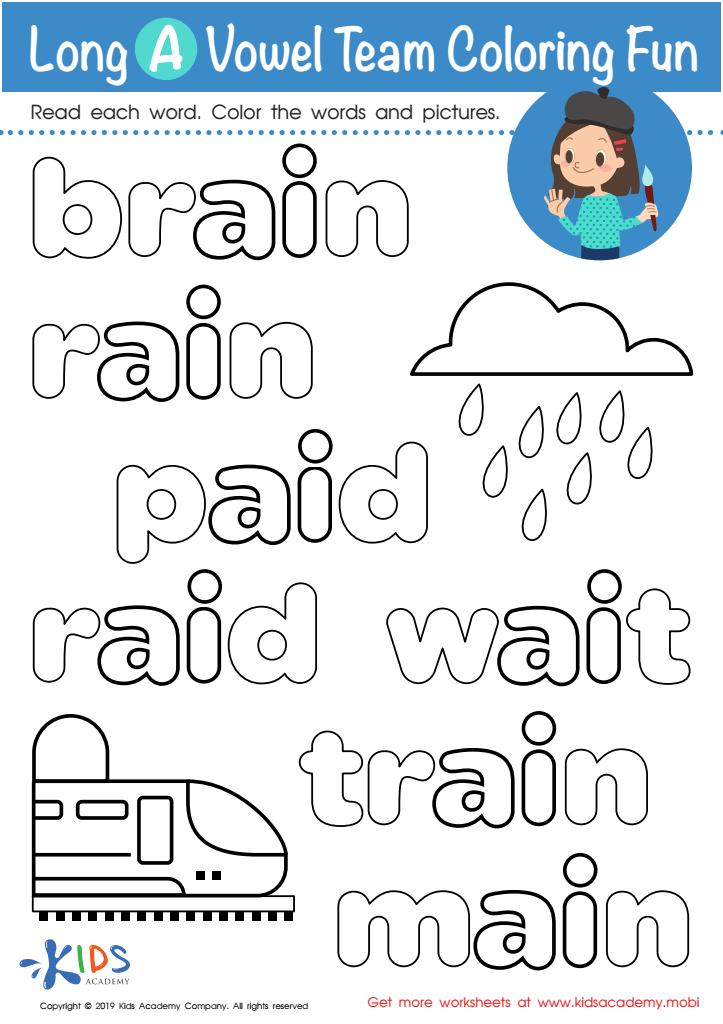
Long A Vowel Team Coloring Fun Worksheet
Divide your class into teams, give each a printout, then have them read aloud words with a long "A" sound (e.g. brain, paid). As they listen, let them reinforce this lesson by coloring in the words and pictures. Make phonics fun and interactive with this great coloring page!
Download (PDF)
 Assign to My Students
Assign to My Students
Long A Vowel Team Coloring Fun Worksheet
Worksheet
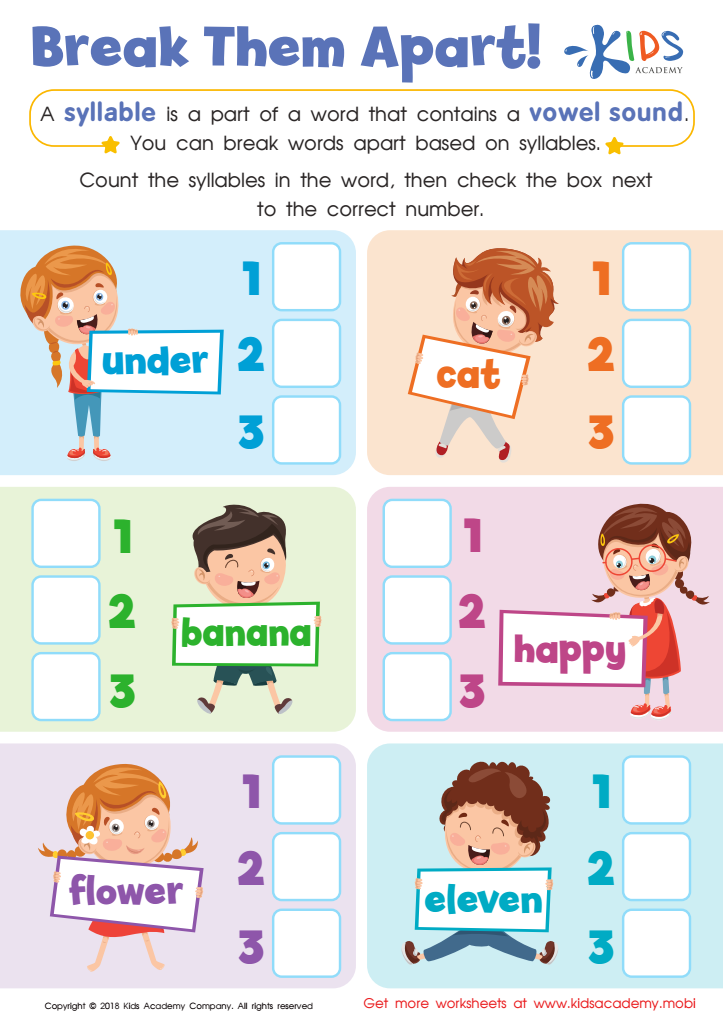
Reading: Break Them Apart Worksheet
See if students understand syllables with this fun worksheet. It teaches them that a syllable is a word part with a vowel sound. Kids read each word and choose how many parts it has. Doing this often helps them decode new words and gain confidence.
Reading: Break Them Apart Worksheet
Worksheet
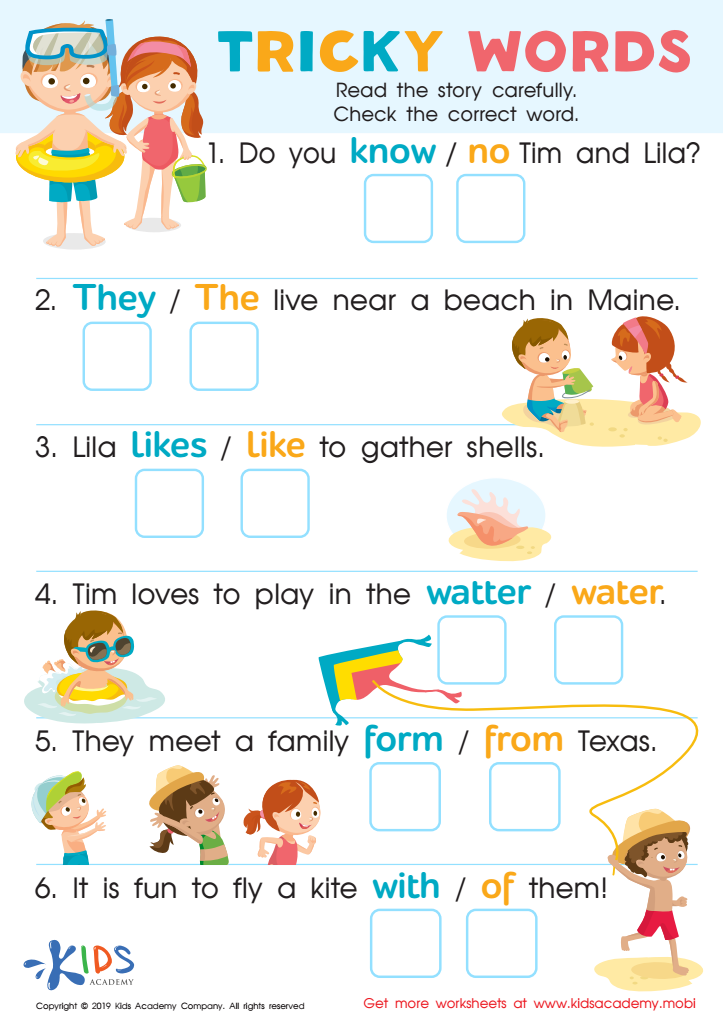
Tricky Words Worksheet
Reading can be tricky to start with, but this worksheet helps kids learn the basics of editing and strengthens their attention to detail. They'll select the right word from tricky choices, improving their reading and grammar skills.
Tricky Words Worksheet
Worksheet
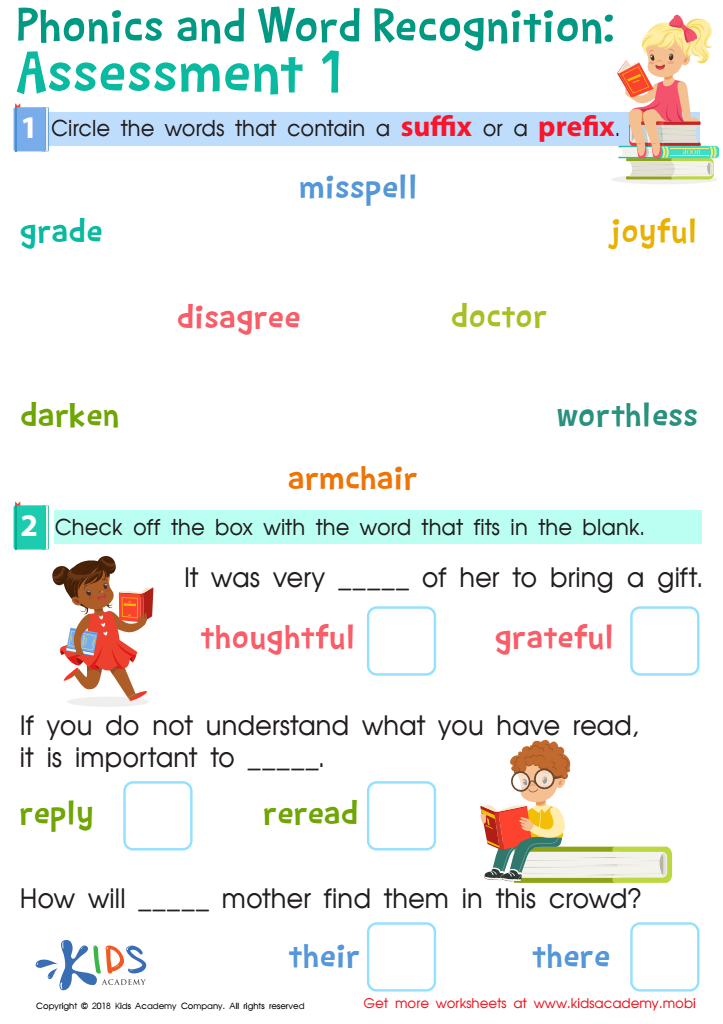
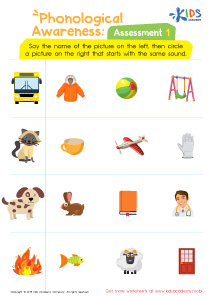
Phonics and Word Recognition: Assessment 1 Worksheet
Explain prefixes (words added to start of another word to give it a new meaning) and suffixes (added to end of word to change its meaning) to your kids with examples like 'unhappy' (prefix) and 'forgetful' (suffix). Now, help your child complete this worksheet, including circling words and checking boxes.
Phonics and Word Recognition: Assessment 1 Worksheet
Worksheet
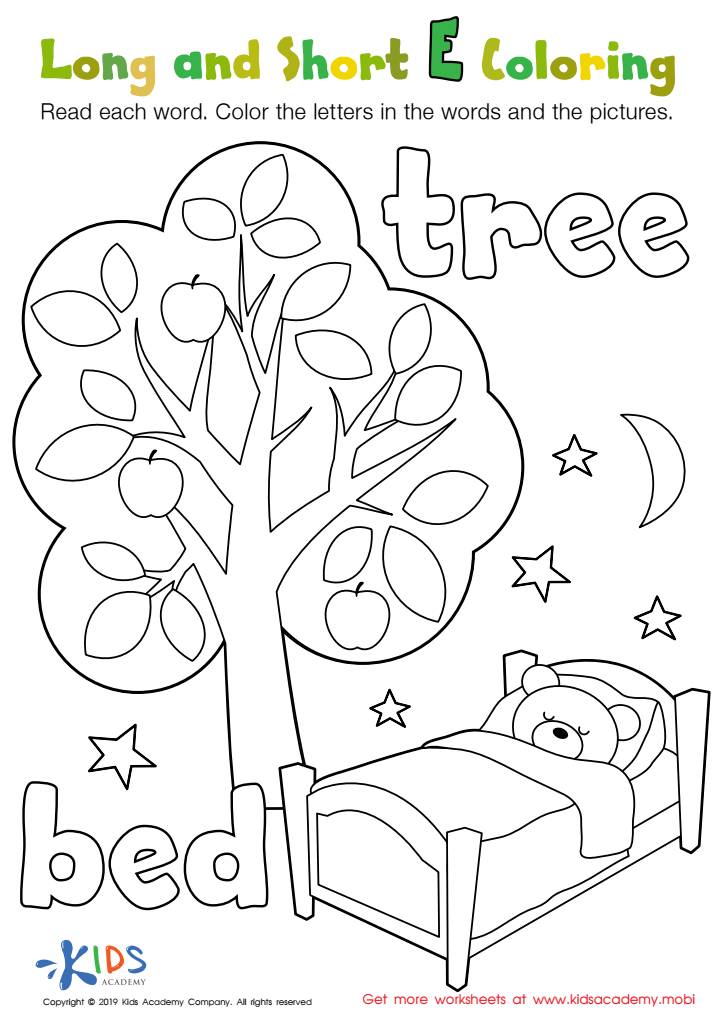
Long and Short E Worksheet
This fun printout makes learning phonics enjoyable for Grade 3 students. Get them to read the words “tree” and “bed” to recognize the different sounds of the letter “E”. After hearing the words they can color the words and the pictures to understand differences between long and short vowels.
Download (PDF)
Assign to My Students
Assign to My Students
Long and Short E Worksheet
Worksheet
Join Kids Academy for Free
Who is primarily going to use this learning content?




Reading comprehension is a critical skill for children aged 6 to 9, as it serves as the foundation for their overall academic success and lifelong learning. When parents and teachers prioritize skills like normal elementary phonics, they equip students with the tools necessary to decode words, understand texts, and eventually grasp more complex ideas. Phonics instruction helps children learn the relationships between letters and sounds, enabling them to read independently and with confidence. This, in turn, enhances their comprehension skills, allowing them to extract meaning from what they read.
Furthermore, proficient reading comprehension fosters a love for reading, encouraging children to explore diverse literature and expand their vocabulary. This engagement not only supports their literacy development but also aids in critical thinking, creativity, and empathy as they encounter various perspectives through stories.
Moreover, strong reading skills can positively impact other areas of learning, including writing, science, and social studies. For caregivers and educators, fostering proficiency in phonics and comprehension can lead to improved academic outcomes and increased self-esteem in students. Supporting reading comprehension in early education ultimately prepares children for a successful future, making it crucial for both parents and educators to invest time in these developmental milestones.