Welcome to our Sound Association Normal Alphabet Worksheets for Ages 6-9! These engaging printable worksheets are designed to help young learners connect sounds with letters while enhancing their reading and writing skills. Combining phonetic understanding with playful activities, these worksheets encourage children to recognize letter sounds and build vocabulary. Ideal for both classroom and at-home learning, these resources make mastering the alphabet fun and effective. Each worksheet includes vibrant illustrations and interactive exercises that captivate students' attention, fostering a love for learning. Help your child gain confidence in their reading abilities while enjoying this vital literacy foundation!

Check out this FREE Trial Lesson on Alphabet for age 6-9!

The Letter H Sound

Favorites
With answer key
Interactive
  • 6-9
  • Sound Association
  • Alphabet
  • Normal
Long and Short Vowel Match up Reading Worksheet

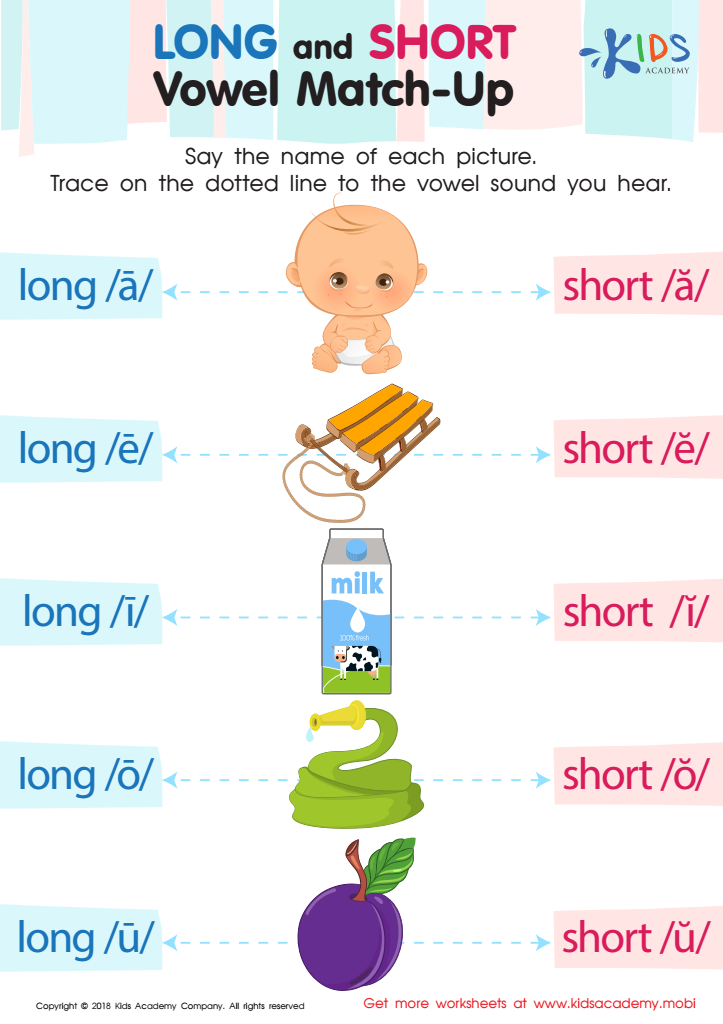
Long and Short Vowel Match up Reading Worksheet

Help your reader build confidence and refine their decoding skills! This worksheet combines long and short vowel recognition with a traceable component to improve fine motor skills. Your learner will name each picture and trace the dotted lines to get to the correct vowel sounds.
Long and Short Vowel Match up Reading Worksheet
Worksheet
Words with sound h Reading Worksheet

Words with sound h Reading Worksheet

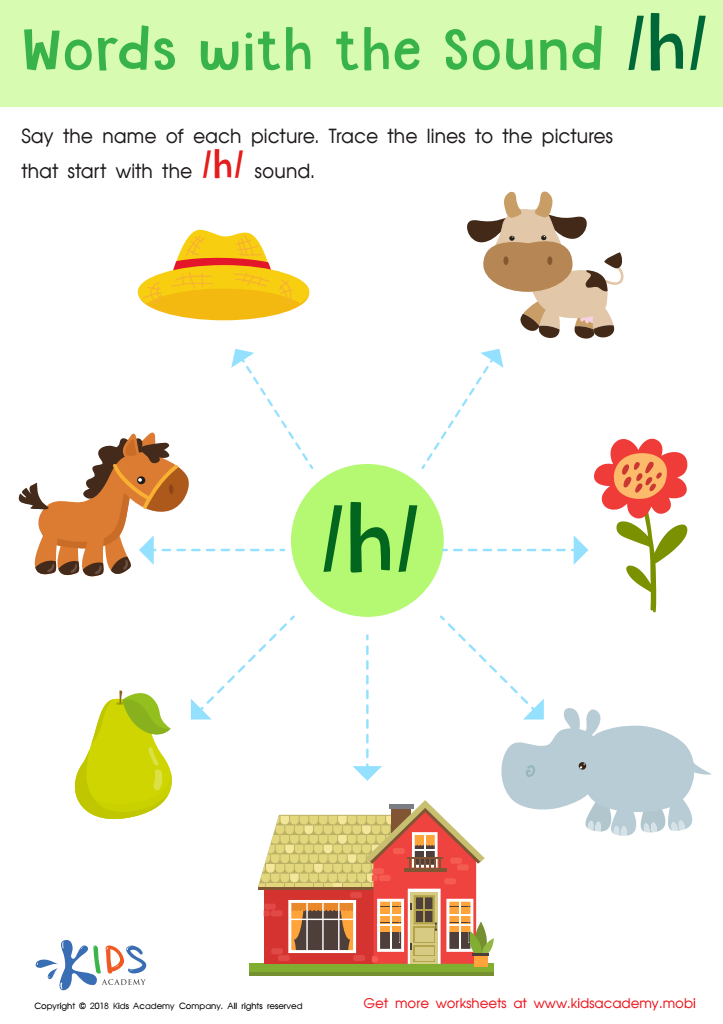
The letter H can often be heard in words! Check your child's knowledge with an engaging worksheet from Kids Academy. Ask them to go around a circle and name each image aloud. Listen for the starting sound and trace the line from the middle letter to the images with the sound. This is a great way to practice phonics!
Words with sound h Reading Worksheet
Worksheet
Beginning Sound «n» Worksheet

Beginning Sound «n» Worksheet

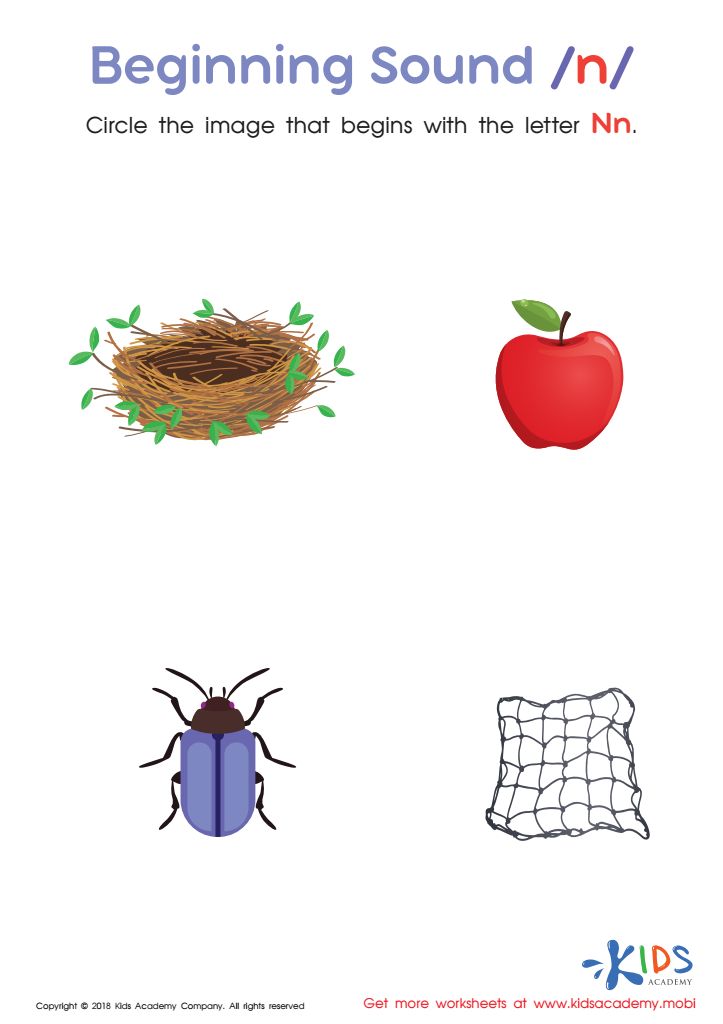
Help your emerging reader learn the initial «n» sound with this free PDF worksheet! Strengthen fine motor skills by tracing circles around words beginning with «n». Pictures are clear and engaging, giving beginning Phonics learners the right amount of practice and the confidence to succeed.
Beginning Sound «n» Worksheet
Worksheet
Rhyming Bells Worksheet

Rhyming Bells Worksheet

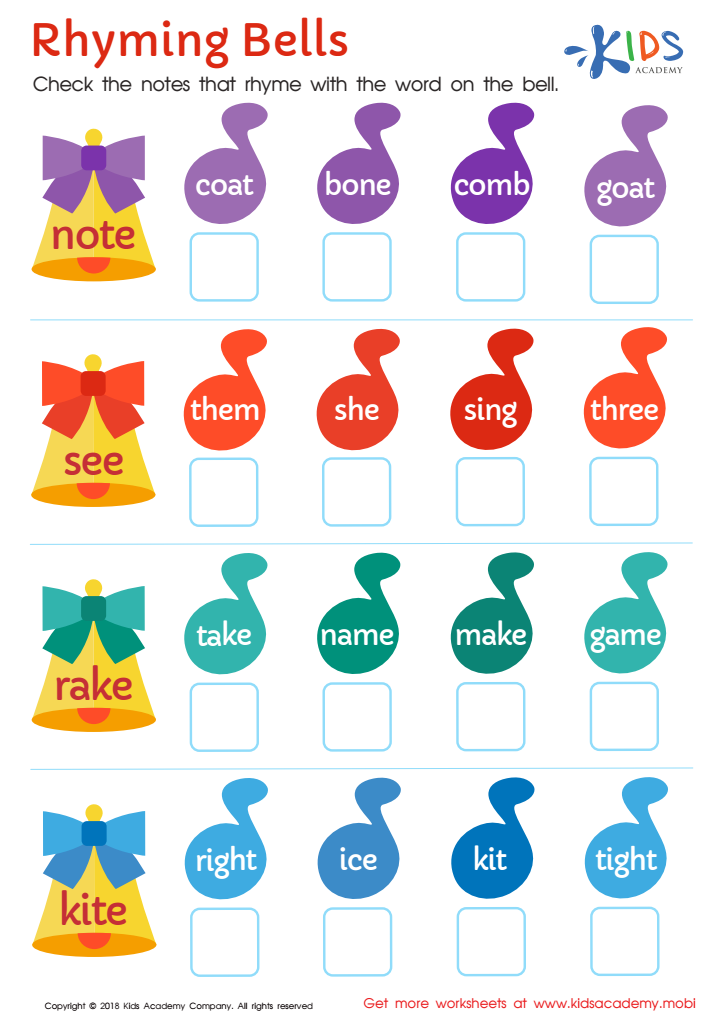
This printable worksheet helps students recognize rhyming words. Read a word, then pick the 4 words that rhyme. Look out for words with different spellings but same ending sound. It's a great exercise to improve understanding of rhyming words.
Rhyming Bells Worksheet
Worksheet
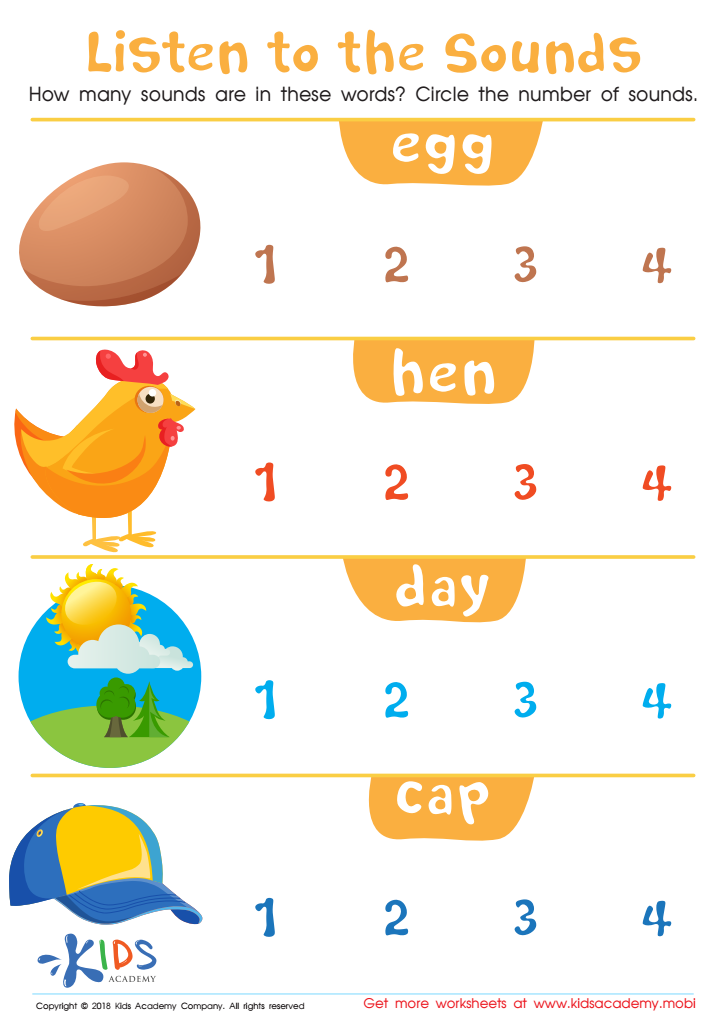
Listen to the Sounds Worksheet

Listen to the Sounds Worksheet

This worksheet builds emerging readers' skills in using sounds for reading and spelling. It helps strengthen auditory processing by having them count the sounds in each word, then trace the corresponding number. Fun and cheerful!
Listen to the Sounds Worksheet
Worksheet
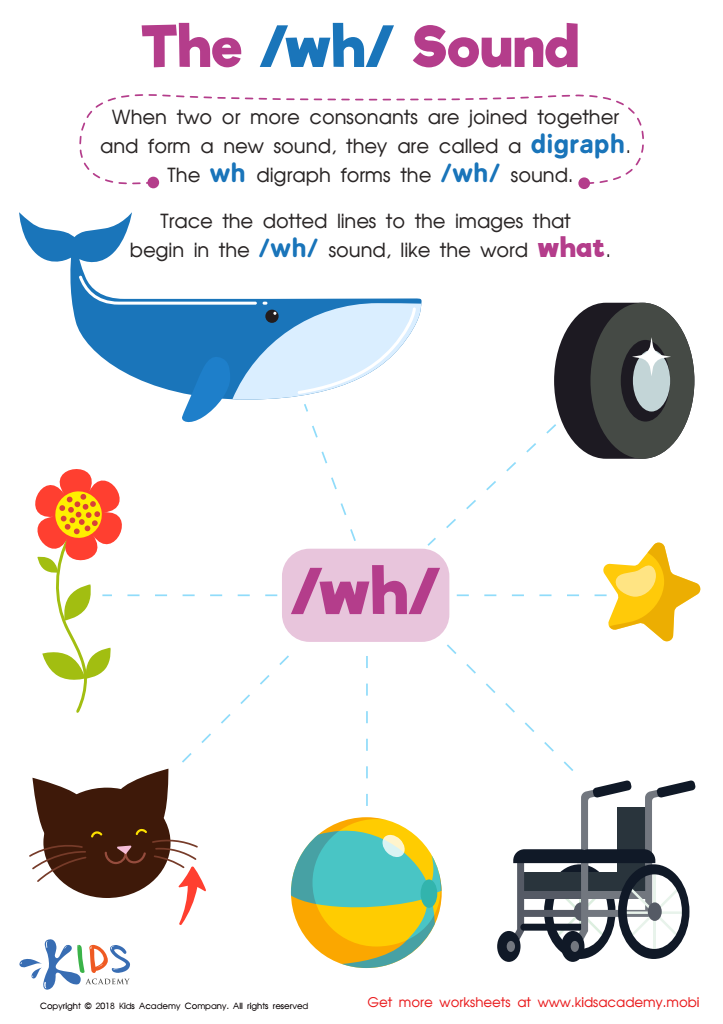
The /wh/ Sound Worksheet

The /wh/ Sound Worksheet

Digraphs join two consonants to make a new sound, like /wh/. Give examples, like "whale", "when" and "why". Ask kids to name pictures in a worksheet and trace dotted lines to images beginning with the /wh/ sound; "what" is one example.
The /wh/ Sound Worksheet
Worksheet
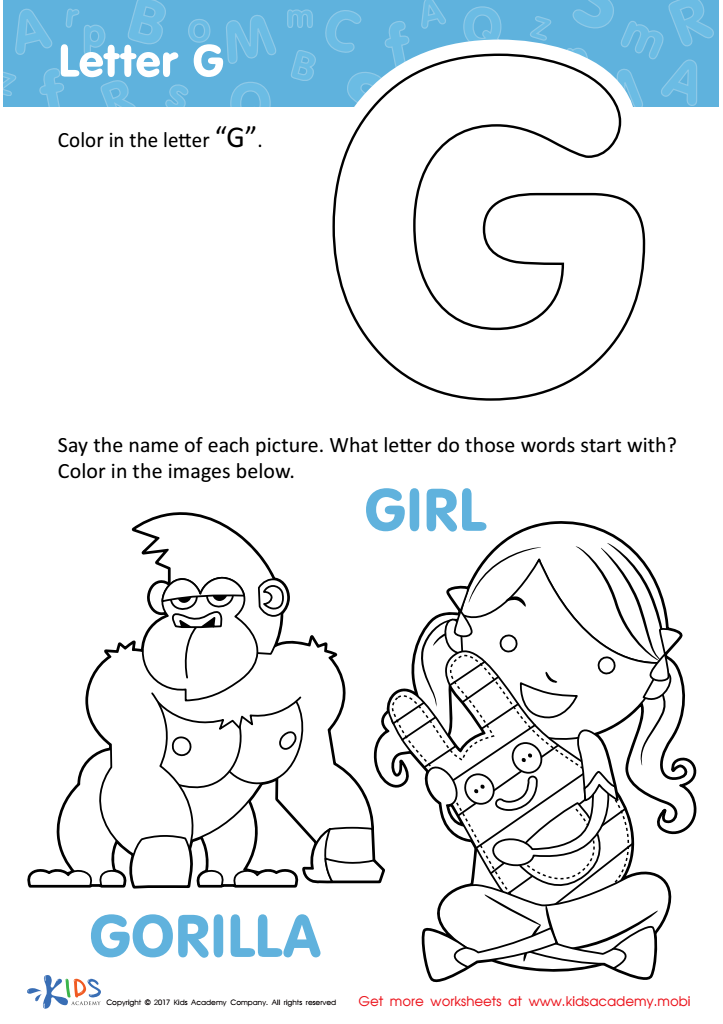
Letter G Coloring Page

Letter G Coloring Sheet

This "G" coloring page encourages creativity and teaches kids the letter "G" sound. With its fun visuals and familiar words, it's sure to excite your child. Plus, you can talk about the letter’s sound with the pictures given.
Download (PDF)
Assign to My Students
Letter G Coloring Sheet
Worksheet
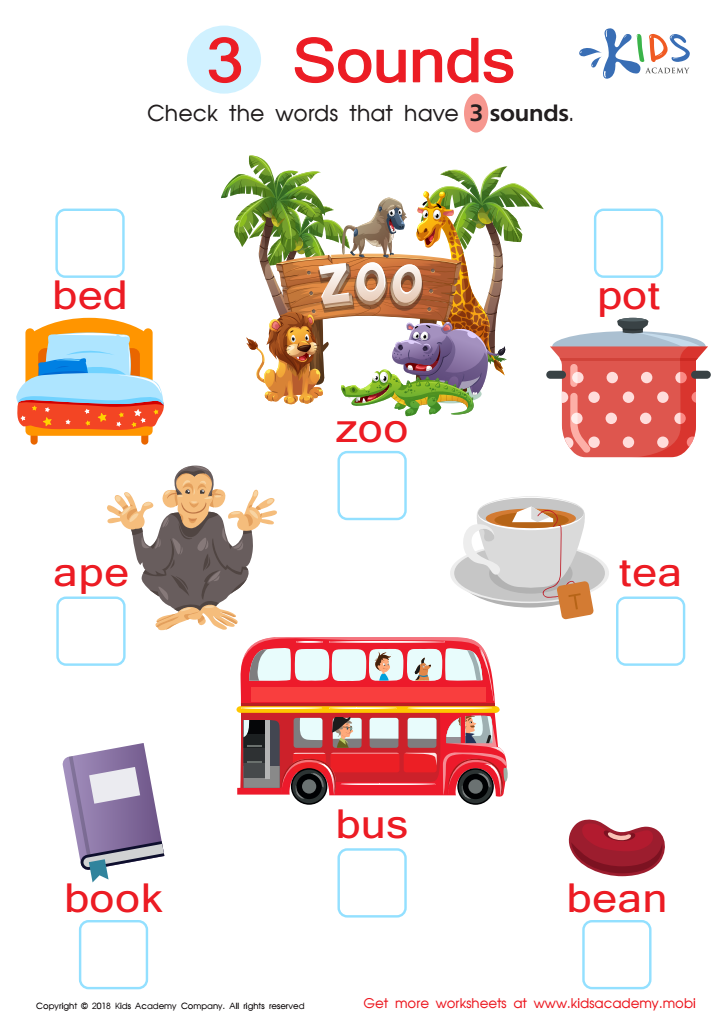
3 Sounds Worksheet
3 Sounds Worksheet

3 Sounds Worksheet

Kids will love learning with this free, colorful worksheet. It's full of familiar words they can name and sound out with three distinct sounds. This helps build decoding skills, plus they get to check off words they read. It's a fun way to teach children to identify and use sounds.
3 Sounds Worksheet
Worksheet
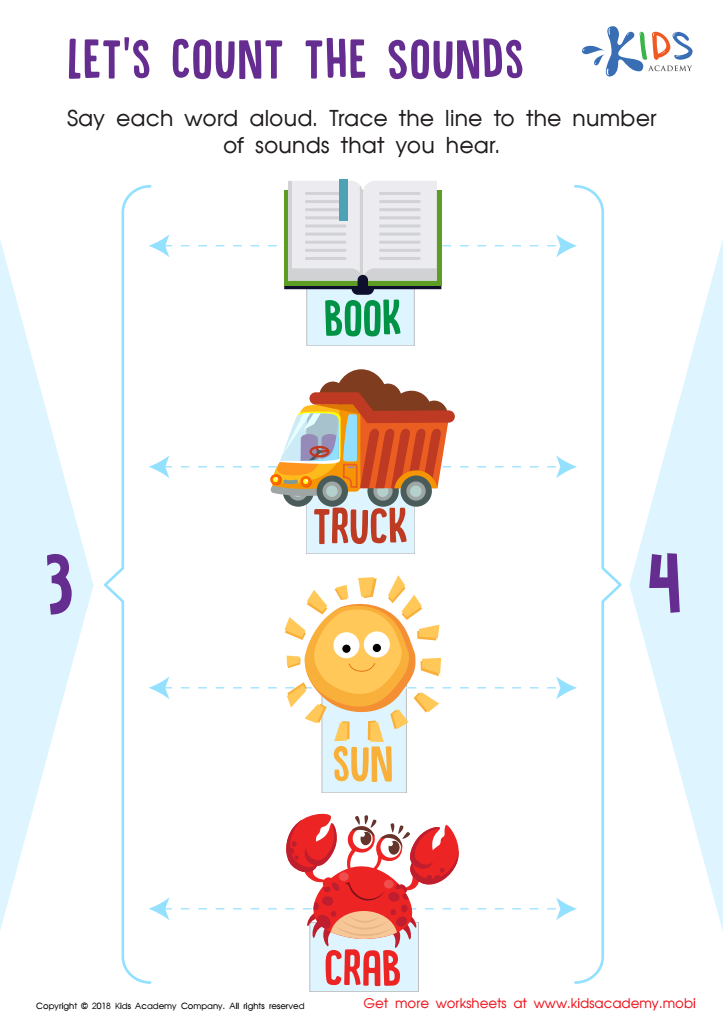
Let's Count the Sounds Worksheet

Let's Count the Sounds Worksheet

This bright and cheery traceable worksheet encourages children to practice auditory discrimination and phonological awareness. Using picture clues, they read each word and trace the line that represents the number of sounds heard. This builds decoding skills and helps them become successful readers.
Let's Count the Sounds Worksheet
Worksheet
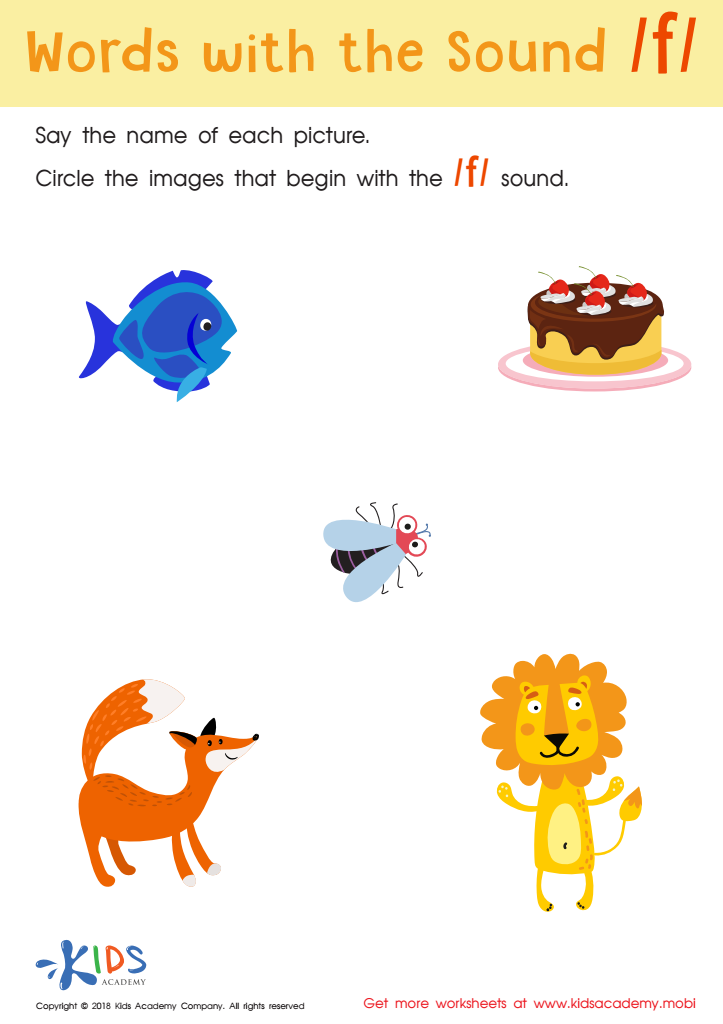
Words with sound f Reading Worksheet

Words with sound f Reading Worksheet

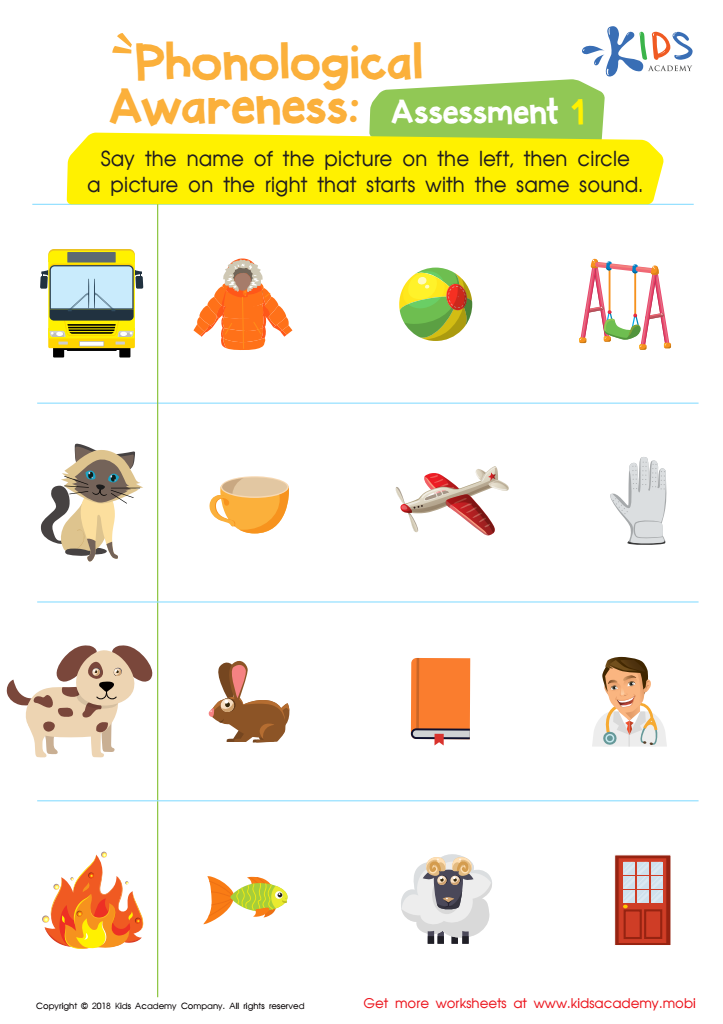
This illustrated phonics worksheet is ideal for preschool or kindergarten. It helps boost learners' literacy skills with a focus on the letter "f". Ask your child to name all the pictures, listening for that sound. Examples are fish, fox, lion, bug. When they can identify which words start with "f", have them circle the images. Congratulate them on a job well done!
Words with sound f Reading Worksheet
Worksheet


Sound Association Normal Alphabet (SANA) is crucial for children aged 6-9, as it forms the foundation for effective reading and writing skills. At this developmental stage, children are enhancing their phonemic awareness, which is essential for decoding words and understanding language structure. Teachers and parents should prioritize SANA because it directly impacts literacy development.

Firstly, SANA helps children recognize the relationship between sounds and letters, facilitating smoother reading. When children can associate sounds with their corresponding letters, they are more likely to develop strong decoding skills. This capacity nurtures fluency, making reading a more enjoyable and less daunting experience.

Furthermore, a solid grasp of sound associations enriches vocabulary development and comprehension. Children who can identify sounds in words are better equipped for spelling, enhancing their writing skills and boosting their confidence.

Moreover, engaging parents in the process amplifies learning opportunities at home. With the right tools and encouragement, parents can reinforce SANA principles, fostering a love for reading.

In summary, SANA is an essential focus for educators and parents because it underpins literacy skills that children will use throughout their lives. These foundational skills not only contribute to academic success but also pave the way for effective communication and critical thinking.