Sound Association Normal Phonics Worksheets for Ages 6-9
10 filtered results
-
From - To
Explore our engaging "Sound Association Normal Phonics Worksheets" designed for children ages 6-9. These worksheets help young learners develop essential phonics skills by associating sounds with corresponding letters and words. Each activity promotes phonemic awareness, enhancing reading and writing competencies crucial for early literacy development. With a variety of fun exercises, children will enjoy identifying beginning sounds, matching letters to images, and completing interactive tasks that motivate and reinforce learning. Ideal for both classroom and home use, these worksheets cater to diverse learning styles and ensure a solid foundational understanding of phonics. Start fostering a love for reading today!
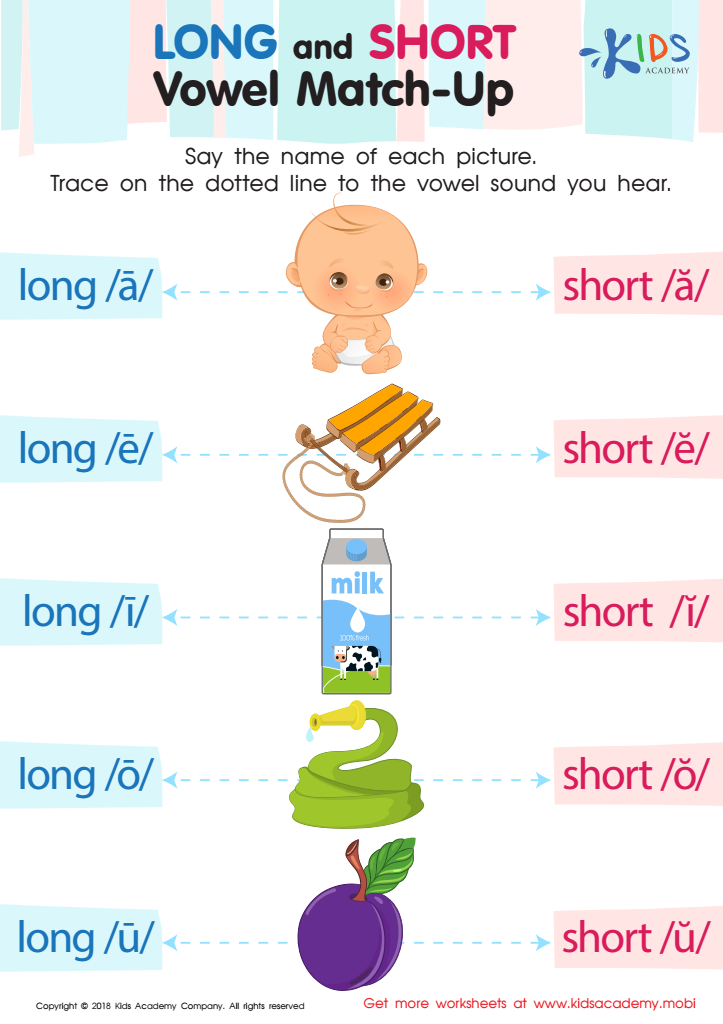
Long and Short Vowel Match up Reading Worksheet
 Assign to My Students
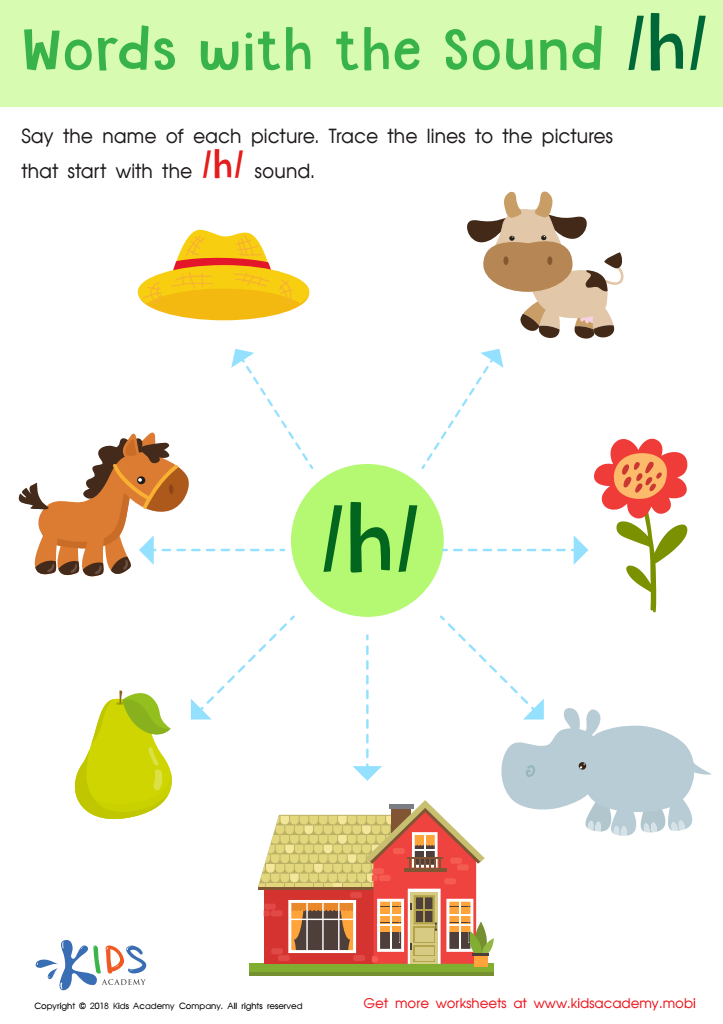
Words with sound h Reading Worksheet
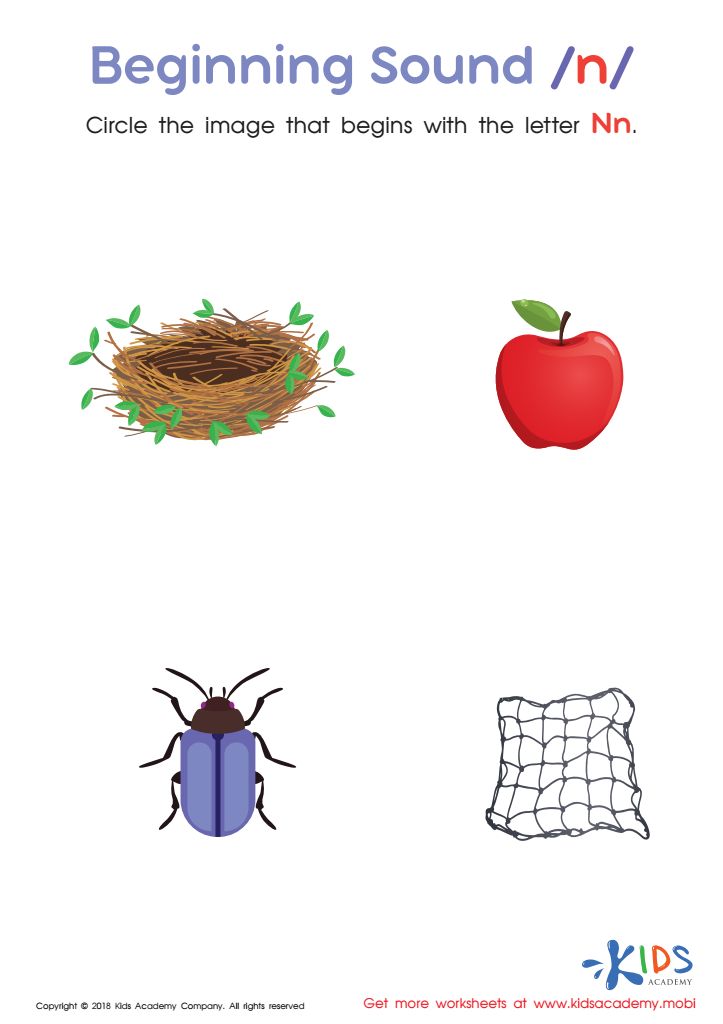
Beginning Sound «n» Worksheet
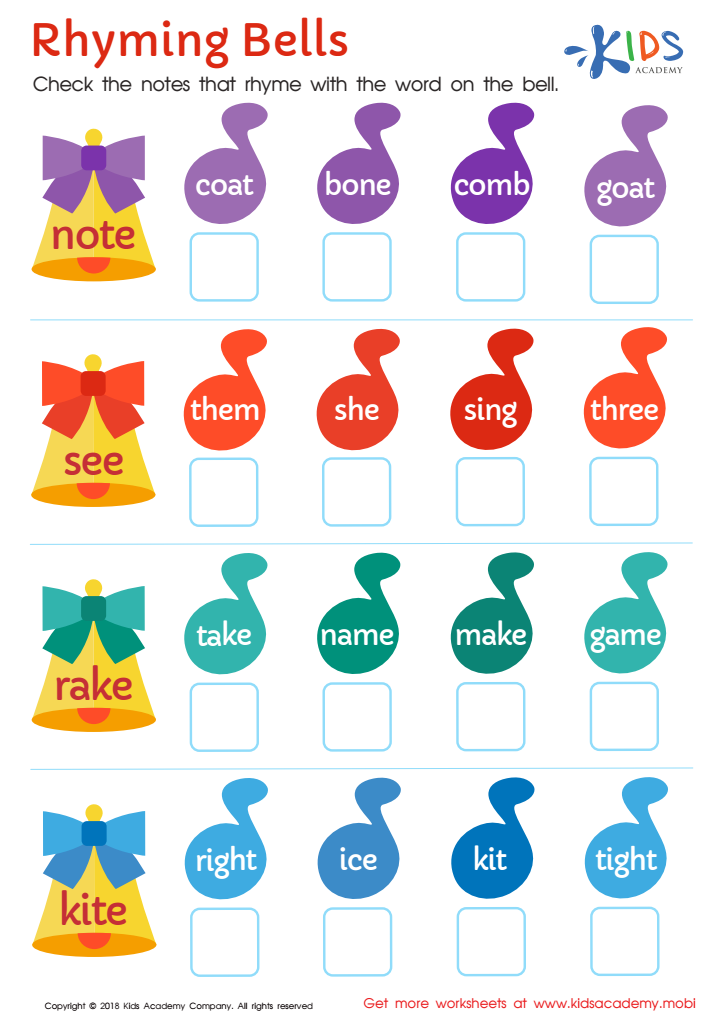
Rhyming Bells Worksheet
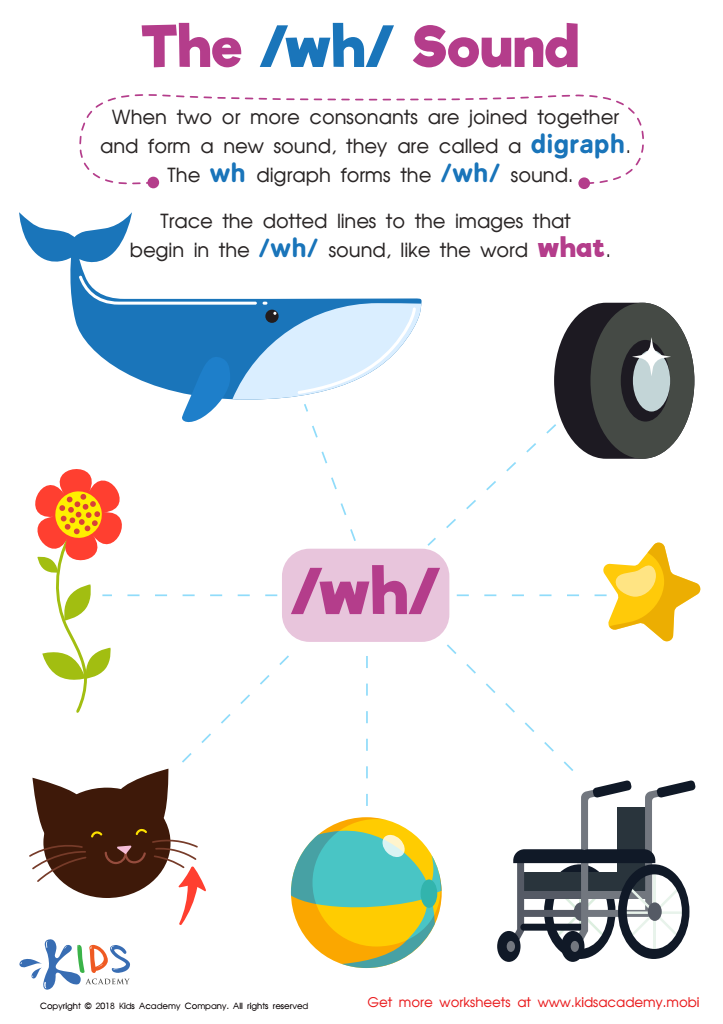
The /wh/ Sound Worksheet
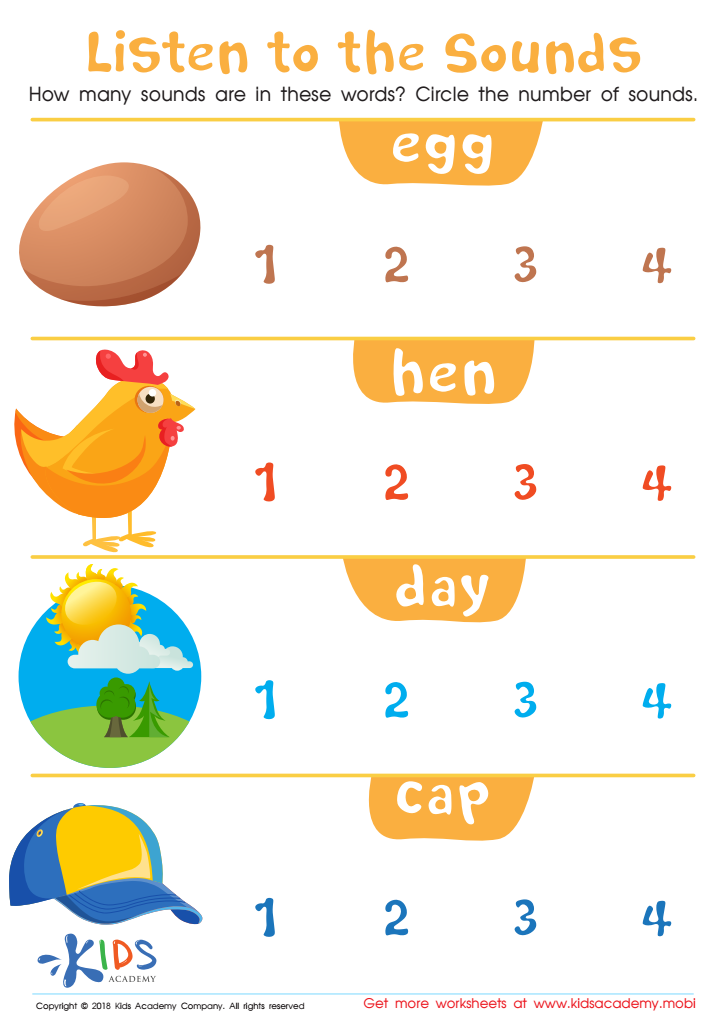
Listen to the Sounds Worksheet
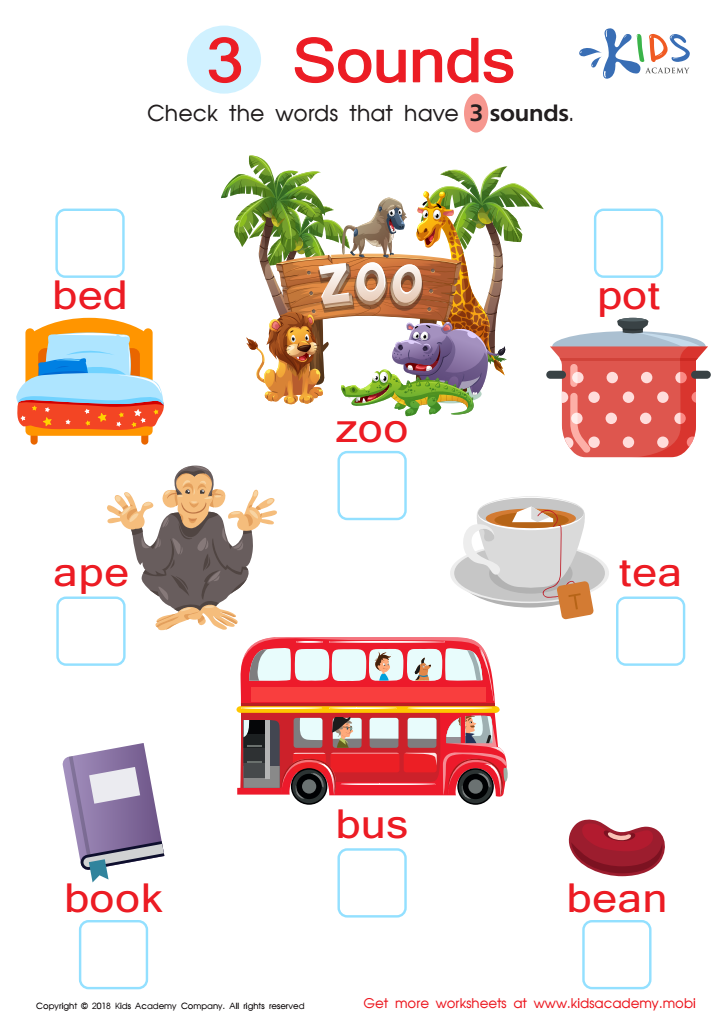
3 Sounds Worksheet
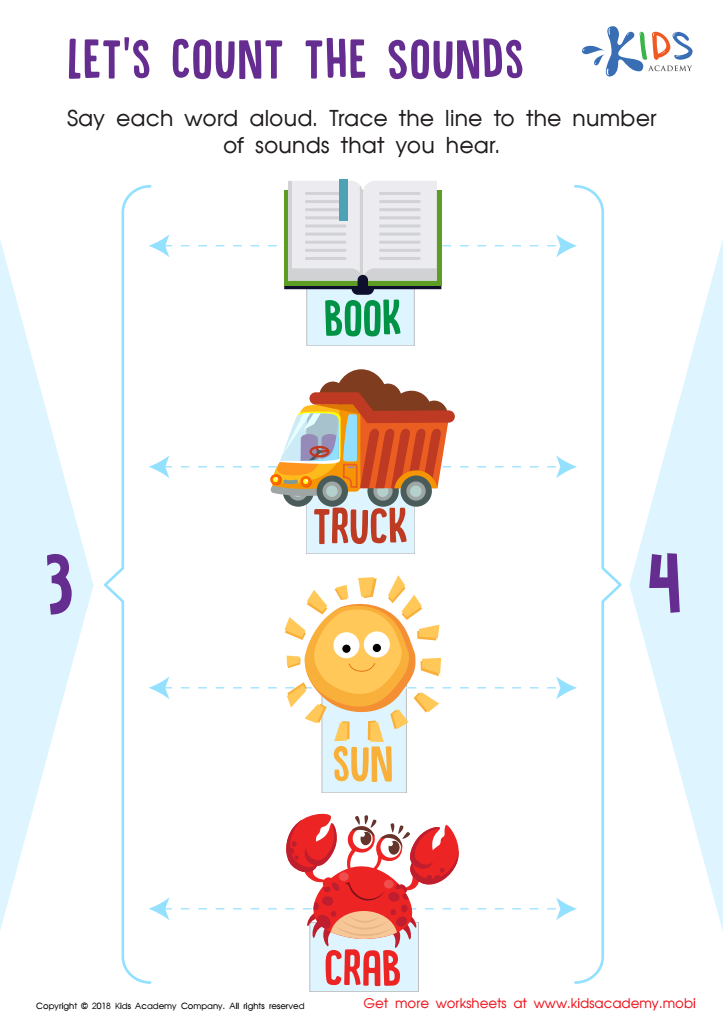
Let's Count the Sounds Worksheet
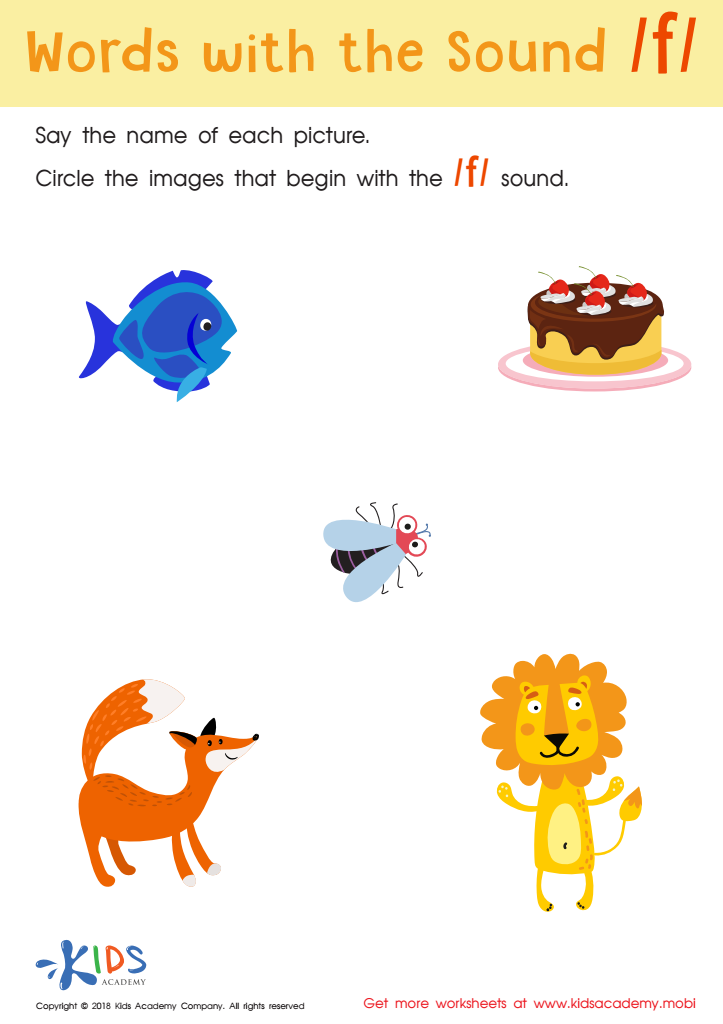
Words with sound f Reading Worksheet
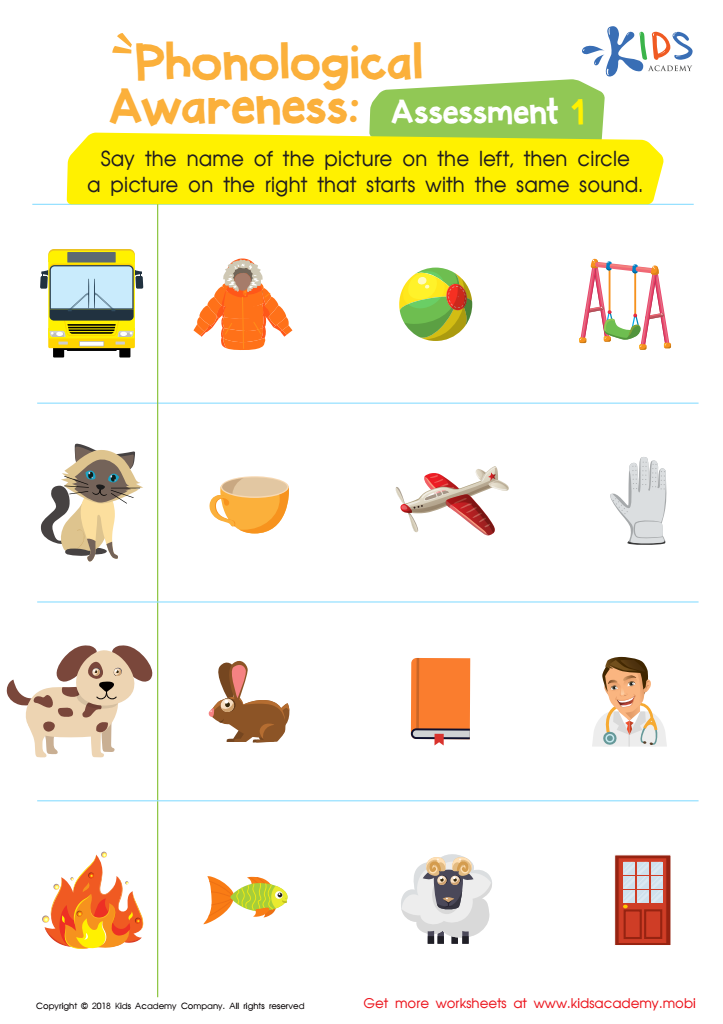
Phonological Awareness: Assessment 1 Worksheet








Sound Association Normal Phonics, or phonics instruction, is crucial for children aged 6-9 as it lays the foundational skills necessary for reading and writing. At this development stage, children are actively decoding words and understanding how sounds correspond to letters. Effective phonics instruction not only enhances children's reading abilities but also boosts their confidence in literacy.
By focusing on phonics, children learn to manipulate sounds, recognize patterns, and decode unfamiliar words, which expands their vocabulary. This skill is essential for academic achievement across all subjects, as reading proficiency is linked to overall educational success.
Teachers and parents should prioritize phonics because it promotes a love for reading, fostering imaginative thinking and creativity. Moreover, phonics aids in bridging the gap for children who may struggle with traditional literacy methods, making reading accessible and enjoyable for all learners.
In collaborative efforts, parents can reinforce phonics at home, creating a consistent learning environment that supports what children learn in the classroom. Ultimately, Sound Association Normal Phonics equips children with the tools they need for lifelong literacy, critical thinking, and effective communication, all of which are vital in today’s information-driven world.







