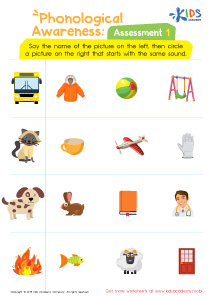
Normal Three Letter Words Phonics Worksheets for Ages 6-9
5 filtered results
-
From - To
Discover our engaging Normal Three Letter Words Phonics Worksheets, designed specifically for children aged 6-9! These printable worksheets focus on building essential phonics skills through fun and interactive exercises. Each worksheet incorporates three-letter words to enhance reading, writing, and spelling abilities while encouraging kids to sound out letters phonetically. Perfect for early grade teachers and homeschooling parents, our resources include a variety of activities that cater to different learning styles. Help your child master foundational literacy skills in a fun and effective way. Explore our library today and watch your little ones thrive in their reading journey!
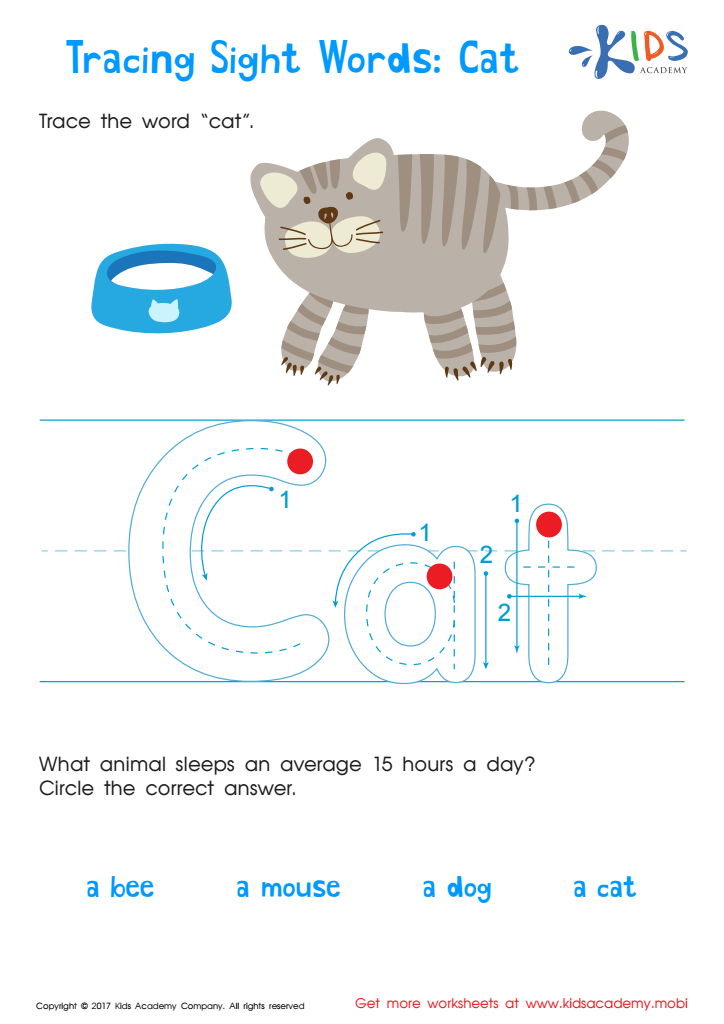
Cat Printable Sight Words Worksheet
 Assign to My Students
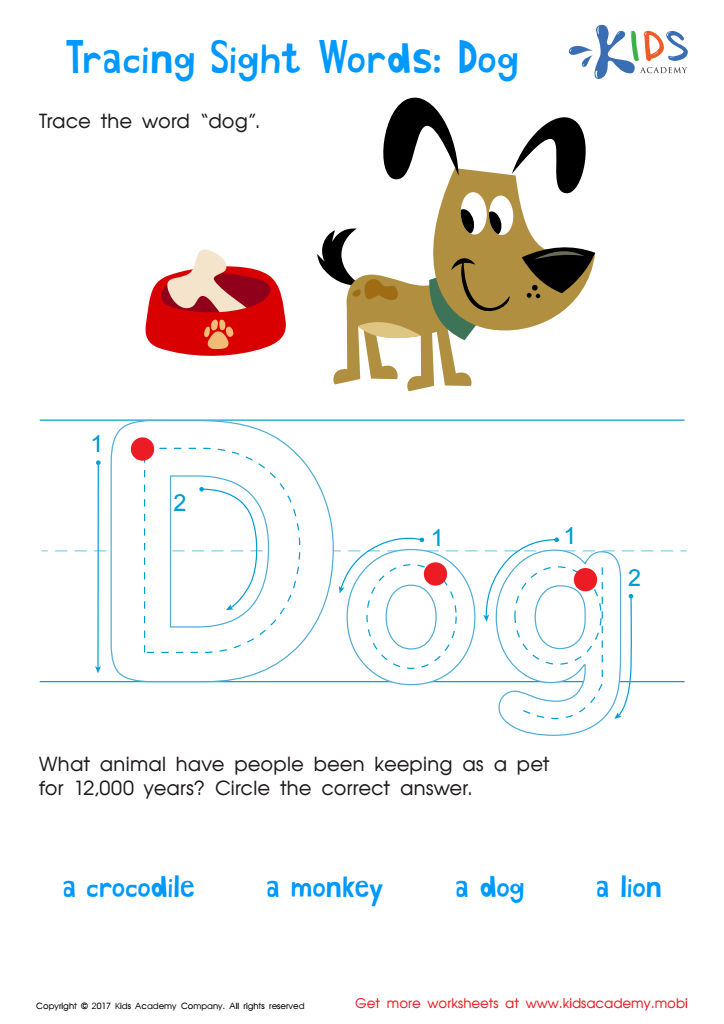
Dog Worksheet Sight Words Worksheet
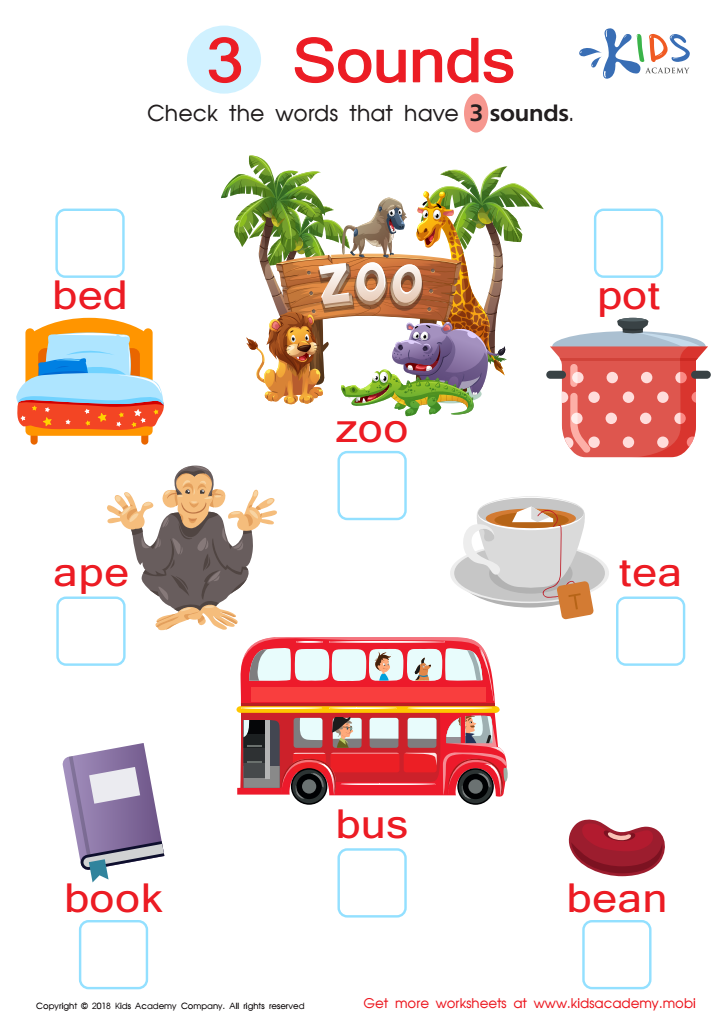
3 Sounds Worksheet
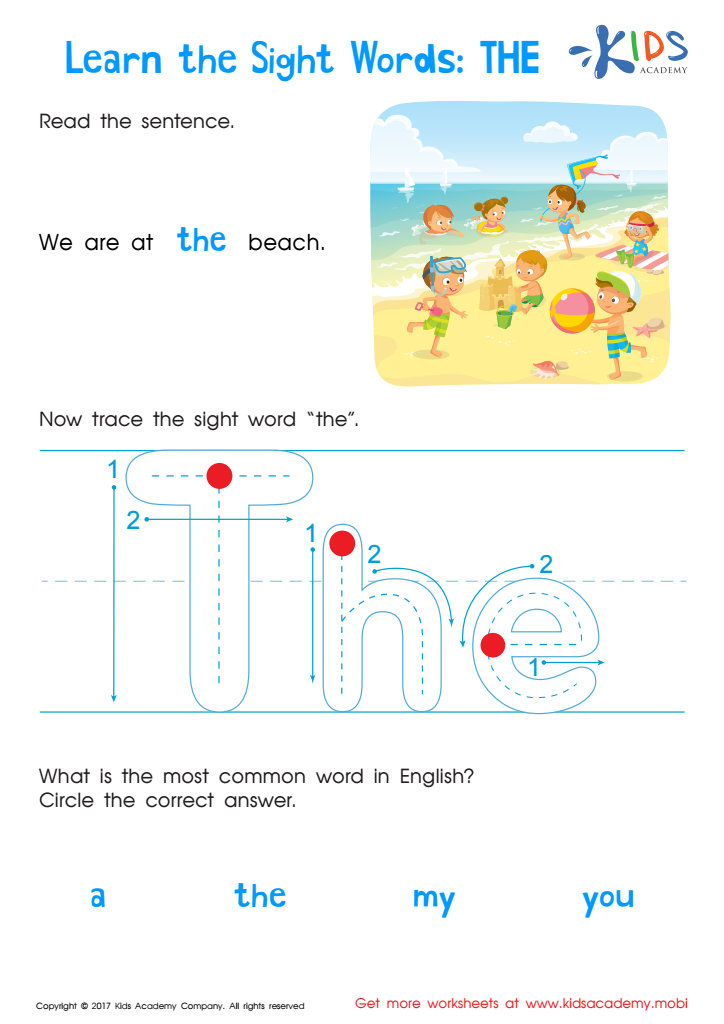
Sight Words: The Worksheet
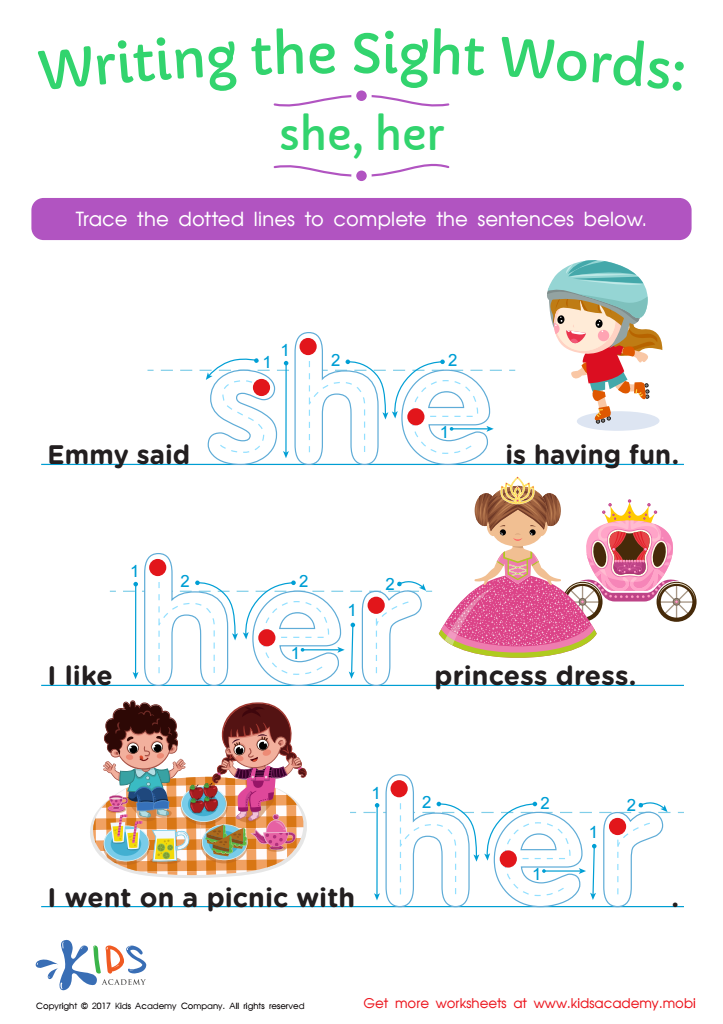
She, Her Printable Sight Words Worksheet




Parents and teachers should prioritize Normal Three Letter Words Phonics for children ages 6-9 because it lays a crucial foundation for literacy and enhances reading skills. At this age, children are developing their phonemic awareness, which is the ability to recognize and manipulate sounds in words. Three-letter words, often structured as consonant-vowel-consonant (CVC), offer a manageable and straightforward way for young learners to practice phonics. Mastering these words helps them associate sounds with letters, facilitating decoding skills essential for reading fluency.
Moreover, engaging with three-letter words supports vocabulary expansion and spelling development. It not only builds confidence in young readers but also fosters a love for books and learning. Phonics instruction, when combined with appropriate activities and games, makes learning enjoyable and interactive, enhancing memory retention.
In addition, early mastery of these basic words aids in bridging the gap to more complex reading materials, preparing children for future academic success. Parents and teachers play a pivotal role in nurturing this essential skill, ensuring that children are equipped with the tools they need for effective communication and lifelong learning. Investing time in phonics during these formative years can make a significant difference in a child's education trajectory.