Reading comprehension Normal Vowels and Consonants Worksheets for Ages 6-9
11 filtered results
-
From - To
Explore our engaging Reading Comprehension Worksheets designed specifically for children aged 6-9, focusing on normal vowels and consonants. These worksheets offer fun activities that help young learners improve their reading skills while grasping fundamental phonics concepts. Our carefully crafted exercises encourage kids to identify vowels and consonants within words, enhancing their decoding abilities and comprehension. Perfect for classroom use or at-home learning, these resources support educational growth in a playful manner. Foster a love for reading with interactive exercises that build confidence and improve language skills in early-grade students. Start your child's reading journey today with our vibrant worksheets!
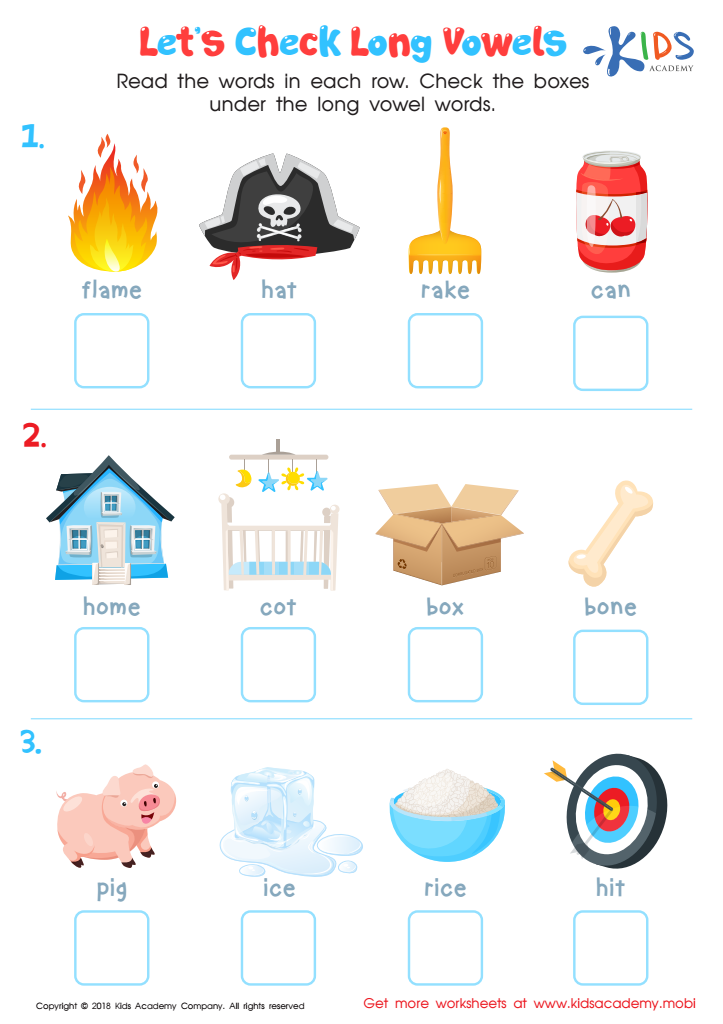
Let's Check Long Vowels: Assessment Worksheet
 Assign to My Students
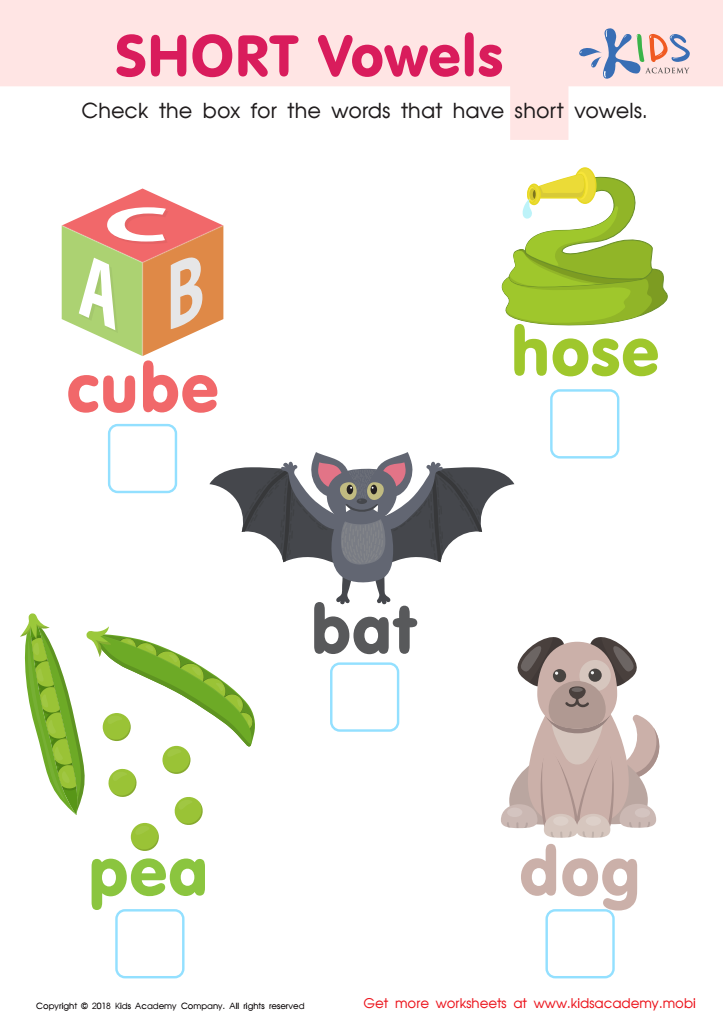
short vowels Worksheet
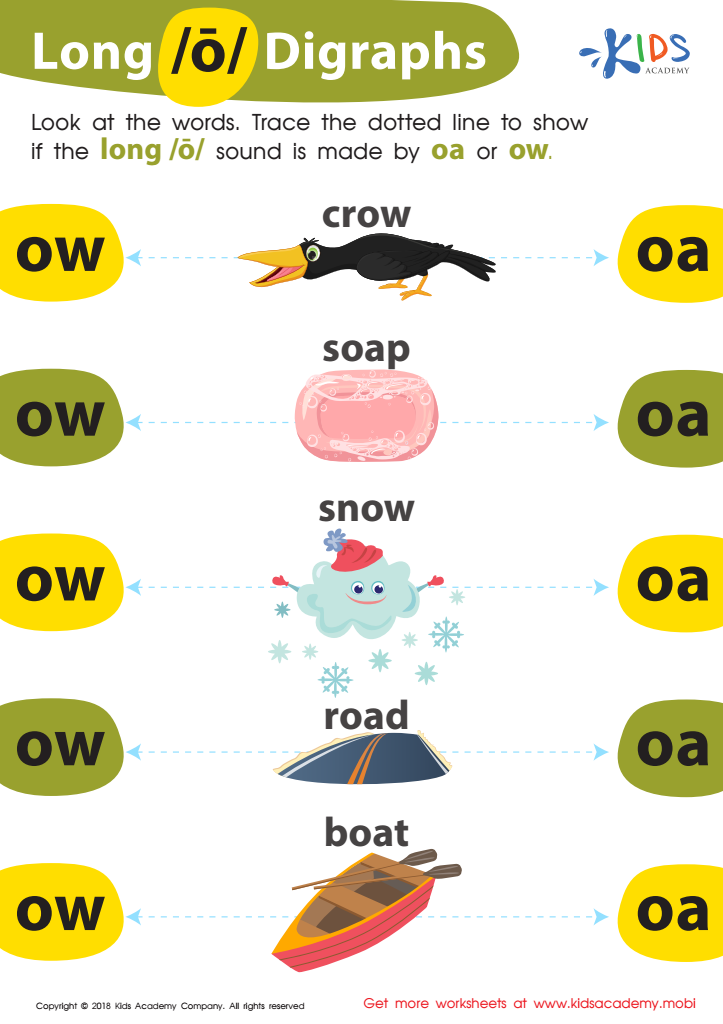
Reading: Long O Digraphs Worksheet
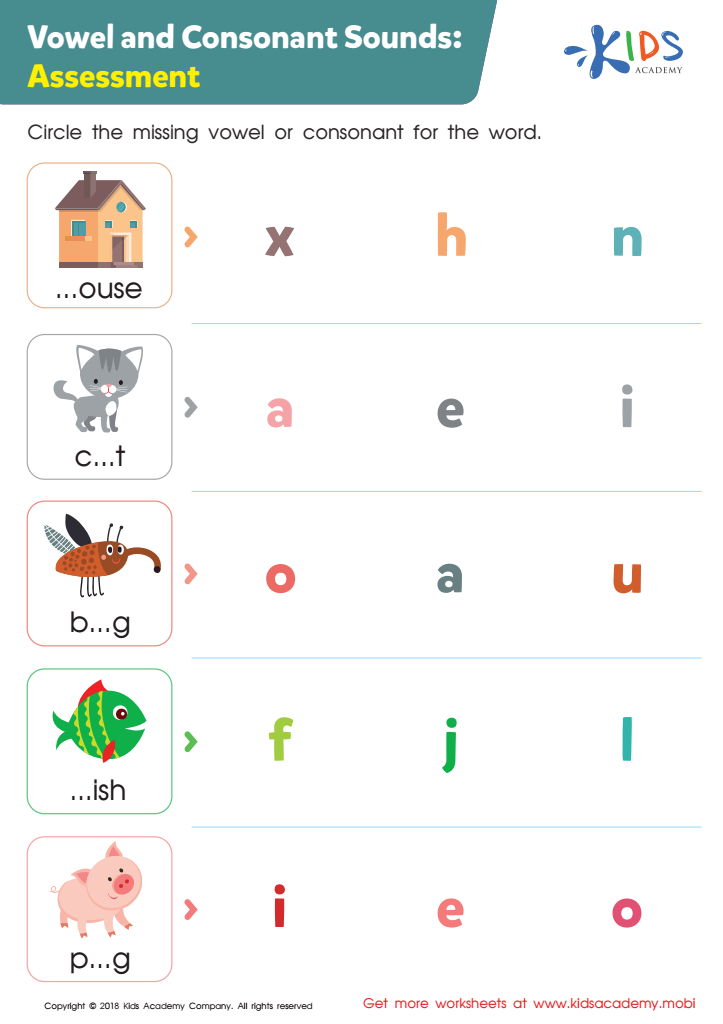
Vowel and Consonant Sounds: Assessment Worksheet
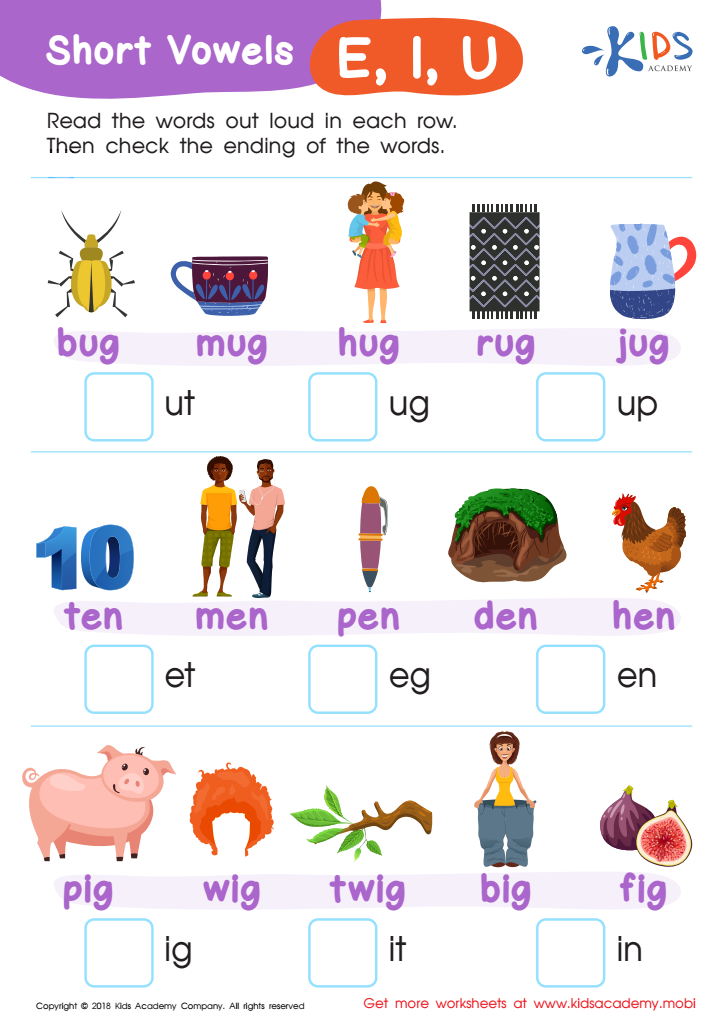
Short Vowels /e/, /i/, and /u/ Worksheet
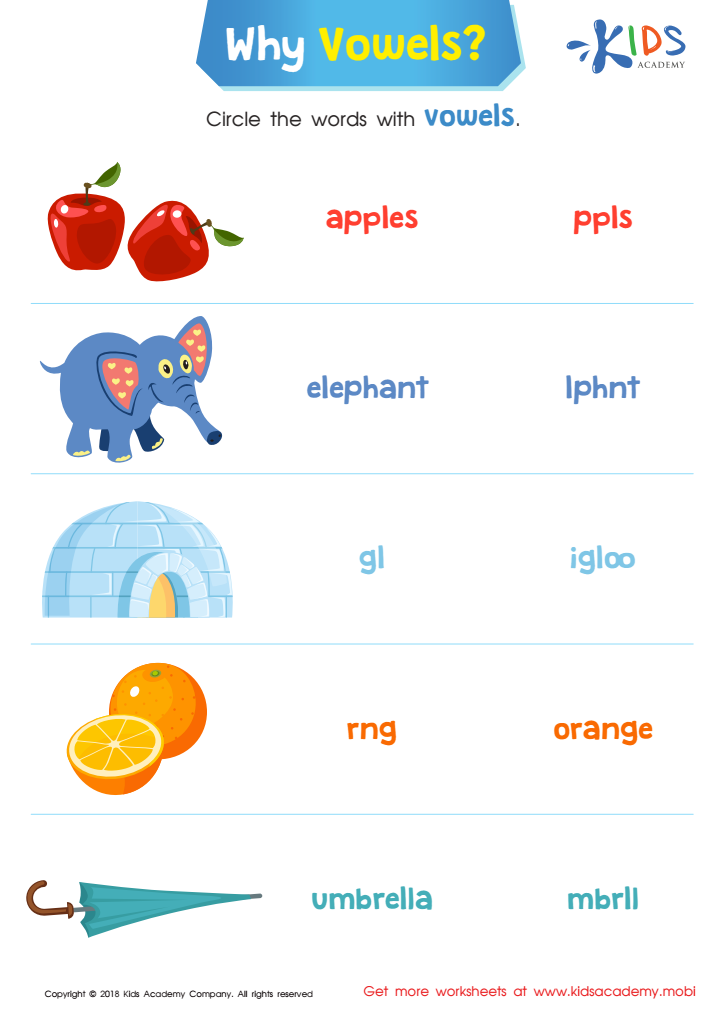
Why Vowels? Reading Worksheet
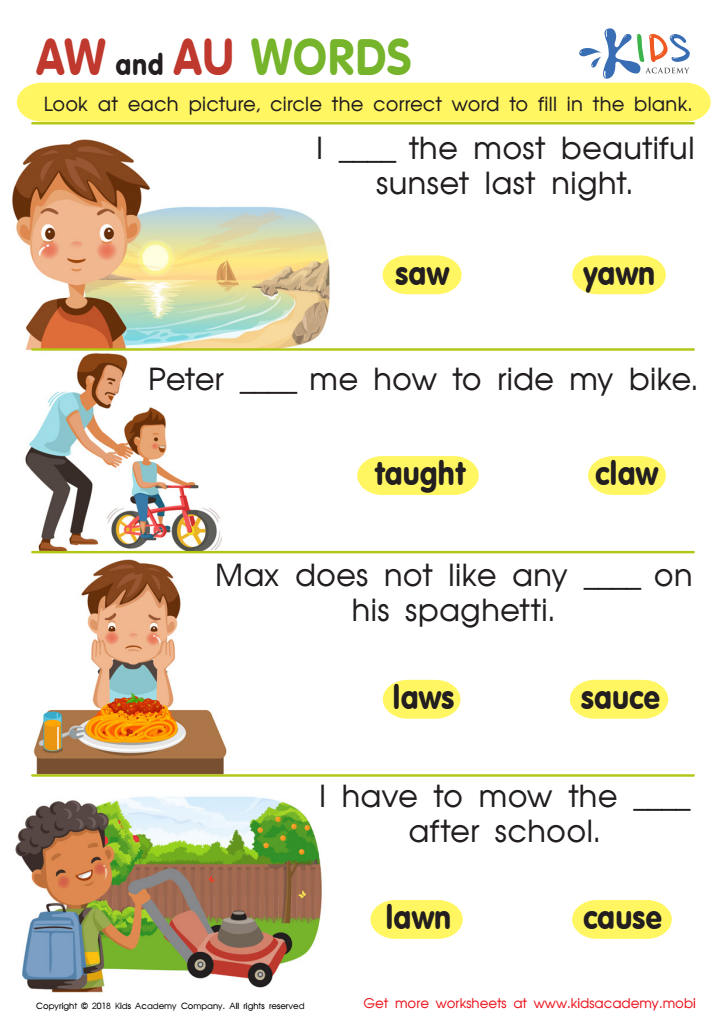
Reading: AW and AU Words Worksheet
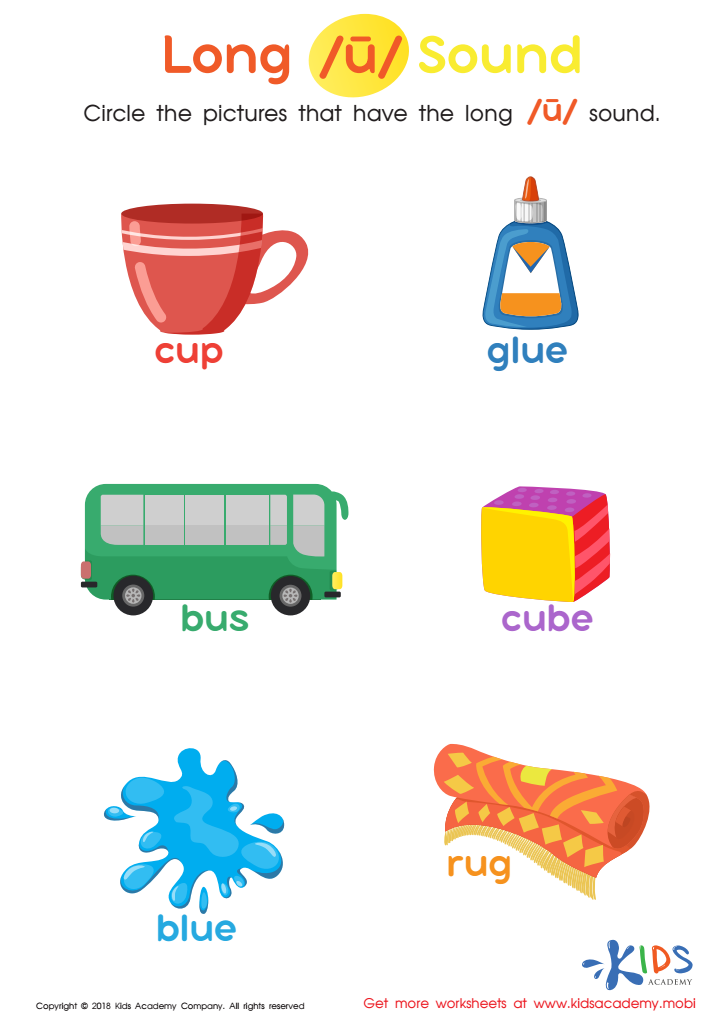
Long «u» Sound Worksheet
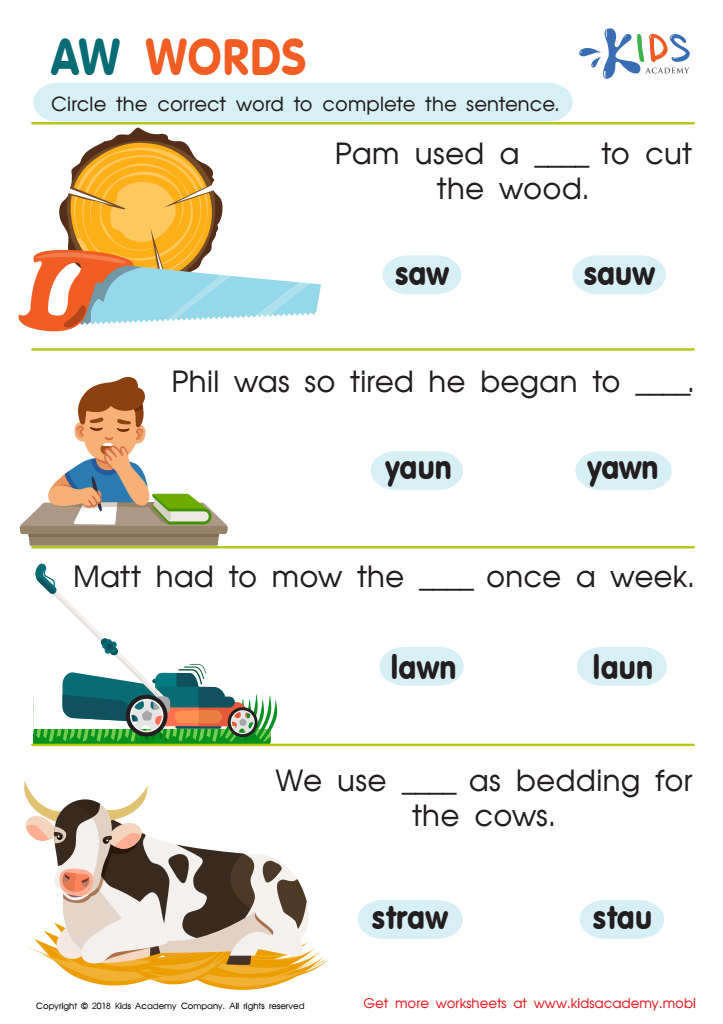
Reading: AW Words Worksheet
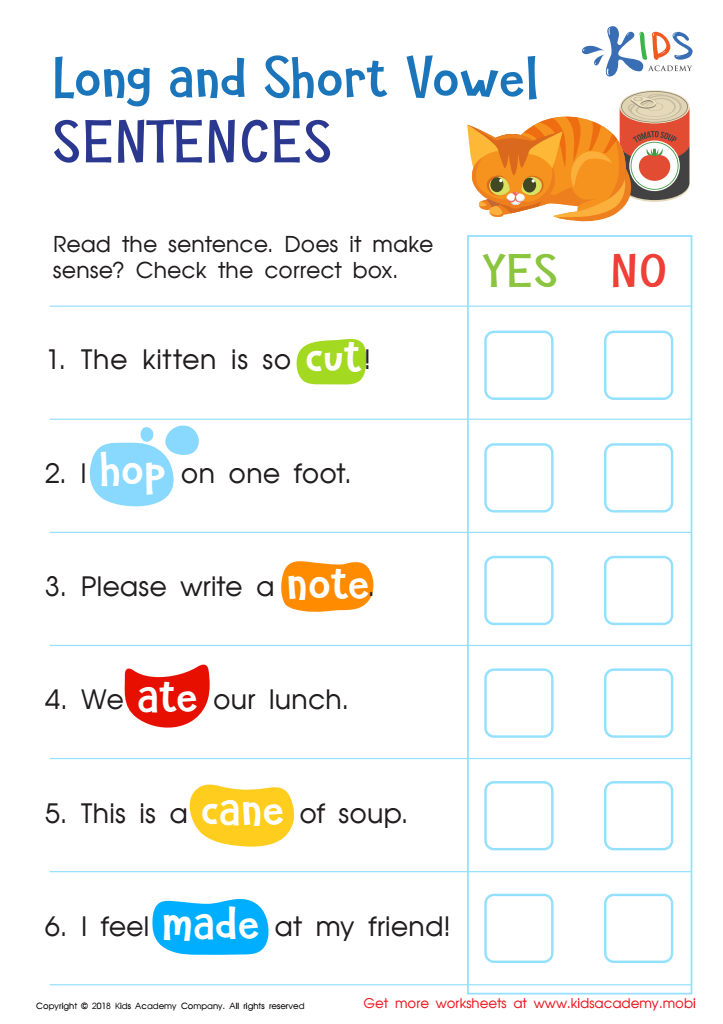
Long and Short Vowel Sentences: Assessment Worksheet
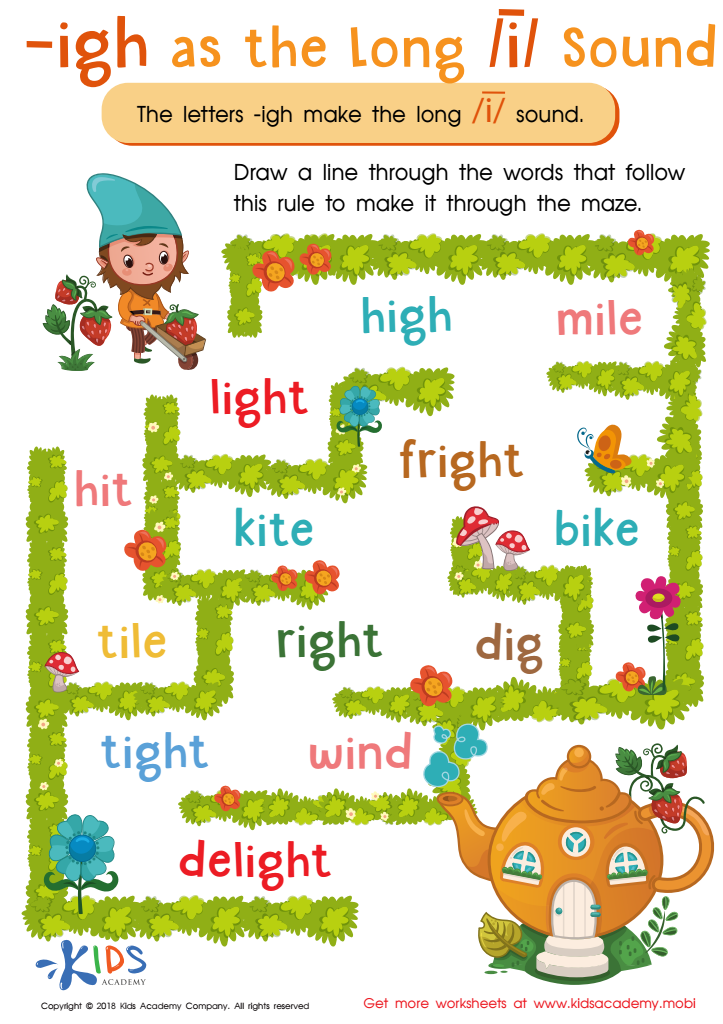
Reading: IGH as Long I Worksheet



Reading comprehension is foundational for children's educational journeys, especially for ages 6-9, as this is a critical period for developing language skills. Understanding normal vowels and consonants is essential, as these basic building blocks of language form the backbone of words and sentences. When children grasp how to identify and manipulate vowels and consonants, they gain confidence in their reading abilities, enabling them to decode new words independently.
For parents and teachers, fostering early reading comprehension through vowel and consonant mastery enriches a child's overall literacy. Young readers who struggle with these fundamental concepts may face challenges in academic areas, as reading is integral to subjects like math, science, and social studies. Strong reading comprehension skills also enhance vocabulary, critical thinking, and communication abilities, setting a positive foundation for lifelong learning.
Additionally, reading comprehension lays the groundwork for higher-order thinking skills. Engaging with texts by asking questions and making connections during reading activities further develops comprehension. When parents and teachers prioritize these strides in learning, they equip children not just to decode text, but to derive meaning, fostering a love of reading that extends beyond the classroom. Early intervention leads to better outcomes, forming confident, competent, and enthusiastic readers.