Filters

30 filtered results

Clear all filters
Favorites
With answer key
Interactive

30 filtered results

Difficulty Level

Grade


Check out this FREE Trial Lesson on Vowels for age 6-9!

Distinguish Between Words with Long E and Short E

Favorites
With answer key
Interactive
  • 6-9
  • Phonics Skills
  • Vowels
  • Normal
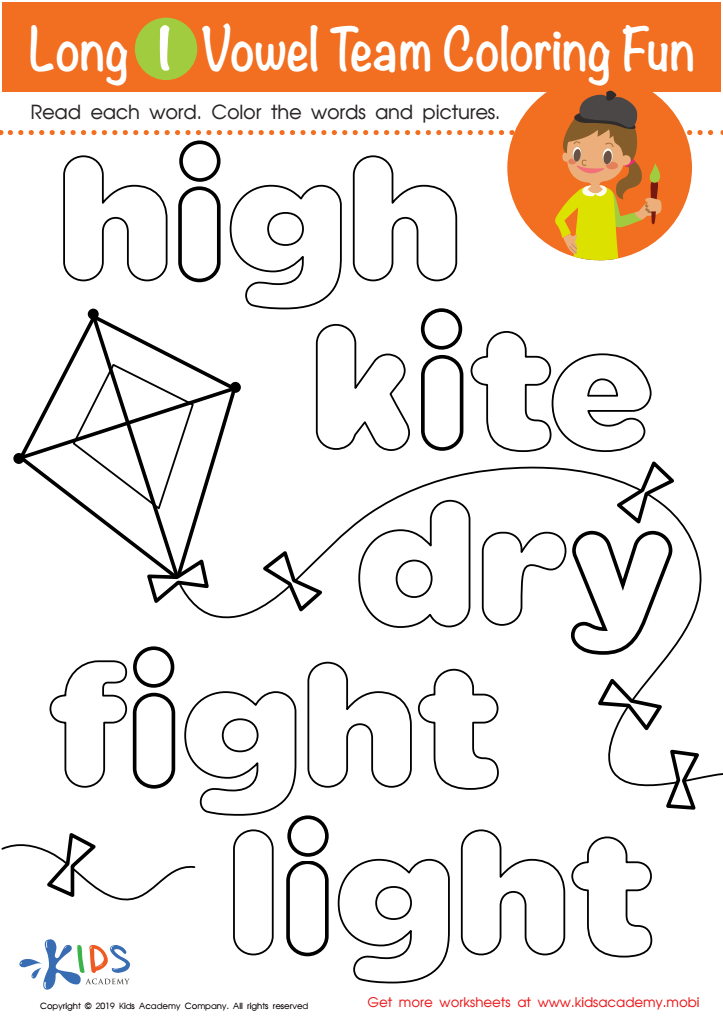
Long I Vowel Team Coloring Worksheet

Long I Vowel Team Coloring Worksheet

This worksheet provides practice with letter combinations that make the long "i" sound while enhancing creativity and motor skills with a fun coloring activity. Unknowingly, new readers learn key phonics skills while having fun!
Download (PDF)
Assign to My Students
Long I Vowel Team Coloring Worksheet
Worksheet
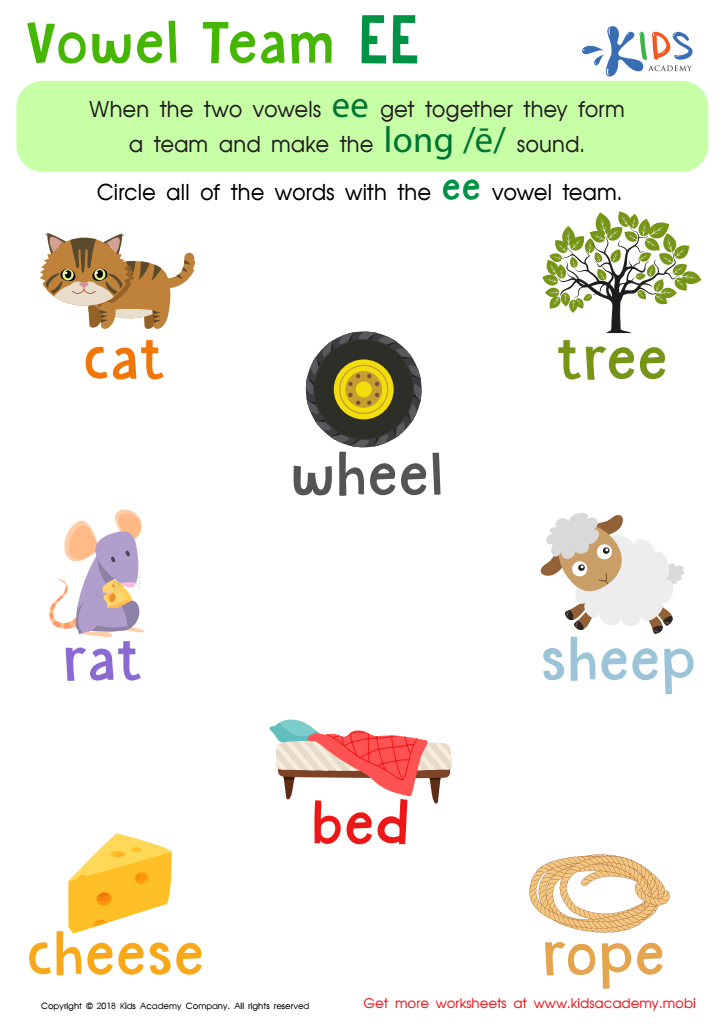
Reading: Vowel Team EE Worksheet

Reading: Vowel Team EE Worksheet

This worksheet is perfect for helping young learners master the /ee/ vowel team. It shows the first vowel with a long sound and the second vowel silent. It also provides pictures for unfamiliar words for readers of all levels. It's an ideal resource for teaching phonics skills.
Reading: Vowel Team EE Worksheet
Worksheet
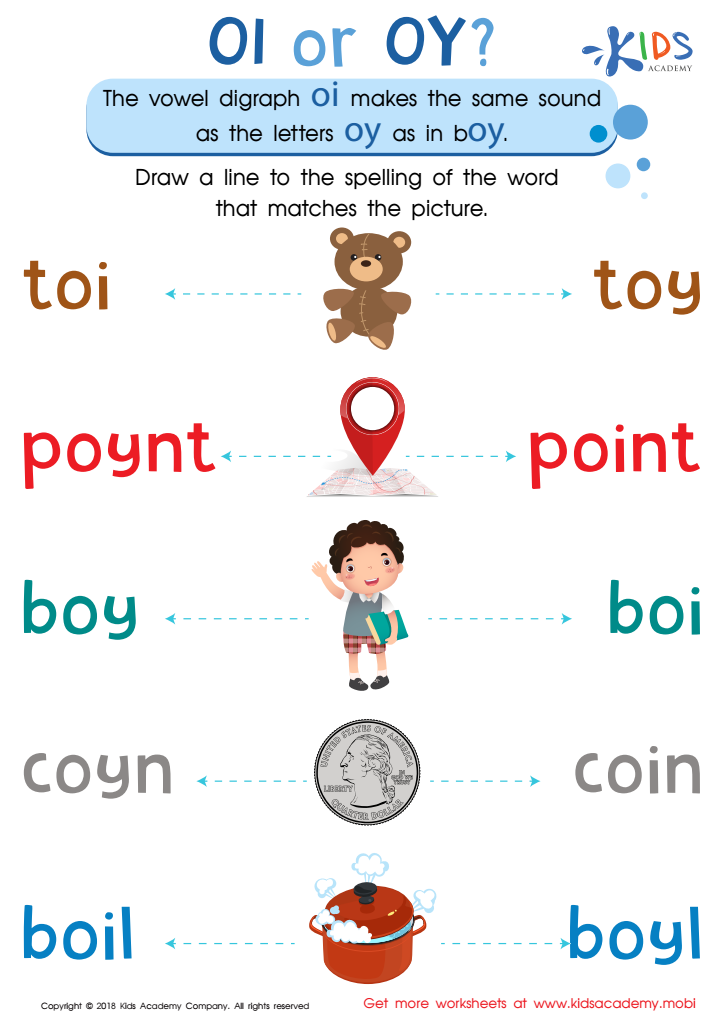
Reading: OI and OY Worksheet

Reading: OI and OY Worksheet

Ask your students if they know the rule for words with /oi/ or /oy/ sound. If not, it's easy to learn! Rule: If /oy/ at end of word, spell with 'oy'; if /oi/ in middle of word, spell with 'oi'. Use this worksheet to help them master these digraphs and improve their ability to decode.
Reading: OI and OY Worksheet
Worksheet
Long and Short Vowel Sentences: Assessment Worksheet

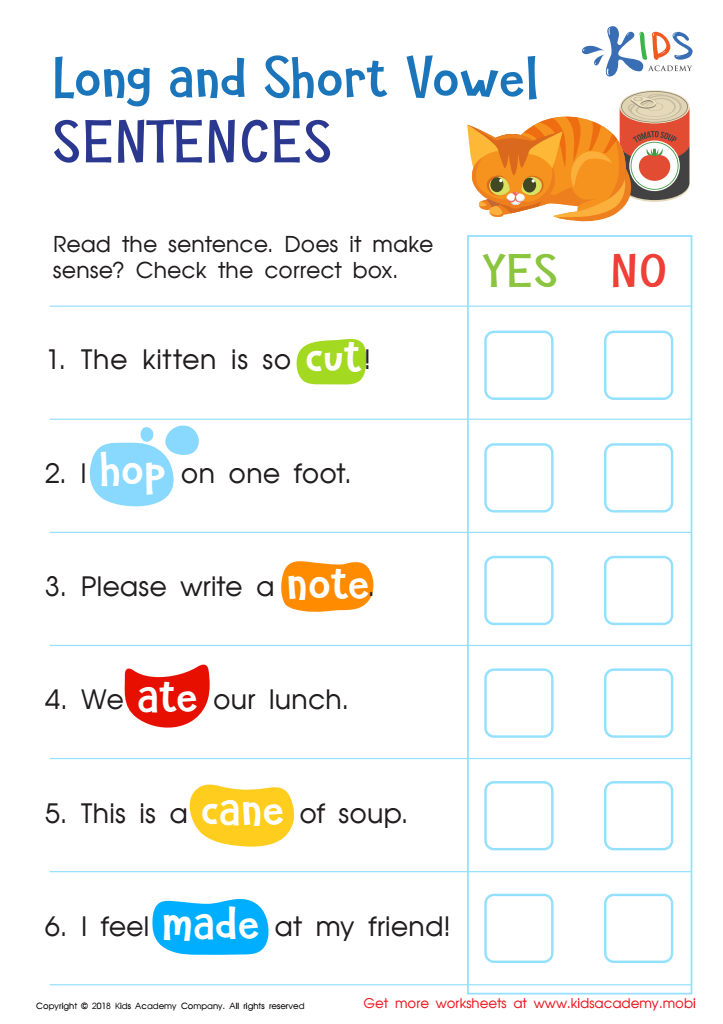
Long and Short Vowel Sentences: Assessment Worksheet

This printable worksheet helps kids practice differentiating between short and long vowel sounds. They'll use context clues to figure out which words make sense in simple sentences. A great way to build reading and writing skills!
Long and Short Vowel Sentences: Assessment Worksheet
Worksheet
Long and Short E Worksheet

Long and Short E Worksheet

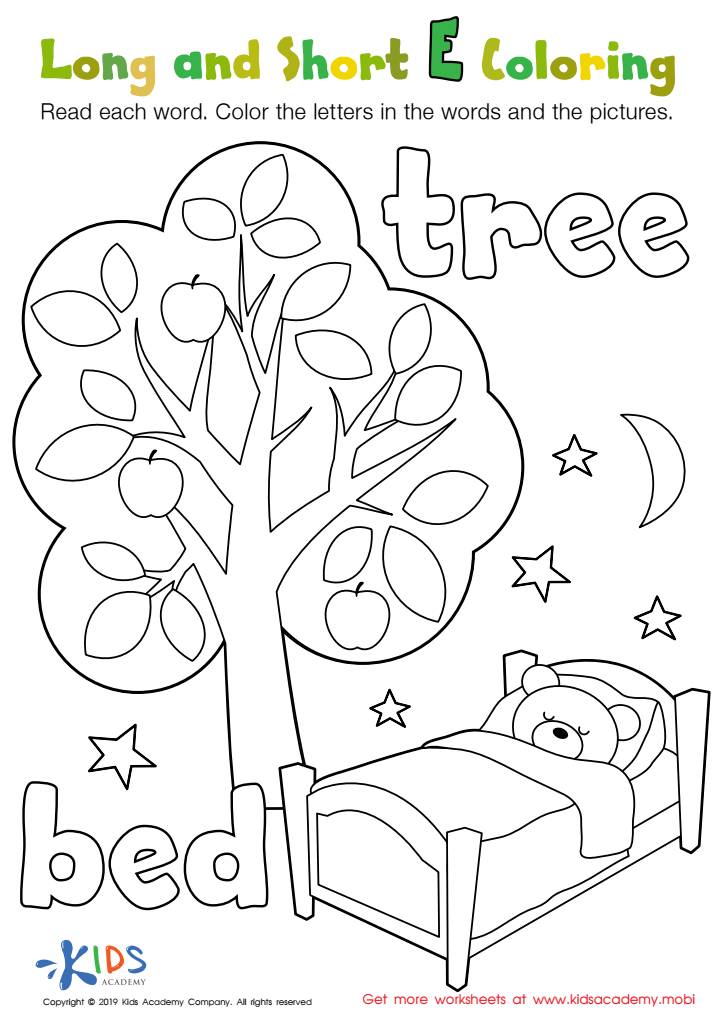
This fun printout makes learning phonics enjoyable for Grade 3 students. Get them to read the words “tree” and “bed” to recognize the different sounds of the letter “E”. After hearing the words they can color the words and the pictures to understand differences between long and short vowels.
Download (PDF)
Assign to My Students
Long and Short E Worksheet
Worksheet
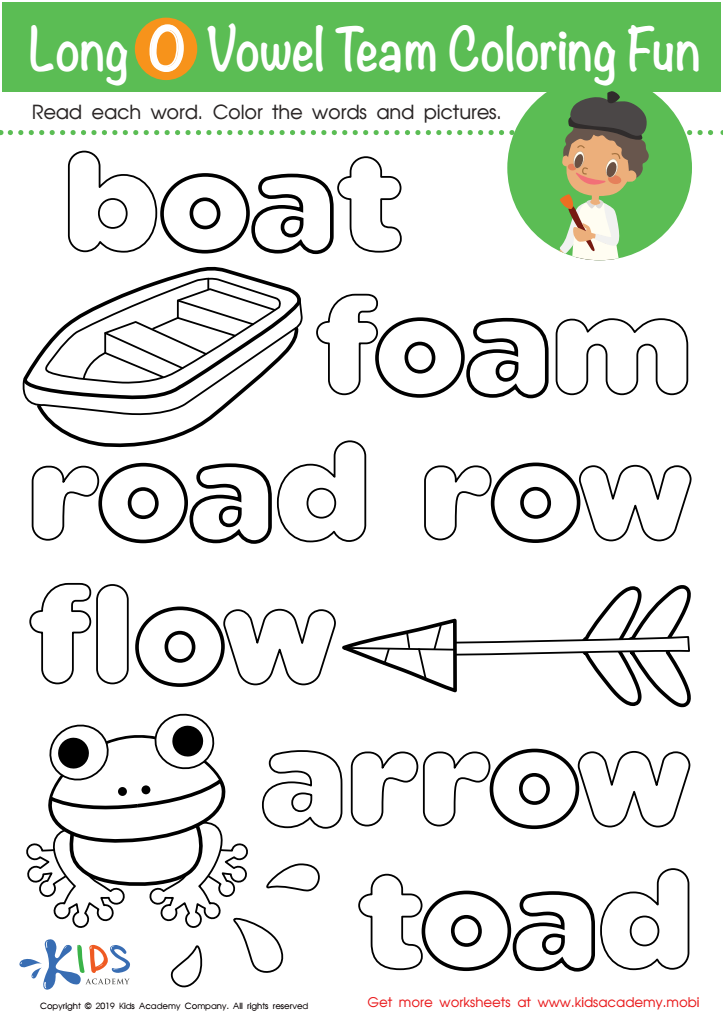
Long O Vowel Team Coloring Worksheet

Long O Vowel Team Coloring Worksheet

Divide your class into teams and have them work together to identify and pronounce the long O sound in words like "boat" and "flow". As they read aloud, have the rest of the class listen attentively. Then let teams color in the words and matching pictures, reinforcing the lesson. This simple printout is perfect for phonics lessons and a fun way to energize your class.
Download (PDF)
Assign to My Students
Long O Vowel Team Coloring Worksheet
Worksheet


Phonics skills, particularly in recognizing normal vowels, are fundamental for children aged 6-9 as they form the building blocks of reading and writing. At this developmental stage, children begin to decode words, and understanding vowel sounds is crucial for this process. Vowels (a, e, i, o, u) are integral to the structure of words, influencing pronunciation and meaning.

When parents and teachers focus on developing phonics skills, they help children become more confident readers, which can significantly impact their academic success and love for learning. Mastery of vowel sounds allows students to make connections between letters and sounds, enhancing their ability to sound out unfamiliar words. This competency not only facilitates better reading fluency but also contributes to improved spelling and writing.

Additionally, fostering phonics skills nurtures cognitive development by encouraging analytical thinking as children learn to blend sounds to form words. It also paves the way for enhanced literacy skills in later grades, reducing the chances of struggling with language arts. Ultimately, investing in phonics instruction lays a solid foundation for lifelong learning, ensuring that children are well-equipped to tackle more complex texts as they progress in their education.