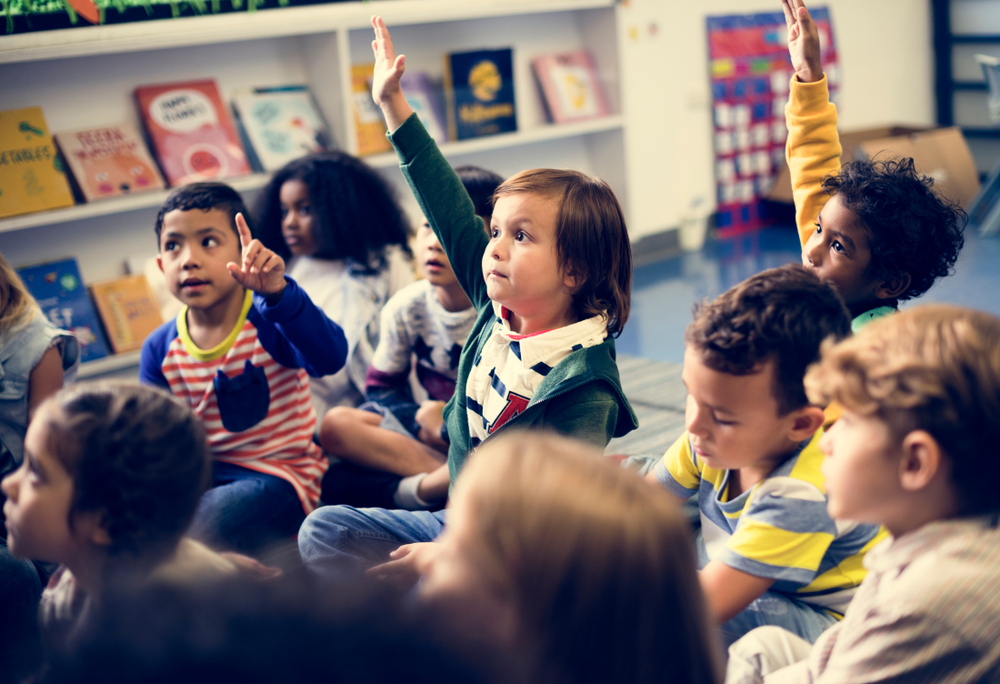
Discover engaging classification skills worksheets for children aged 6-9 at Kids Academy! Our carefully curated resources help young learners master the art of sorting and categorizing objects, animals, and concepts in a fun and interactive way. These normal worksheets are designed to enhance critical thinking and observational skills while making learning enjoyable. With colorful illustrations and age-appropriate challenges, children will build confidence in their classification abilities. Perfect for homeschooling or classroom settings, these worksheets support early education by fostering essential cognitive skills. Explore our extensive collection today and watch your child thrive in their learning journey!

Check out this FREE "Classification skills" Trial Lesson for age 6-9!

Classifying Objects and Count the Number of Objects in Each Category CCSS.Math.Content

Favorites
With answer key
Interactive
  • 6-9
  • Classification skills
  • Normal
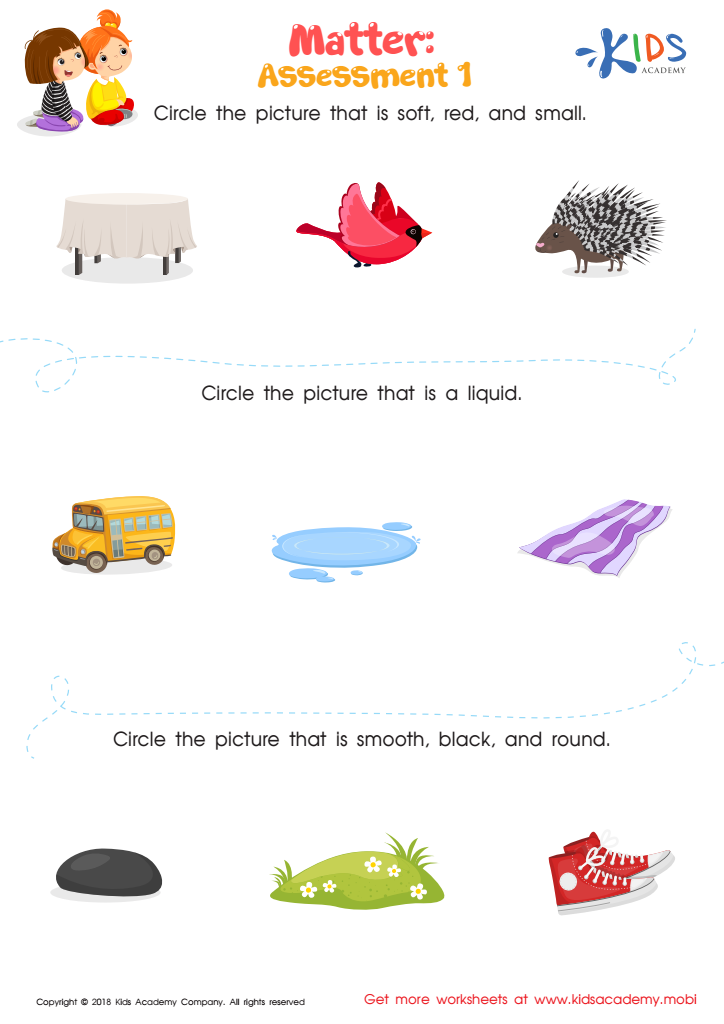
Matter: Assessment 1 Worksheet

Matter: Assessment 1 Worksheet

Have your children learn that anything that has weight and takes up space is matter. Examples include buses, tables, people, animals, and more. Use this worksheet to help them identify the objects and circle the soft, red, and small one; the liquid; and the smooth, black, and round one.
Matter: Assessment 1 Worksheet
Worksheet
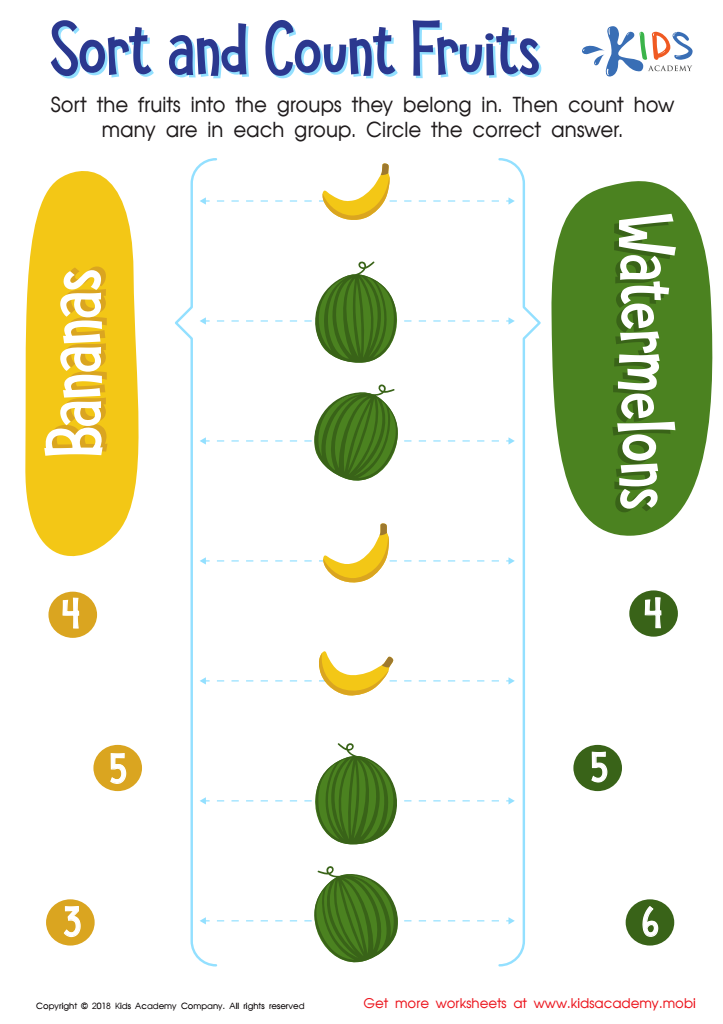
Sort and Count Fruits Worksheet

Sort and Count Fruits Worksheet

Allow your children to hone their critical thinking and number reasoning skills with this free worksheet. They'll sort, count, and trace fruits while learning basic number sense. A fun, delicious learning experience with familiar pictures they'll love.
Sort and Count Fruits Worksheet
Worksheet
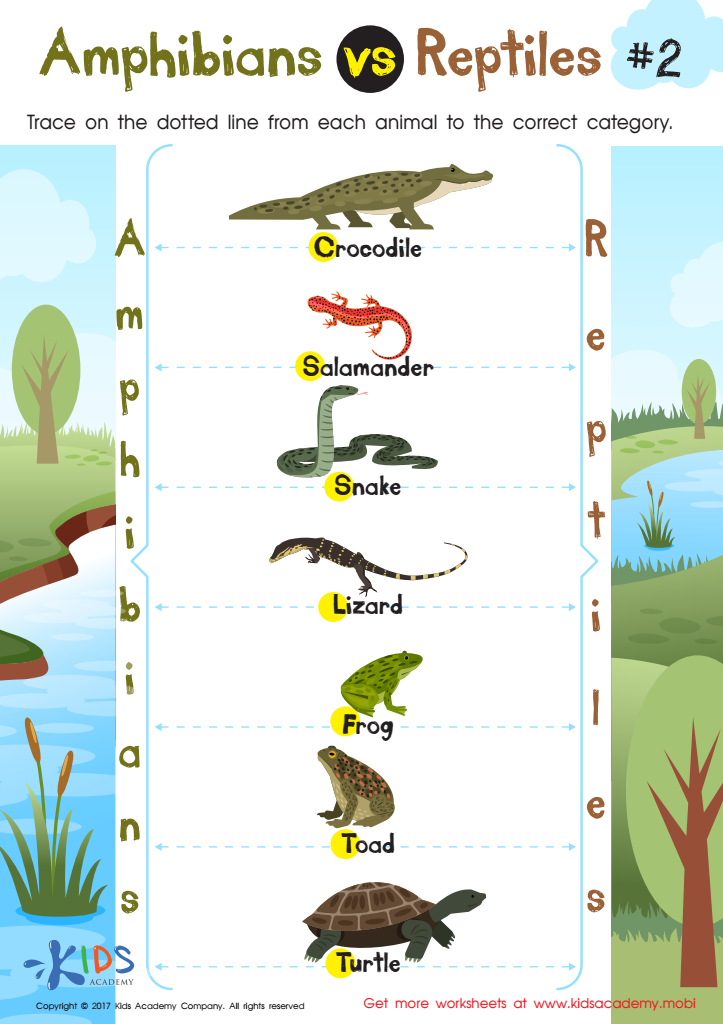
Amphibians vs Reptiles Worksheet for 3rd Grade

Amphibians vs Reptiles Worksheet for 3rd Grade

Let your 3rd grader challenge themselves and have fun by distinguishing between reptiles and amphibians. With this cool worksheet, they'll explore vivid pictures and learn about these fascinating creatures!
Amphibians vs Reptiles Worksheet for 3rd Grade
Worksheet
Bird Beaks Worksheet

Bird Beaks Worksheet

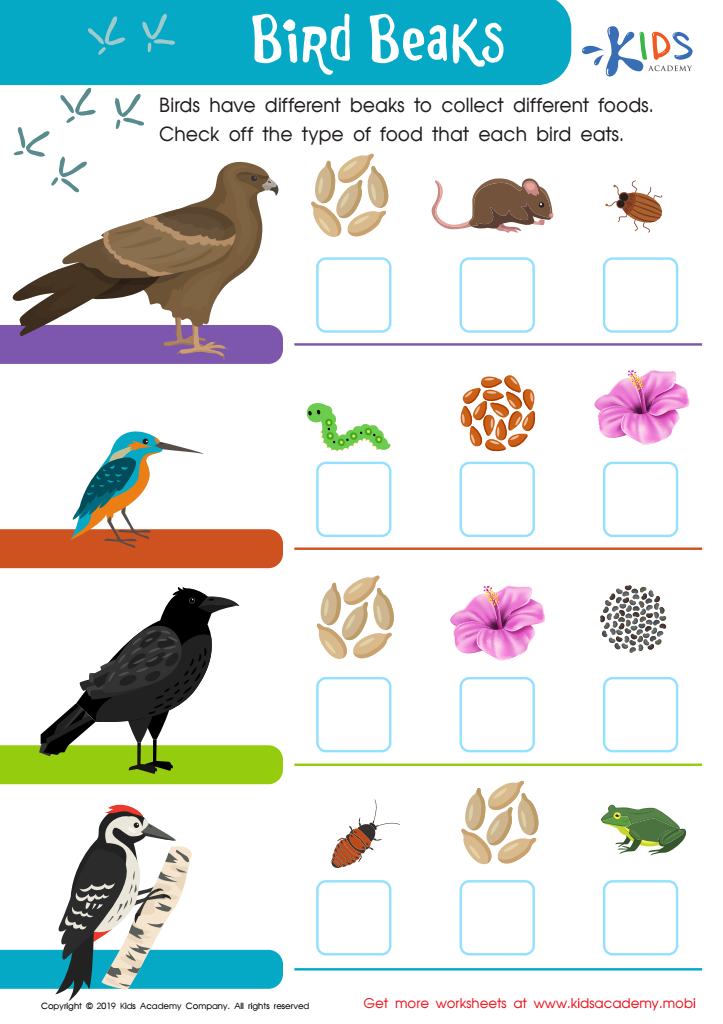
Birds have beaks to eat different types of food. Let your little nature lover explore why with this free worksheet! They'll learn about different beak shapes and match them to the food that's best for them. Be an adorable bird watcher together!
Bird Beaks Worksheet
Worksheet
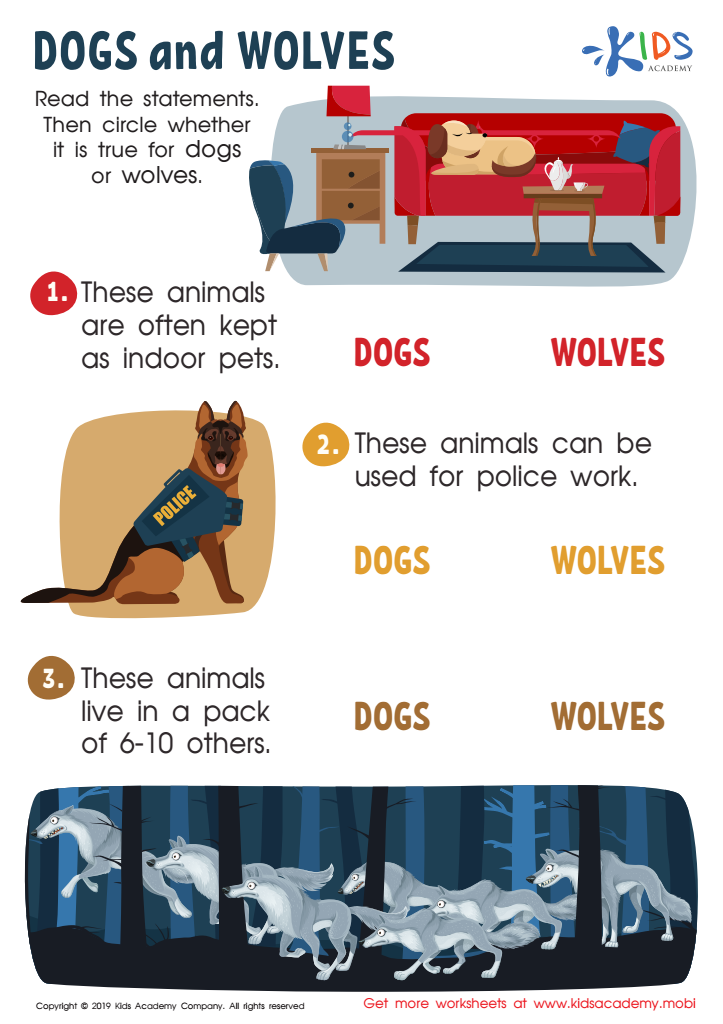
Dogs and Wolves Worksheet

Dogs and Wolves Worksheet

Kids love dogs and wolves, so engaging them with text about them is key. This free, downloadable worksheet allows kids to read statements about dogs and wolves and use picture clues and prior knowledge to decide if the statements are true or false, strengthening their reading comprehension.
Dogs and Wolves Worksheet
Worksheet
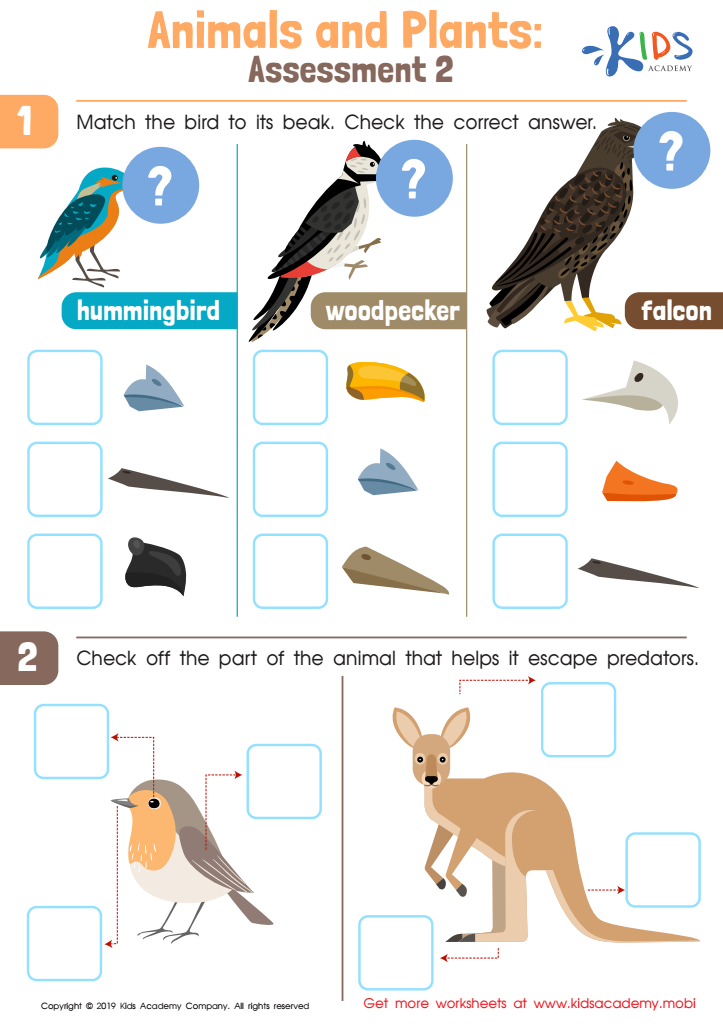
Animals and Plants: Assesment 2 Worksheet

Animals and Plants: Assessment 2 Worksheet
This free PDF is ideal to quickly test your child's knowledge of animal adaptations. They'll select the right beak patterns for hummingbird, woodpecker and falcon, and identify which parts of animals help them escape predators. It's easy to assess your kid's understanding.
Animals and Plants: Assessment 2 Worksheet
Worksheet
Space: Assessment 2 Worksheet


Space: Assessment 2 Worksheet

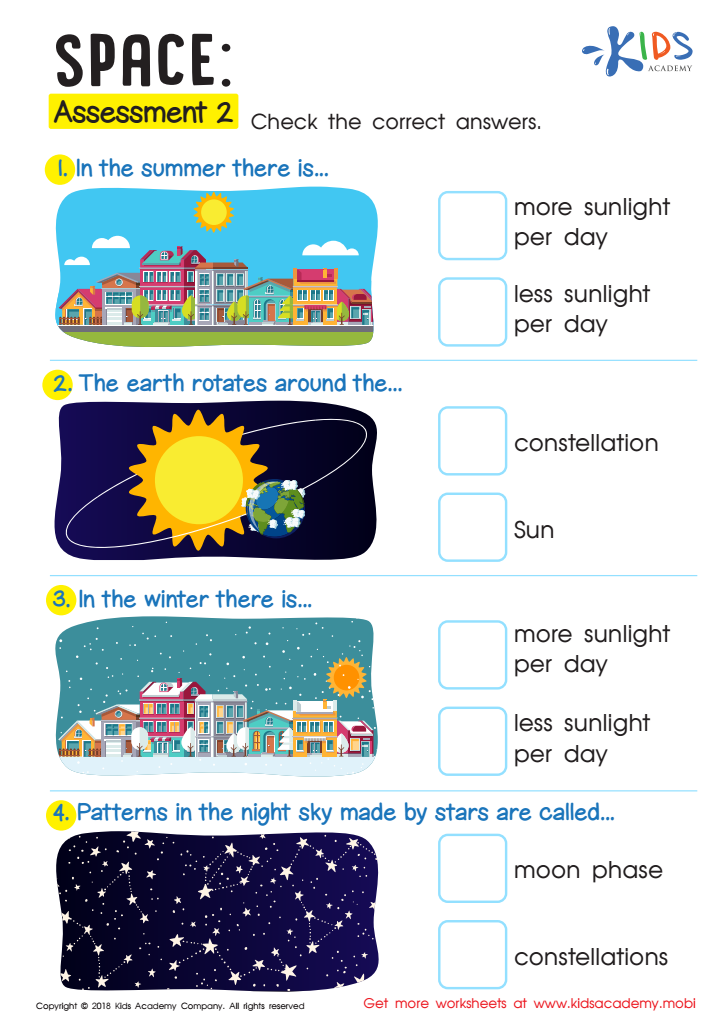
Test your kids' knowledge of the weather, constellations and Earth with this worksheet. Show them the 4 images and ask what's happening; then read the questions and options and help them pick the right answers. This printout is a helpful and fun way to learn!
Space: Assessment 2 Worksheet
Worksheet


Classification skills are vital for children aged 6-9 as they form the foundation for critical thinking, problem-solving, and organization. During these formative years, children's cognitive abilities are rapidly developing, making it an ideal time to foster their classification skills. When children learn to categorize objects, ideas, or information, they improve their ability to recognize patterns, make connections, and draw conclusions. This skill doesn't just enhance academic performance; it extends to real-life situations where making sense of their environment is crucial.

For teachers and parents, encouraging classification helps children enhance their language skills by expanding their vocabulary as they learn new categories and descriptors. It also supports social development; as children categorize social interactions, they improve their understanding of relationships and groups.

Additionally, classifying experiences encourages them to organize their thoughts and experiences, which can be particularly beneficial when faced with complex problems. By facilitating play and activities focused on classification—whether through sorting games, nature explorations, or group discussions—adults can foster children’s creativity and analytical thinking. In nurturing these skills, parents and teachers provide children with essential tools for lifelong learning and understanding, giving them a head start in both academic and interpersonal realms.