Color recognition Normal Worksheets for Ages 6-9 - Page 2
31 filtered results
-
From - To
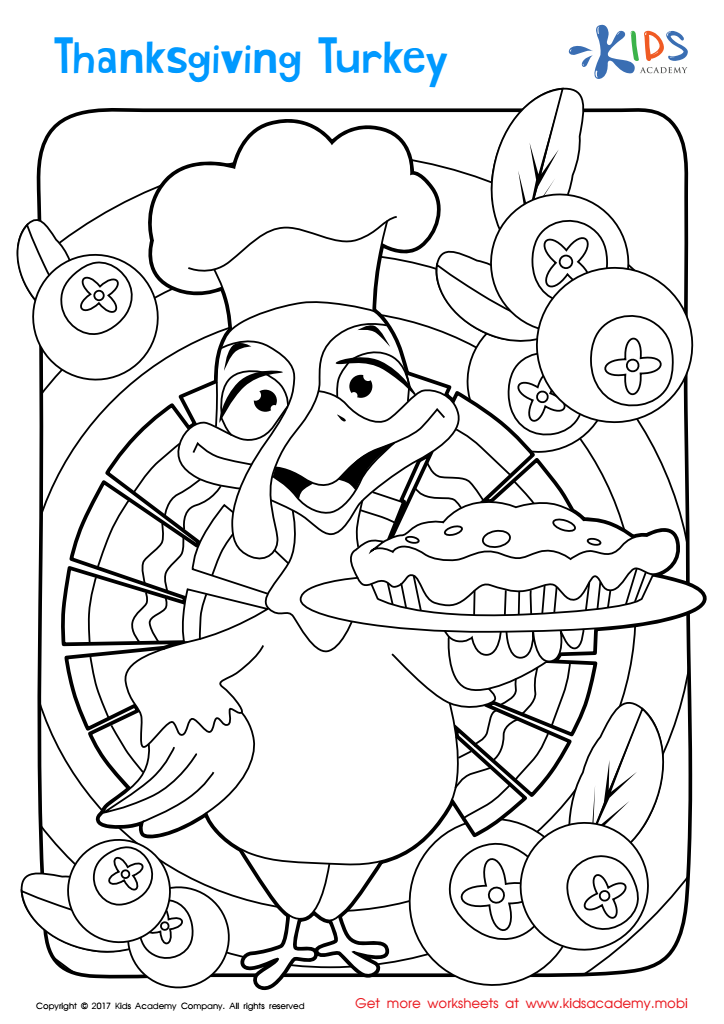
Turkey Thanksgiving Day Worksheet
 Assign to My Students
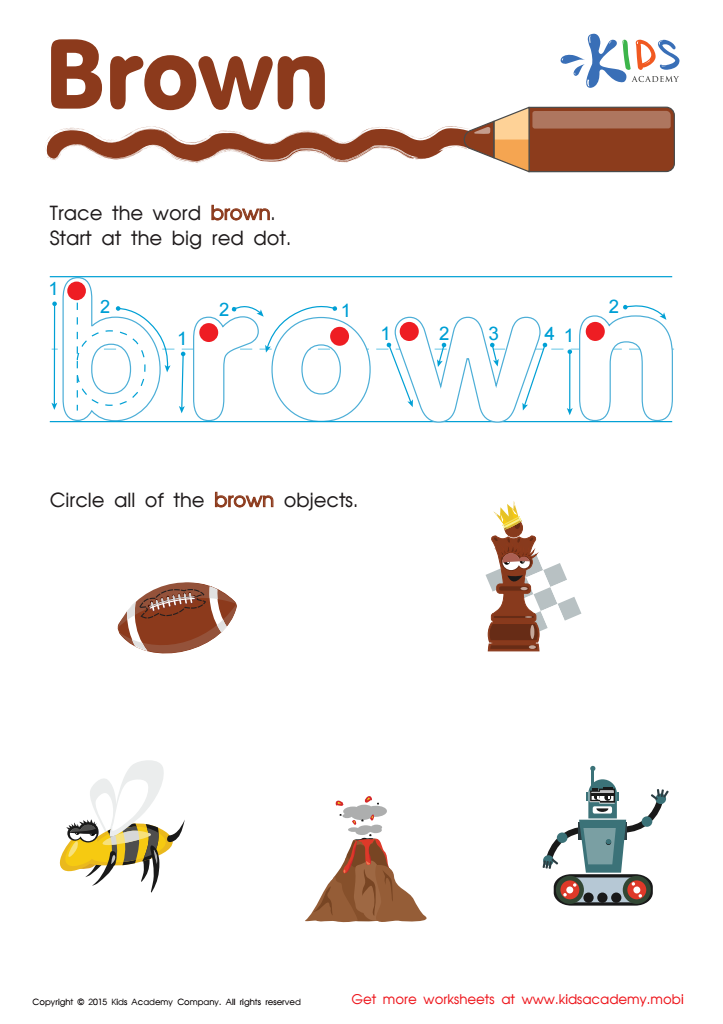
Brown Tracing Color Words Worksheet
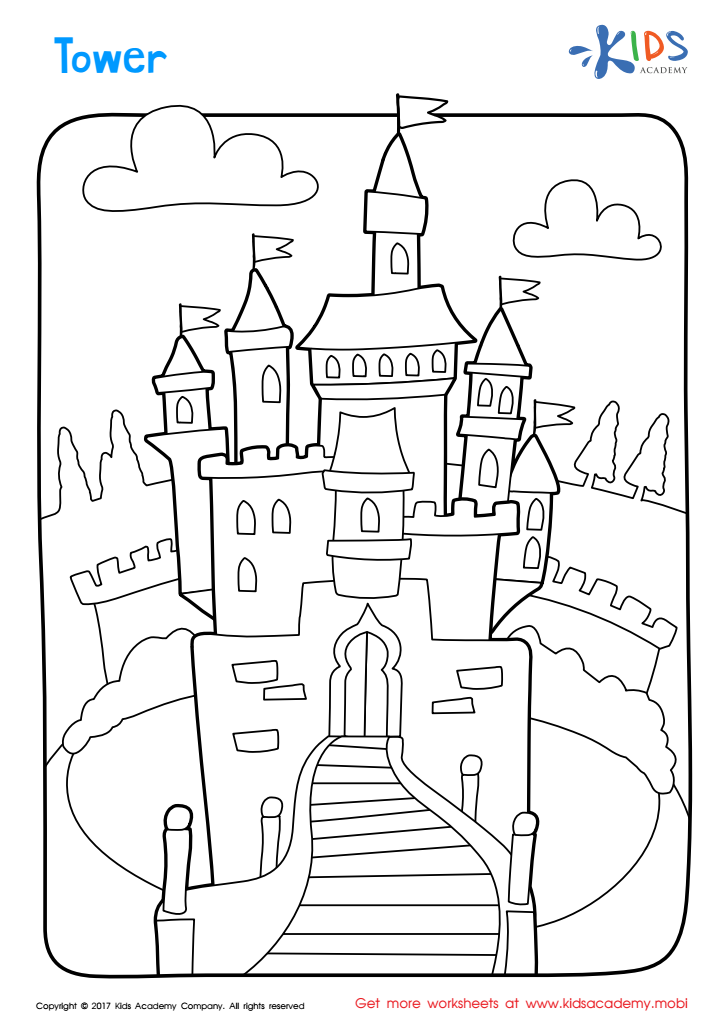
Tower Coloring Page
Assign to My Students
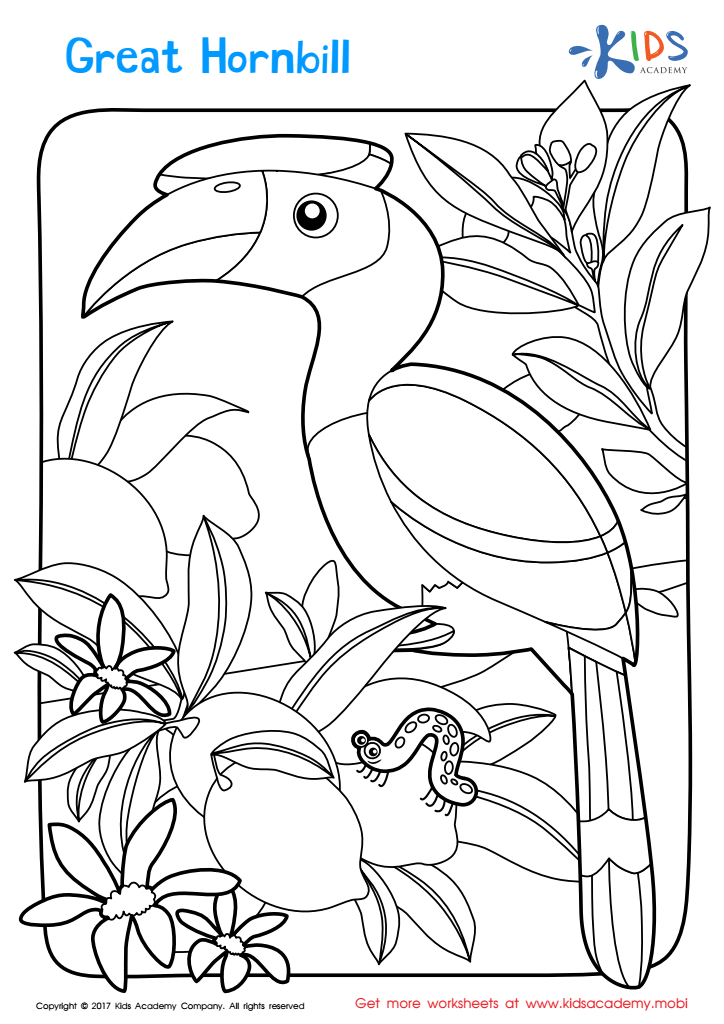
Great Hornbill Worksheet
Assign to My Students
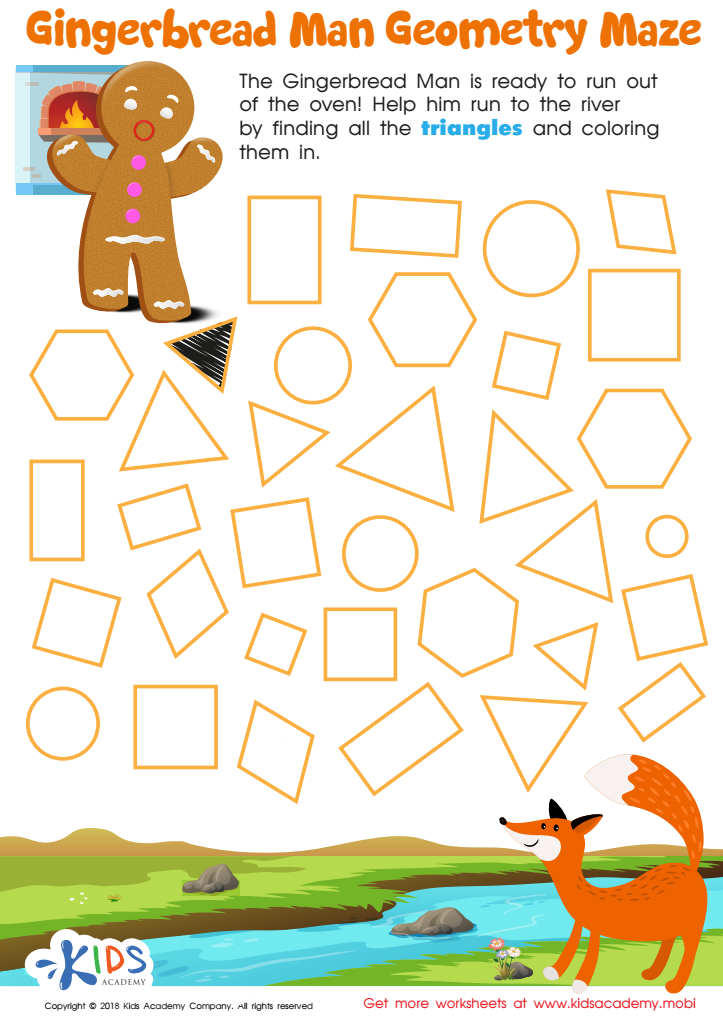
Gingerbread Man Geometry Maze Worksheet
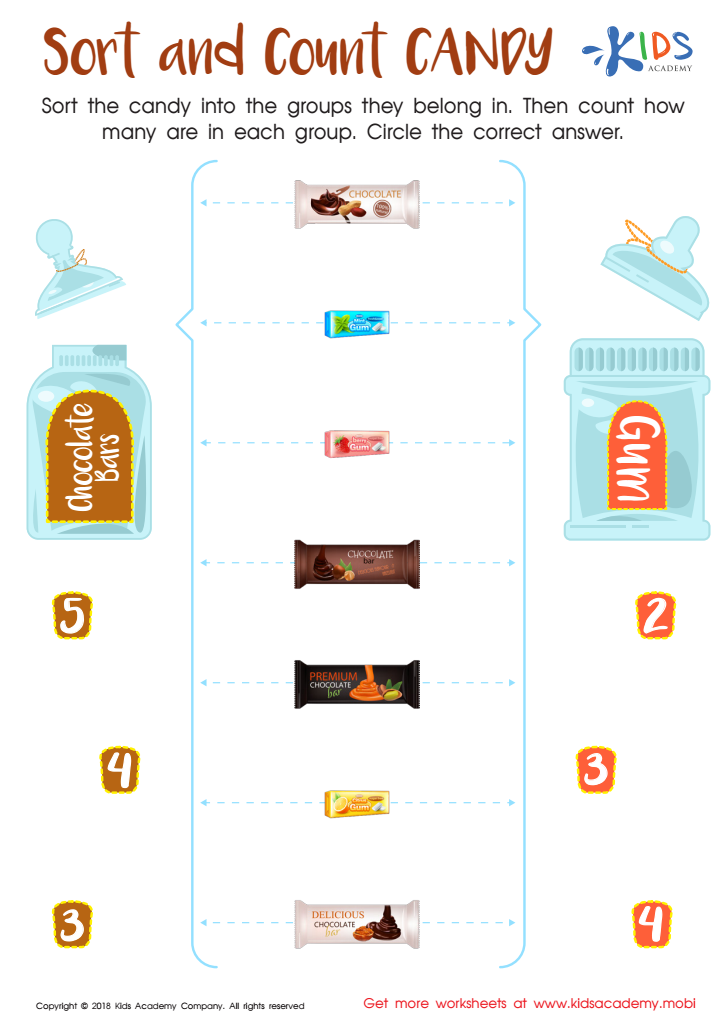
Sort and Count Candy Worksheet
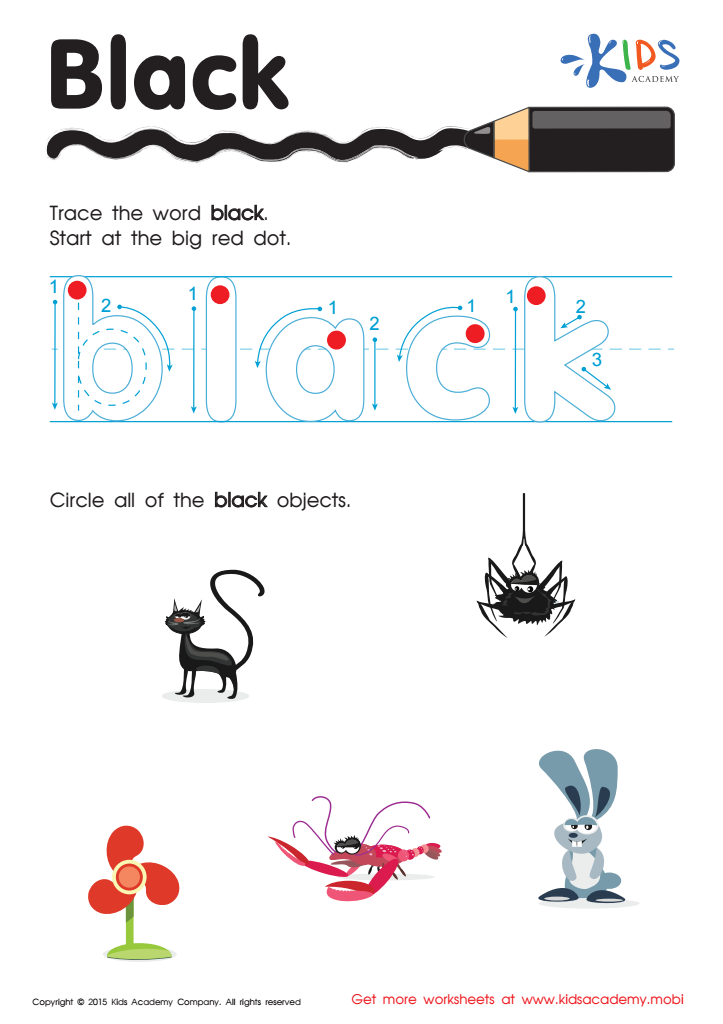
Black Tracing Color Words Printable








Color recognition is a critical aspect of a child's development, making it important for parents and teachers to focus on this skill for children ages 6-9. At this stage, children are beginning to engage more deeply with their surroundings and the ability to recognize and name colors enhances their cognitive abilities. It aids in vocabulary expansion as children learn to associate names with specific colors and objects, which is foundational for further language development.
Moreover, color recognition plays a pivotal role in learning processes across different subjects. For instance, distinguishing colors helps children interpret graphs and charts in mathematics, understand maps in social studies, and appreciate art. It enhances their ability to follow instructions in activities that require sorting, matching, or categorizing based on colors, thus improving attention to detail and organizational skills.
Socially and emotionally, recognizing colors also supports children's expression of preferences and emotions. It enables them to participate in discussions about their environment, thereby boosting their confidence and communication skills. Furthermore, it can aid in the early detection of visual impairments, ensuring timely interventions. Therefore, parents and teachers should prioritize color recognition to foster well-rounded development in various domains essential for educational success and overall growth.








