Color recognition Normal Color Words Worksheets for Ages 6-9
7 filtered results
-
From - To
Enhance your child's learning experience with our engaging Color Recognition Normal Color Words Worksheets designed specifically for ages 6-9. These worksheets help children recognize and distinguish between various colors while building essential vocabulary skills. Engaging activities make learning fun, as kids match colors to words, fill in blanks, and identify objects in different hues. Perfect for classroom use or at-home practice, our resources cater to beginners and facilitate language development for young learners. Foster creativity and visual skills while making color recognition exciting with this comprehensive set of engaging worksheets. Start your child's colorful learning journey today!
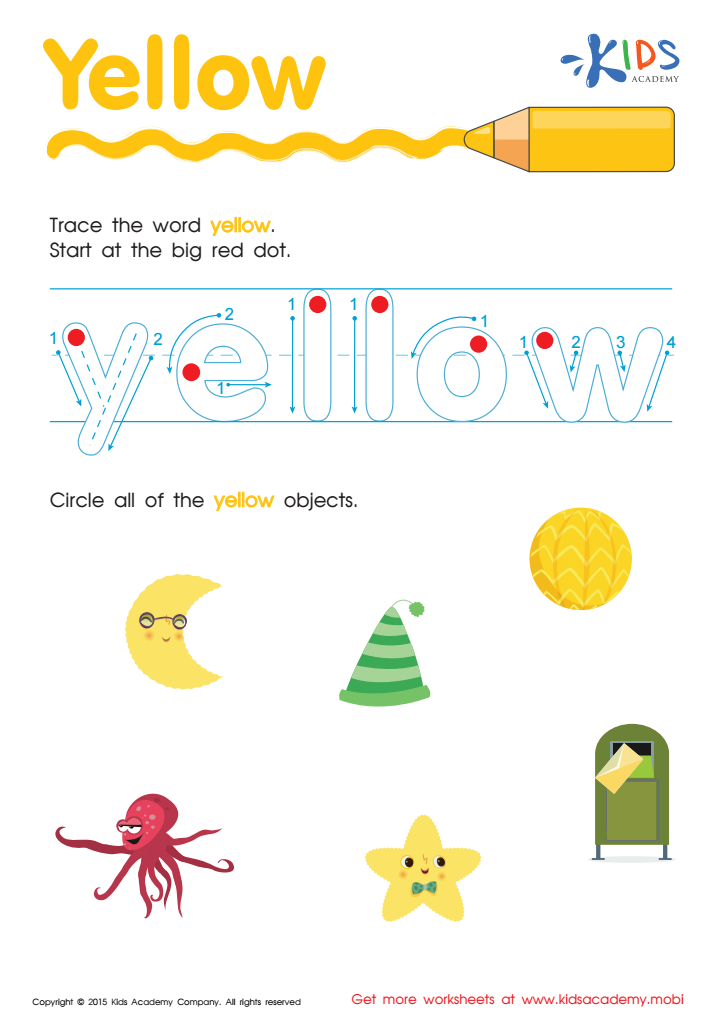
Yellow Tracing Color Words Worksheet
 Assign to My Students
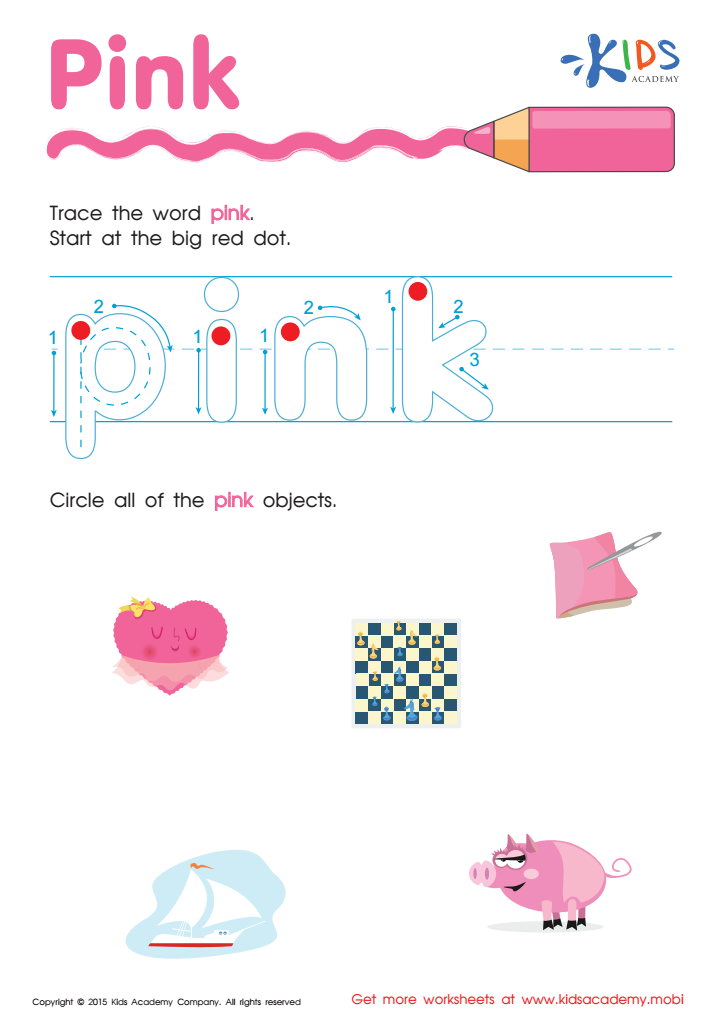
Pink Tracing Color Words Worksheet
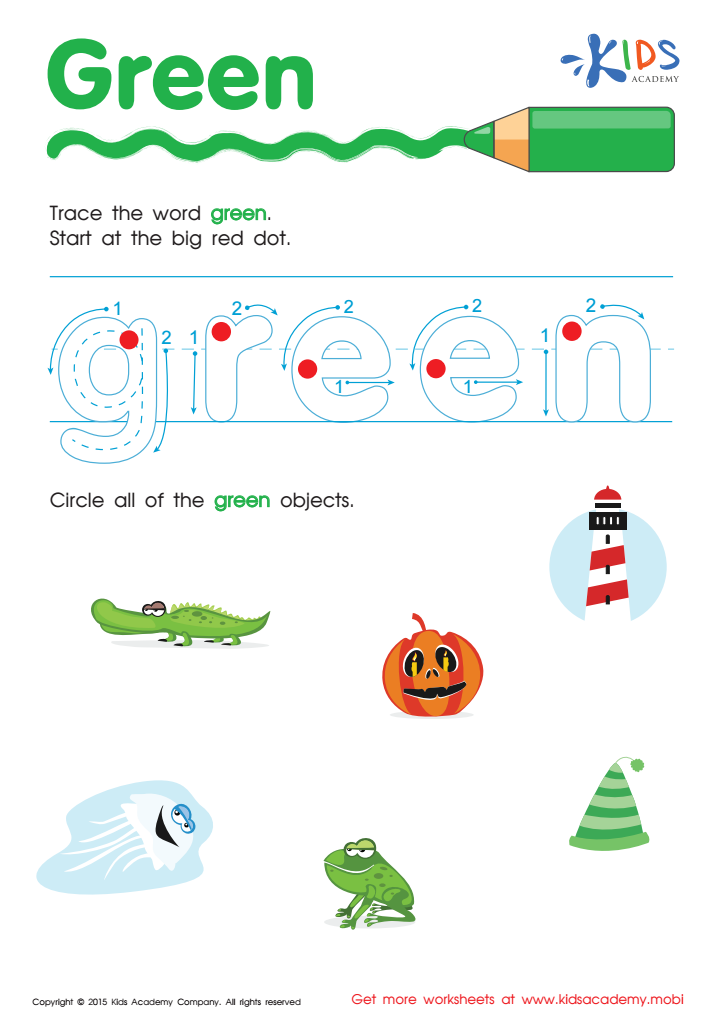
Green Tracing Color Words Worksheet
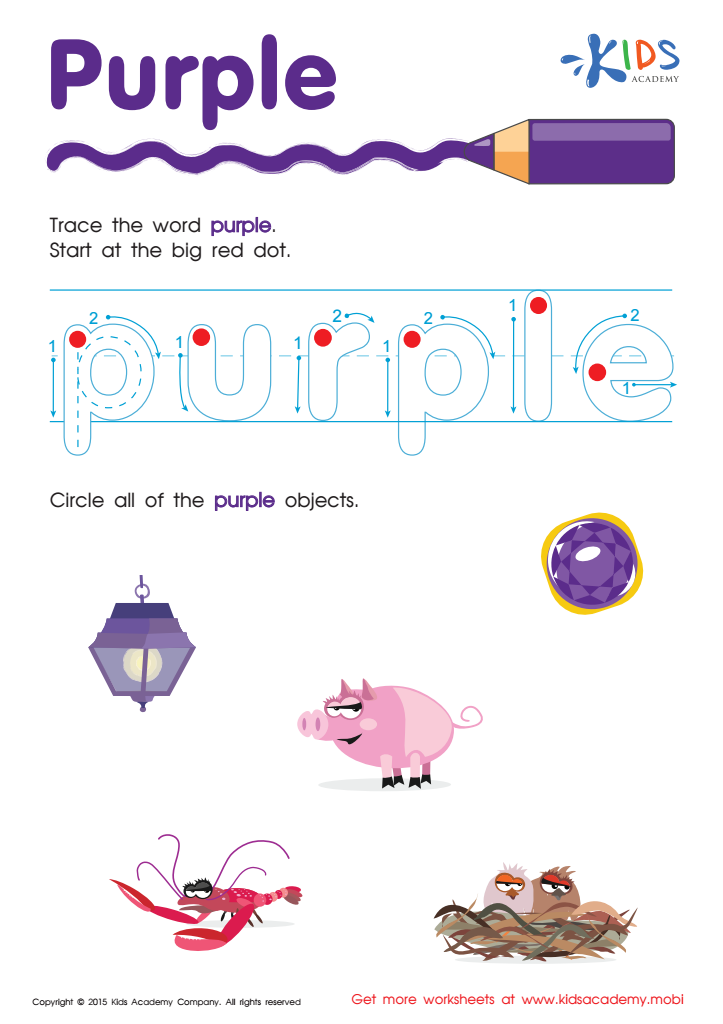
Purple Tracing Color Words Worksheet
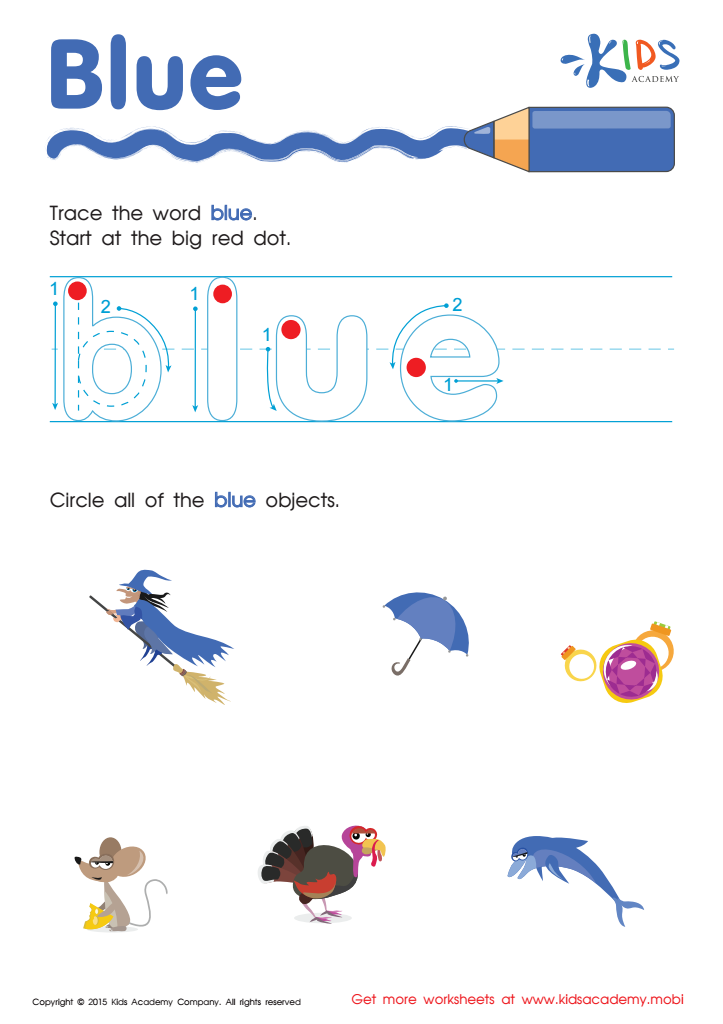
Blue Tracing Color Words Printable
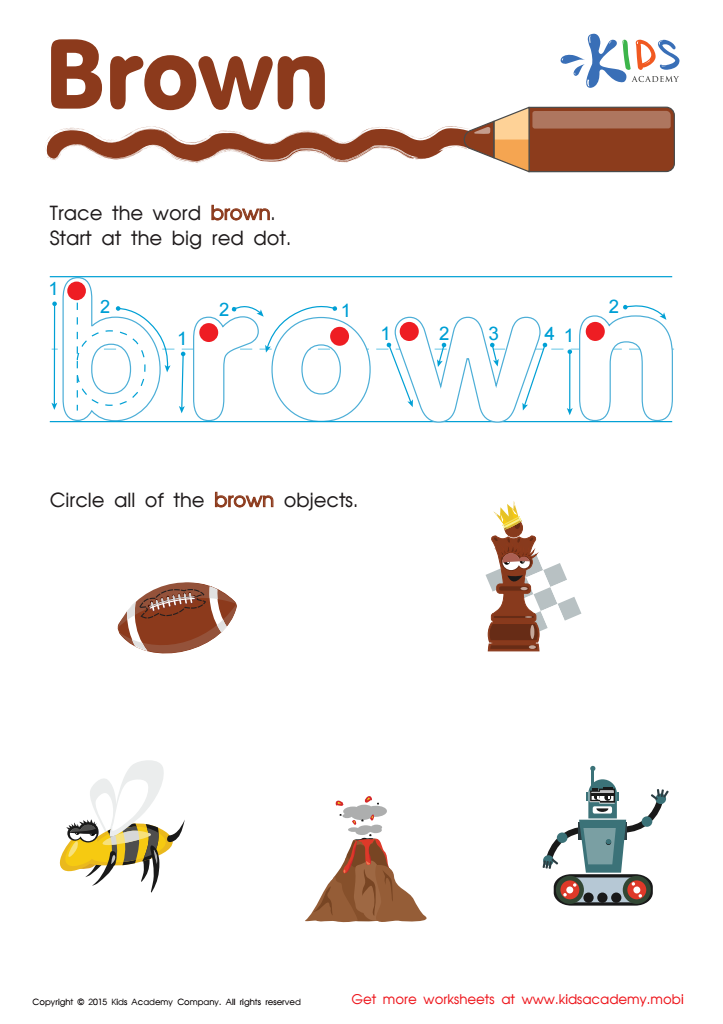
Brown Tracing Color Words Worksheet
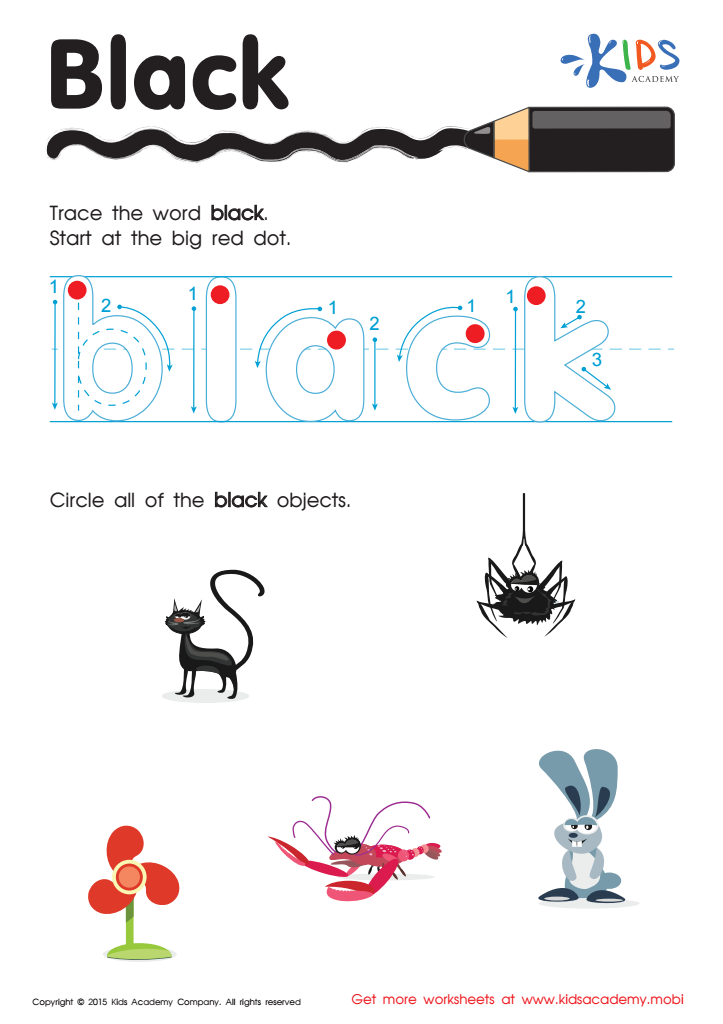
Black Tracing Color Words Printable



Color recognition is a fundamental skill that plays a vital role in the early development of children ages 6-9. For parents and teachers, understanding and reinforcing knowledge of normal color words can greatly enhance a child’s overall learning experience.
Firstly, color recognition aids in cognitive development. It helps children categorize their environment, leading to improved memory and conceptual organization. For instance, when kids learn to identify colors, they also start linking those colors to objects (like red apples or green leaves), which enhances their vocabulary and descriptive skills.
Moreover, the ability to recognize and name colors is essential for art and creativity. Engaging in art activities allows children to express themselves while reinforcing their understanding of colors. It fosters imagination and increases the joy of learning.
Additionally, color recognition plays a significant role in literacy. Many early reading materials incorporate colors for instructional purposes, aiding in educational engagement. Understanding colors also supports children in following directions and understanding instructions in various subjects.
Therefore, fostering color recognition helps build essential skills in communication, creativity, and cognitive organization, laying a strong foundation for lifelong learning. Parents and teachers should prioritize this developmental milestone as it contributes significantly to children's overall growth and academic success.








