Color recognition Normal Cultures and Holidays Coloring Pages Worksheets for Ages 6-9
4 filtered results
-
From - To
Explore the vibrant world of "Color Recognition Normal Cultures and Holidays Coloring Pages Worksheets" designed for children aged 6-9. This engaging resource helps young learners develop essential color recognition skills while celebrating diverse cultures and holiday traditions. Each coloring page features festive imagery from around the globe, encouraging creativity and cultural awareness. As kids color, they practice identifying colors and enhancing fine motor skills in a fun, interactive way. Perfect for classrooms or at-home learning, these worksheets promote artistic expression while fostering an appreciation for the rich tapestry of global celebrations. Spark curiosity and creativity with our themed coloring pages!
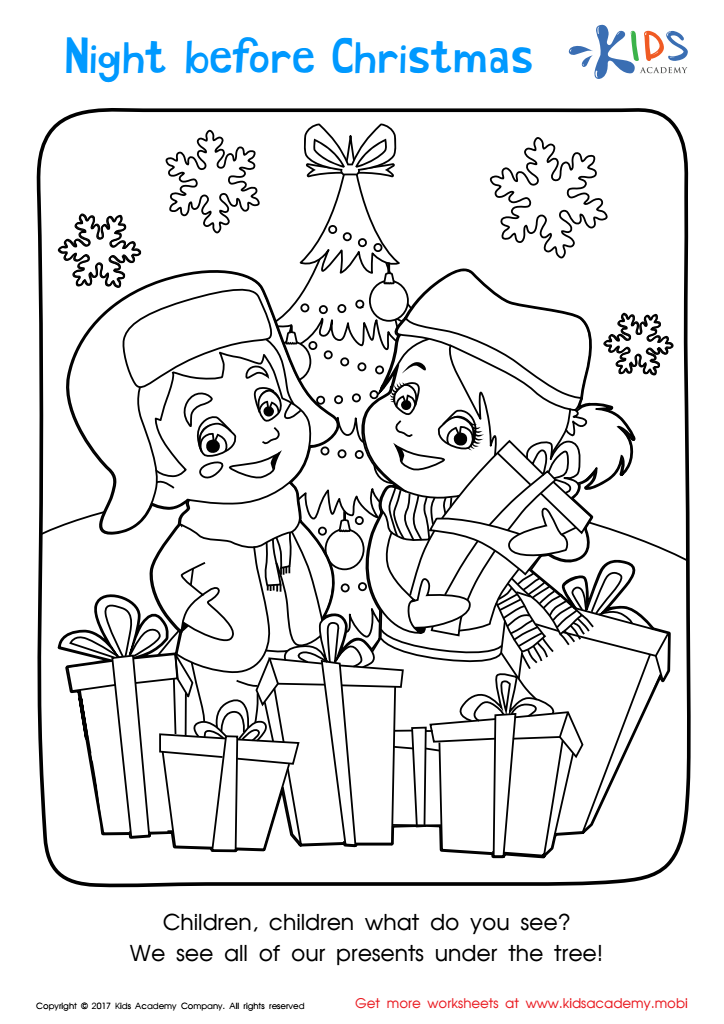
Christmas: Night Before Christmas Printable
 Assign to My Students
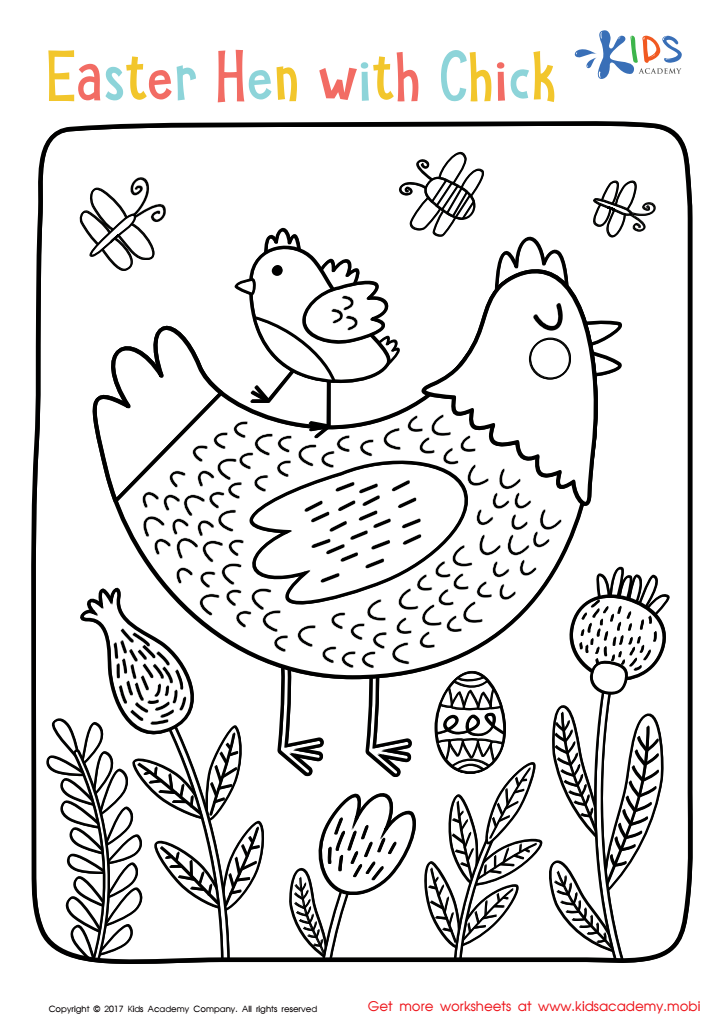
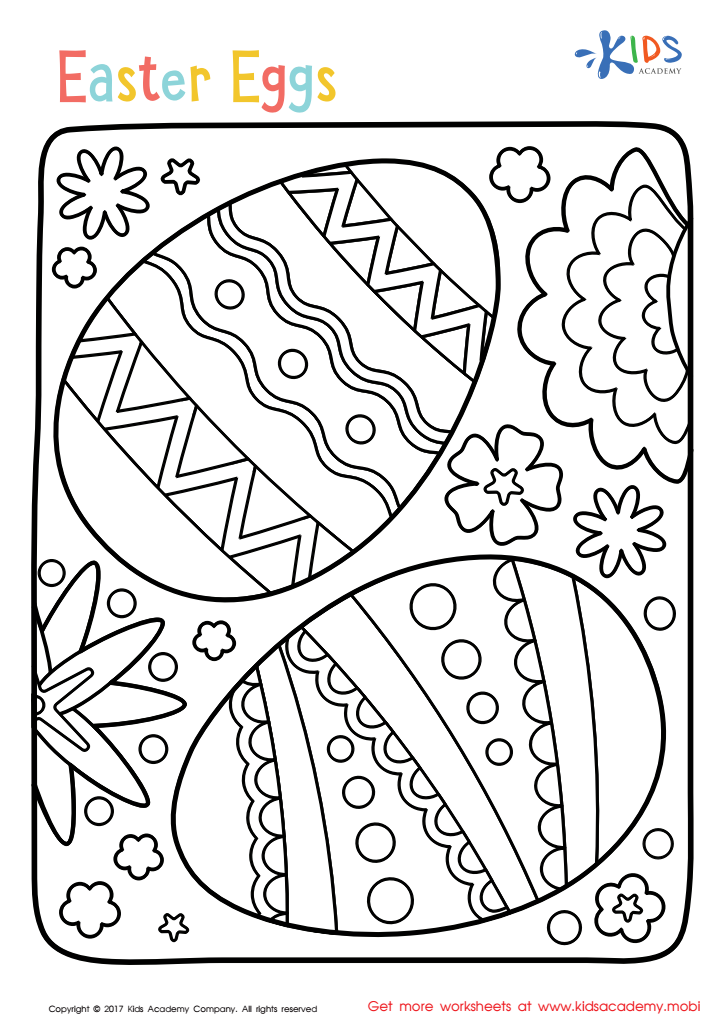
Easter: Easter Eggs Worksheet
Assign to My Students
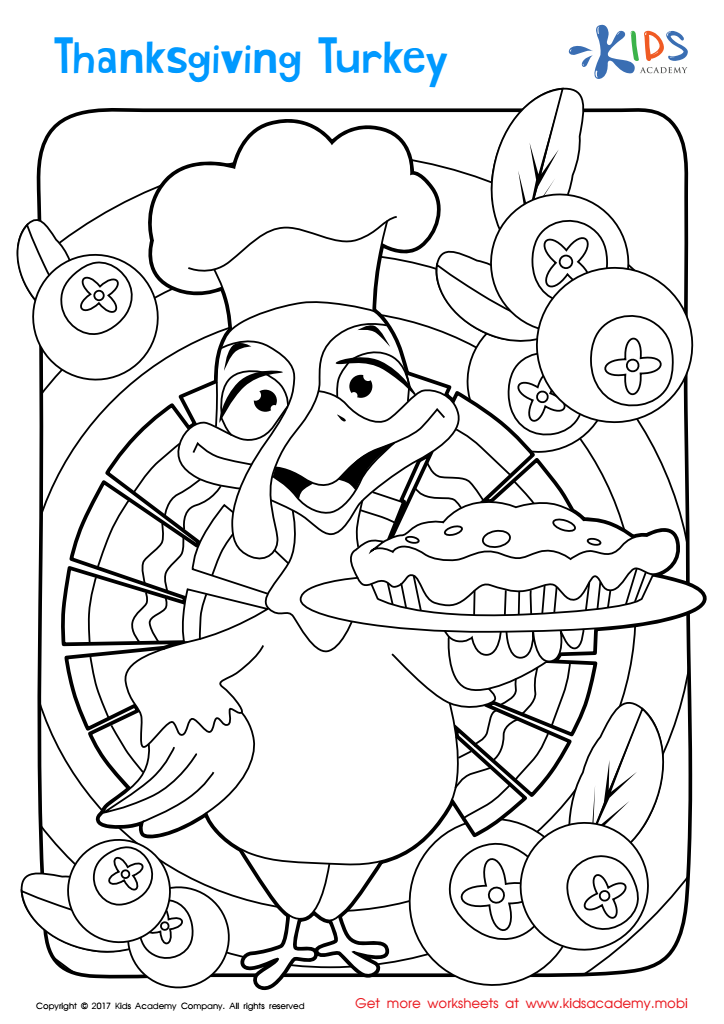
Turkey Thanksgiving Day Worksheet
Assign to My Students



Color recognition is a foundational skill for children, significantly impacting their cognitive development and creativity. Using coloring pages that incorporate themes from normal cultures and various holidays allows children ages 6-9 to learn color identification while simultaneously exploring the diversity and richness of the world around them.
Parents and teachers should care about these resources for several reasons. Firstly, they make learning fun and interactive, crucial for keeping young learners engaged. By working with colors in the context of cultural symbols and holiday themes, children not only develop their fine motor skills, but also gain a greater appreciation and understanding of different traditions.
Furthermore, such coloring activities promote cultural awareness and inclusivity, making them excellent tools for discussions about diversity. This helps form a foundation of respect and curiosity toward global cultures in young minds. Teachers and parents can use these coloring pages as conversation starters, fostering a deeper dialogue about identity and community among children.
In summary, incorporating culture and holiday-themed coloring pages enhances color recognition skills while promoting inclusivity, creativity, and awareness, highlighting why both parents and educators should prioritize such activities in early education.